Opening Story: Slowing Down to Feel Closer
Emily had grown used to the rhythm of dating in New York. A swipe on her phone, a quick exchange of witty texts, and within days—sometimes even hours—she would find herself seated across from a stranger at a trendy café or bar. The conversations were fast, the chemistry was judged quickly, and decisions about a future—or lack of one—were often made by the end of the night. Dating felt like speed chess: act fast, decide faster, and move on if it didn’t work.
When Emily moved to Tokyo for work, she expected a similar pace. So when a Japanese colleague invited her to dinner at a cozy neighborhood izakaya, she assumed it might be the beginning of something romantic. The evening was pleasant—grilled fish, small plates shared between them, gentle laughter—but at the end of the night, he simply walked her to the station, thanked her, and left with a polite bow. No flirtatious touch, no attempt to define what had just happened.
And then it happened again. Another dinner. Another evening of easy conversation, clinking glasses of beer, splitting edamame, and quiet pauses that felt oddly comfortable. Weeks passed this way—small dinners, seasonal festivals, long walks after work—yet no rush, no pressure. Slowly, almost without noticing, Emily began to feel a calm intimacy building between them, the kind she had never experienced in her whirlwind New York dating life.
What surprised her most was the sense of safety and ease that came with this slow unfolding. Instead of being pushed toward quick judgments and instant passion, she felt invited to breathe, to simply enjoy another person’s company without the weight of expectation. For the first time in years, intimacy felt less like a race and more like a garden, growing quietly and steadily with time.
This is the paradox Emily—and many Western women like her—discover in Japan: intimacy here does not rush. It lingers, it waits, it gives space. And in that slowness, something unexpectedly beautiful happens: closeness deepens in a way that feels lasting.
Western Speed vs. Japanese Patience
In much of the Western world, dating reflects the broader culture of efficiency and immediacy. The process is designed to be quick: find out if there’s chemistry, decide if the person is worth more time, and move forward—or move on. Dating apps reinforce this mindset with endless profiles, instant messaging, and algorithms built to speed up the search for love. A first date might include not only dinner but also passionate conversation, physical closeness, and sometimes even decisions about a potential relationship.
The Western model often mirrors a results-driven mentality. Just as careers are built on quick wins and measurable achievements, relationships can be approached with the same urgency. Questions like “Where is this going?” or “Are we exclusive?” may surface after just a few encounters. This approach has its advantages: clarity, efficiency, and the chance to avoid wasting time. But it also carries a hidden weight—anxiety, pressure, and the constant fear of being left behind if one doesn’t decide quickly enough.
In contrast, Japanese culture has traditionally valued a slower, more deliberate unfolding of relationships. This difference is not accidental—it is deeply rooted in cultural attitudes toward time, space, and human connection. The Japanese concept of En (縁, fate or connection) suggests that relationships emerge naturally when conditions are right, not when they are forced. There is less emphasis on immediate results and more emphasis on allowing things to take shape at their own pace.
This patience is also reflected in the social rhythm of Japan. Silence in conversation is not feared; it is respected. A relationship does not need to be constantly defined to be real. Rather than rushing toward declarations or commitments, Japanese people often let repeated interactions—shared meals, seasonal activities, everyday routines—be the soil from which intimacy grows.
For many Western women experiencing this cultural shift, the difference can feel both unsettling and refreshing. At first, the lack of speed may be mistaken for a lack of interest: Why doesn’t he say what he feels? Why is he taking so long? But gradually, the slower pace reveals its quiet strength. It offers safety, trust, and the assurance that closeness is being built not on impulse but on steady, thoughtful presence.
The contrast between Western speed and Japanese patience is not a matter of one being better than the other. Rather, it reflects two different philosophies of connection: one that seeks clarity through quick decision-making, and another that finds depth in time and gradual unfolding. For those willing to slow down, the Japanese approach can open doors to a richer, more grounded intimacy.
The Concept of “Ma” (間)
If there is one idea that captures the essence of Japanese intimacy, it is the concept of “Ma” (間). In English, “Ma” is often translated as space or pause, but its meaning runs deeper. It is the appreciation of what exists between things—the silence between words, the pause between actions, the space that allows closeness to breathe.
In many Western cultures, silence in conversation can feel uncomfortable. A date filled with pauses might be seen as awkward, even a sign that the chemistry is missing. People often feel the need to fill every gap with words, jokes, or stories, as if silence itself is a failure. But in Japan, silence is not a void to be feared; it is a presence to be respected.
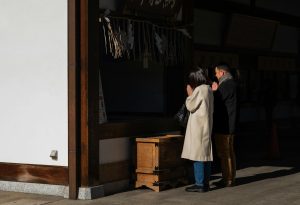
When two people sit together in silence in Japan—whether on a train, in a café, or during a slow walk through a garden—the moment is not considered empty. Instead, it can be seen as a form of intimacy, an acknowledgment that closeness does not always require words. The ability to share silence comfortably is often viewed as a sign that a relationship has reached a deeper stage.
This principle of Ma is visible in many aspects of Japanese aesthetics. In traditional arts such as tea ceremony, Noh theater, or even calligraphy, pauses and spaces are not accidents but deliberate elements that shape the experience. The beauty lies not just in the brushstroke, but in the blank space around it. Similarly, in human relationships, what is left unsaid can sometimes reveal more than what is spoken.
For Western women, encountering Ma in dating can feel both surprising and liberating. A Japanese man may not rush to compliment with words like “You’re beautiful” or “I want to be with you.” Instead, his affection may be conveyed in quieter ways: walking beside you on a cold night, waiting patiently as you choose a dish, or simply being present without distraction. The intimacy comes not from dramatic declarations but from the gentle presence within the silence.
This slow, quiet rhythm can teach a profound lesson: intimacy is not only built through expression, but also through the courage to leave space. When we allow for silence, we allow for depth. And in that depth, connection grows in ways that fast-paced words and actions often cannot achieve.
Everyday Intimacies in Japan
While Western cultures often highlight intimacy in grand gestures—a romantic getaway, a dramatic declaration, a carefully staged anniversary—Japanese intimacy frequently reveals itself in the small, everyday rituals of life. These are not dramatic moments, but quiet acts of care that slowly, almost invisibly, weave trust and closeness between people.
Sharing Food
One of the simplest yet most meaningful expressions of intimacy in Japan is the act of sharing food. At an izakaya (Japanese pub), dishes are ordered for the table, not just for one person. Everyone takes small portions, serving one another with care. Even at home, it is common to offer bites of a meal or divide a bento box. These small gestures communicate, I want you to enjoy what I enjoy. I want us to share this moment.
To a Western woman, this may feel deeply intimate—far more personal than ordering two separate entrées at a restaurant. Food becomes not only nourishment but also a language of connection.
Seasonal Greetings and Letters
Another subtle form of intimacy lies in Japan’s culture of greetings and written notes. A short seasonal message, even something as simple as “It’s getting cold, take care of your health,” carries a sense of thoughtfulness. In romantic contexts, handwritten letters still hold special value, not as a formality but as a sincere act of presence. Taking the time to put feelings into writing, even briefly, reflects the care of slow intimacy—where the focus is not on speed but on intention.
Gift-Giving and Omiyage
Japan also nurtures closeness through its gift-giving culture. Omiyage (souvenirs) are not grand luxuries but small tokens—local sweets from a trip, seasonal snacks, or even a carefully wrapped package of tea. What matters is not the size of the gift but the act itself: I thought of you while I was away. For Westerners accustomed to big gifts for major occasions, these humble, frequent tokens can feel refreshingly gentle, offering constant reminders of thoughtfulness.
Slow Intimacy in Daily Life
These practices—sharing meals, exchanging small gifts, writing notes—may seem ordinary. But in Japan, they accumulate quietly over time, forming the foundation of intimacy. Instead of asking for constant verbal affirmations, relationships are reinforced through layers of small actions.
For Western women, experiencing this can feel like a soft unveiling: love and closeness are not always loud or urgent, but can instead be cultivated in silence, in smallness, in daily gestures that make one feel cared for without words.
Romantic Relationships in Japan
When it comes to romance, Japan moves at a pace that can surprise Western women. The steps that define intimacy are not rushed, but carefully spaced, allowing both people to feel secure before moving forward. This slow rhythm contrasts sharply with the speed of Western dating culture, where physical closeness often comes quickly and verbal declarations are expected early.
The Slow Progression of Dating
In Japan, a relationship often begins with group outings—coworkers gathering for drinks, friends meeting at a festival, classmates sharing lunch. Over time, two people may spend more moments together, gradually narrowing the circle until one-on-one meetings feel natural. Even then, physical contact such as holding hands can take weeks, sometimes months.
There is also the unique custom of “Kokuhaku” (confession). Instead of drifting into a romantic relationship without words, as sometimes happens in the West, Japanese relationships often begin with one person directly confessing: “I like you. Will you go out with me?” This moment of clarity provides a strong foundation, even if the path to it has been slow.
Love Expressed Through Actions
For Westerners, affection is often communicated through words: “I love you,” “You’re amazing,” “I miss you.” In Japan, words of love are less frequently spoken. Instead, affection is shown through actions—walking someone to the station, carrying a heavy bag, cooking a favorite meal, or sending a small message to check in. These gestures are subtle, but they carry sincerity and reliability.
For a Western woman accustomed to verbal affirmation, this can feel unfamiliar at first—almost as if something is missing. But in time, many come to appreciate that love expressed in action is deeply stable, a kind of affection that does not need constant repetition to be trusted.
The Comfort of Patience
The deliberate pace of Japanese romance also creates a sense of emotional safety. Without the pressure to move quickly, partners have the space to truly understand each other before making deeper commitments. The absence of constant verbal proof allows intimacy to grow more organically.
Rather than feeling like a lack, this slowness can offer a profound gift: the reassurance that intimacy is not built on performance or urgency, but on the gentle rhythm of shared time.
For many Western women, this shift from speed to patience can feel like stepping into a new landscape of romance—one where love unfolds not in a rush, but in a steady, reassuring flow.
The Role of Seasons and Rituals
One of the most enchanting aspects of Japanese intimacy is how deeply it is intertwined with nature and seasonal rituals. While Western romance often emphasizes dramatic, individual moments—Valentine’s Day dinners, weekend getaways—Japanese closeness often grows in rhythm with the changing seasons. The natural cycle itself becomes part of the relationship, offering opportunities to deepen bonds in subtle, almost poetic ways.
Spring: Hanami (Cherry Blossom Viewing)
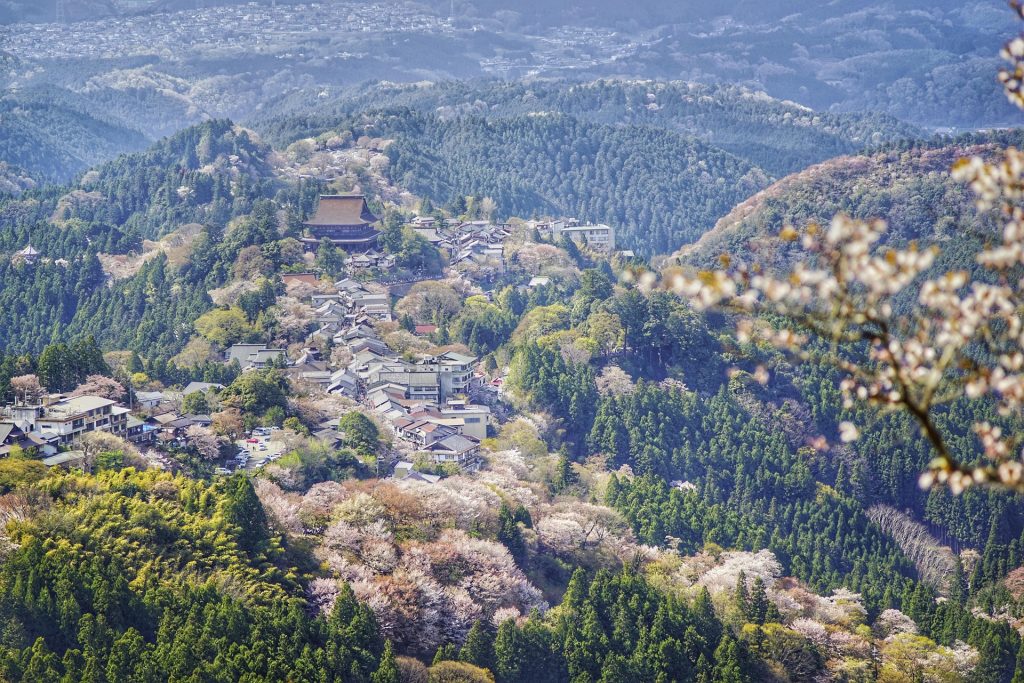
In spring, the arrival of cherry blossoms invites friends, families, and colleagues to gather under the trees for Hanami. These gatherings are often in groups, with shared food, drinks, and laughter. For two people beginning to grow closer, hanami provides the chance to experience intimacy within a safe, collective setting. The blossoms, fleeting and delicate, remind everyone of the beauty of impermanence—a theme that resonates in Japanese approaches to both love and life.
Summer: Festivals and Fireworks
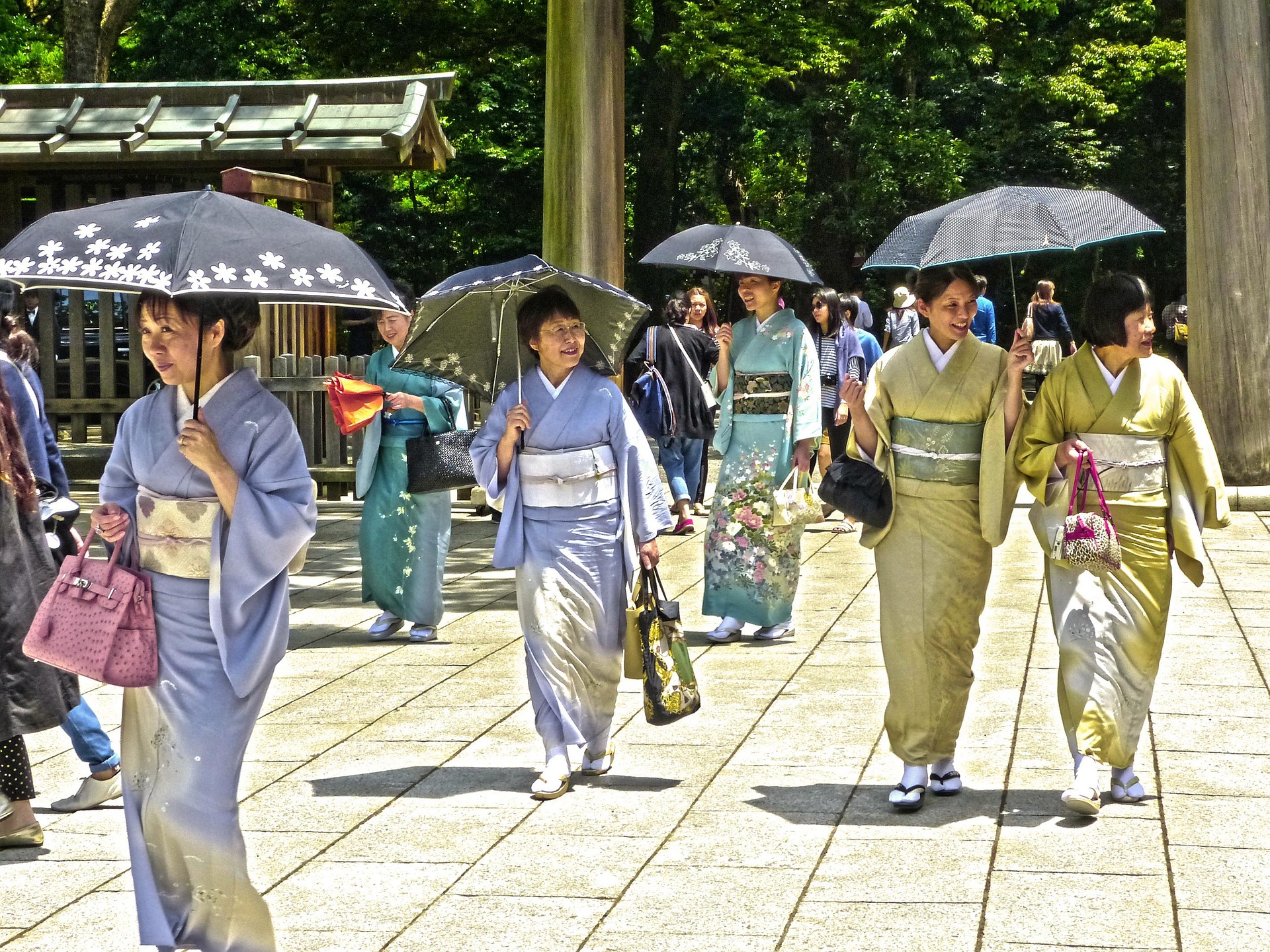
Summer in Japan is filled with Matsuri (festivals), where couples stroll in yukata (light summer kimono), enjoying street food and traditional games. As night falls, fireworks light up the sky—hanabi, literally “flowers of fire.” To walk side by side in a festival crowd, to share a shaved ice on a hot night, to look up together at fireworks—these are not grand, dramatic gestures, but quiet rituals that allow intimacy to bloom naturally in shared joy.
Autumn: Momijigari (Autumn Leaf Viewing)
In autumn, couples may take quiet walks through parks or temples to enjoy the fiery beauty of Momiji (maple leaves). Unlike the lively gatherings of summer, autumn intimacy is more contemplative. Side by side, with fewer words, partners share the stillness of nature. This experience mirrors the Japanese view that intimacy does not always need to be verbalized—it can be silently felt in the presence of another person, just as the beauty of the season is silently admired.
Winter: Nabe and Warmth
Winter brings cold nights, and with them, the tradition of Nabe (hot pot). Sitting together around a steaming pot, cooking ingredients at the table, and serving each other creates an atmosphere of warmth and cooperation. The very act of sharing one pot reinforces the sense of togetherness. Unlike a Western candlelight dinner, which emphasizes romance in isolation, nabe intimacy is about shared effort and shared comfort—a closeness that grows naturally from ordinary acts.
Seasons as a Slow Rhythm of Intimacy
Through these seasonal rituals, Japanese relationships follow a rhythm that is neither hurried nor forced. Intimacy grows not through bold declarations, but through the quiet accumulation of shared seasonal experiences. Nature, in its cycles, becomes both a backdrop and a teacher—reminding us that love, like the seasons, unfolds in its own time.
For Western women, this connection between romance and seasonality can be a revelation. Instead of rushing toward milestones, one learns to savor the small, passing moments that, when woven together, create a lasting fabric of intimacy.
Comparisons with the West
To fully understand the unique flavor of Japanese intimacy, it helps to see it in contrast with the Western approach to romance. Both cultures carry beauty, but they operate on different rhythms—one fast, expressive, and dramatic; the other slow, understated, and quietly enduring.
The Western Pursuit of Passion
In many Western cultures, romance is often framed as a passionate pursuit. Dating apps emphasize instant attraction: a match, a message, a date, and sometimes even intimacy, all within days. Love is often measured in grand gestures—roses on Valentine’s Day, surprise weekend trips, or bold public declarations of affection.
Verbal affirmation also plays a central role. Western couples often express their love through constant verbal reassurance: “I love you,” “You’re beautiful,” “I miss you.” This creates a sense of intensity and clarity but also carries the risk of burning brightly—and sometimes fading quickly.
The Japanese Embrace of Subtlety
In contrast, Japanese intimacy often looks quieter from the outside. Instead of large displays, it emphasizes consistency and subtle care. A partner walking you to the train station every night, preparing your favorite tea, or remembering your small preferences—these understated acts speak volumes.
The Japanese practice of “reading the air” (Kuuki wo yomu) also plays a role. Instead of rushing into declarations, people wait, observe, and sense whether the relationship is naturally deepening. This patience allows intimacy to grow slowly, with less pressure and more space for emotional safety.
Drama vs. Steadiness
Western romance often carries dramatic highs and lows: whirlwind courtships, intense arguments, grand reconciliations. This can be thrilling, but it may also leave some feeling exhausted. Japanese intimacy, by contrast, tends to avoid extremes. Its steadiness may feel less exciting at first, but in time, it can provide a deeper sense of comfort and trust.
For a Western woman accustomed to the excitement of immediate attraction and verbal affirmation, Japanese romance can feel unfamiliar—even puzzling. Yet, many who experience it come to recognize the strength of a love that grows slowly, silently, and reliably.
Bridging the Two Worlds
Neither approach is inherently better; both reflect cultural values. Western passion celebrates individuality, clarity, and boldness. Japanese intimacy honors patience, silence, and attentiveness. Together, they reveal two ways of loving: one like fire—bright, hot, consuming; the other like water—gentle, steady, and shaping over time.
For those who live between these worlds, the invitation is to find balance: to embrace the expressive warmth of Western passion while also learning the quiet patience of Japanese intimacy.
Practical Applications for the Reader
Cultural insights are meaningful only if they can be lived. While you may not move to Japan tomorrow, you can begin weaving elements of Japanese slow intimacy into your everyday relationships. These practices are not about copying rituals exactly but about capturing their spirit—patience, subtlety, and attentiveness.
Do Not Fear Silence
In Western conversations, silence is often awkward. But in Japan, silence can be a sign of comfort, allowing space for reflection. Try resisting the urge to fill every pause. Allow moments of quiet when speaking with a friend or partner—it can make the connection feel deeper and more grounded.
Share Small Rituals of Care
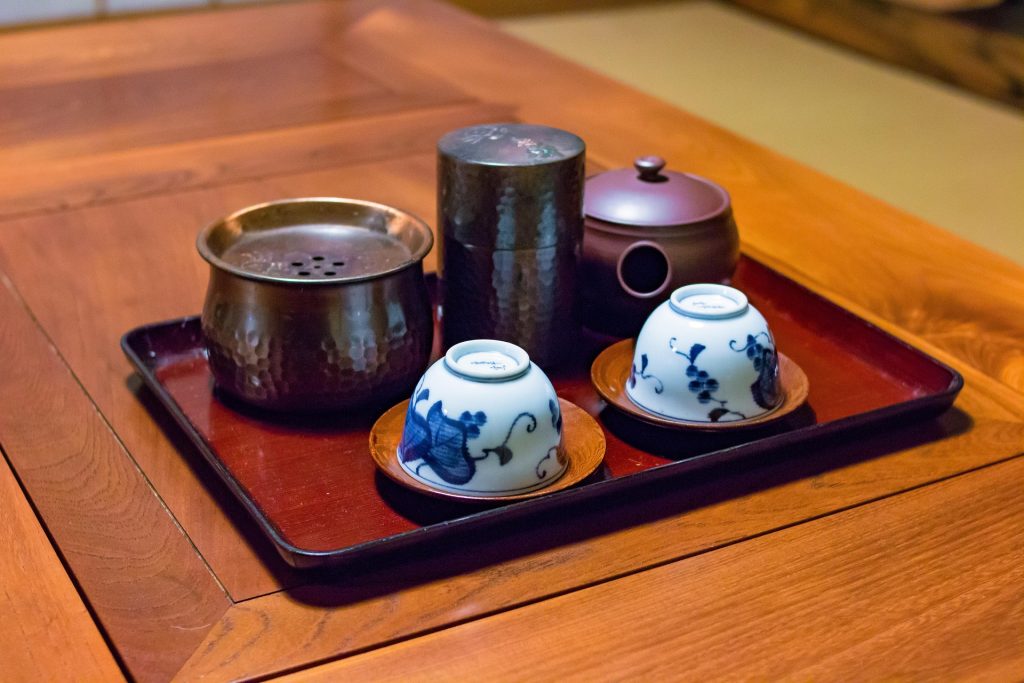
Instead of relying solely on grand gestures, practice intimacy through small, consistent actions. This might mean preparing a cup of tea for someone, writing a short handwritten note, or remembering and honoring their personal preferences. In time, these subtle acts communicate devotion more powerfully than dramatic statements.
Embrace Group and Shared Experiences
Japanese intimacy often begins in group settings—hanami under the cherry blossoms, festivals, or casual dinners with friends. You can bring this principle into your own life by inviting someone to join in community activities or shared rituals. Relationships often grow more naturally when nurtured in collective spaces rather than in isolated, high-pressure encounters.
Give Gifts Thoughtfully, Not Lavishly
In Japan, Omiyage (souvenir gifts) and small tokens of appreciation are integral to building closeness. The gift does not need to be expensive; its meaning lies in the thought. You might bring back a snack from a trip, leave a handwritten message, or surprise a colleague with a small token of thanks. The key is intentionality rather than extravagance.
Let Time Be Your Ally
Perhaps the most important lesson is to stop rushing intimacy. In the West, relationships are often expected to “progress” quickly—exclusive after a few dates, living together within a year, marriage shortly after. In Japanese culture, intimacy often develops over months, sometimes years, without being rushed by milestones. You, too, can choose to allow relationships to unfold at their own pace.
Learn to See Depth in the Ordinary
Instead of waiting for special occasions to express closeness, begin noticing the intimacy in ordinary life: walking together, cooking together, watching the seasons change side by side. By finding beauty in the everyday, you practice the same philosophy that allows Japanese intimacy to feel enduring and natural.
By embracing these practices, you are not merely “borrowing” from Japanese culture—you are expanding your own understanding of what intimacy can be. The Western approach celebrates passion and boldness, while the Japanese approach treasures patience and subtlety. When combined, they can create a richer, more balanced way of connecting with others.
Closing Reflection : The Slow Intimacy of Japanese Culture
That evening in the Tokyo izakaya, she had expected sparks—the kind of sudden, fiery chemistry that Western dating culture promises. Instead, what she found was something gentler, quieter. A man who listened without rushing to fill every silence, who remembered her favorite dish from the last time they met, who walked her to the station without asking for more.
At first, she wondered: Was this slowness a lack of interest? But over time, she began to sense its deeper truth. Intimacy here was not a race; it was a garden, cultivated little by little, watered by patience, shaded by attentiveness, and warmed by presence.
When she looked back, she realized that the connection had grown not through grand gestures or passionate declarations, but through shared meals, soft laughter, quiet silences, and the unspoken assurance that he would be there again tomorrow. It was intimacy that deepened with time, not one that demanded immediate proof.
This is the quiet lesson of Japanese culture: that true closeness is not built in haste, nor shouted into existence. It is nurtured in pauses, in rituals, in the gentle rhythm of shared life.
At QuietTether, we believe that intimacy, like beauty, is not bound by urgency. It thrives in the spaces where we allow ourselves to slow down, to listen, and to simply be with another.
Because the deepest connections are not the loudest, nor the fastest—they are the ones that endure, quietly tethered by time.