Opening Story: Discovering a Different Measure of Life
The morning rush in New York City is unlike anything else in the world. The streets pulse with urgency—the sharp click of heels against pavement, the constant hum of conversation, the impatient honking of taxis, and the glowing screens of phones that never rest. Everyone seems to be chasing something, their eyes darting between emails, subway arrivals, and meetings that begin before the coffee has even cooled.
For years, Emily, a thirty-eight-year-old marketing executive, thrived in this rhythm. She loved the feeling of being indispensable, of being the one people called at midnight to “fix the campaign” or “save the account.” Her life was a cycle of deadlines, promotions, and networking events where every conversation seemed to carry hidden calculations: What can you offer me? How can I get ahead? Success was not just a goal—it was a survival mechanism.
But as she sat in her glass-walled office overlooking Manhattan one late evening, Emily caught her reflection. The faint lines at the corners of her eyes, the dull ache in her shoulders, and the quiet exhaustion in her smile told her a truth she had ignored for too long: she was winning by the world’s standards, but losing in her own life.
Months later, burned out and unable to find joy in what once energized her, Emily booked a trip to Japan. She had heard of Japan’s work culture—rigid hours, endless overtime—but she had also heard whispers of something different. Friends told her about quiet mountain villages, communal festivals, and a sense of time that seemed to flow slower, softer, and more human. She wanted to see if such a rhythm truly existed.
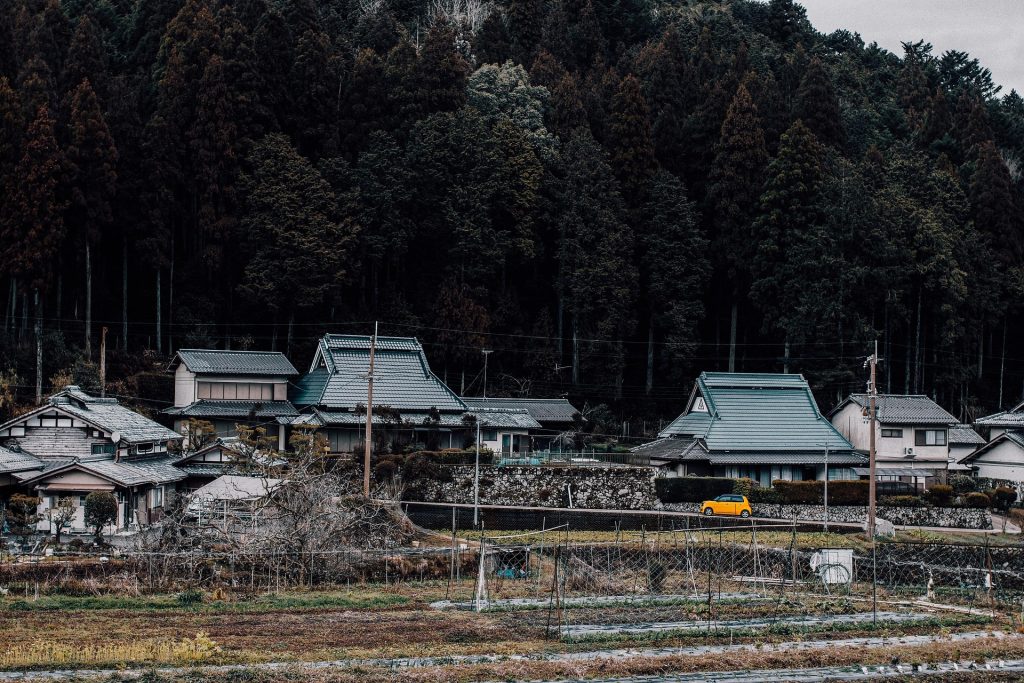
Her first few days were spent in Tokyo, where the pace still felt familiar—crowded trains, neon signs, and the unrelenting movement of a megacity. But then, one weekend, she boarded a local train bound for Nagano, a region of hot springs, mountains, and ancient temples. The train passed through rice fields shimmering in the late summer sun, and Emily felt her breath deepen for the first time in years.
Arriving in a small town, she wandered into a family-run inn where the owner, an elderly woman in her seventies, welcomed her not with the efficiency of a concierge but with the warmth of someone receiving a long-lost friend. That evening, Emily joined the other guests for dinner, sitting at a long wooden table where steaming dishes of vegetables, miso soup, and grilled fish were passed around. Nobody rushed. Conversation ebbed and flowed, and when silence came, it was not awkward—it was restful, like a deep inhale the whole room took together.
She noticed how people waited before speaking, how they listened without interrupting, and how even the act of pouring tea for someone else carried a quiet reverence. There were no boasts about promotions, no subtle competitions about who was busiest or most successful. Instead, there was an unspoken harmony, a sense that life was measured not by victory but by balance.
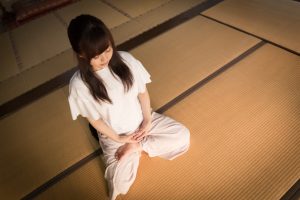
As Emily walked back to her tatami room that night, she thought: What if the goal of life isn’t to stand tallest, but to stand together?
That single question stayed with her long after her return flight, becoming a quiet compass in her heart. It was in Japan that she discovered a different measure of life—one not driven by success at all costs, but by harmony with oneself, with others, and with the world.
The Western Pursuit of Success
In much of the Western world, success is defined by outward achievement. It is measured in numbers—salary, promotions, awards, followers, square footage of one’s home, or even the number of steps on the corporate ladder one has climbed. From early childhood, many are taught to pursue, compete, and achieve. “You can be anything you want,” children hear—but often what is implied is, as long as you are the best at it.
Success as Identity
For professionals in New York, London, or Paris, identity and worth are tightly bound to work. A person is often introduced not as “Maria, who loves painting and spends time with her family,” but as “Maria, an executive at Goldman Sachs.” Occupation becomes the primary definition of self, and career advancement the unspoken expectation of life.
The Western narrative of success is seductive. It promises happiness, security, and admiration if only one works harder, achieves more, and never stops moving forward. Yet, beneath this glittering promise lies a subtle trap: the more one achieves, the higher the bar is raised. Today’s promotion becomes tomorrow’s baseline. What once felt like victory quickly fades into a relentless demand for the next one.
Media and the Culture of Comparison
Television, social media, and advertising intensify this cycle. Success is not only about one’s own progress but also about comparison. Instagram shows vacations in Bali, LinkedIn showcases endless job promotions, and magazines spotlight the “30 Under 30” achievers. A quiet dinner at home may bring contentment, but scroll through social media, and suddenly it feels inadequate.
In this culture, rest can feel like failure. Taking a weekend to slow down is often seen not as rejuvenation but as lost productivity. This mindset bleeds into relationships as well, where even personal milestones are timed and measured: When will you marry? When will you buy a home? When will you have children? Success is not only a career ideal but a social script.
The Pressure to Win
Education plays a role, too. In Western schools, competition is embedded into the very structure—grades, rankings, sports, scholarships. From adolescence, the idea is drilled in: life is a race, and there are winners and losers. This early conditioning often grows into professional life, where the corporate hierarchy mirrors the same system—where a select few rise while many are left scrambling to “catch up.”
Success and Burnout
But there is a cost. Burnout has become a defining feature of the Western pursuit of success. Studies show alarming rates of stress-related illnesses, depression, and exhaustion among high-achieving professionals. The body cannot sustain a life lived in constant acceleration. The mind cannot flourish when every moment is weighed against productivity.
For many, success becomes bittersweet: the promotion arrives, but so does anxiety. The new home is purchased, but so is loneliness. The admiration of peers is gained, but at the cost of one’s health, family, or peace of mind.
Emily’s reflection in her Manhattan office—the fatigue etched into her face despite her accomplishments—is not an isolated story. It is the quiet reality of millions who outwardly “win” but inwardly wonder: Is this all there is?
The Japanese Concept of Harmony (Wa, 和)
If the West often frames life as a race, Japan frames it as a dance—one in which the steps are not about outpacing the other dancers but about moving together in rhythm. At the heart of this lies a concept central to Japanese life and identity: wa (和), often translated as “harmony.”
What is Wa?
The character 和 appears throughout Japanese culture. It is in 和食 (washoku, Japanese cuisine), 和服 (wafuku, traditional clothing), 和室 (washitsu, tatami-style rooms), and even in the word for Japan itself, 和国 (wakoku). This is no accident. The character represents not just a style but a worldview—one in which balance, cooperation, and gentle integration are more valued than assertion or dominance.
Wa does not mean the erasure of individuality. Rather, it is the belief that individuality finds its most meaningful expression when it exists in balance with the collective. A person is not diminished by considering others; instead, they are enriched by being part of a whole that functions smoothly, peacefully, and respectfully.
Harmony as a Social Glue
In daily life, wa often manifests as sensitivity to context and a quiet respect for others. A Japanese commuter will avoid speaking loudly on a train, not because a rule enforces silence, but because an unspoken awareness of shared space dictates it. In offices, rather than heated debates, decisions are often made through careful consensus-building—sometimes slow, but designed to maintain group trust.
This cultural emphasis on harmony is also reflected in language. Japanese has multiple levels of politeness, allowing speakers to choose words that fit the social balance of the moment. Even disagreements are softened through phrases that preserve dignity: instead of a blunt “You’re wrong,” one might hear “Perhaps there is another way to see it.”
Wa as Emotional Security
For outsiders, wa can sometimes be mistaken as suppression, as if people are hiding their true selves for the sake of appearances. But from within, many Japanese experience it differently: as a source of security. To belong to a group where one’s feelings are considered—even if not always spoken aloud—creates a sense of trust. The unspoken bond of wa offers reassurance: I am not alone; I am moving in step with others.
This is not about conformity for its own sake, but about a shared understanding that peace in relationships is often more nourishing than being “right” or “winning.” In a culture that values wa, the question is less “How can I stand out?” and more “How can we move forward together?”
Harmony in Contrast to Success
Seen through Western eyes, wa can appear passive, even frustrating. Where is the passion? The individuality? The bold voice? Yet for many Japanese, harmony is not weakness—it is strength. It is the quiet strength that allows communities to endure disasters, families to support one another without words, and workplaces to function without collapsing under rivalry.
While Western success often creates winners and losers, wa seeks to create a situation in which no one must lose in order for others to win. In this sense, harmony is not the opposite of success but a redefinition of it: success is not measured by how far one rises above others, but by how well one sustains balance with them.
Everyday Expressions of Harmony in Japan
Harmony in Japan is not confined to philosophy or lofty ideals—it is lived and practiced in the smallest of gestures, woven into the fabric of daily interactions. While in the West, relationships often pivot on explicit words and clear declarations, in Japan, intimacy and cooperation are nurtured through understated signals and unspoken agreements.
Reading the Atmosphere: Kuuki wo Yomu
One of the most telling expressions of harmony in practice is the phrase Kuuki wo yomu—literally, “reading the air.” It means perceiving the mood, context, and unspoken needs of a group without them having to be verbalized.
In a workplace meeting, for example, someone might notice a colleague hesitating to speak and gently offer them a chance to contribute. At a dinner gathering, people pour drinks for each other instead of themselves, signaling attentiveness to others’ needs. This ability to anticipate and adapt is not seen as servitude, but as emotional intelligence—an awareness that true comfort comes when everyone feels considered.
Cooperation in Work and Community
In Japanese offices, decisions are rarely made through head-to-head debates. Instead, consensus (nemawashi, literally “laying the roots”) is carefully cultivated through informal discussions before a formal decision is announced. This process may be slower, but it minimizes open conflict and ensures that all voices are acknowledged.
In communities, neighborhood associations (Chōnaikai or Jichikai) play a significant role. Residents collaborate to keep streets clean, organize festivals, and support one another during emergencies. Such collective responsibility may feel unusual for Western readers accustomed to individualism, yet it creates a safety net of belonging. Harmony here is not abstract—it is sidewalks swept, lanterns hung, and rice balls shared during times of crisis.
Harmony in Manners and Gestures
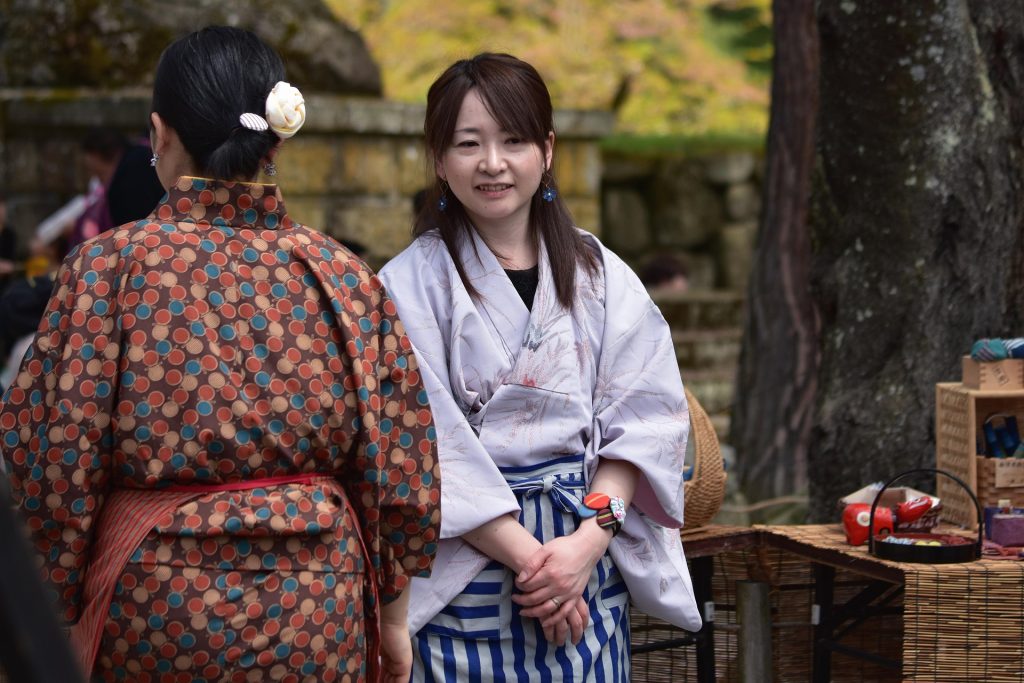
Even in etiquette, harmony shapes behavior. Bowing, for instance, is not just a formality but an embodied acknowledgment of respect and equality. Removing shoes before entering a home is less about cleanliness than about honoring shared space. Silence at appropriate moments—such as listening attentively when others speak—is not awkward but respectful, allowing space for thought.
Small courtesies extend to the flow of daily life: shop clerks bowing to customers, commuters lining up in orderly fashion, children taught to say itadakimasu before meals as an expression of gratitude. These rituals may seem routine, but they function as quiet reminders that life is not lived in isolation.
The Emotional Texture of Harmony
For a foreigner, these gestures may first feel rigid or overly formal. But over time, many come to see their deeper beauty: they reduce friction, invite mindfulness, and create a steady rhythm in relationships. When harmony is expressed through such small acts, life feels less like a series of confrontations and more like a carefully balanced dance.
This does not mean there is no tension—Japanese society, like any other, has conflicts and disagreements. But the cultural emphasis on wa equips people with tools to soften sharp edges and restore equilibrium. It is not that storms never come, but that the community values building an umbrella together rather than waiting to see who gets wet.
The Costs and Benefits of Harmony
Every cultural value carries with it both light and shadow. While Harmony (Wa) enriches Japanese life with stability, respect, and connection, it can also pose challenges—especially for individuals who seek personal freedom or bold self-expression. Understanding both sides of harmony allows us to appreciate its depth and complexity, rather than romanticizing it as an unblemished ideal.
The Benefits: Stability and Belonging
Emotional Stability
When harmony is valued, conflict is less likely to erupt into open hostility. In families, workplaces, and friendships, people learn to compromise, to listen between the lines, and to soften disagreements. This fosters an emotional climate where people can feel safe—an environment that lowers stress and promotes longevity. It is no coincidence that Japan consistently ranks high in life expectancy.
Sustainable Relationships
Relationships built on harmony are not dependent on constant excitement or dramatic gestures. Instead, they rely on mutual care and subtle acts of consideration. A husband may not declare his love daily, but he wakes up early to prepare breakfast for his wife. A colleague may not compete for the spotlight, but ensures the team’s success by quietly finishing essential tasks. These small, consistent acts of support create bonds that endure.
A Sense of Community
Harmony shifts the focus from “I” to “we.” In times of natural disaster, Japanese communities often demonstrate remarkable solidarity. After earthquakes or typhoons, neighbors distribute supplies, check on the elderly, and rebuild together. This collective response arises not from government orders, but from a deep cultural instinct: the wellbeing of one is tied to the wellbeing of all.
The Costs: Restraint and Pressure
Suppression of Individual Desire
To preserve group harmony, individuals sometimes silence their opinions or ambitions. A young employee with bold ideas might hesitate to challenge a senior colleague, fearing it would disrupt consensus. A woman may avoid voicing dissatisfaction in her marriage to maintain peace. While this prevents overt conflict, it can also breed quiet frustration or unfulfilled potential.
The Weight of Conformity
Harmony can subtly pressure people to conform to expectations. From dress codes in schools to unspoken rules in workplaces, stepping outside the norm may invite criticism. For some, this feels like safety; for others, suffocation. The Japanese proverb deru kugi wa utareru (“the nail that sticks out gets hammered down”) captures this tension vividly.
Emotional Ambiguity
Because conflict is often avoided, clarity may be sacrificed. A foreigner dating in Japan might feel confused when their partner avoids direct answers, leaving feelings ambiguous. In business, decisions may take longer as consensus is carefully built. While this patience has benefits, it can also frustrate those used to straightforward communication.
A Delicate Balance
The key to understanding harmony is to see it not as blind conformity, but as a negotiation. It is a cultural attempt to balance the needs of the individual with the needs of the group. In Japan, the pendulum often swings toward the group, whereas in the West it leans toward the individual. Neither approach is perfect, but both hold wisdom.
For those weary of the Western rat race, harmony offers a refuge: a slower, kinder rhythm of life. For those raised in harmony, Western individualism may feel liberating. What matters is not choosing one over the other, but learning to see their interplay—and perhaps, to borrow from both.
Harmony vs. Success — A False Choice?
To the Western mind, harmony and success often appear as competing values. One suggests compromise, gentleness, and patience; the other implies ambition, drive, and the pursuit of victory. In boardrooms and self-help books alike, the message is clear: success requires sacrifice, and harmony can look like complacency. But in Japan, these values are not seen as opposites. Instead, harmony can serve as the very foundation for sustainable success.
The Western Assumption: To Win, You Must Compete
In much of the Western world, success is framed as a zero-sum game. If one person climbs higher, others are left behind. Sports metaphors dominate business language: “crushing the competition,” “scoring big,” “outperforming rivals.” The drive for achievement pushes individuals to work harder, but it also breeds exhaustion and anxiety. Success is measured in immediate results—profits this quarter, promotions this year, milestones before 40.
Against this backdrop, harmony may seem like weakness: slowing down, compromising, or giving up the chase. But this interpretation overlooks the possibility that harmony creates the stability from which true success can grow.
The Japanese Lens: Success Through Harmony
Long-Term Vision Over Short-Term Gains
Japanese companies often prioritize sustainable relationships with partners and customers rather than chasing quick profits. The keiretsu (business group networks) of postwar Japan thrived not through cutthroat competition, but through interdependence. By cultivating trust and loyalty, they ensured stability that allowed innovation and growth to unfold over decades.
Collective Success as Personal Achievement
In workplaces, success is not always measured by individual brilliance but by the team’s cohesion. A manager who quietly nurtures harmony among colleagues may not appear flashy, but their leadership produces results: fewer conflicts, smoother communication, and a stronger collective output. In this way, harmony becomes an invisible driver of achievement.
Resilience Through Connection
Success is not just about reaching a goal but about sustaining it. When crises strike—economic downturns, natural disasters, or global pandemics—communities that value harmony adapt more gracefully. They pool resources, protect the vulnerable, and rebuild together. In such contexts, success is not “winning” but “surviving well,” something harmony makes possible.
Redefining Success Beyond the Self
The assumption that harmony and success are opposites reflects a limited definition of success. If success means outshining others, then yes, harmony may appear as a hindrance. But if success is redefined as living well, sustainably, and with others, harmony is not the enemy but the ally.
Consider a life where professional achievements are matched by strong relationships, emotional balance, and a sense of belonging. This is not the fleeting glory of being “number one,” but the steady satisfaction of being part of something enduring. Japanese culture suggests that this kind of fulfillment is a more meaningful form of success.
Harmony as a Strategy, Not a Compromise
Harmony, then, is not a retreat from success but a strategy for achieving it differently. It does not reject ambition but tempers it with empathy, patience, and perspective. It asks: what good is triumph if it comes at the cost of broken communities, strained families, and personal burnout?
For those caught in the endless pursuit of “more,” Japanese wisdom offers a radical alternative: choose harmony, and success will follow—not in a dramatic burst, but in the quiet, lasting rhythm of a life well-lived.

Comparisons with the West
When viewed side by side, the Western pursuit of success and the Japanese emphasis on harmony illuminate not just cultural differences but contrasting philosophies of life. Both carry strengths, both carry weaknesses, and both reveal something about what it means to live well.
Work and Life Balance
In the United States and much of Western Europe, work is often framed as a battlefield. Long hours and constant availability are celebrated as signs of commitment. The average full-time American worker clocks around 1,770 hours per year, compared to 1,600 hours in Japan today (a sharp decline from the extreme overwork of the 1980s). Yet paradoxically, surveys show that many Americans feel more burnout and less community connection than their Japanese counterparts.
Why? Because even with Japan’s history of karōshi (death by overwork), the cultural expectation still places value on group stability and social cohesion. In contrast, Western models emphasize individual advancement, often leaving people isolated despite professional gains.
Measures of Happiness
International surveys reveal telling contrasts. In the World Happiness Report, Nordic countries rank highest, but Japan consistently scores above the United States in categories such as social support, trust in society, and life expectancy. While Americans often cite career achievements as key to life satisfaction, Japanese respondents highlight relationships, community belonging, and daily stability.
This suggests that harmony, even without dramatic “success stories,” provides a quiet but enduring form of happiness—less about soaring highs, more about balanced contentment.
Success Narratives in Media
Western media idolizes the self-made hero: the entrepreneur who disrupts industries, the athlete who dominates competition, the celebrity who “makes it big.” Narratives center on overcoming others. Japanese media, however, frequently celebrates team victories, perseverance, and collective spirit. Sports anime and dramas rarely glorify individual genius alone; they emphasize the growth of the group, the bonds forged in the process, and the dignity of steady effort.
This divergence in storytelling reveals the underlying cultural emphasis: in the West, the spotlight shines on the individual achiever; in Japan, on the harmony of the ensemble.
Conflict Resolution
In Western workplaces, confrontation is often seen as necessary for progress—debates, arguments, and open challenges are encouraged as paths to truth. In Japan, by contrast, open conflict is often avoided, with subtle negotiations, silence, and indirect communication smoothing the path forward. While Westerners may view this as avoidance, Japanese colleagues see it as a way of protecting relationships and maintaining a functional whole.
Neither approach is inherently superior. The Western model can drive innovation through vigorous debate, but it can also fracture teams. The Japanese model preserves bonds and ensures long-term stability, but risks suppressing necessary change.
Individual vs. Collective Success
The Western concept of success often boils down to “How far did I go?” In Japan, the question is closer to “How well are we doing together?” This distinction shifts not only goals but also behaviors. A Western worker might push for a promotion even at the cost of group friction. A Japanese worker might forgo personal advancement to maintain team stability.
Critically, this does not mean one culture lacks ambition or the other lacks compassion. It means each culture frames ambition differently: the West channels it toward individual breakthroughs, Japan toward collective continuity.
Toward a Hybrid Perspective
For Western readers, recognizing these contrasts is not an invitation to abandon ambition, but an opportunity to integrate balance. What if success could be measured not only by milestones achieved but also by harmony maintained along the way? What if, instead of rushing toward singular victories, we sought sustainable progress that nourishes both the self and the group?
The Japanese example does not dismiss success—it simply redefines it in a way that tempers its costs.
Practical Applications for the Reader
The Japanese approach to harmony may seem deeply cultural, but its essence can be adopted anywhere in the world. You do not need to move to Kyoto or join a traditional tea ceremony to experience the quiet stability of wa. What matters is cultivating small, daily practices that shift your focus from constant competition to enduring connection.
Choose Cooperation Over Rivalry at Work
In Western offices, competition is often disguised as motivation. Yet you can actively reframe your interactions by prioritizing cooperation. Instead of asking, “How do I get ahead of my colleague?” try asking, “How can we succeed together?” Offer support, share credit openly, and create space for others’ contributions. By doing so, you reduce tension while increasing collective performance.
Redefine Success in Your Personal Life
Ask yourself: What does success mean for me beyond promotions, pay raises, or recognition? It might be having dinner with loved ones without distraction, being present during a walk in the park, or maintaining a consistent rhythm of rest and work. Start tracking your life not only by external achievements but by moments of peace and harmony.
Practice Small Acts of Consideration
Harmony is built through micro-gestures. In Japan, offering a seat, remembering to bring a small gift (omiyage), or even adjusting your schedule for group balance carries enormous weight. You can replicate this by leaving a thoughtful note for a friend, cooking a meal to share, or pausing to genuinely listen without interrupting. These small acts accumulate into profound trust.
Honor Rhythm and Seasonality
Japanese culture teaches that harmony flows with the natural rhythm of life. You can mirror this by embracing seasonal rituals: celebrate autumn with an outdoor gathering, host a winter meal that warms the community, or simply notice the transitions in your environment. Allow your own schedule to ebb and flow instead of running at full speed year-round.
Create Silence in Conversations
In the West, silence can feel uncomfortable. Yet in Japan, silence is often considered a form of respect and reflection. Practice pausing during conversations—let others finish without rushing in, and allow moments of quiet between topics. This subtle shift signals patience, attentiveness, and care.
Shift Focus from Short-Term Wins to Long-Term Balance
Ambition does not need to disappear; it simply needs reorientation. Instead of chasing every promotion or accolade immediately, ask: “Will this path allow me to sustain joy and health for decades?” Japanese harmony reminds us that slow, steady growth is not the opposite of success—it is its foundation.
Build Communities, Not Just Networks
Networking often reduces relationships to transactions. Harmony, however, emphasizes genuine bonds. Instead of collecting contacts, invest in a few key relationships. Organize a community meal, support neighbors, or create small rituals of togetherness. These actions generate stability that success alone cannot provide.
A Gentle Reminder
Adopting harmony is not about abandoning your Western ambition, but about softening its edges. It means recognizing that the way forward need not always be fast, loud, or individualistic. Sometimes the most radical act is to choose peace over competition, to choose balance over burnout.
Closing Reflection: Returning to Balance
When she first boarded the plane from New York to Japan, the woman in our opening story carried more than a suitcase—she carried exhaustion. Her life in the city had been defined by deadlines, promotions, and the relentless climb up a ladder that seemed to stretch into infinity. Success, as she had been taught, was measured in speed, competition, and visibility.
Yet in the quiet of a Japanese countryside morning, she noticed something different. Villagers did not rush to prove themselves. They moved in rhythm with the seasons, tending fields, sharing meals, and honoring rituals that emphasized connection over conquest. For the first time in years, she felt her heartbeat slow, as if her body itself recognized a more sustainable way of being.
This realization did not erase her ambitions—it transformed them. She began to understand that achievement without harmony is fragile, easily collapsing under its own weight. But when life is grounded in balance—with oneself, with others, with nature—success becomes more enduring, more meaningful.
And so she returned home not with a rejection of success, but with a new compass. Instead of chasing victory at any cost, she would measure her life by how deeply she lived in harmony.
At QuietTether, we believe this is the essence of fulfillment. True fulfillment comes not from constant victory, but from living in harmony—with ourselves, with others, and with the world around us.