
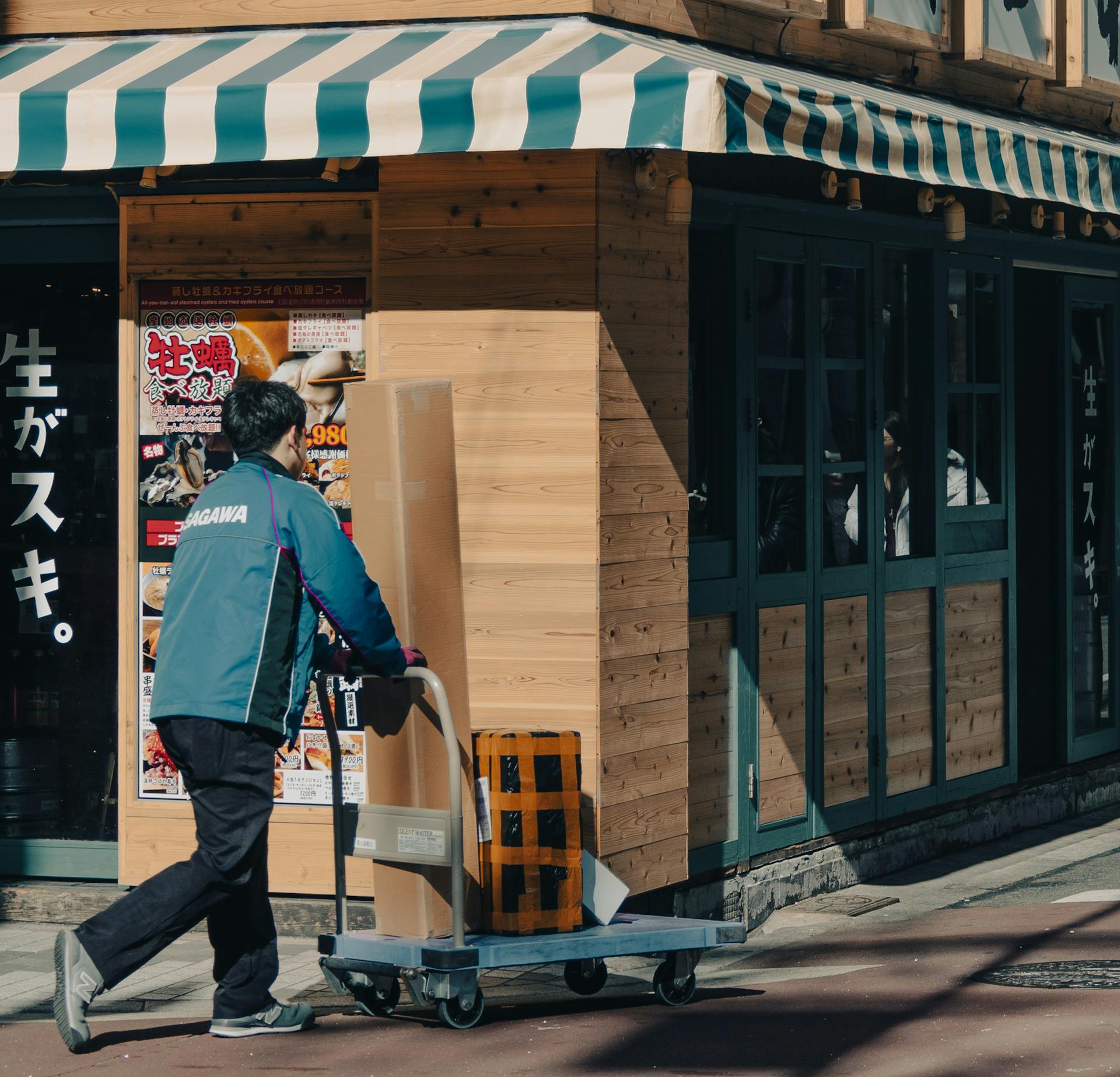
Opening Story: A Quiet Gesture of Care
When Emily, an American woman, first came to Japan, she expected love to be declared with words—the way it often is back home. “I love you” or “You mean everything to me” were phrases she was used to hearing in relationships. But living with her Japanese partner, she noticed something different: the love she saw was quieter, more subtle, yet no less powerful.
One morning, she woke up to find breakfast already prepared: miso soup, rice, and grilled fish neatly arranged on the table. He didn’t say a word about it; he simply placed the dishes where they belonged and gave her a small nod. Another time, during a rainy day, he quietly carried her umbrella and her bag without asking. She noticed how he would check if she had eaten, adjust the room temperature, or make sure her commute went smoothly. There were no grand declarations of affection, but every action spoke volumes.
At first, Emily felt a pang of uncertainty. Was he distant, or did he not feel deeply? But as days turned into months, she began to understand: each small gesture was a deliberate act of care, a demonstration of love that did not require words. In Japan, love often lives in the details, in attentiveness, and in the unspoken understanding between two people.
By observing these quiet acts, Emily realized that Japanese men’s way of showing love wasn’t cold or reserved—it was thoughtful, consistent, and deeply considerate. In a society where harmony and attentiveness are highly valued, love is lived rather than loudly proclaimed.
Cultural Roots of Reserved Expression
The Japanese approach to love and communication is deeply rooted in history and social structure. During the Edo period and in traditional agricultural communities, emotional restraint was considered a virtue. Open displays of feeling were often seen as unnecessary or even disruptive to harmony within the family or community.
In this context, a man’s love was expressed not through words but through responsibility and action. Providing for the family, ensuring stability, and attending to practical needs were understood as the truest forms of care. Showing emotion openly was secondary to maintaining harmony (wa) and avoiding conflict. This cultural emphasis on quiet responsibility naturally extended to romantic relationships.
Even today, these traditions influence modern Japanese men. Their reserved demeanor is rarely about coldness or indifference—it reflects a deep-seated desire to protect, respect, and support their partner. The silent gestures—preparing a meal, carrying heavy items, or anticipating needs without being asked—demonstrate attentiveness that words alone may never capture.
Importantly, contemporary Japanese society has evolved. With greater gender equality and more collaborative partnerships, men are no longer confined to the strict, hierarchical roles of the past. Modern Japanese men combine this cultural heritage of quiet care with a more cooperative, egalitarian approach, showing love through considerate actions while respecting their partner as an equal.
Everyday Acts of Love
In Japan, love is often expressed in subtle, everyday actions rather than grand declarations. These small gestures, though quiet, carry profound meaning and reflect genuine care.
One common expression of love is helping with household tasks. A man might quietly do the dishes, prepare breakfast, or tidy up shared spaces without announcing his efforts. These acts reduce his partner’s burden and communicate attentiveness and support.
Thoughtful gestures are also key. Bringing home a favorite snack, leaving a note of encouragement, or noticing when a partner needs rest all convey affection without words. Even small acts, such as adjusting the room temperature or offering a warm drink when someone is tired, become meaningful demonstrations of love.
During times of illness or stress, Japanese men often show care through practical help. They may quietly fetch medicine, prepare comforting meals, or handle daily chores, ensuring their partner’s comfort. These actions may seem ordinary, but they signal deep emotional involvement and concern.
In shared experiences, men often anticipate their partner’s needs. Carrying heavy luggage, opening doors, or planning a trip to minimize stress demonstrates attentiveness. These behaviors are not about dominance or control—they are conscious, caring choices designed to enhance the partner’s well-being.
Modern Japanese men have moved away from the traditional teishu kashaku (“husband-first”) mindset. Love today is less about authority and more about partnership. Through consistent, quiet acts, men show commitment, reliability, and respect, creating a foundation of trust and intimacy that words alone might never achieve.
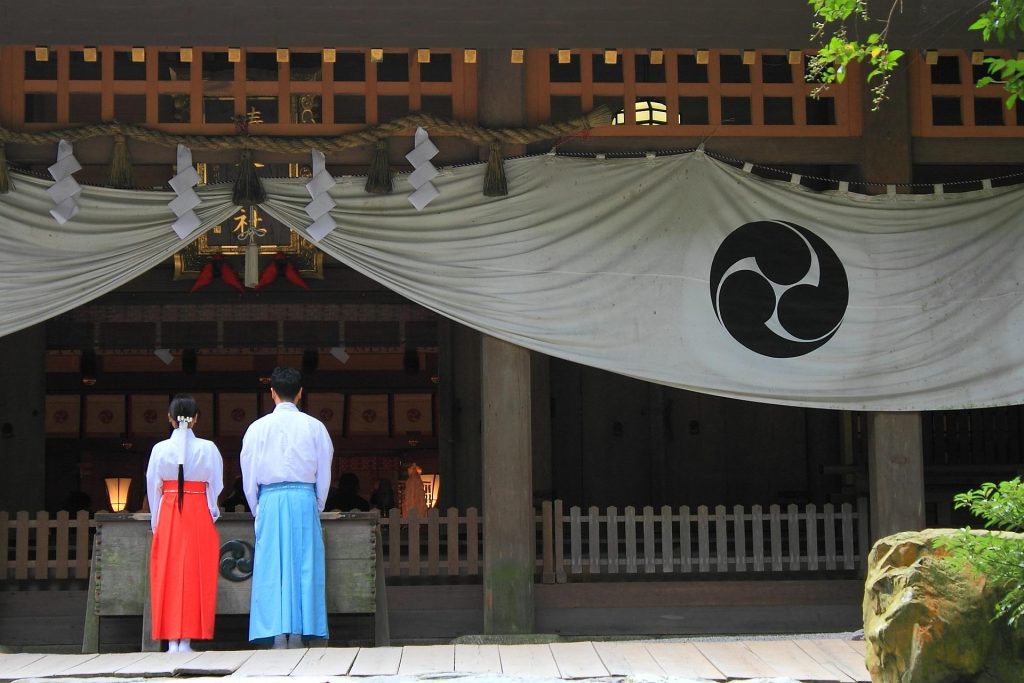
The Strength in Quiet Love
Love in Japan is often measured not by words, but by consistency, attentiveness, and thoughtful action. The quiet love demonstrated in daily life holds a unique strength—it builds trust and emotional security over time.
By prioritizing a partner’s comfort and well-being, Japanese men show affection in ways that are tangible yet unobtrusive. Preparing a favorite meal, making time for shared routines, or simply checking in on how the day went—these small gestures accumulate into a deep sense of connection.
This approach highlights the depth of intimacy that can exist without constant verbal affirmation. When a partner knows that their needs are anticipated and supported, it creates a profound sense of reassurance. The love is steady, reliable, and often more enduring than fleeting words or dramatic gestures.
Modern Japanese men express love through partnership rather than authority. They value cooperation, empathy, and shared responsibility, moving beyond the outdated teishu kashaku model. Quiet love reflects an understanding that relationships thrive on mutual respect and everyday attentiveness rather than overt declarations.
Ultimately, this silent form of affection can feel incredibly powerful. It shows that love does not always need to be loudly proclaimed—it can be lived and experienced through considerate actions, patience, and a commitment to the partner’s happiness.
Challenges for Foreign Partners
For many foreigners, particularly those from Western cultures, Japanese men’s understated expressions of love can initially feel puzzling or even disappointing. Accustomed to verbal affirmations—“I love you,” frequent compliments, or demonstrative gestures—foreign partners may interpret silence as emotional distance or indifference.
This misinterpretation is compounded by cultural differences in communication styles. Japanese men often rely on action rather than words, believing that meaningful care is shown through attention to daily needs and thoughtful gestures. From a Japanese perspective, constantly stating love verbally may feel unnecessary or even awkward, because love is embedded in consistent actions rather than spoken declarations.
This dynamic can create a communication gap. Foreign partners may feel uncertain whether their partner’s feelings are genuine, while Japanese men may feel unappreciated if their efforts go unnoticed. Misunderstandings may arise in moments of stress, illness, or conflict, when words could clarify intentions but are not offered.
Awareness and patience are key to bridging this gap. By paying attention to small acts—preparing meals, helping with errands, or quietly supporting emotional needs—foreign partners can learn to recognize the depth of love being expressed. Mutual understanding grows when both sides appreciate cultural differences and learn to value actions over words.
Accepting this silent yet steady approach to love allows foreign partners to experience a form of affection that is deeply reliable, intimate, and enduring, even if it is quieter than they may be accustomed to.
Comparisons with Western Expression of Love
In Western cultures, love is often expressed openly and verbally. Words like “I love you,” frequent compliments, and emotional displays are common ways to show affection. Physical gestures, such as hugs, kisses, and holding hands, reinforce these verbal affirmations. For many Westerners, transparency and verbal expression are key indicators of emotional sincerity.
In contrast, Japanese men tend to show love through thoughtful actions and daily attentiveness rather than words. Small, consistent gestures—preparing meals, anticipating needs, or quietly supporting a partner—convey deep affection. Love is measured in reliability and care rather than in declarations or dramatic expressions.
Historically, the “teishu-kabunaku” (traditional patriarchal husband) model emphasized authority and command, but this image has largely faded in modern Japan. Contemporary Japanese men increasingly embrace partnership and shared responsibilities, demonstrating love collaboratively rather than dominantly. Daily acts of care, empathy, and mutual respect have become the hallmarks of Japanese romantic relationships.
Understanding these differences can prevent misunderstandings in cross-cultural relationships. Where a Western partner might expect constant verbal affirmation, a Japanese man’s quiet attentiveness may be overlooked without context. Conversely, Japanese partners might perceive persistent verbal declarations as excessive or performative. Recognizing that love can be equally profound whether spoken or enacted helps bridge cultural gaps, allowing both partners to appreciate each other’s expressions of affection.
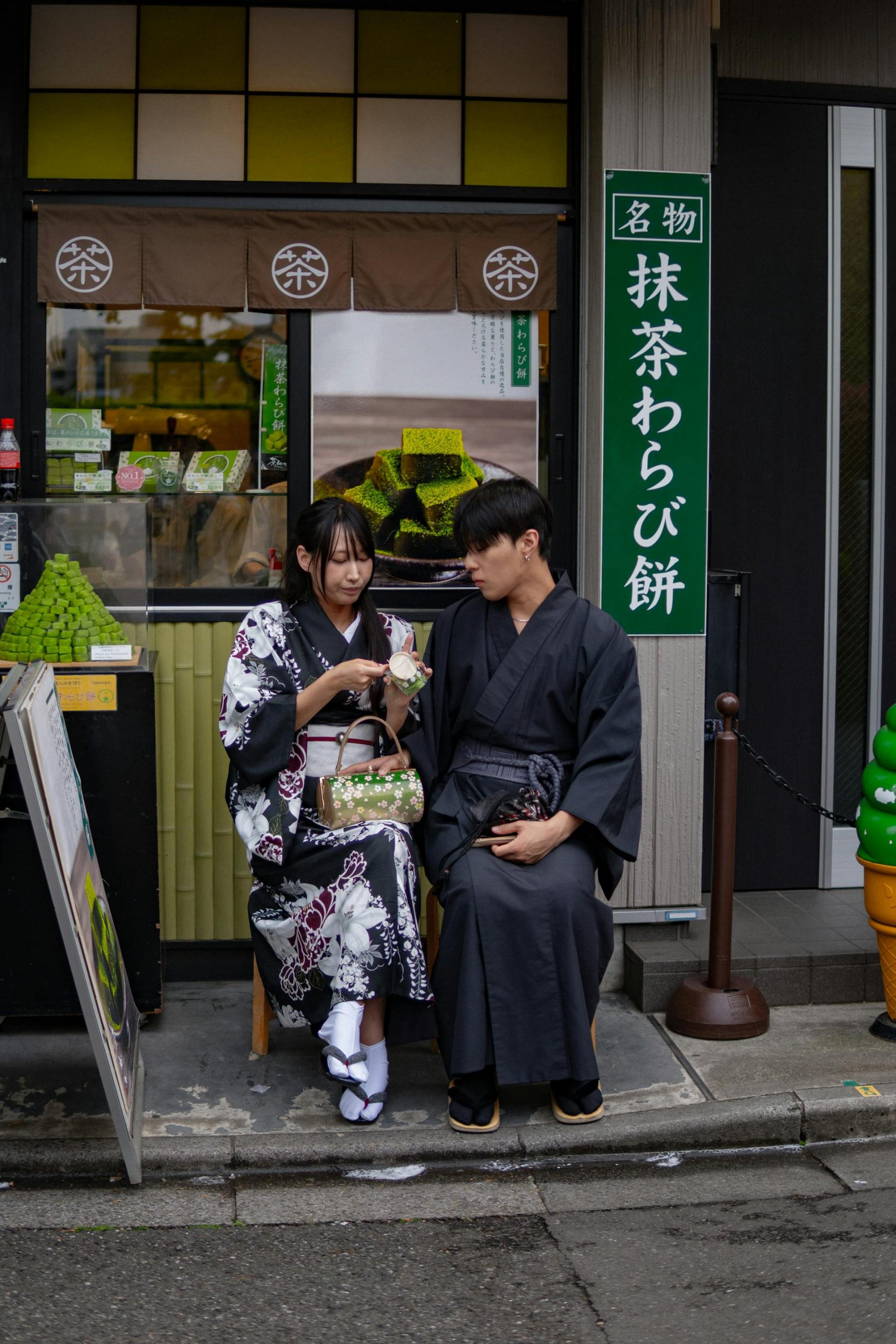
Practical Tips for Readers
For readers navigating relationships with Japanese men, understanding the subtle ways love is expressed can deepen connection and reduce misunderstandings. Here are practical ways to recognize and appreciate their affection:
- Pay Attention to Actions, Not Just Words
Notice small daily gestures—preparing meals, helping with chores, or offering support during stressful times. These actions often carry more emotional weight than verbal declarations. - Appreciate Thoughtful Consideration
Quiet attention to your comfort, health, and well-being is a hallmark of care. Recognize when your partner anticipates your needs or eases your burden without being asked. - Reciprocate Through Action
Love can be strengthened by mirroring thoughtful behaviors. Express your affection by helping in meaningful ways, showing appreciation, or quietly supporting your partner. - Observe Patterns Over Time
Japanese expressions of love may be understated or gradual. Look for consistency and reliability in their actions, which reflect long-term commitment and care. - Respect the Shift from Traditional Roles
Understand that contemporary Japanese men value shared responsibility and partnership rather than dominance. Embrace collaboration in daily life, household tasks, and decision-making. - Communicate Appreciation
A simple “thank you” or acknowledgment of small efforts reinforces the positive cycle of care, even when love is expressed non-verbally.
By focusing on behaviors, attentiveness, and the cooperative nature of modern Japanese relationships, foreign partners can cultivate a deeper, more meaningful connection. Recognizing that love is often demonstrated quietly rather than loudly opens the door to richer, enduring bonds.
Closing Reflection: Love Beyond Words
In Japan, love often resides in the quiet details of everyday life rather than in grand declarations. Preparing breakfast, noticing when a partner is tired, or carrying a heavy bag may seem ordinary, yet these acts speak volumes. For Japanese men, these small gestures are the language of affection—a love that is steady, thoughtful, and enduring.
The era of the dominant, commanding husband is fading. Today, men increasingly express love through partnership, collaboration, and shared responsibility. Understanding this shift helps foreign partners see the depth of care that words alone cannot convey.
True connection, in this context, is built not on what is spoken, but on what is lived—on empathy, attentiveness, and consistent small acts of kindness. By recognizing and appreciating these subtle expressions, relationships grow richer and more resilient.
QuietTether’s philosophy captures this beautifully:
“Love is not always spoken. Sometimes it is quietly lived, in every small act of care and attention.”
In embracing this perspective, we learn that love does not need to be loud to be profound. Sometimes, it is in the silence, the gestures, and the unspoken understanding where the heart truly speaks.