
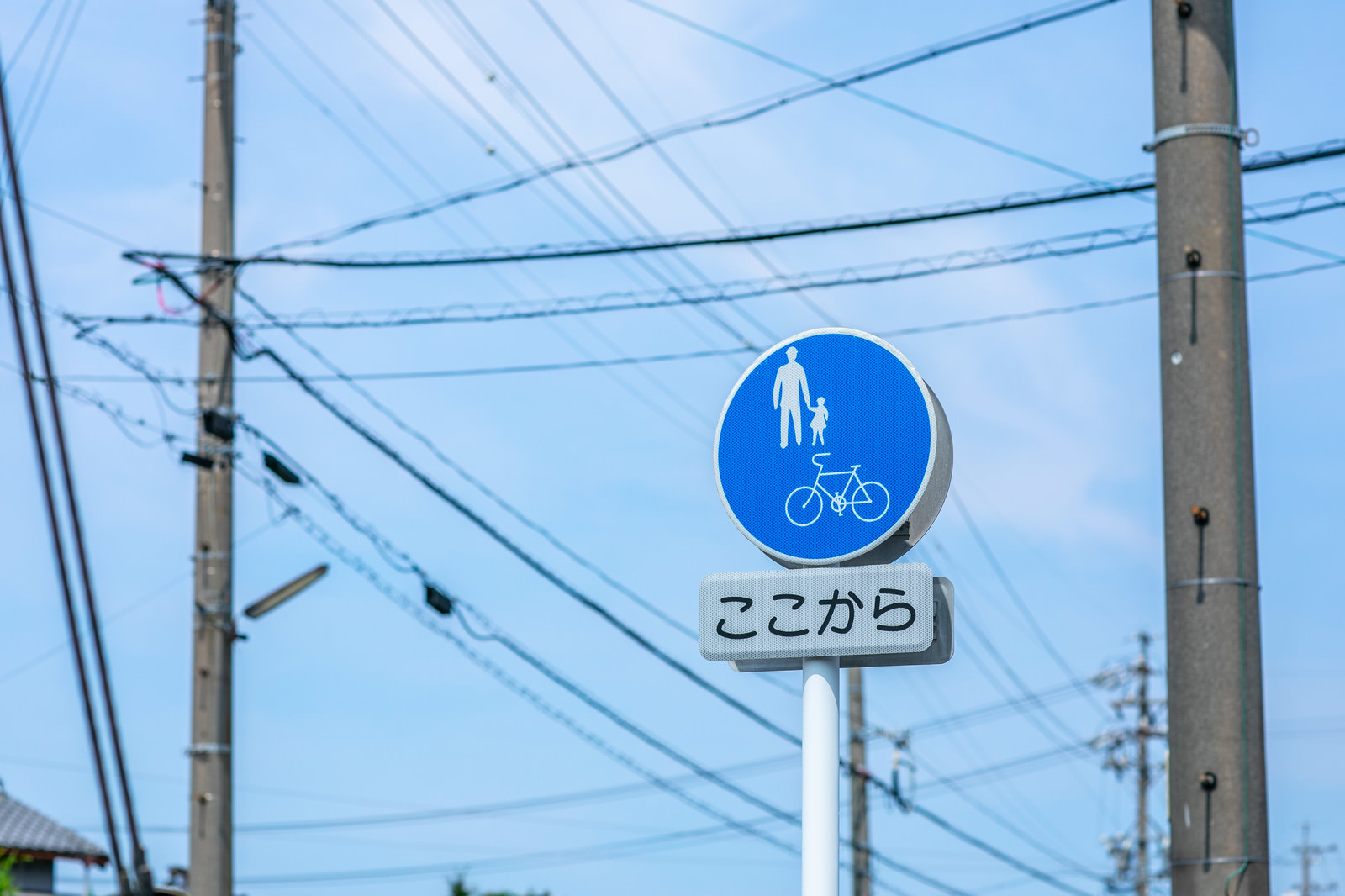
Opening Story: The Train Queue That Calmed a Traveler
The late afternoon sun cast a soft orange glow over the platform of a suburban train station in Tokyo. A foreign traveler—jet-lagged, backpack heavy on his shoulders, slightly anxious about catching the right train—stood near the edge, scanning the overhead signs. The noise of announcements in Japanese flowed over him like a stream he could not understand. He clutched his phone, refreshing the translation app, but the characters and station names seemed to blend together in confusing lines of kanji.
He expected chaos. In his home country, rush-hour stations were defined by shoving, raised voices, the pressing anxiety of everyone trying to get ahead of everyone else. He braced himself for the surge that surely would come when the train pulled into the station.
But something surprising happened.
Before the train even appeared in the distance, people on the platform began forming quiet, neat lines. There was no shouting, no jostling for position. Everyone seemed to know instinctively where to stand, guided not by loudspeakers or guards, but by painted arrows on the ground—arrows the traveler hadn’t noticed until that moment. Commuters adjusted themselves with small, polite movements, allowing latecomers to join the end of the queue. Even as the platform grew crowded, the lines held, as if an invisible order was weaving people together.
When the train finally arrived, no one rushed. The doors opened, and those waiting stepped aside to let passengers exit first. The traveler watched in astonishment: the lines, like two calm rivers, flowed smoothly into the train car once it was empty. No elbows, no frantic scramble for seats. Just a quiet, almost ceremonial transition from platform to train.
The traveler felt his shoulders loosen. The nervous tightness that had built up since entering the station began to dissolve. He realized that he did not have to compete for space, did not have to fight to protect his place in the crowd. The rules—the simple, shared understanding of how to behave—were holding everyone, including him.
For the first time since arriving in Japan, he experienced what could only be described as a kind of peace. Rules here were not chains; they were patterns that calmed the chaos of travel. They turned the uncertainty of a crowded station into something strangely comforting.
In that moment, the traveler understood something profound: in Japan, following rules was not merely about obedience. It was about creating a shared comfort zone, where everyone could move without fear. The orderliness was not cold—it was kind. The quiet structure gave his anxious heart a place to rest.
Rules as a Social Agreement
When many people think about “rules,” they picture something imposed from above: a regulation set by authorities, a restriction backed by punishment, a system of surveillance meant to control behavior. In such contexts, rules are associated with limits on freedom. They are often framed as something external that one must reluctantly obey—or risk consequences.
But in Japan, rules carry a different atmosphere. They are less about surveillance and more about silent agreement, less about punishment and more about coexistence. The rules that shape daily life in Japan are woven not as heavy chains, but as light threads that bind people together in a fabric of shared courtesy.
At the train station, no police officer is forcing passengers to line up. No staff member is shouting orders to keep people in place. The lines form because everyone has silently accepted a mutual agreement: if we all follow this simple structure, life will be easier for everyone. The rule is not external—it is communal.
This approach to rules reflects a deep cultural orientation toward others. Instead of emphasizing “my right to do as I please,” Japanese social rules emphasize “my responsibility not to disturb the comfort of those around me.” In other words, rules are not primarily about protecting the self; they are about protecting the harmony of the group.
Consider how this shifts the emotional meaning of rules. In some cultures, to follow a rule feels like giving up freedom. In Japan, to follow a rule can feel like participating in a gentle act of care for strangers. The traveler on the station platform felt it directly: standing in line wasn’t just about discipline, it was about being enveloped by an order that reassured him he wouldn’t be shoved or overlooked. The simple act of waiting one’s turn was transformed into a kind of collective kindness.
Rules, then, serve as a silent social contract. They say:
- I will respect your space, so you can feel at ease.
- You will respect mine, so I too can relax.
- Together, by each following a small pattern, we create an environment where everyone feels secure.
This is why in Japan, rules are rarely seen as harsh. They are not primarily instruments of control. They are agreements, sometimes unspoken, that acknowledge the existence of others and smooth the edges of human interaction. They provide just enough predictability so that individuals can move about their lives without fear of sudden conflict.
In Western societies that value directness and individual liberty, such rules may sometimes appear restrictive or overly formal. Yet within the Japanese context, they act as cushions rather than barriers. By guiding behavior, they minimize collisions—not just physical collisions in a train station, but emotional ones as well.
The traveler’s relief on the platform captures the essence of this cultural difference: when rules are shaped as social agreements, they stop being burdens. Instead, they become frameworks of mutual trust, invisible but powerful, making public life smoother and more humane.
Historical and Cultural Roots
To understand why rules in Japan feel less like restrictions and more like sources of comfort, it helps to trace their roots in history and culture. The Japanese relationship with order and cooperation has been shaped across centuries by philosophies, social structures, and collective experiences that emphasized harmony over confrontation.
Samurai Code and the Discipline of Bushidō
During the era of the samurai, rules of conduct were not just about battle—they were about dignity, respect, and moral clarity. 武士道 Bushidō, often translated as the “way of the warrior,” established a disciplined mindset in which restraint, loyalty, and consideration for others were central. Even in situations of life and death, codes of honor dictated behavior. This tradition of disciplined self-control, inherited through generations, contributed to a society where following agreed patterns is linked not with weakness but with strength and integrity.
Confucian Influence and Social Hierarchies
Alongside Bushidō, Confucian teachings deeply influenced Japanese society. Confucianism emphasized relationships defined by mutual duties: ruler and subject, parent and child, elder and younger. In this framework, harmony was preserved by respecting one’s place within a social order. While Confucian values spread throughout East Asia, in Japan they blended with local sensibilities of modesty and cooperation, nurturing a cultural instinct to maintain balance rather than assert individuality. Rules, therefore, were not arbitrary commands but expressions of an underlying moral order.
The Village Community and the Spirit of “Murahachibu”
Japan’s agricultural history also shaped its view of rules. For centuries, most people lived in small farming villages where cooperation was essential. Irrigation, planting, and harvesting required collective coordination. To defy communal rules was to risk the survival of all. A severe form of social punishment, known as 村八分 Murahachibu (ostracism from the community), ensured that individuals who disrupted harmony were excluded. While harsh, this practice illustrates how crucial cooperation was in a society where survival depended on trust and predictability. Out of this history emerged the enduring idea that to live well, one must avoid causing meiwaku—trouble or inconvenience—to others.
Rules as Invisible Norms
Unlike societies that rely heavily on codified laws and formal enforcement, Japan has long emphasized implicit rules. These are not written statutes but social expectations. For example, there might be no official regulation telling people to speak softly on trains, yet the collective expectation makes silence the norm. These tacit rules reflect a preference for subtle agreements over explicit confrontation, a cultural habit rooted in centuries of valuing social cohesion.
The Value of Predictable Order
Together, these historical currents created a cultural landscape where order is not a heavy-handed imposition but a shared comfort. From samurai discipline to Confucian balance, from village cooperation to tacit social norms, the Japanese learned to see rules not as obstacles but as the invisible architecture that keeps daily life flowing smoothly.
In this light, the traveler’s discovery on the train platform is not accidental—it is the living legacy of centuries of collective learning. To stand in line quietly, to wait one’s turn without tension, is more than a practical rule. It is a cultural inheritance, expressing the Japanese conviction that when everyone observes simple agreements, the heart can rest.
Everyday Examples of Comfort Through Rules
Rules in Japan do not live in books of law alone; they breathe in the rhythms of daily life. What strikes many foreign visitors is not the presence of authority figures enforcing regulations, but the quiet, collective willingness of ordinary people to follow shared patterns. This willingness transforms public spaces from places of potential chaos into havens of comfort.
The Train: Lines, Silence, and Mutual Respect
Perhaps the most famous example is the Japanese train system. At stations, people line up neatly without being asked. Signs may exist to indicate where doors will open, but even without them, order emerges. On the train, conversations are hushed, phone calls avoided, and priority seats left for those in need. None of this is dictated by constant reminders—it is guided by a collective awareness. For a traveler used to pushing crowds or noisy commutes, this quiet discipline is almost therapeutic. It reveals how rules can soothe rather than suffocate.
Garbage Sorting and Community Cleaning
Another expression of comfort through rules appears in the handling of waste. Japan’s garbage sorting system can bewilder newcomers: burnable, non-burnable, recyclables, and more, each to be disposed of on specific days. At first, it feels complicated. But behind this complexity is a deep respect for shared spaces. By carefully sorting trash, residents demonstrate consideration for neighbors and for the environment. Similarly, in many towns and neighborhoods, residents participate in community cleaning days. Streets and parks are kept tidy not by municipal workers alone, but by the people who use them. The rules of sorting and cleaning thus become acts of silent care, reassuring everyone that the space they inhabit will remain welcoming.
Hanami: Order Amid Celebration
Even in moments of festivity, order creates comfort. During Hanami (cherry blossom viewing), parks fill with people eager to celebrate. Yet what surprises many visitors is the absence of unruly behavior despite the size of the crowds. Blue tarps are spread neatly, shoes removed before stepping onto them, and trash collected and taken away. The collective adherence to etiquette ensures that thousands can share joy without friction. It is a gentle reminder that even pleasure becomes more enjoyable when framed by mutual respect.
Festivals and Street Crowds
Japanese festivals, or Matsuri, often draw massive crowds into narrow streets. Lanterns glow, food stalls line the paths, and music fills the air. Yet within this energy, there is remarkable discipline. People move with the flow, queues form at stalls, and even in excitement, there is little pushing or shouting. These subtle rules make the experience enjoyable for all. They allow individuals to immerse themselves in the celebration without anxiety about chaos.
The Small Gestures of Everyday Order
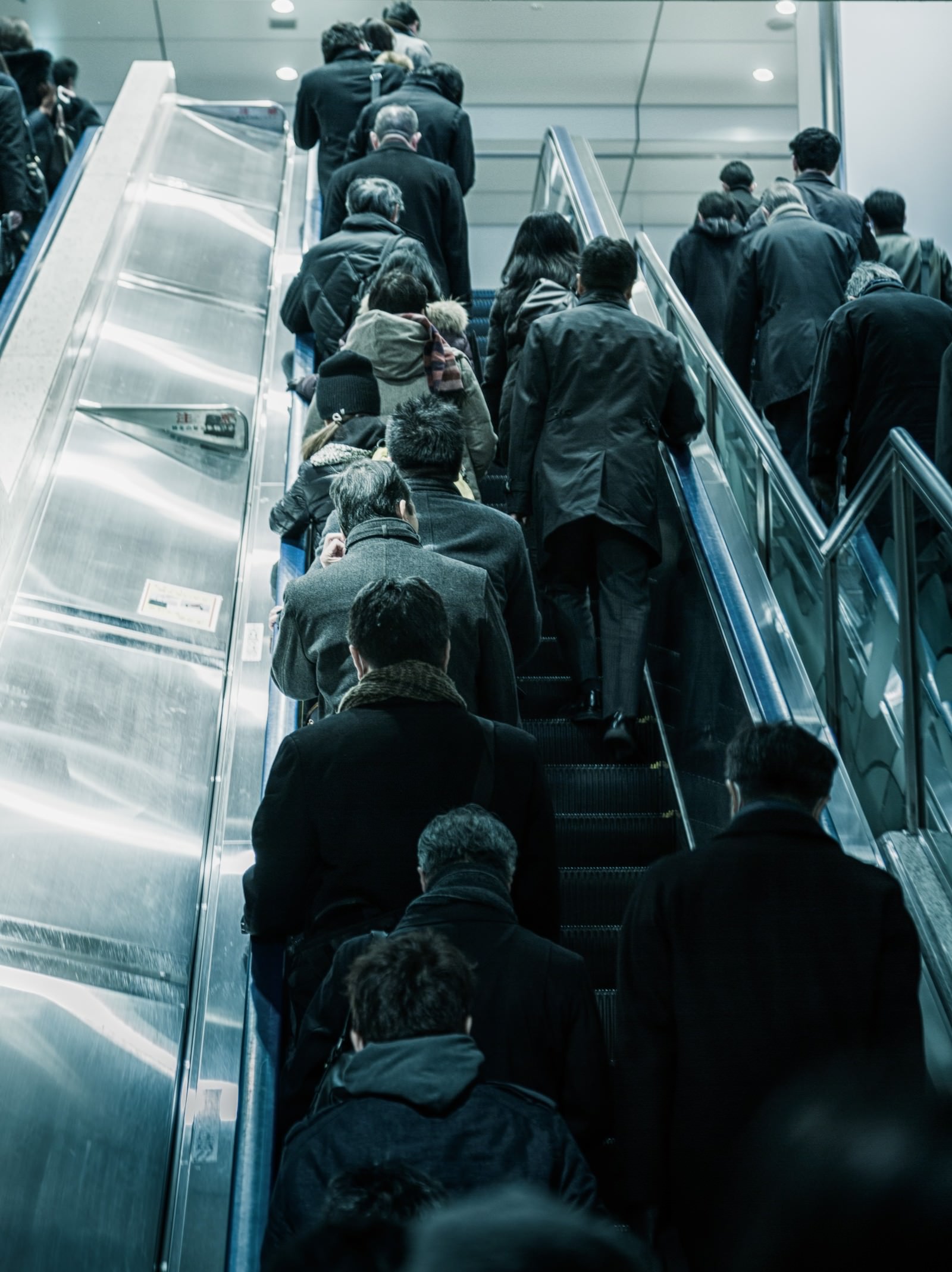
Beyond major examples, small daily actions embody this principle too. At crosswalks, many people wait for the light even when no cars are in sight. On escalators, commuters stand to one side, leaving room for those in a hurry. In shops, cashiers carefully hand change with both hands, showing attentiveness and respect. Each of these actions is a rule of courtesy, unwritten but widely followed. Together, they create a social environment where predictability brings peace.
Comfort as a Shared Gift
In all these examples, rules function less as restrictions and more as gifts. They reduce friction, prevent conflict, and allow individuals to relax into the flow of collective life. For the foreign traveler, what initially appears as rigidity soon reveals itself as gentleness: the realization that when everyone respects simple norms, each person gains a sense of security.
The Psychology of Predictability
One of the quiet strengths of Japanese society lies in how rules cultivate predictability. Predictability may sound mundane, but for the human mind, it is a source of profound comfort. When we can anticipate what will happen and how others will behave, we feel less vulnerable and more at ease. In Japan, the collective commitment to following rules creates a landscape where this sense of safety is woven into everyday experiences.
The Human Need for Predictability
Psychologists note that uncertainty fuels stress. When outcomes are unclear or behavior is erratic, the mind works harder, scanning for danger and preparing for conflict. Conversely, when environments are stable and predictable, the mind can relax. This is why routines soothe children, why rituals give structure to grief, and why rules—when embraced—can ease the anxieties of daily life.
In Japan, the careful observance of rules provides this kind of soothing effect not just for children or during special moments, but across society as a whole. Whether on a crowded train platform or in a bustling shopping street, individuals can rely on shared behaviors that prevent chaos and minimize conflict.
Predictability in Public Spaces
For a foreign traveler, stepping into a Japanese train station often feels like entering a living demonstration of social order. Signs guide the flow of people, arrows on the ground indicate where to stand, and the unspoken norm of queuing ensures calm movement even during rush hour. The traveler does not have to guess what others will do—there is reassurance in knowing that the crowd will not suddenly surge forward or disregard the system. This predictability reduces tension and allows one to observe, participate, and even enjoy the experience.
Rules as a Map for Behavior
Rules in Japan also act as a kind of social map. They tell people not just what is forbidden, but what is expected. For example, when entering someone’s home, removing shoes is not a choice but a rule, and this clarity prevents awkwardness or missteps. Similarly, the rules of politeness—bowing, using honorifics, offering both hands when giving or receiving—provide a framework for interaction. By following these patterns, people can navigate relationships without fear of offending. The rules do not limit expression; they provide scaffolding that makes expression safer.
Quiet Comfort in Shared Norms
Predictability does more than reduce conflict; it fosters a subtle sense of belonging. When everyone follows the same set of rules, individuals feel part of a collective rhythm. Even a visitor, unfamiliar at first, soon learns these rhythms—waiting at crosswalks, lowering their voice on trains, bowing slightly when receiving service. Each small act becomes a way of blending into the shared fabric, and with that blending comes comfort.
Contrast with Chaos
The value of predictability becomes clearest when contrasted with disorder. In societies where rules are ignored or inconsistently enforced, public life can feel stressful. Crowds jostle, traffic is unpredictable, interactions may escalate into conflict. The absence of rules does not guarantee freedom—it often produces anxiety. Japan shows another path: by embracing rules as a collective choice, people gain freedom from worry. They know what to expect, and so their hearts can rest.
The Subtle Joy of Knowing What Comes Next
At its deepest level, the psychology of predictability is not about strictness but about peace. There is a quiet joy in knowing what comes next: the train arriving exactly on time, the orderly flow of people through a festival street, the polite bow that will accompany a simple exchange of change at a shop. Each of these predictable moments accumulates into a larger feeling: life here may be busy, but it is not chaotic. It moves with patterns that calm the heart.
Foreigners’ Encounters with Japanese Rules
For many foreigners arriving in Japan, the culture of rule-following is one of the first things they notice. The sight of orderly queues, the quiet atmosphere of a train carriage, or the polite efficiency of a convenience store can be surprising, even puzzling. At first, this can feel restrictive, as if spontaneity is being suppressed. Yet over time, many travelers and expatriates come to appreciate these very structures as sources of comfort. What seems rigid at first slowly reveals itself as a form of kindness.
Initial Impressions: A Sense of Restraint
When a traveler first encounters Japanese rules, they may feel hemmed in. Being told to remove shoes at the entrance, to keep voices low in public, or to separate trash into complex categories can seem overly demanding. In some cultures, such strictness is associated with control or authority. Thus, the visitor may interpret these practices as a lack of freedom.
However, as days pass, the emotional effect of these rules begins to surface. The traveler notices that trains, though crowded, are calm. Streets, though busy, are orderly. Even in large cities, there is little of the pushing, shouting, or unpredictability that one might expect in urban spaces elsewhere. Gradually, what once seemed restrictive begins to feel protective.
The Realization: Rules as Care for Others
Foreigners often describe a moment when they realize that Japanese rules are not about obedience to authority but about consideration for others. Standing in line, they notice that no one tries to cut ahead. At a restaurant, they are reassured by the staff’s consistent politeness, even when there is a misunderstanding. At a festival, they marvel at how thousands of people can gather, eat, drink, and celebrate without chaos or disorder.
These experiences plant a new thought: rules are not barriers to freedom—they are structures that allow everyone to enjoy freedom safely. By following them, people show care for strangers they will never meet again.
Stories of Transformation
One traveler recalls being frustrated by the detailed garbage separation system in a Japanese apartment building. It seemed unnecessary and tedious. But after several weeks, they began to notice how clean the neighborhood remained, how little litter cluttered the streets. The same rules that once felt burdensome now felt like a shared effort to maintain beauty and comfort for everyone.
Another foreigner, accustomed to loud and lively subway rides at home, found the silence of Japanese trains unnerving at first. But with time, they began to treasure this silence. Reading, resting, or simply gazing out the window became easier. What once felt like suppression turned into a rare and precious calm.
From Distance to Belonging
Perhaps the most profound shift occurs when foreigners begin not just to observe the rules but to participate in them. A visitor who once hesitated at crosswalks now waits patiently with others. A student who once spoke loudly on trains now instinctively lowers their voice. With each small act of conformity, they feel less like outsiders and more like part of the rhythm of Japanese life. This sense of belonging does not come from assimilation alone—it comes from recognizing the quiet kindness embedded in these shared patterns.
A Safe Space for Mistakes
Importantly, foreigners also learn that rules in Japan, while respected, are accompanied by forgiveness. If a traveler forgets to remove shoes, if they speak too loudly on a train, or if they dispose of trash incorrectly, locals may show surprise but rarely hostility. Instead, correction is often offered gently, sometimes with embarrassment, as though the local feels apologetic for pointing it out. This gentleness softens the experience and makes the rules less intimidating. Over time, foreigners come to see rules not as harsh laws but as a soft framework—something one can learn and grow into.
Comfort as the Final Understanding
By the end of their journey, many travelers reflect that the rules which first felt stifling became the very reason they felt comfortable in Japan. Order was not the enemy of freedom but the foundation of it. Predictability, politeness, and collective respect created an environment where even strangers could feel safe. For the traveler, this realization lingers long after departure: that rules, when shaped by care, can create a gentler and more comforting world.

Lessons for Modern Life
The Japanese way of following rules offers more than cultural curiosity—it carries lessons that resonate deeply in our modern, interconnected, and often chaotic world. In societies where speed, individuality, and instant expression dominate, the Japanese perspective reminds us that structure and restraint can bring comfort, both to ourselves and to others.
Rethinking the Role of Rules
In many cultures, rules are framed as restrictions: boundaries that limit individual freedom. But Japan demonstrates another way to view them—as quiet agreements that allow life to flow smoothly. Rules are not chains, but threads that weave together individual actions into a shared fabric of harmony.
This reframing offers a valuable perspective for societies grappling with polarization and individualism. Rules can be understood not as instruments of control but as tools of care. They create environments where people can trust one another, even among strangers, and where comfort replaces tension.
The Balance of Freedom and Order
Modern societies often oscillate between two extremes: unbounded freedom, which risks chaos, and strict order, which risks suffocation. The Japanese approach illustrates a middle path. By embedding rules with the spirit of respect and consideration, order does not feel oppressive. Instead, it feels like a shared act of kindness.
For example, lining up at a bus stop may seem minor, but it transforms waiting from a stressful scramble into a predictable and fair experience. In this way, rules protect both dignity and freedom.
The Comfort of Predictability
In an age where rapid change often breeds anxiety, predictability is underrated. Rules create rhythms that allow people to rest. Knowing that a train will depart on time, that strangers will not push in line, or that a public space will remain clean allows individuals to conserve emotional energy.
This principle can be applied beyond Japan. Offices, schools, online communities, and even families can benefit from clear, shared rules that reduce uncertainty. When people know what to expect, they feel safe enough to be themselves.
Practical Applications for Daily Life
How can we take inspiration from Japan’s rule-following spirit without importing it wholesale? The key lies in small, intentional practices:
- Keep the habit of lining up. Even when no one is watching, forming a queue honors fairness and makes public spaces less stressful.
- Respect shared spaces. Whether on public transport, in an office, or online, practicing quietness and consideration creates comfort for all.
- Maintain cleanliness. Simple acts like sorting waste or cleaning up after oneself foster beauty and calm in communal spaces.
- Use gentle communication. Polite words and soft tones serve as rules of speech, cushioning interactions and preventing unnecessary friction.
- Honor the invisible agreements. From yielding seats to helping strangers, rules often live in the unspoken gestures that make life easier for others.
Rules as Tools for Kindness
At their best, rules remind us that freedom is not only about what I can do, but about what we can enjoy together. By respecting rules, we acknowledge our part in creating a shared comfort. When we let go of the idea that rules exist only to bind us, we can begin to see them as invisible acts of kindness—a collective effort to make life gentler for everyone.
Toward a Culture of Gentle Discipline
The lesson for modern life, then, is not blind obedience but intentional care. Rules should not be wielded as rigid weapons of control, but as soft structures that preserve dignity and peace. When followed with this spirit, rules transform from burdens into blessings. They give us the comfort of predictability, the safety of trust, and the quiet relief of belonging.
Closing Reflection: Rules as Invisible Comfort
At the train platform, the foreign traveler found peace not in silence or solitude, but in the quiet order of strangers. The queue was not a regulation enforced by guards or signs—it was a living agreement, a rhythm of mutual respect. What seemed like a simple act of following rules revealed itself as something deeper: a shared comfort, woven from countless small gestures of restraint and consideration.
In much of the world, rules are burdened with suspicion. They are often seen as limits imposed by authority, designed to restrict rather than to free. Yet Japan offers another perspective: rules as invisible comfort. When followed with care, rules soften the edges of daily life. They turn crowded trains into places of calm, festivals into scenes of joy rather than chaos, and shared spaces into havens of trust.
This quiet order does not strip away individuality. Rather, it creates the conditions in which individuality can rest without fear. Knowing that one will not be pushed, shouted at, or left in disorder allows the heart to relax. Rules, then, are not barriers between people but bridges—structures that hold us together while allowing each of us to move freely within them.
The lesson stretches beyond Japan. In an age of instant reactions and loud individual expression, gentleness can be found in restraint. Rules remind us that our freedom exists alongside others, and that harmony is born not from domination but from balance. They are not chains; they are patterns. Not walls; but quiet shelters.
In the philosophy of QuietTether, rules are recognized for what they truly are:
“When rules are followed with care, they cease to feel like chains. They become gentle patterns that hold us, protect us, and give us the quiet comfort of belonging.”