
Opening Story: A Smile Across Worlds
It was a crisp spring morning in Tokyo, the kind of morning where the air feels light, and the city hums softly with a rhythm unique to its streets. Clara, an American traveler in her late twenties, had just stepped out of her small rented apartment in Shinjuku, armed with a map, a notebook, and a head full of curiosity. She loved Japan, not just for its temples and cherry blossoms, but for its subtle social intricacies—the small gestures of kindness and the quiet ways people navigated their daily lives.
On that particular morning, Clara found herself slightly lost. She had taken a wrong turn while searching for a small, local café recommended by a friend. The street signs were in Japanese, and though she had studied the language for months, reading them in the bustling environment proved trickier than she expected. Hesitant, she approached a man in his mid-thirties who was tending to his bicycle outside a convenience store.
“Excuse me,” she began, her accent unmistakably foreign, “could you tell me how to get to Café Mori?”
The man looked at her, his expression calm and slightly amused. He did not speak English fluently, but he understood the key words. With a series of gestures, broken English phrases, and a patient smile, he guided her along a winding path of streets. Along the way, Clara asked questions she realized later were peculiar—questions about the architecture of buildings, the kinds of plants that grew in the narrow alleyways, and even about the way the sunlight hit certain walls at that hour.
Rather than impatiently dismissing her inquiries, the man listened attentively. He smiled at the quirks in her curiosity, his eyes lighting up when she pointed out details that most locals would never notice. It was as if he had understood something fundamental about Clara: her “difference,” her foreign way of seeing the world, was not a problem or a distraction—it was a delight.
By the time they reached the café, Clara felt a warm sense of connection. She realized something profound. Here, in this bustling, highly organized city where conformity often seemed to be the unspoken rule, her unique perspective had been not just tolerated, but quietly celebrated. This man, simply by responding with patience, humor, and understanding, had validated the very qualities that set her apart.
That morning, Clara understood the essence of a universal truth: sometimes, it is our differences that make us most beautiful, most engaging, and most memorable. And often, it takes only one small encounter to remind us that being ourselves—fully, unapologetically—is a gift both to ourselves and to those around us.
The Myth of “Fitting In”
In many parts of the world, there is a subtle pressure to blend in, to conform, to avoid standing out too much. Yet in Japan, this pressure often takes on a particularly nuanced form. Japanese culture places a high value on harmonious coexistence, or wa, a principle that encourages individuals to maintain balance within their social groups. From a young age, people are taught that standing out too prominently—or challenging established norms—can disrupt harmony.
For travelers or expatriates, this can initially feel constraining. Clara, for instance, often found herself second-guessing her questions, her gestures, even her choice of clothing. She worried that her energetic curiosity might be seen as too loud, too unconventional. In Tokyo’s orderly streets, she sometimes felt like a bright, colorful kite against a sky that seemed to prefer subtle, pastel shades.
Yet this internalized sense of needing to “fit in” is more complex than it first appears. Conformity in Japanese society is not solely about suppressing individuality; it is about mutual respect and collective mindfulness. People often act in ways that prioritize the comfort and expectations of others, even at the cost of personal expression. This can lead foreigners to misinterpret silence for shyness, indirectness for indecision, or polite smiles for reserved judgment.
Clara’s experience illustrated this perfectly. When she asked questions that were unusual or approached topics from a perspective unfamiliar to her Japanese hosts, the initial smiles she received were sometimes tinged with surprise. But rather than being met with irritation or dismissal, her curiosity was met with patience. This highlighted an essential truth: Japanese society does not simply reward blending in—it often acknowledges and quietly appreciates differences, even if they are expressed in unconventional ways.
The paradox is clear: while the external message may emphasize harmony and subtlety, the internal reality is far richer. Individuals who bring unique viewpoints or approaches can offer fresh perspectives that benefit their communities. A foreign accent in a conversation, a different approach to solving a problem, or an unconventional question at a meeting may initially stand out—but it can also spark reflection, creativity, and even admiration.
This understanding shifts the narrative from fear of standing out to recognition of the value in authenticity. In other words, the myth of “fitting in” is not a strict rule demanding erasure of differences; rather, it is a cultural lens through which differences are observed, negotiated, and often quietly celebrated.
Clara realized that her own sense of “difference” was not a liability. Her accent, her unfamiliar gestures, and the way she paused to notice details were all extensions of her individuality. In Japan, these qualities had not only drawn attention—they had created connection. By embracing her uniqueness, she found that she could navigate the society not as an outsider struggling to blend in, but as a participant offering a new perspective to those around her.
Understanding this dynamic is crucial, especially for anyone stepping into a culture that values collective harmony. The fear of being different can be strong, yet it is precisely those differences—the quirks, the unexpected questions, the novel viewpoints—that become the bridge for deeper understanding, mutual respect, and authentic connection.
In essence, the first step toward embracing one’s difference is recognizing that fitting in does not mean disappearing. It means learning how to navigate societal norms while still honoring the self. This balance, subtle yet profound, is what allows uniqueness to shine in a way that is both respectful and transformative.
Difference as Strength
In a society that values harmony and consensus, it may seem counterintuitive to think of difference as strength. Yet, the very qualities that make someone stand out—their unique perspective, unconventional habits, or unfamiliar ways of thinking—can be powerful assets. Japan, with its emphasis on wa (harmony), does not always reward overt displays of individuality. But when approached with sensitivity and awareness, differences can foster connection, insight, and innovation.
Take the case of Michael, an American graphic designer living in Kyoto. At first, he worried that his bold, outspoken ideas might clash with the subtle, consensus-driven approach of his Japanese colleagues. In meetings, he often spoke up immediately with unconventional suggestions, while others preferred to listen, reflect, and offer input more gradually. Initially, he misread their silence as disinterest or even rejection. But over time, he realized that his differences were valued precisely because they offered new ways of seeing problems. His fresh perspective encouraged colleagues to reconsider assumptions and explore solutions they might never have imagined on their own.
The strength of difference lies not in forcing change or standing in opposition to the culture, but in adding layers to the collective experience. When individuals bring their distinct experiences and viewpoints, they can expand the range of possibilities for everyone involved. In cross-cultural interactions, this can manifest as simple curiosity leading to deeper conversations, or as creative solutions inspired by a blend of traditions and ideas.
Difference also challenges stereotypes and preconceived notions. Japanese society, like any other, can have fixed expectations about behavior, gender roles, and communication styles. By demonstrating that there are multiple ways to act, think, and interact, individuals can subtly shift perceptions, fostering greater openness and empathy. In this way, being different is not just a personal asset—it becomes a catalyst for cultural growth and mutual understanding.
Everyday examples reinforce this point. Consider the ways a foreigner’s habits or quirks might enrich social interactions: a traveler’s enthusiastic interest in local cuisine can spark joyful culinary experimentation; an accent or unusual phrasing can make conversations more engaging and memorable; a unique hobby or perspective can inspire collaborative projects or friendships that would not have existed otherwise. Each difference, when respected and integrated, strengthens the social fabric rather than weakening it.
Furthermore, embracing one’s difference builds personal confidence and resilience. When people acknowledge and value their own uniqueness, they develop a sense of self-worth that is not dependent on fitting a predetermined mold. This internal strength allows them to engage with new environments openly and creatively, rather than shrinking under pressure to conform. In Japan, where subtle social cues guide behavior, having the confidence to express one’s individuality—even gently—can create authentic connections that might otherwise remain out of reach.
The key to leveraging difference as strength is intentional awareness and respectful expression. Differences should not be displayed aggressively or without consideration for context. Instead, they should be offered thoughtfully, with an understanding of the environment and the people within it. In this way, uniqueness becomes a gift rather than a point of tension. A well-placed question, a different approach to problem-solving, or a simple display of cultural curiosity can open doors to trust, learning, and shared experiences.
Ultimately, recognizing difference as a form of strength transforms the way individuals navigate cultural spaces. Rather than seeing themselves as outsiders struggling to fit in, they can approach interactions as contributors who bring fresh perspectives and energy. Their differences become a bridge for connection, rather than a barrier to acceptance. In the context of Japan, where subtlety and harmony are highly valued, this approach allows the individual to shine quietly yet powerfully, enriching both personal experience and the communities they engage with.
Everyday Examples of Appreciated Differences
The beauty of difference is most tangible in everyday moments—those small, often unnoticed interactions that reveal the warmth of acceptance and the joy of unique perspectives. In Japan, where subtlety and attentiveness govern social behavior, differences can be celebrated quietly, through gestures, reactions, and shared experiences rather than loud declarations. Here are some concrete ways that being “different” is appreciated in daily life.
Food Culture: A Gateway to Connection
Japan’s culinary traditions are steeped in ritual, precision, and seasonal awareness. A foreigner’s unfamiliar eating habits or adventurous palate often elicit smiles, curiosity, or gentle encouragement. For instance, a traveler attempting to eat sushi with chopsticks for the first time may fumble, prompting a local to offer guidance with patience and a warm smile. Similarly, expressing excitement over unusual dishes or regional specialties can spark conversations, breaking the ice and creating shared enjoyment. These moments demonstrate that enthusiasm for the unfamiliar is not only accepted but cherished.
Language and Accent: Charm in Authenticity
Speaking Japanese with a foreign accent, using non-standard phrases, or mispronouncing words can initially feel awkward or embarrassing. Yet, these differences often elicit amusement and endearment from Japanese interlocutors. A simple, “Where is the train station?” asked in a uniquely accented Japanese may lead to laughter, friendly corrections, and an extended interaction that wouldn’t have happened otherwise. Language differences become a bridge, allowing locals to experience curiosity and patience, while the speaker learns nuance and cultural context. Imperfection in language becomes a vehicle for connection.
Unique Interests and Hobbies: Seeds for Deeper Exchange
Hobbies and personal passions that differ from mainstream Japanese practices can generate fascination and dialogue. For example, someone interested in Western board games, street art, or skateboarding may find Japanese enthusiasts eager to learn, compare, or share their own related experiences. Differences in interests spark mutual exploration and often lead to enduring friendships. A hobby that seems unusual can transform into a platform for cultural exchange, where both parties discover new perspectives and shared enjoyment.
Social Reactions: Playfulness and Curiosity
Subtle social differences—gestures, reactions, humor—often become sources of delight. A traveler’s unorthodox way of bowing, their spontaneous laughter, or unexpected question may initially surprise Japanese friends or colleagues. However, such differences often lead to smiles, gentle teasing, or reciprocal curiosity. These interactions highlight that authenticity, even when different from local norms, can generate warmth and rapport.
Navigating Norms with Sensitivity
The appreciation of difference is most effective when combined with respect for local norms. For example, a foreign visitor who speaks up in a meeting with an unusual idea may do so with consideration for timing and tone, respecting the group’s consensus-driven style. Japanese colleagues often respond positively to such contributions, valuing the insight while maintaining harmony. In these cases, difference is not disruptive but complementary, enriching the group dynamic while honoring cultural expectations.
Celebrating Differences Through Shared Experiences
Everyday interactions in Japan provide countless opportunities to see difference as beautiful. A person’s unique expressions of gratitude, quirky fashion sense, or unfamiliar holiday traditions can become points of connection rather than alienation. Japanese hosts or acquaintances frequently respond with curiosity, accommodating or even participating in these differences. This shared acknowledgment transforms variance into a source of joy and mutual respect, demonstrating that authenticity fosters genuine human connection.
The Ripple Effect of Acceptance
When differences are embraced in daily life, they ripple outward, creating environments where everyone feels free to express themselves. A simple act, such as a foreigner showing an unconventional approach to etiquette, can inspire locals to reconsider rigid interpretations and encourage openness to diversity. In this way, individual uniqueness contributes to broader cultural enrichment, fostering an inclusive atmosphere in personal, professional, and social settings.
In sum, everyday examples reveal a powerful truth: being different is not a liability in Japan; it is an asset. Whether through food, language, hobbies, or social nuance, differences open doors to understanding, laughter, and human connection. When approached with authenticity and respect, they become catalysts for meaningful interactions, leaving both the individual and those around them enriched.
Cultural Sensitivity and Openness
In Japan, difference is celebrated best when it is expressed with awareness and respect. Japanese culture places a strong emphasis on Wa (和), or harmony, which guides interactions, encourages attentiveness, and prioritizes social cohesion. While individuality is appreciated, it is often expressed in ways that maintain balance and mutual comfort rather than through confrontation or overt assertion. Understanding and practicing cultural sensitivity allows differences to be acknowledged as beautiful rather than disruptive.
Respectful Expression of Individuality
Being different does not mean abandoning local etiquette. Japanese society values subtlety, consideration, and the avoidance of discomfort for others. For example, a foreigner may have a habit of speaking directly about opinions or preferences. While this directness can be seen as unusual, framing it politely, showing humility, and listening attentively to responses ensures that uniqueness is received positively. The key is to express individuality without overriding communal comfort.
Observation Before Participation
One hallmark of effective intercultural interaction in Japan is active observation. By noticing subtle social cues—tone of voice, body language, or conversational rhythm—a visitor can learn when and how to interject ideas, share personal quirks, or ask questions. For instance, while in a group setting, one might notice the timing of laughter, pauses, and nods that indicate receptiveness. Careful observation allows differences to be shared in a harmonious, accepted manner.
Balancing Assertiveness and Harmony
Being different often involves presenting new ideas, perspectives, or habits. However, in Japan, overly assertive or disruptive behavior may create discomfort. The goal is not to suppress individuality but to balance self-expression with attentiveness to others’ needs. For example, introducing a unique opinion in a meeting or social gathering can be enhanced by prefacing it with acknowledgment of others’ contributions, thereby maintaining harmony while offering a fresh perspective.
Active Listening as a Bridge
True openness requires active listening—genuinely engaging with others’ views and responses. By listening attentively, one demonstrates respect, builds trust, and invites reciprocal openness. A foreigner showing sincere curiosity about Japanese customs—asking thoughtful questions, showing appreciation for cultural practices—can create a space where differences are welcomed. Listening transforms differences into collaborative learning opportunities.
Mutual Adaptation
Cultural sensitivity is a two-way street. While a visitor adapts to Japanese norms, locals may adjust their behavior to accommodate differences, resulting in a dynamic exchange. For instance, a foreigner’s unique greeting or enthusiastic reaction may be mirrored with smiles or reciprocal gestures. These moments foster mutual understanding and highlight that difference, when approached openly, becomes a shared asset rather than a source of tension.
Embracing Subtle Humor and Playfulness
Japan often expresses openness to difference through subtle humor, gentle teasing, or playful interactions. This light-hearted approach allows individuals to recognize uniqueness without embarrassment or judgment. A quirky comment, unusual habit, or creative idea may elicit a chuckle, smile, or polite banter—an indirect but meaningful acknowledgment of individuality. Playfulness becomes a conduit for acceptance.
Patience and Persistence
Integration of difference into daily interactions requires patience. Acceptance may not be instantaneous; it often develops gradually as trust, familiarity, and comfort increase. Repeated, respectful, and considerate expressions of uniqueness encourage others to relax, respond positively, and appreciate what makes you distinct. Patience allows differences to flourish naturally.
Practical Example: Navigating a Social Gathering
Consider a dinner party where a foreign guest prefers to speak passionately about a personal hobby, while the group typically follows reserved conversational norms. By observing others’ reactions, modulating volume and tone, and including questions for the group, the guest’s enthusiasm is seen as engaging rather than disruptive. Through this balance, the guest’s difference is admired and enjoyed, strengthening interpersonal bonds.
Key Takeaway:
Cultural sensitivity does not mean suppressing individuality. Rather, it enables differences to be expressed in ways that honor both self and others, creating enriching, harmonious interactions. In Japan, the most beautiful differences are those shared thoughtfully, observed carefully, and expressed with respect.
Overcoming Self-Doubt
Feeling different can sometimes trigger self-doubt. In a society like Japan, where conformity and harmony are highly valued, foreign visitors or anyone who stands out may worry that their uniqueness is unwelcome or awkward. However, these feelings are not a weakness—they are a natural response to navigating new cultural contexts. By understanding, embracing, and celebrating one’s differences, self-doubt can transform into confidence, pride, and a source of connection.
Recognizing the Roots of Self-Doubt
Self-doubt often arises from fear of judgment or misunderstanding. When cultural norms emphasize subtlety, indirect communication, and group cohesion, overtly different behaviors can feel exposed. For example, a foreigner speaking loudly about personal passions or asking unusual questions may momentarily feel out of place. Recognizing that these reactions are natural helps normalize the experience, reducing anxiety. Awareness is the first step toward acceptance.
Shifting Perspective: Difference as Value
Rather than seeing uniqueness as a potential flaw, consider it an asset. Differences introduce fresh perspectives, creativity, and new ideas. A distinct way of thinking or approaching challenges can spark conversation, learning, and even admiration. For instance, a traveler’s unusual culinary preferences might inspire curiosity, laughter, or shared exploration. By reframing “different” as “valuable,” self-doubt diminishes, replaced by a sense of purpose. Your differences are what make you irreplaceably you.
Celebrating Small Wins
Every interaction that highlights your uniqueness and is received positively reinforces self-confidence. A kind smile, polite chuckle, or shared moment of curiosity may seem small, but they affirm that your difference is appreciated. Keeping track of these small victories—moments where individuality is welcomed—helps counter internalized self-doubt and nurtures self-assurance. Celebrate even the smallest acknowledgments of your uniqueness.
Learning from Feedback
Feedback in subtle forms—nodding, smiles, laughter, or engagement—provides valuable insight into how your uniqueness is perceived. Observing patterns over time allows you to understand which aspects of your individuality resonate positively, which may need adaptation, and how best to express yourself authentically without discomfort. Constructive awareness strengthens confidence while honoring authenticity.
Embracing Vulnerability
Being different often requires vulnerability. Expressing a unique idea, asking a curious question, or sharing an unconventional habit exposes oneself to potential judgment. Yet vulnerability is also the gateway to connection. Japanese culture, with its nuanced social cues, rewards those who approach differences gently, respectfully, and with sincerity. Over time, vulnerability transforms into a bridge for trust, acceptance, and deeper relationships. Courage is the companion of authenticity.
Building a Supportive Environment
Surround yourself with people who appreciate diversity. In Japan, this may include locals curious about foreign perspectives, expatriate communities, or like-minded individuals who celebrate individuality. Positive reinforcement from supportive networks strengthens resilience against self-doubt, empowering you to express your uniqueness fully. Community validates and amplifies the beauty of difference.
Internal Affirmations
Practical mental strategies can help maintain confidence. Remind yourself that being different is not a flaw, it is a contribution. Simple affirmations, reflective journaling, or recounting experiences where your uniqueness was valued reinforce self-worth. Over time, repeated internal reinforcement diminishes the fear of standing out. Confidence is cultivated internally as much as externally.
Real-Life Example: Turning Hesitation into Confidence
Imagine a foreigner hesitant to ask a question in a Japanese workshop, fearing it might be “strange.” Upon asking, the instructor smiles, provides a thoughtful answer, and other participants nod with interest. The initial self-doubt transforms into pride and relief, reinforcing the idea that curiosity and difference are respected. Each positive interaction builds momentum, gradually replacing anxiety with confidence.
Key Takeaway:
Self-doubt is a natural response to being different, but it can be reframed as a signal to embrace individuality. By observing reactions, celebrating small successes, learning from feedback, and building supportive connections, difference becomes a source of pride, connection, and empowerment. Your uniqueness is your strength.
Practical Tips for Readers
Understanding and embracing your differences is one thing, but actively celebrating and expressing them requires practical strategies. This section provides actionable advice for readers who wish to turn uniqueness into a source of confidence, connection, and joy—especially in cross-cultural contexts like Japan.
Observe and Celebrate Your Unique Traits
Begin by identifying what makes you different. These could be:
- Your communication style (direct, humorous, curious)
- Habits and routines (unusual hobbies, eating preferences, or rituals)
- Thought patterns and problem-solving approaches
- Cultural expressions or personal traditions
Tip: Keep a small journal of moments where your uniqueness appeared in daily interactions. Reflecting on these can reinforce pride and help you recognize your strengths.
Example: A traveler notices that their habit of bowing differently sparks a warm smile from locals, reminding them that even subtle differences can create connection.
Approach Differences With Curiosity
Instead of fearing misunderstandings, approach interactions as opportunities for mutual learning. Curiosity invites engagement rather than judgment.
- Ask questions about local practices while sharing your own perspective
- Observe reactions, but do not overanalyze small moments of discomfort
- Embrace the “novelty factor” as a bridge, not a barrier
Tip: Frame differences as conversation starters. Your unique questions, observations, or behaviors can enrich cultural exchange.
Adapt While Maintaining Authenticity
Cultural sensitivity does not mean losing your identity. Balance is key:
- Respect local norms without suppressing core aspects of yourself
- Express differences gradually or in ways that are contextually appropriate
- Use humor, politeness, or gestures to communicate intent
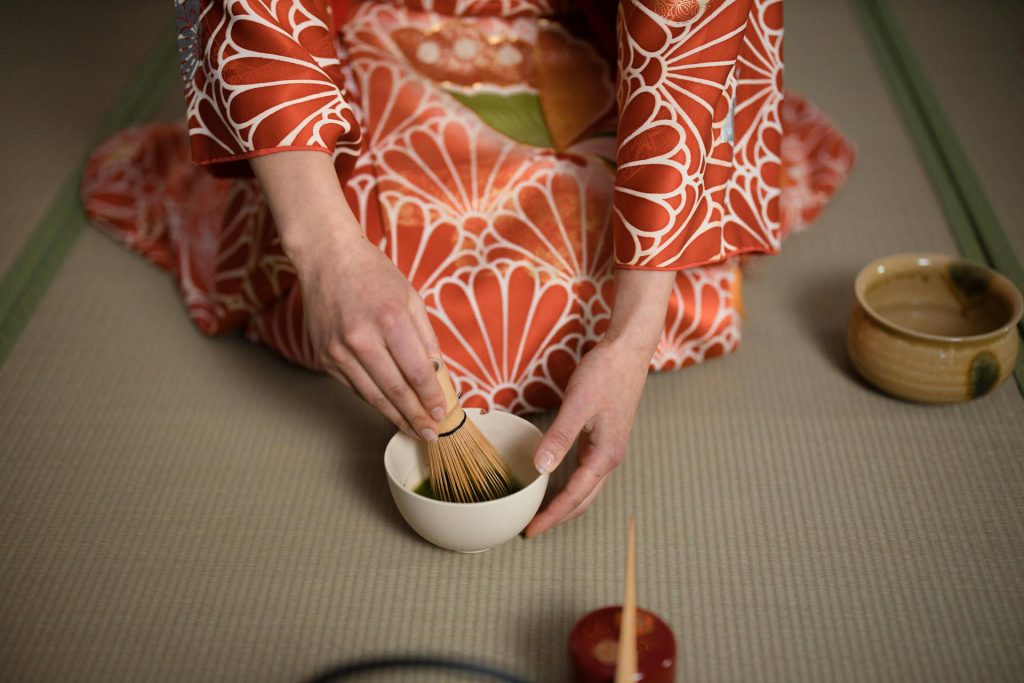
Example: A foreign guest at a Japanese tea ceremony may speak less formally at first but gradually share their unique perspective on the ceremony’s meaning—blending authenticity with respect.
Share Differences Openly
Sharing your unique qualities can inspire connection and appreciation.
- Introduce your hobbies, cultural traditions, or personal rituals
- Offer unique insights during discussions or collaborative tasks
- Use stories from your background to illustrate perspectives
Tip: Storytelling makes differences relatable. People are more receptive to experiences than abstract explanations.
Observe Positive Feedback and Reinforce Confidence
Pay attention to subtle cues of appreciation:
- Smiles, nods, laughter, or attentive listening
- Invitations to continue conversation or participate
- Positive body language and engagement
Tip: Keep a “feedback log” of moments where your differences were welcomed. Reviewing these reinforces self-esteem and encourages continued authenticity.
Turn Differences Into Learning Opportunities
Use your unique traits as a tool for cross-cultural growth:
- Compare your perspective with others to gain insight
- Seek guidance or feedback to improve cultural fluency
- Share techniques or habits that are new to others
Example: Sharing a cooking technique or snack from your home country may lead to curiosity, experimentation, and joyful interactions.
Practice Patience and Resilience
Acceptance takes time—for both yourself and others.
- Understand that initial misunderstandings are natural
- Avoid internalizing minor negative reactions
- Maintain self-compassion and persistence
Tip: Think of each interaction as a small experiment in cultural exchange, where success is measured by learning, not immediate approval.
Internal Affirmations to Strengthen Confidence
Build mental resilience through daily affirmations:
- “My differences bring value and connection.”
- “I am proud to share who I am, even if I stand out.”
- “Each interaction is an opportunity to learn and grow.”
Tip: Combine these affirmations with mindfulness practices, journaling, or reflection after cultural interactions to reinforce a positive self-image.
Engage in Communities That Celebrate Diversity
Seek spaces—online or offline—where individuality is welcomed:
- Expat or travel communities
- Cultural clubs, classes, or workshops
- Interest-based social groups
Tip: Being part of supportive networks helps normalize difference and provides safe spaces to experiment with expression.
Key Takeaway:
Celebrating your differences is both an internal mindset and an external practice. By observing, sharing, respecting, and reinforcing your uniqueness, you create meaningful connections while building confidence. Differences are not barriers—they are bridges.
Closing Reflection: Celebrate Your Uniqueness
Every individual carries traits, habits, perspectives, and quirks that set them apart. These differences are often perceived as obstacles, especially in cultures that emphasize harmony and conformity, like Japan. Yet, as we’ve explored throughout this article, your differences are not limitations—they are treasures.
Embrace Your Authentic Self
Your uniqueness is the lens through which the world experiences you. Whether it’s your accent, your sense of humor, your cultural practices, or the way you think about problems, these qualities define your identity. Instead of trying to fit into predefined molds, recognize that the world benefits from your originality.
Reflection Exercise: Take a moment each day to acknowledge one thing that makes you different—and appreciate its value. Over time, this practice strengthens self-confidence and resilience.
Differences as Bridges
When you express your individuality thoughtfully, it can create connections that words alone cannot build. The subtle differences in perspective, behavior, and approach can spark curiosity, joy, and empathy in those around you. Just like the traveler in Japan whose distinctive way of asking directions elicited warmth and smiles, your uniqueness can become a source of cross-cultural understanding and human connection.
From Self-Doubt to Self-Acceptance
It is natural to feel hesitation, embarrassment, or doubt about standing out. However, the more you experience positive interactions where your differences are embraced, the more these feelings transform into pride and self-assurance. Accepting and celebrating your individuality is a continuous process—one that enriches both your life and the lives of those you encounter.
Practical Wisdom
- Observe your unique traits and recognize their value
- Approach differences with curiosity and openness
- Share your individuality with kindness and respect
- Seek connections with those who celebrate diversity
- Reinforce your self-worth through reflection and affirmation
By doing so, you create a life where your authenticity is a source of connection, creativity, and courage.
QuietTether Philosophy
At QuietTether, we believe that the most profound human connections are often formed not by conformity, but by the courage to be oneself. In the words of our guiding principle:
“Your difference is not a barrier. It is the bridge that connects hearts in ways words cannot.”
Your individuality is beautiful. Celebrate it. Live it. Let it inspire others to do the same.