
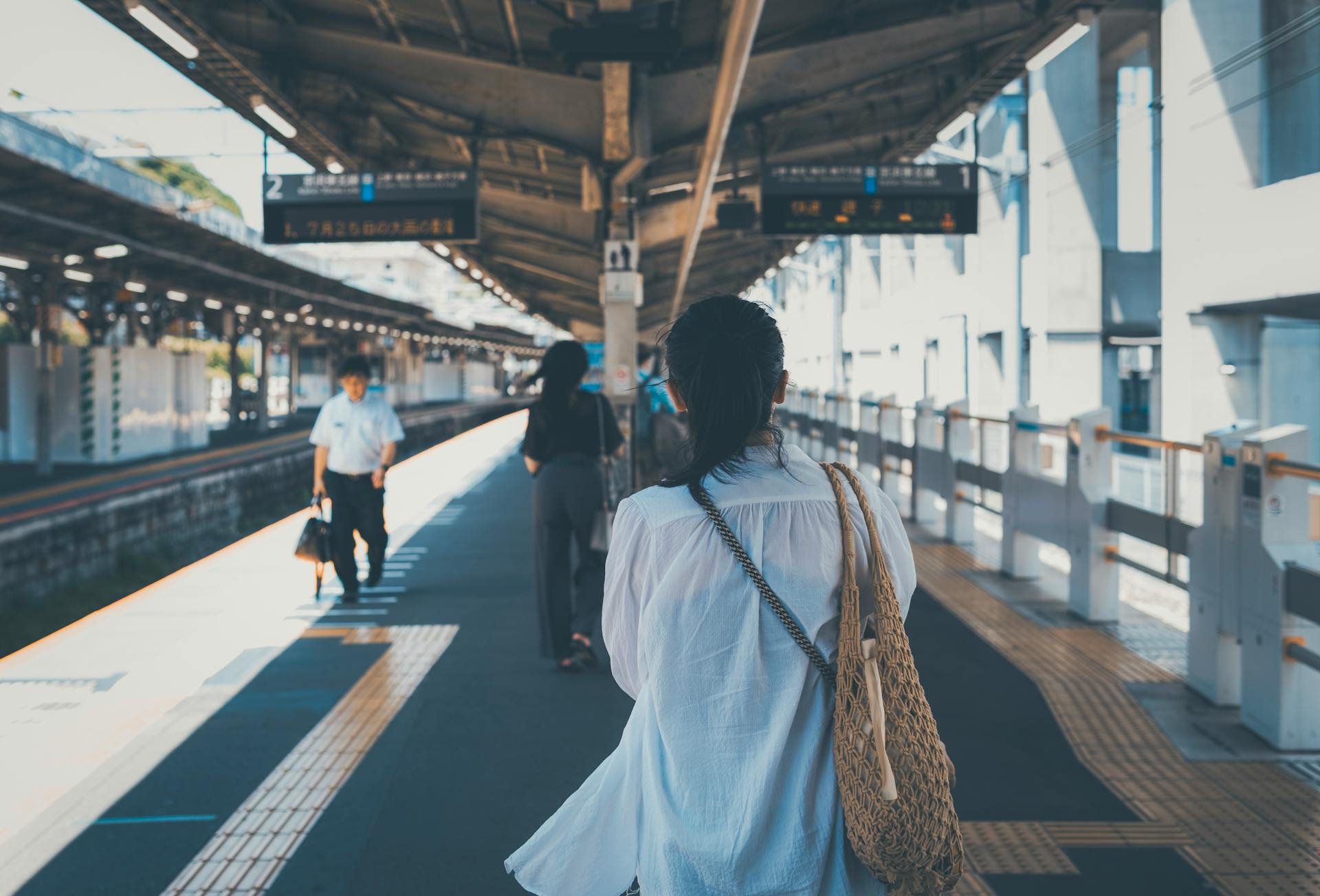
Opening Story: The Smile That Felt Heavy
When Daniel, a young business professional from the United States, first arrived in Tokyo for his new job assignment, he was struck by how warm and welcoming people seemed. Every shop attendant he met greeted him with a bright smile, his Japanese colleagues always bowed with polite cheerfulness, and even strangers on the street responded to his questions with friendly expressions.
At first, he felt uplifted. “Japan is such a kind place,” he wrote in an email to his family. “Everyone smiles—it feels safe, respectful, and even beautiful.”
But as the weeks passed, he began to notice something else. In the office, his coworkers smiled even when they looked tired. In restaurants, waitstaff smiled continuously, even when customers were demanding or unkind. Even at company meetings, where the pressure was obvious, the smiles never disappeared.
One day, after a long client presentation, Daniel noticed his closest colleague, Satoshi, still smiling faintly even though his shoulders were slumped with exhaustion. Curious and a little worried, Daniel asked quietly, “Aren’t you tired of always smiling?”
Satoshi laughed softly, lowered his voice, and replied, “In Japan, we smile to keep harmony. But you know… you don’t have to smile all the time. It’s okay to be yourself.”
That one sentence struck Daniel deeply. For the first time, he realized that not every smile he saw was effortless or natural—it was sometimes a mask, a duty, a quiet expectation. And yet, within that same culture, there was also kindness in allowing someone the freedom not to smile.
As he walked home that evening, Daniel reflected on his own habits. Back in the U.S., he smiled when he wanted to, not because it was required. Here in Japan, he was learning that smiling could mean many things: warmth, respect, formality—but also pressure. And the idea that he didn’t always have to force a smile suddenly felt like the most liberating, compassionate gift of all.
The Culture of Smiling in Japan
In Japan, a smile is far more than a spontaneous expression of joy. It is a cultural signal, deeply woven into the fabric of social interactions. For many Japanese people, smiling is a way to maintain harmony (wa), to smooth communication, and to reassure others that the relationship or atmosphere is safe.
Unlike in some Western cultures, where a smile is often interpreted as a genuine reflection of personal feelings, in Japan it can carry layers of meaning. A smile might say, “I respect you,” or “I don’t want you to worry,” or even simply “I acknowledge you.” Because of this, smiling has become a kind of social language—less about one’s private emotions and more about the collective comfort of the group.
This cultural nuance is particularly visible in customer service. In Japan’s service industries—restaurants, convenience stores, retail shops—employees are trained to greet customers with a bright and welcoming smile. The smile communicates not only friendliness but also reliability and sincerity. It assures the customer: “You are valued, and we are here to serve you with care.” For many foreigners, especially those from Western countries, this can feel refreshing and uplifting, even luxurious.
In the business world, too, smiling plays a significant role. Meetings, negotiations, and even casual office conversations often feature polite smiles. These are not always meant to express happiness, but rather to soften the atmosphere, to prevent conflict, and to signal professionalism. A Japanese colleague might smile even while disagreeing, as a way to express respect while gently steering the conversation.
There is also a cultural sensitivity behind the smile. In a society where direct confrontation is often avoided, the smile acts as a buffer. It allows people to express disagreement, discomfort, or hesitation indirectly, without creating tension. In this sense, the Japanese smile can be seen as a tool for emotional diplomacy—a way of balancing honesty with kindness.
For many foreigners arriving in Japan, this culture of smiling can initially feel enchanting. The abundance of polite expressions creates an atmosphere of courtesy and consideration that feels rare in many parts of the world. Yet beneath this beauty lies a subtle question: when does a smile remain a genuine expression, and when does it become a social obligation?
When a Smile Becomes a Mask
While the cultural role of smiling in Japan can be comforting and graceful, it can also carry a hidden burden. When a smile ceases to be a spontaneous reflection of emotion and instead becomes a requirement, it transforms into something heavier—a mask.
For many Japanese workers, particularly in customer-facing jobs, smiling is not a choice but an expectation. Employees are taught to greet each customer with a smile, regardless of their own emotional state. Whether one is exhausted, worried, or simply not in the mood, the smile must remain fixed. Over time, this creates a tension between inner feelings and outer expression. The smile no longer represents joy or warmth; it becomes a uniform, something to be worn like a company badge.
This phenomenon is not limited to service industries. In corporate offices, employees often feel the need to maintain a polite, smiling face during meetings or team discussions—even when they are under stress. The unspoken rule is that showing frustration or sadness risks being interpreted as unprofessional or disruptive. As a result, many people conceal their emotions behind a practiced smile, suppressing authenticity in favor of harmony.
From the perspective of foreign visitors or expatriates, this dynamic can be puzzling. Someone from a Western culture may expect that a smile indicates happiness or friendliness. When they see a colleague smiling even in moments of tension or disagreement, they might misinterpret the gesture as insincere or even dismissive. Conversely, they may feel confused when they themselves are expected to keep smiling in situations where it feels unnatural—such as during long work shifts, or when dealing with difficult customers.
The psychological cost of constant smiling has been noted in studies on emotional labor. Forcing a smile while feeling sadness or fatigue creates a gap between inner reality and outward expression. This gap can be draining. Some people describe it as “wearing a mask” all day long—polished on the outside, but increasingly worn down on the inside. Over time, the mask becomes heavy, eroding emotional well-being.
And yet, there is also a subtle kindness hidden within this practice. Many Japanese people force a smile not for themselves, but for the comfort of others. The smile is a gift, a way to avoid passing on one’s own stress or unhappiness. Still, this cultural kindness comes at a cost: the risk that people forget they, too, deserve spaces where they can rest their faces, let go of the mask, and simply be.
In recent years, a quiet conversation has begun in Japan about whether smiling should always be mandatory. More people are recognizing that a society in which every smile is forced cannot sustain genuine emotional connection. To move forward, there must be room for both—the smile of courtesy, and the unguarded, authentic smile that comes from the heart.
Cultural Contrasts in Emotional Expression
When considering the role of smiling across cultures, one quickly notices that what feels natural in one society may feel forced or even uncomfortable in another. The way people express—or withhold—their emotions is not universal; it is deeply shaped by cultural expectations.
In many Western countries, emotional expression is often equated with honesty. A smile is assumed to mean happiness, friendliness, or openness. If someone is upset, it may be seen as more authentic to frown or express frustration directly. In these societies, “being real” often means showing the emotions one actually feels. To smile while sad or angry can be interpreted as fake, even manipulative. For example, an American might interpret a constant smile from a colleague who is clearly under pressure as dishonest, while a German might prefer a straightforward acknowledgment of difficulty over a polite grin.
In Japan, however, the role of emotional expression is framed differently. Here, restraint is often valued as a form of maturity and respect. To maintain harmony (Wa) within a group, one may choose to smile even when not entirely happy. The purpose is not to deceive, but to prevent personal feelings from disturbing the collective atmosphere. A smile in this context functions as a social lubricant—a way to soften interactions and avoid friction.
This cultural contrast can lead to subtle misunderstandings. For example, a Japanese colleague may interpret a foreign coworker’s neutral expression as cold or unfriendly, because in Japan, “not smiling” is often associated with displeasure. Meanwhile, that same coworker may feel drained by the expectation to smile constantly, because in their home culture, smiles are reserved for genuine moments of joy or friendliness, not daily routine.
The result is a paradox: in Western contexts, not smiling can be a sign of honesty; in Japanese contexts, smiling can be a sign of courtesy. Neither is right or wrong—they are simply different expressions of what it means to respect others.
However, even within Japan, these norms are slowly shifting. A growing awareness of mental health and emotional well-being has sparked conversations about whether people should be expected to smile all the time. Some workplaces are beginning to accept that a serious or neutral face is not necessarily negative—it can also be a sign of authenticity. Similarly, young people exposed to global cultures through media and travel are increasingly blending these approaches, valuing both harmony and honesty.
Ultimately, the contrast highlights an important truth: while a smile may mean different things across cultures, the desire behind it is often the same. People everywhere want to connect, to be seen as approachable, and to foster trust. The difference lies in how that connection is expressed.
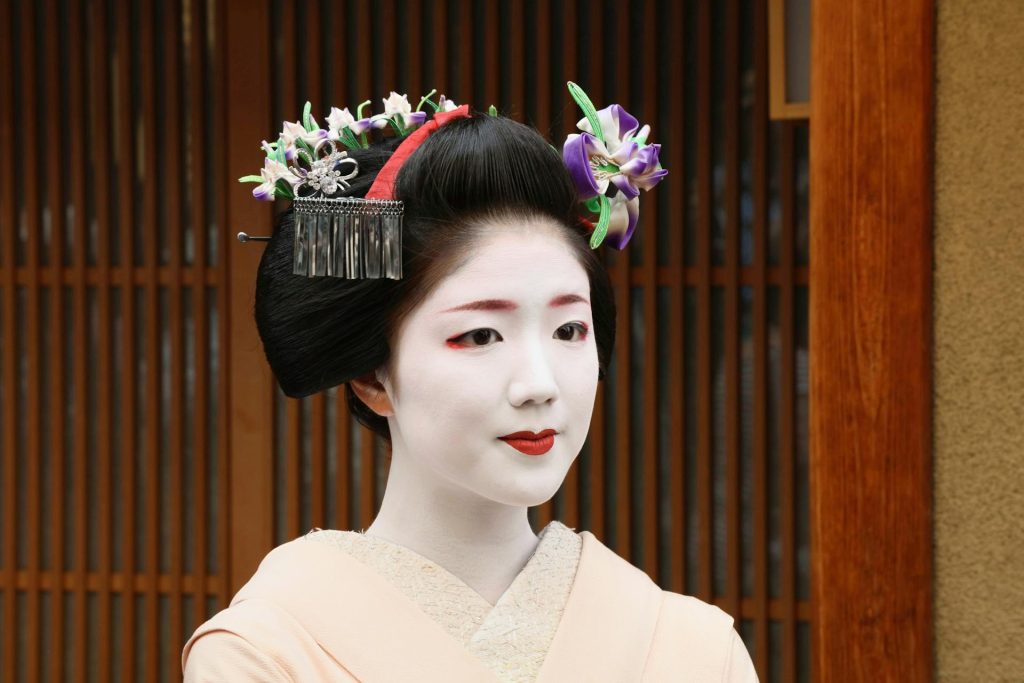
Toward a Society of Genuine Smiles
If Section 3 highlighted the cultural contrasts between “smiles as honesty” and “smiles as courtesy,” Section 4 looks forward—to what kind of society can emerge when people are freed from the weight of obligatory expressions.
A smile is at its most powerful when it is authentic. It carries warmth, reassurance, and kindness that no amount of training or rule-making can manufacture. Yet when smiling becomes an expectation—something demanded by workplaces, schools, or even social norms—it risks losing its meaning. Instead of building connections, it can create distance. People begin to sense when a smile is “put on,” and those giving the smile feel the emotional burden of keeping up appearances.
A society of genuine smiles begins by recognizing that not smiling is also okay. This does not mean rejecting politeness or consideration for others, but rather acknowledging that human emotions are complex and variable. There are days when one feels tired, anxious, or contemplative, and forcing a grin in those moments only deepens the inner strain.
In such a society, children would grow up knowing that they don’t need to pretend happiness to be accepted. They would understand that their worth is not tied to a performance of cheerfulness, but to the sincerity of their presence. Imagine a classroom where a quiet, serious child is not pressured to “smile more,” but is instead encouraged to share their thoughts and feelings in their own way.
For adults, the same principle offers profound relief. In customer service, for instance, a staff member who greets you with a calm but respectful tone—without an artificial smile—can feel more trustworthy than one who hides exhaustion behind a forced grin. In workplaces, being able to say, “I’m not at my best today, but I’ll do my best,” without the need to mask fatigue with a constant smile, builds honesty and trust among colleagues.
The ripple effect is powerful. When people stop being forced to smile, their genuine smiles carry more weight. They appear more radiant, more healing, precisely because they are rare and unforced. Smiles become gifts rather than obligations, bridges rather than masks.
Moving toward such a society requires cultural shifts: workplaces adjusting expectations, schools teaching children that emotional authenticity is part of kindness, and individuals learning to accept others’ natural expressions without judgment. It is not a rejection of smiles, but a reclamation of their true purpose—to express joy, empathy, and connection when it naturally arises.
In the end, a society of genuine smiles is not about smiling less—it is about smiling better. It is about letting each person’s face reflect the truth of their heart, trusting that honesty itself is the deepest form of respect.
Everyday Examples of Gentle Authenticity
Abstract ideals like “authenticity” or “genuine smiles” gain power when we see them lived in everyday moments. These moments may appear small, almost unremarkable, but they carry the quiet strength of honesty. Below are a few examples—drawn from workplaces, friendships, and daily life in Japan—where the absence of a forced smile becomes not a loss, but a gift.
Customer Service Beyond the Smile
A traveler once entered a small family-run inn in a rural Japanese town. The innkeeper, an elderly woman, did not greet him with a wide, polished smile like those seen in larger hotels. Instead, she looked up, met his eyes, and said in a calm, warm voice: “Welcome. You must be tired from your journey.” There was no performance, no trained grin, but the sincerity of her words created an immediate sense of care. The traveler later recalled that her genuine presence felt far more comforting than a rehearsed smile ever could.
A Workplace Where Honesty Feels Safe
In a Tokyo office, a young employee arrived one morning visibly exhausted. Rather than plastering on a smile to meet the unspoken expectations of cheerfulness, she simply said, “I didn’t sleep well last night, but I’ll do my best.” Her colleagues didn’t judge her for not looking upbeat; instead, they offered understanding, sharing their own stories of fatigue. What could have been an isolating day became a moment of solidarity, all because she felt free to set aside the mask of constant smiling.
Friendship Without Pretenses
Among friends, the freedom to drop the smile often signals the depth of trust. Two friends sitting in a café may spend hours together in near silence, one staring out the window after a difficult week, the other simply keeping them company. No pressure to laugh, no need to brighten the mood—just quiet presence. Later, when laughter does arise naturally, it feels fuller, richer, as though it belongs entirely to them.
Family Spaces of Acceptance
A parent tells their child, “It’s okay if you don’t feel like smiling today. You don’t always have to be cheerful.” For the child, this simple assurance plants the seed of emotional resilience: the knowledge that love is not conditional on constant positivity. That child will grow up understanding that authenticity is valued more than performance, a lesson that can ripple across generations.
The Unexpected Gift of a Genuine Smile
Finally, there are the moments when a genuine smile does appear, and its impact is amplified by its authenticity. A weary station attendant, who has been dealing with crowds all day, suddenly smiles warmly at a lost foreigner after helping them find their train. That one unforced smile, offered from real compassion, is remembered for years by the traveler. It is the scarcity and sincerity of such moments that make them so precious.
In each of these cases, what matters is not the absence or presence of a smile, but the honesty behind the expression. A society that allows people to show up as they are—whether smiling, serious, or tired—creates space for deeper trust and more meaningful connection.
Challenges and Opportunities
If Japan is to become a society where people no longer feel pressured to wear a smile as a mask, it must confront both cultural habits and structural expectations. This is not simply a matter of telling people, “You don’t have to smile.” It requires rethinking deeply ingrained values, workplace norms, and even cross-cultural misunderstandings. Yet within these challenges lie profound opportunities for transformation.
The Challenge of Cultural Expectations
For generations, smiling has been entwined with Japanese notions of politeness and harmony. In customer service, hospitality, and even casual interactions, a smile is seen as the “safe” way to keep relationships smooth. Breaking from this norm risks misunderstanding: a neutral face may be misread as coldness or disinterest. The challenge, then, is to loosen the rigid expectation while still respecting the cultural emphasis on empathy and social consideration.
The Workplace Pressure
In offices, retail shops, and service industries, workers often feel they must smile regardless of their mood. This creates emotional strain—what psychologists call emotional labor. Employees may experience burnout not from the work itself, but from the sustained effort of projecting cheer. Changing this requires a cultural shift in management: valuing sincerity over performance and recognizing that employees who feel safe being authentic ultimately contribute more effectively.
The Foreign Perspective
Foreigners living in Japan often express surprise at how consistently smiles are expected, even in situations where Western norms would allow more neutrality. While some find this charming, others feel pressured to conform, worried that a lack of smiling will be misinterpreted as rudeness. This cultural gap can lead to frustration on both sides. The opportunity lies in mutual learning: Japanese society can soften its expectations, while foreigners can approach these norms with curiosity and respect, recognizing the historical roots behind them.
Shifting Social Awareness
In recent years, Japanese media and social discussions have begun questioning the “smile pressure,” especially for women in service industries. Campaigns have highlighted the right to natural expression, arguing that kindness and professionalism do not depend on constant smiling. This awareness marks an important cultural shift: people are beginning to see that respect can be communicated in many forms—through attentive listening, calm presence, or honest words.
The Opportunity for Mental Health
If society accepts that not smiling is perfectly acceptable, the burden of emotional labor decreases, and mental health improves. Workers will feel more valued for their real selves rather than their ability to maintain a façade. Children will grow up believing they are loved not for their ability to “perform happiness” but for their genuine presence. This could gradually build a more compassionate culture where authenticity is celebrated.
Toward Genuine Connection
The deeper opportunity is this: when smiles are no longer obligatory, the smiles that remain will shine brighter. Freed from obligation, a smile becomes a true gift, carrying emotional depth. This not only benefits individuals but also enriches social interactions—because authenticity fosters trust, and trust is the foundation of meaningful connection.
Japan stands at a crossroads. It can continue clinging to rigid expectations of politeness, or it can embrace a more nuanced, humane vision of communication. The challenge is real—but so is the opportunity to build a society where kindness flows not from obligation, but from choice.
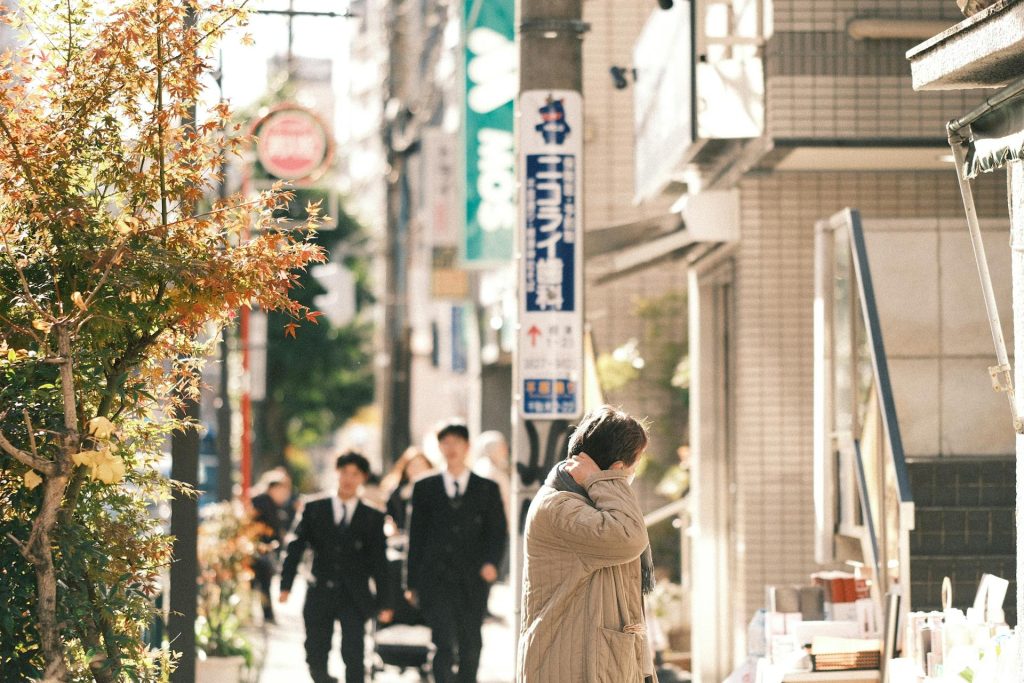
Practical Reflections for Readers
Big cultural conversations only matter if they find their way into our everyday lives. While most of us cannot instantly change workplace norms or long-standing traditions, we can choose how we engage with ourselves and others. The way to a society where no one feels pressured to force a smile begins with small, practical shifts—gentle reminders we can carry into daily interactions.
Be Honest with Yourself
There will be days when you feel light and days when you feel heavy. Some mornings, smiling comes naturally; other times, it feels impossible. Instead of pushing yourself to cover your emotions, pause and ask: “What do I really need right now?” Maybe it’s rest, maybe it’s silence, maybe it’s connection. Give yourself permission to honor those needs without judgment.
Practice Compassion for Others
When you see someone not smiling—or even looking distant—resist the urge to assume they are unfriendly. Instead, consider the possibility that they are simply tired, focused, or in need of quiet. By releasing the expectation that everyone must appear cheerful, you create space for more authentic human connection. A neutral face can carry just as much sincerity as a smile.
Celebrate Natural Smiles
The most powerful smiles are the ones that emerge spontaneously—a laugh shared with a friend, a moment of relief after stress, a quiet joy in seeing something beautiful. These smiles cannot be manufactured, and that is precisely why they move us. Pay attention to when your own smile arises naturally and cherish it as a sign of genuine presence.
Create Safe Spaces in Your Relationships
In your workplace, among friends, or within family, try to nurture an atmosphere where people feel free to say, “I’m not in the mood to smile today.” This might mean modeling authenticity yourself or responding warmly when someone admits to feeling low. Such small gestures invite deeper trust and show that care is not measured by outward expressions but by inward sincerity.
Balance Cultural Sensitivity with Authenticity
For foreigners in Japan, navigating the “smile expectation” can feel tricky. While it is wise to respect the cultural value of harmony, it is equally important not to lose your own sense of authenticity. You might smile to ease an interaction, but you don’t need to abandon your right to express yourself honestly. The key is to balance respect with truth—something both you and those around you can learn from.
Redefine What Kindness Looks Like
Remember that kindness is not only a smile. It is listening carefully, offering help, showing patience, respecting space, and being present. When you expand your understanding of kindness, you free yourself and others from the narrow demand of constant cheer.
By adopting these reflections, you begin to live differently—not only freeing yourself from the burden of forced smiles, but also helping those around you feel safe enough to do the same. Every honest moment, every natural gesture, every authentic smile becomes a quiet act of cultural transformation.
Closing Reflection: The Beauty of an Honest Face
The young business traveler from our opening story had learned something profound: the most memorable smiles are not the ones given out of obligation, but the ones that arrive naturally, unforced, from a place of genuine feeling. That single moment—when a Japanese colleague said, *“You don’t have to force a smile”—*was a revelation. It revealed a quiet truth about human interaction: authenticity outweighs performance.
In a society where harmony is prized, the pressure to maintain a cheerful facade can be immense. Yet, when people are allowed to show their real emotions, a different kind of warmth emerges. A smile that appears because it is genuinely felt communicates trust, comfort, and sincerity far more than a rehearsed grin ever could. Likewise, a neutral face does not signal coldness; it can communicate contemplation, attentiveness, or calm presence.
Consider the countless small interactions in daily life—train conductors greeting passengers, shop clerks assisting customers, coworkers passing in the hallway. Each moment carries the potential for authentic expression, whether through a smile, a nod, or simply a patient listening ear. In these exchanges, the absence of a forced smile can be liberating. It honors the individual’s state of being, creating space for real human connection rather than social performance.
The beauty of an honest face lies in its freedom. It allows emotions to exist naturally, without judgment, without obligation. It fosters empathy, because when you see someone simply being, you are invited to meet them there, in truth. In that sense, every unforced smile—or absence of one—is a bridge, connecting people in a way that is deeply human and profoundly moving.
In a world where social expectations can be heavy, remembering this principle is a small but radical act: to value presence over performance, authenticity over appearance, and compassion over compliance. To smile when it feels right, to rest when you are weary, to express joy, sadness, or neutrality without guilt—this is the path toward a more humane and balanced society.
QuietTether’s philosophy captures this essence perfectly:
“The most beautiful smile is the one that is freely given, not the one that is forced.”
It is a reminder that the truest connections are forged not through masks, but through the courage to be fully oneself—and to honor the same courage in others. In such a world, smiles are not obligations; they are gifts, naturally flowing from hearts at ease, creating warmth that no forced expression could ever replicate.