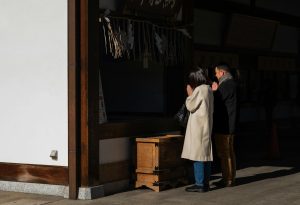

Opening Story: A Polite Refusal in Tokyo
It was a warm spring afternoon in Tokyo when Michael, a university student from Canada studying abroad, walked through the busy streets of Shibuya with his Japanese friend, Haruka. After hours of exploring the city, Michael noticed that Haruka’s pace had slowed a little, and her cheeks were slightly flushed. Concerned, he stopped at a vending machine and asked with genuine friendliness:
“Do you want something to drink? I’ll grab one for you.”
Haruka smiled politely and responded quickly, “Daijoubu desu.” In English, she added, “I’m fine.”
Michael was puzzled. She looked thirsty, yet she declined without hesitation. He pressed gently: “Are you sure? It’s really hot today.” Again, Haruka shook her head with a gentle laugh, repeating, “I’m fine, thank you.”
Later that evening, when they finally sat down at a café, Haruka gratefully accepted a glass of water with an expression that suggested she had, in fact, been thirsty all along.
For Michael, this was a small but eye-opening moment. Why would someone refuse help—even when they clearly could use it? Why would a simple offer of kindness be turned down with such politeness? This was his first real encounter with the cultural layers hidden in the Japanese phrase “daijoubu desu”—so often translated as “I’m fine,” but rarely as simple as it sounds.
From that day on, Michael began to notice it everywhere: at restaurants when waiters poured water, in classrooms when classmates offered snacks, even at train stations when he tried to help someone with their luggage. Again and again, the same words appeared: “Daijoubu desu. I’m fine.”
That small moment by the vending machine became a doorway into understanding something profound about Japanese communication: that “I’m fine” is not only about declining—it is also about harmony, politeness, and the quiet effort to avoid burdening others.
The Layers of “I’m Fine” in Japan
At first glance, “I’m fine” may appear to be a straightforward refusal. Yet in Japan, this short expression carries a wide spectrum of nuance, far beyond its English counterpart. The Japanese language is rich in ways of saying no—or more accurately, ways of not saying yes.
Common variations include:
- “Daijoubu desu” (大丈夫です) — literally “It’s okay” or “I’m fine.”
- “Kekkou desu” (結構です) — often translated as “No, thank you,” but with a polite distance.
- “Iie, iie” (いえいえ) — literally “No, no,” a humble way of declining while softening the refusal.
- “Mou daijoubu desu” (もう大丈夫です) — “I’m fine now,” implying gratitude but signaling that further help is unnecessary.
Each of these carries subtle differences in tone. For a foreigner hearing them, they may all blur into “no.” But for Japanese speakers, the variations help navigate a delicate balance between acceptance and refusal, gratitude and independence.
In many cases, “I’m fine” does not necessarily mean that the person truly does not want the offer. Instead, it often reflects a cultural instinct: avoid causing trouble, avoid taking more than one’s share, avoid disturbing the balance of the situation.
For example, when someone offers to refill your teacup, saying “Daijoubu desu” does not always mean you dislike tea. It may mean you do not wish to trouble the host by making them get up again, or that you feel you have already received enough kindness. Similarly, when a colleague offers help at work, saying “I’m fine” may mean “I appreciate your offer, but I don’t want to inconvenience you,” even if secretly you could use the help.
In this way, “I’m fine” becomes less about the physical need at hand and more about the social relationship in the moment. It is a phrase that reflects Japan’s cultural priority: harmony (wa).
To outsiders, this layering may feel confusing, even frustrating. But within Japanese society, it provides a safety net—a way to decline gracefully without upsetting the balance of politeness.
Harmony Over Honesty
In Western cultures, especially in North America and much of Europe, directness is often seen as a virtue. If you want something, you say so. If you do not, you decline clearly. Honesty is considered respectful, and clarity is valued over subtlety.
For instance, when an American is asked at a dinner table, “Would you like some more salad?” the expected answers are straightforward: “Yes, please” or “No, thank you.” There is little room for ambiguity. If someone is thirsty, they will usually say, “Yes, I’d love some water.” Refusing when you actually want something may even be considered dishonest, or at least socially awkward.
Japan, however, operates with a different set of priorities. While honesty is valued, it is often balanced—or even overshadowed—by the cultural importance of harmony (wa). In Japanese social life, the preservation of group balance often matters more than personal desire.
The Role of Restraint
In many everyday interactions, restraint is seen as a sign of maturity and consideration. Saying “I’m fine” is not necessarily about denying one’s needs; it is about protecting others from potential burden. To accept too quickly, too eagerly, might appear selfish or inconsiderate. By first declining politely, one shows humility.
This restraint is visible in countless small exchanges:
- At a family dinner, a child may hesitate to take the last piece of tempura, saying “Daijoubu desu” to let others have the chance first.
- At work, an employee might decline assistance with a heavy workload, not because help is unnecessary, but because they do not wish to shift responsibility onto others.
- Among friends, a guest may initially refuse a second serving of food, not because they are full, but because they do not want to appear greedy.
In each case, the refusal is less about the actual need and more about the social message: “I am considerate of you.”
Honesty vs. Social Grace
From a Western perspective, this can feel confusing—even frustrating. Why not just say what you mean? Yet in Japan, the “truth” of the situation is not always what matters most. Instead, the emphasis is on maintaining a smooth interaction.
To say directly, “Yes, I want that,” can feel overly bold. It risks shifting attention to the self and away from the group. By contrast, a soft “I’m fine” keeps the atmosphere calm and balanced. If the offer is repeated, the person may then accept—but only after showing that they did not presume upon the kindness of others.
This balance reveals a cultural difference:
- In the West, honesty is harmony—clear words prevent misunderstanding.
- In Japan, harmony sometimes requires less honesty—soft words prevent discomfort.
The Gentle Art of Refusal
Another reason “I’m fine” appears so often is because Japanese communication avoids confrontation. A blunt “No” can feel too strong, even impolite. Instead, phrases like “Daijoubu desu” or “Kekkou desu” act as cushions, softening the refusal while leaving room for nuance.
This is why, to the untrained ear, Japanese conversations can sound indirect. But in reality, this indirectness is not about avoiding meaning—it is about protecting relationships. Every “I’m fine” carries an unspoken subtext: “I appreciate your offer. I value your kindness. But for now, please don’t trouble yourself on my behalf.”
The Psychology Behind “I’m Fine”
Why do Japanese people so often default to saying “I’m fine” (daijoubu desu)—even when they might actually want what is being offered? To understand this, we must look beyond language and into the psychology that shapes Japanese communication.
The Deep-Seated Value of Not Causing Trouble
One of the most powerful forces in Japanese social life is the idea of Meiwaku wo kakenai—not causing trouble for others. From childhood, people in Japan are taught to be mindful of how their actions affect those around them.
- In school, children clean their classrooms together, reinforcing the idea that responsibility is shared.
- At home, family members often avoid making demands that could burden others.
- In public, passengers on trains speak quietly so as not to disturb fellow commuters.
Within this framework, accepting an offer too quickly or asking directly for something can feel like an imposition. Saying “I’m fine” becomes a default way of signaling, “I don’t want to inconvenience you.”
Gratitude Hidden in Restraint
Interestingly, the word “daijoubu” or the phrase “I’m fine” often carries a quiet sense of gratitude. It may sound like rejection, but psychologically, it is a way of saying: “Thank you for thinking of me. I appreciate it. But I do not want to add to your burden.”
This nuance explains why a Japanese person might smile warmly while refusing a second serving of food. The smile and the soft refusal together communicate both gratitude and consideration.
The Habit of Politeness
Another psychological layer is habit. Many Japanese people say “I’m fine” almost reflexively. It becomes an automatic phrase of politeness, used even before they have had time to consider whether they truly want or need something.
This reflex can be confusing to outsiders. A foreign friend may offer, “Would you like some tea?” and hear “I’m fine.” Later, the same Japanese friend might accept after the offer is repeated. To the foreigner, this shift seems contradictory. But psychologically, the first “I’m fine” was less about the tea itself and more about maintaining a polite rhythm of interaction.
Honne and Tatemae: The Dual Layers of Self
At the heart of this psychology lies one of the most discussed aspects of Japanese culture: Honne (true feelings) and Tatemae (public façade).
- Honne is what one truly thinks or desires.
- Tatemae is what one expresses outwardly to preserve harmony.
“I’m fine” often lives in the space between these two layers. A person might genuinely want something (Honne), but feel that expressing it directly would be too self-centered (Tatemae). Thus, “I’m fine” becomes a socially acceptable compromise.
Emotional Self-Regulation
Psychologists might describe this as a form of emotional self-regulation. Instead of expressing immediate desire, the Japanese individual pauses, tempers their response, and considers the broader social context. This regulation reflects maturity in Japanese society, where smooth relationships are often considered more important than individual expression.
In contrast, Western psychology often emphasizes assertiveness training—teaching people to state their needs clearly and directly. Japan, however, trains its members in restraint and empathy, teaching people to gauge the needs of others before their own.
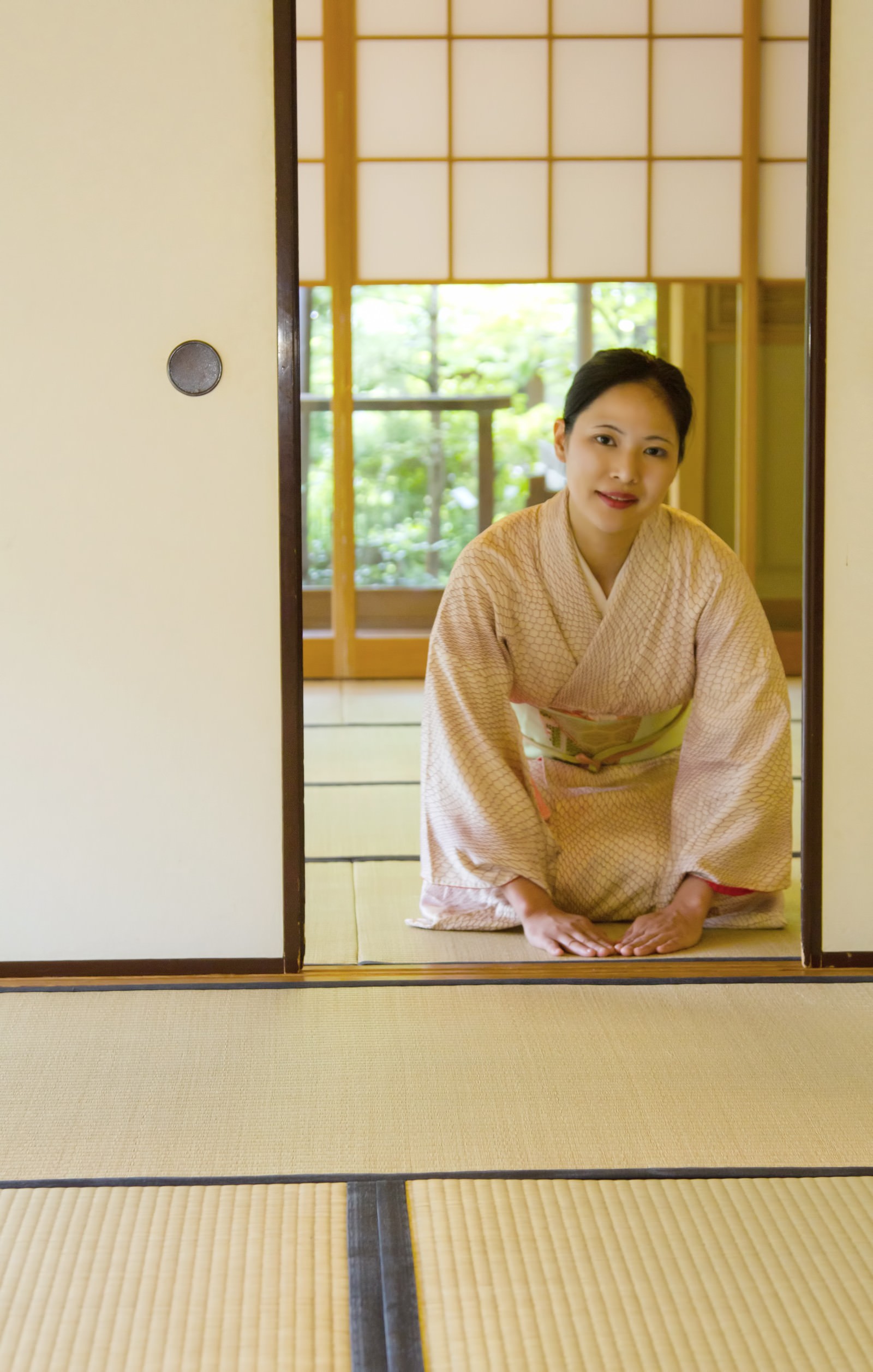
When “I’m Fine” Really Means “Yes, Please”
One of the most confusing aspects of Japanese communication for foreigners is the phenomenon where a polite refusal does not always mean a true rejection. In Japan, “I’m fine” can sometimes be the first step in a gentle dance of social interaction, where no eventually becomes yes.
The Ritual of Initial Refusal
In many Japanese households, guests are often encouraged to eat more food, drink another cup of tea, or accept a small gift. Yet the expected response from the guest—at least the first time—is often “I’m fine” or “Daijoubu desu.”
This is not a rejection of the host’s kindness. Rather, it is a display of 遠慮 (Enryo)—restraint or modesty. By refusing at first, the guest shows humility and avoids appearing greedy. Only after the host insists again, sometimes two or three times, will the guest finally accept.
This ritual signals respect on both sides:
- The host shows generosity by insisting.
- The guest shows modesty by initially declining.
Together, these actions affirm mutual care and harmony.
A Cultural Code of Indirect Acceptance
To Westerners, this pattern can feel like unnecessary complication. Why not simply say “Yes, thank you” if you want something? But in Japan, direct acceptance can sometimes feel abrupt or self-centered.
By saying “I’m fine” first, the person gives the host an opportunity to demonstrate their sincerity. When the offer is repeated, acceptance feels more natural—because the host has shown they truly want to give, and the guest has demonstrated they are not taking advantage.
Everyday Examples
- At the dinner table: A grandmother offers her grandson another rice ball. He replies, “I’m fine.” She insists, placing it gently on his plate. He eats happily.
- In an office: A colleague offers to help with paperwork. The other says, “Daijoubu desu.” When the colleague insists, the person finally accepts, grateful but without appearing demanding.
- Among friends: At a café, someone offers a sip of their drink. The friend declines at first, but when encouraged again, takes a small sip—smiling, because the offer was genuine.
The Hidden Message: “I Do Want It”
Foreigners often misinterpret this ritual. They may hear “I’m fine” and withdraw the offer, leaving the Japanese person quietly disappointed. The hidden message is: “I don’t want to impose, but if you truly don’t mind, I’d like to accept.”
In other words, “I’m fine” can actually be a test of sincerity. If the host insists, it proves the offer was genuine. If not, the guest can gracefully avoid burdening the host.
Lessons for Cross-Cultural Understanding
For those visiting or living in Japan, one important lesson is: Don’t take the first “I’m fine” too literally. It may be polite modesty rather than refusal.
A good rule of thumb:
- If you want to give something, offer at least twice.
- If you are offered something, it’s okay to decline once, but feel free to accept if asked again.
This ritual is not about dishonesty. It is about respecting social harmony through gentle give-and-take.
Everyday Scenarios
The phrase “I’m fine” (or its Japanese equivalents like “Daijoubu desu”, “Kekkou desu”, or simply “Iie, iie”) appears in countless small interactions throughout Japanese daily life. To understand its cultural weight, it is useful to explore everyday situations where these words shape the rhythm of social harmony.
At a Restaurant: When Water is Offered
In many Japanese restaurants, staff frequently refill customers’ glasses with water or tea. Often, a diner will smile politely and respond with “Daijoubu desu” (I’m fine) when asked if they want more.
This does not necessarily mean the diner dislikes the drink. It may simply mean:
- They don’t want to trouble the staff unnecessarily.
- They feel it’s not essential at that moment.
- They prefer to maintain modesty rather than accept every offer.
Foreigners may wonder, “Why refuse free water?” But in Japan, the act of refusing signals a subtle respect: “Thank you for the offer, but I don’t want to take too much of your time or resources.”
Among Friends: Sharing Food at the Table
Imagine sitting with Japanese friends at an izakaya (casual pub). One friend offers the last piece of karaage (fried chicken) to another. The likely response is “I’m fine.”
This is not necessarily the truth. The person may want it—but etiquette dictates showing restraint. By refusing first, they allow others the chance to enjoy it. If the piece remains and someone insists again, the polite restraint can transform into acceptance.
This small ritual demonstrates the cultural principle of 遠慮 (enryo)—withholding one’s desire to avoid seeming greedy.
In the Workplace: Declining Help
A colleague may say, “Do you need help with this report?” and the immediate reply is often “Daijoubu desu”.
Here, “I’m fine” does not necessarily mean the task is easy. Instead, it reflects a desire not to burden others. In Japanese work culture, where group harmony is vital, asking for help too quickly can feel selfish. Saying “I’m fine” preserves dignity and minimizes inconvenience to colleagues.
Yet, when the offer is repeated sincerely, the individual may accept. The subtle shift from refusal to acceptance signals both gratitude and respect.
At Home: The Family Circle
Even within the intimacy of family, “I’m fine” is a common phrase. A mother may ask her child, “Do you want more rice?” The child replies, “Daijoubu.” If the mother gently insists, a second helping may soon appear in the bowl.
In these familial contexts, the phrase is less about strict etiquette and more about rhythm. It softens exchanges, avoids abrupt demands, and adds a layer of kindness to the everyday routine.
On the Street: Receiving Help from Strangers
Imagine a passerby noticing someone struggling with heavy luggage near a train station. The natural Japanese response when offered help might be, “Daijoubu desu.”
This refusal is not because the person does not appreciate the kindness. Instead, it shows reluctance to inconvenience someone else. If the helper insists, the luggage may eventually be accepted with a bow and a soft “Arigatou gozaimasu.”
The Common Thread
In all of these situations—restaurants, friendships, workplaces, homes, or public spaces—the phrase “I’m fine” works as a social cushion. It reduces friction, keeps the interaction gentle, and places the burden of decision on the other person.
Foreign visitors may find it confusing or even frustrating, but once understood, it reveals the Japanese sensitivity to social harmony: every refusal, even a false one, is a gift of consideration.
Misunderstandings for Foreigners
For many foreigners visiting or living in Japan, the phrase “I’m fine” or “Daijoubu desu” becomes a puzzle. It seems so simple—yet its meaning shifts depending on the context, the tone, and even the number of times it is repeated. These cultural subtleties often lead to misunderstandings that can cause confusion, frustration, or unintentional rudeness on both sides.
The Ambiguity of Refusal
In Western cultures, communication is expected to be clear and direct. A “Yes” means yes, and a “No” means no. When a Japanese person says “I’m fine”, foreigners often take it at face value and stop offering. Later, they may discover that the person actually wanted the drink, food, or assistance but was too polite to accept initially.
This creates a sense of contradiction: “Why didn’t they just say what they wanted?” From the Japanese perspective, however, the act of refusing first is not deception but courtesy. It acknowledges the kindness of the offer without appearing greedy.
The Shock of Indirectness
Foreigners who pride themselves on honesty sometimes feel uneasy. A European traveler might think: “If I say I’m fine when I’m not, I’m lying.” But in Japan, the value lies not in stark honesty, but in social smoothness. The phrase is less about the individual’s exact state and more about maintaining balance in the group.
This cultural gap often produces moments of awkward silence, with foreigners thinking, “I can’t tell if they actually want it or not.”
The First “No” Is Not Always Final
One of the greatest misunderstandings lies in assuming that the first “I’m fine” is final. In reality, it may be a polite “not yet”. Many Japanese expect the other person to offer again—at least once, maybe twice—before they feel comfortable accepting.
Foreigners who retreat too quickly may unintentionally deprive their Japanese friends of what they actually want. For example:
- At a dinner, a guest says “Daijoubu desu” when asked if they want more rice. The host, if foreign, may stop asking. A Japanese host, however, would likely ask again, sensing that the guest may only be holding back out of politeness.
The “Unnecessary Burden” Misinterpretation
Foreign visitors sometimes assume that “I’m fine” means the person is rejecting their kindness. But often, the Japanese speaker is trying to protect the other person from inconvenience.
Example: A foreigner offers to carry a suitcase for an older Japanese man. The man says “Daijoubu desu”. The foreigner walks away, thinking the help was unwanted. In truth, the man might have greatly appreciated the offer but felt guilty about burdening a stranger.
The Foreign Perspective: Frustration and Humor
These misunderstandings often become a source of humorous anecdotes among expatriates in Japan:
- “I offered food three times, and finally they ate half the plate!”
- “I thought my colleague didn’t need help, but later they stayed two extra hours to finish their work.”
What may seem like unnecessary complexity to foreigners is, in fact, an expression of Enryo (restraint) and Omoiyari (consideration)—two pillars of Japanese social interaction.
Strategies for Foreigners
To avoid misinterpretation, foreigners can keep a few principles in mind:
- Don’t assume the first “I’m fine” is literal. It may be politeness, not truth.
- Offer twice. A second offer often reveals the person’s real intention.
- Watch body language. Hesitation, smiles, or a hand gesture may carry more truth than words.
- Don’t push too hard. Persistence should be gentle, never forceful, or it may cause discomfort.
By learning these subtle rules, foreigners can navigate daily life in Japan with greater ease and deepen their relationships with Japanese people.
The Heart of the Misunderstanding
At its core, the confusion stems from a cultural contrast:
- In the West: Clarity is kindness.
- In Japan: Softness and ambiguity are kindness.
When foreigners shift their perspective, the phrase “I’m fine” transforms from a frustrating enigma into a window into Japanese values of harmony, modesty, and care for others.

Learning to Navigate “I’m Fine”
Understanding the phrase “I’m fine” in Japan is not just a matter of translation—it requires learning to read context, tone, and culture. For foreigners, mastering this nuance can mean the difference between frustrating miscommunications and forming genuine, trusting relationships.
Shifting Perspective: From Literal to Cultural
The first step is accepting that “I’m fine” in Japan does not always mean what it does in English. Instead of interpreting it literally, think of it as a social signal—a way of keeping the other person comfortable.
Where a Westerner might equate truth with directness, Japanese culture equates kindness with gentleness. Recognizing this mental shift makes it easier to avoid misunderstandings.
The Art of Asking Twice
Foreigners often hear advice like, “Don’t take the first no too seriously.” In Japan, this is not a trick or manipulation but a demonstration of politeness.
- First offer: The other person politely declines, showing they are not greedy.
- Second offer: If genuine, they may accept, now confident they are not imposing.
- Third offer (optional): This is usually the point where the person feels safe enough to reveal their true need.
By offering again, foreigners show persistence that is not pushy but caring.
Reading Non-Verbal Cues
Japanese communication relies heavily on body language and tone. When someone says “Daijoubu desu” (I’m fine), pay attention to:
- Facial expressions: A smile that lingers may signal appreciation but hesitation.
- Body posture: Leaning slightly forward while refusing may mean they actually want it.
- Tone of voice: A soft, wavering tone can indicate uncertainty rather than finality.
Learning to “read the air” (kuuki wo yomu) helps foreigners respond more appropriately.
Balancing Respect and Persistence
While it’s important not to withdraw too quickly, it’s equally crucial not to push too hard. In Japan, excessive insistence can cause embarrassment. The key is gentle repetition with space:
- Offer once → Wait → Offer again.
- If the second refusal is firm and accompanied by decisive body language, it is better to respect it.
This balance shows both care and sensitivity.
Turning “I’m Fine” into an Opportunity for Bonding
Instead of viewing “I’m fine” as a barrier, foreigners can treat it as an invitation to show attentiveness. For example:
- When offering food: “Are you sure? It’s no trouble—I’d be happy to share.”
- When offering help: “Please don’t hesitate. I’d really like to.”
- When checking again: A warm smile and gentle tone can make the difference.
These small gestures reflect omoiyari (thoughtful consideration), deepening trust and comfort in relationships.
Practical Tips for Foreigners in Daily Life
Here are some strategies foreigners can practice to navigate “I’m fine”:
- Always assume the first “I’m fine” may be politeness.
- Offer twice, especially in situations involving food, drinks, or help.
- Look beyond words—body language often tells the truth.
- Keep your tone soft—gentleness matters more than insistence.
- Respect a firm refusal—knowing when to stop is part of the harmony.
The Reward of Understanding
When foreigners adapt to these cultural rhythms, they often find their Japanese friends opening up more. What once felt like a wall of politeness becomes a dance of kindness, where both sides are attentive, patient, and respectful.
It’s not about learning to “outsmart” the phrase “I’m fine”, but about appreciating the quiet generosity behind it.
A Lesson in Harmony
Navigating “I’m fine” is essentially learning to live in tune with Japanese values of enryo (restraint) and omoiyari (consideration). For foreigners, the reward is not only smoother interactions but also a deeper appreciation of a culture where even refusals are acts of kindness.
Closing Reflection: The Quiet Power of “I’m Fine”
At first glance, “I’m fine” may seem like a wall—an obstacle preventing deeper connection. To Western ears, it can sound evasive, indecisive, or frustratingly vague. But within Japan, this simple phrase holds a very different meaning. It is less about refusal and more about gentle consideration, less about hiding the truth and more about preserving harmony.
1. A Word Woven with Kindness
In Japanese culture, every interaction is framed by the desire not to burden others. To say “I’m fine” is to express, “I care about your effort, and I don’t want to impose.” It is an act of empathy disguised as a refusal.
Even when thirsty, hungry, or in need of help, many Japanese will say “daijoubu desu” first. Not because they reject kindness, but because they prioritize the other person’s comfort over their own. This restraint, far from cold, is actually a quiet warmth.
2. Harmony Through Restraint
Where Western cultures often prize clarity, Japan often prizes subtlety. A direct “yes, please” may feel too forward, while “I’m fine” keeps the exchange balanced and respectful. It reassures the other person: “You don’t need to worry about me.”
This doesn’t mean honesty is absent; rather, honesty is expressed through delicacy. The phrase functions as a cushion, softening human interactions, making them smoother, lighter, and less burdensome.
3. Beyond Words: A Philosophy of Living
For foreigners who learn to see “I’m fine” not as avoidance but as an offering of kindness, an entire world of Japanese communication unfolds. It is a reminder that harmony is sometimes maintained not by saying what we want, but by showing care for what the other person might feel.
Even a refusal, when spoken gently, can be a gift. It is not the end of generosity, but part of a larger cycle of consideration that makes daily life in Japan feel quietly interconnected.
4. A Gentle Invitation
Understanding “I’m fine” allows us to move closer to the heart of Japanese culture. It invites us to practice patience, to listen with more than our ears, and to value silence as much as speech.
It also encourages us to adopt a broader perspective on kindness: that sometimes, the most thoughtful response is the one that spares the other person effort or concern.
5. QuietTether Philosophy
At QuietTether, we believe that true connection often hides in life’s smallest, softest moments. “I’m fine” is one of them.
It teaches us that refusal is not rejection, but a form of respect. It shows us that harmony can be preserved in ways that words alone cannot explain. And it reminds us that kindness does not always shout—it often whispers.
✨
“In Japan, even a refusal can be a gift of kindness. ‘I’m fine’ is not the end of a conversation, but a way of keeping harmony alive.”