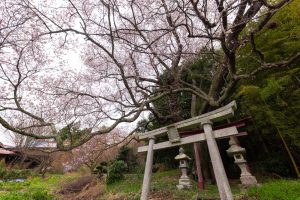

Opening Story: A Pause That Says Everything
The small café sat tucked away on a quiet street in a residential corner of Tokyo. Afternoon light filtered through the large windows, landing softly on the polished wooden tables. Outside, the world carried on with its usual rhythm: bicycles clicking past, the faint hum of traffic at a distance, the occasional rustle of a breeze through early spring blossoms. Inside, however, the world seemed to slow down. The air was warm with the scent of roasted coffee beans and faint traces of green tea, a blend of East and West that mirrored the scene about to unfold.
David, a traveler from Canada spending several weeks in Japan, sat across from his new friend, Yuki. They had met only a few days earlier at a community language exchange, and Yuki had suggested they grab a cup of tea together. For David, this was exactly what he wanted—authentic connection with locals, conversations that would help him learn more than guidebooks ever could.
At first, everything went as expected. They exchanged small talk about the neighborhood, about their favorite foods, about the different ways cherry blossoms are celebrated in Japan versus Canada. David found himself curious and eager to ask more. He was aware that he spoke too fast sometimes, his words tumbling over one another in his enthusiasm, but Yuki seemed patient, responding thoughtfully, nodding, smiling gently.
And then it happened: a pause.
After David had asked Yuki about her favorite childhood memory, she gave a small smile and looked out the window. Her gaze lingered on the branches swaying outside. She lifted her teacup, took a slow sip, and set it down with deliberate quietness. A moment passed. Then another. Then another.
David’s instinct screamed at him to fill the silence. Back home, a pause in conversation was a sign of awkwardness, of something gone wrong. In Western gatherings, silence was to be patched over quickly with chatter, with humor, with something. The quiet stretched on, and David felt his pulse quicken.
“Maybe she didn’t understand my question?” he wondered.
“Maybe she’s bored? Or worse, maybe I offended her somehow.”
But Yuki’s expression told a different story. Her face was calm, her smile soft and untroubled. There was no tension in her body language, no signs of discomfort. She seemed perfectly at ease, as if the silence itself was part of the conversation. When their eyes met again, she offered a gentle nod—as though to reassure him without words.
It was then that David noticed something surprising. The quiet didn’t feel empty. It was not the silence of absence, but the silence of presence. The café sounds—the faint clink of a spoon, the rustle of a newspaper, the low hum of conversation at another table—rose to the surface, filling the space between them. The pause gave him a chance to notice the taste of his tea, the warmth of the cup in his hands, the softness of the light falling on the table.
And then, without rush, Yuki spoke.
“When I was little,” she said slowly, her voice carrying a reflective tone, “I used to walk to school with my grandmother. She would stop to point out the flowers along the way—camellias in winter, plum blossoms in early spring, hydrangeas when the rains came. She taught me to notice small things.”
David exhaled, realizing only now that he had been holding his breath. The story was beautiful in its simplicity, but what struck him even more was the space around it—the silence that had preceded her words, the silence that had allowed the memory to surface with such clarity.
By the time they left the café, David felt changed in a subtle but undeniable way. He realized that the pause he had initially feared was not a void to be filled, but a gift to be experienced. The silence was not awkward. It was comfortable. It was alive. And in that pause, he found himself closer not only to his new friend, but also to a way of being that he had never known existed.
Silence in Western vs. Japanese Communication
Silence, though universal as an acoustic phenomenon, does not carry a universal meaning. Its interpretation is shaped deeply by culture, by history, and by the unspoken agreements that govern how people share space together. To some, silence is a void, an absence to be repaired quickly; to others, it is a living presence, dense with meaning, trust, or reflection. Few cultural comparisons illuminate this difference more clearly than the contrast between Western and Japanese approaches to silence in communication.
Silence in the Western Imagination
In much of the Western world—particularly in North America and parts of Europe—silence often carries uncomfortable connotations. A pause in conversation is likely to be interpreted as awkwardness, misunderstanding, or even hostility. There is a cultural expectation that interaction should be lively, continuous, filled with signals of engagement.
Consider the classroom in a typical Western educational setting. When a teacher asks a question, students are encouraged to respond quickly. Hesitation is sometimes equated with ignorance, and silence becomes a performance failure. In business meetings, prolonged quiet is often interpreted as lack of preparation or disinterest. In social life, gaps in dialogue can make people fidget, rush to crack jokes, or change the subject entirely.
Psychologists studying conversational turn-taking note that in English-speaking cultures, the average gap between speakers is about 200 milliseconds—less than the blink of an eye. Any pause longer than that begins to feel strange, as though something has gone wrong. Silence is something to “fill,” much like an awkward hole in the road.
Why is this the case? Several cultural roots can be identified:
- The Legacy of Rhetoric and Debate
Western civilization has long prized rhetoric—the art of persuasion through speech. From the agora of ancient Greece to the courtroom dramas of modern America, the ability to speak quickly, fluidly, and persuasively has been linked with intelligence, leadership, and power. Hesitation or silence, by contrast, might suggest weakness. - The Influence of Individualism
In societies that emphasize individual expression, silence can appear as withholding or disengagement. To remain quiet when you have something to say may even be viewed as failing to contribute. Conversation, then, becomes a stage on which each person must demonstrate presence and selfhood. - The Association of Silence with Discomfort
Western media often reinforces the trope of “awkward silence.” In films, sitcoms, and dramas, a pause in dialogue is used to signal embarrassment or relational breakdown. Audiences are trained to laugh, cringe, or anticipate a corrective punchline.
From this perspective, it is no wonder that someone like David, in the opening story, would feel unsettled by a silence that stretches longer than a few seconds. His cultural training tells him: Something is wrong. Fix it.
Silence in the Japanese Context
In Japan, however, silence is not automatically seen as an error to be corrected. It may instead be interpreted as thoughtfulness, respect, or even intimacy. The absence of speech can itself be a form of communication, conveying meaning not through words but through presence, timing, and context.
Research into Japanese conversational patterns reveals that the “average gap” between speakers is significantly longer than in English-speaking cultures. Pauses of one, two, even three seconds are not necessarily viewed as uncomfortable. Rather, they may be considered necessary space—for reflection, for careful phrasing, or for allowing the other person’s words to settle.
This tolerance for silence is rooted in several aspects of Japanese culture:
- The Value of Reflection
Japanese communication often privileges consideration over immediacy. Speaking too quickly may be interpreted as rash or shallow. Silence allows time for deeper thought, demonstrating that one takes the conversation seriously. - The Aesthetic of “Ma” (間)
Central to Japanese art, architecture, and performance is the concept of ma—the meaningful interval or empty space. Just as a pause in music gives rhythm its life, silence in conversation creates resonance. It allows words to breathe, emotions to emerge, and unspoken meanings to be shared. - Harmony and Group Sensitivity
In a culture that emphasizes social harmony (wa), silence can prevent conflict. Rather than confronting someone directly, remaining quiet may serve as a polite refusal or a way of softening disagreement. Equally, silence may be a way of showing deep agreement—when words would only dilute what is already understood.
Divergent Interpretations of the Same Pause
Imagine the same three-second silence in two different contexts:
- In an American boardroom, the silence after a question may cause restless shifting, someone rushing to speak up, or a leader interpreting it as lack of engagement.
- In a Japanese meeting room, the silence may signal that participants are carefully considering the matter, weighing implications, and showing respect for the questioner by not rushing to respond.
The same phenomenon—a pause—carries nearly opposite meanings depending on the cultural frame.
The Risk of Misunderstanding
These differences can easily lead to cross-cultural misunderstandings. A Westerner may interpret Japanese silence as lack of interest, passivity, or even disapproval. A Japanese speaker, on the other hand, may find Western rapid-fire responses shallow or disrespectful, as if no real thought was given.
For foreigners in Japan, learning to sit comfortably with silence is a form of cultural adaptation. It requires unlearning the reflex to fill every gap and recognizing that communication is not only about words but also about timing, presence, and listening.
For Japanese people interacting abroad, awareness of Western discomfort with silence can help prevent miscommunication. Sometimes, offering verbal cues (“I’m thinking,” or “That’s an interesting question”) bridges the gap between two cultural logics of conversation.
In short, silence is never truly silent. It is always speaking—but in different dialects of meaning. To understand Japan, one must learn not just the words, but also the pauses between them.
The Cultural Roots of Comfortable Silence
To an outsider, silence in conversation can feel like an accident—something unintended, something missing. But in Japan, silence has roots as deep as its spoken words. It is not an absence, but a presence; not a void, but a vessel filled with subtle meanings. Understanding why silence is so natural in Japan requires a journey into the cultural, spiritual, and artistic soil from which it grows.
Zen and the Language of Emptiness
One of the most profound influences on Japanese attitudes toward silence is Zen Buddhism. From its introduction from China during the Kamakura period (12th–13th centuries), Zen shaped not only religious practice but also art, architecture, garden design, and everyday life.
In Zen practice, silence is not awkward; it is the very ground of awareness. Monks meditate for hours in silence, facing a blank wall, letting thoughts come and go. The silence is not empty—it is alive with the sound of one’s own breath, the rustle of robes, the distant cry of a bird. Words are seen as insufficient for truth; direct experience is deeper.
This sensibility seeps into conversation. To pause before speaking is to respect the complexity of thought, to allow awareness to settle. Silence can communicate presence more clearly than chatter. When Japanese people allow silences in conversation, they echo this Zen understanding: that reality often reveals itself in what is not said.
The Concept of Ma (間) — The Space That Holds Meaning
Another root lies in the uniquely Japanese aesthetic concept of ma, often translated as “interval” or “gap,” but in truth much richer. Ma is the pause between notes in music, the blank space in a painting, the emptiness in a tea room, the stillness between gestures in Noh theater.
In Western aesthetics, fullness is often prized—color filling the canvas, melody filling every measure. In Japanese aesthetics, it is often the opposite: emptiness, restraint, and space are what give form to meaning.
Conversation reflects this as well. Silence between words is not something broken; it is ma—a space in which unspoken understanding can dwell. Just as the pause in a haiku intensifies its imagery, the pause in dialogue intensifies the relationship.
When two friends sit in silence over tea, they are not failing to communicate. They are communicating through ma, sharing presence without words.
Poetry and the Art of the Unsaid
Japanese literature, too, has cultivated silence as an aesthetic resource. The short forms of waka and haiku depend on suggestion, on what is left unsaid. A seventeen-syllable haiku often does not declare meaning directly; it gestures toward it, leaving silence for the reader’s imagination to fill.
For example, a haiku might describe only a frog jumping into a pond, and the sound of water. The silence before and after that sound is part of the poem. Without it, the haiku would lose its depth.
This literary tradition has trained generations to read silence not as emptiness, but as eloquence. A person who falls quiet in conversation is not necessarily withholding—they may be, like the poet, inviting the other to fill the space with their own resonance.
Noh, Tea, and the Ritualization of Pause
In the performing arts, silence is not absence but presence. Noh theater, one of Japan’s oldest dramatic forms, uses long pauses in dialogue and movement. These moments allow the audience to breathe, to contemplate, to sink into the performance’s atmosphere. Western audiences sometimes grow restless, but for Japanese viewers, the silence is part of the drama.
Similarly, the tea ceremony (chanoyu) embodies silence as respect. Hosts and guests exchange words sparingly, focusing instead on gestures, on the sound of the kettle, on the quiet rhythm of serving tea. Silence here is etiquette, a way of saying: This moment is enough. Words are not required.
Through these arts, Japanese culture has ritualized silence, teaching people to perceive it as beautiful, even sacred.
Silence as Connection, Not Separation
Underlying all of these traditions is a worldview that does not treat silence as separation. In much of the West, silence can feel like a wall, cutting people off from one another. In Japan, silence often does the opposite: it creates a bridge.
This is possible because Japanese communication is deeply contextual. Instead of relying solely on explicit words, meaning is often conveyed through tone, gesture, atmosphere, and shared history. Silence becomes part of this non-verbal vocabulary. It allows people to sense each other’s feelings without direct articulation.
Thus, sitting in silence with a friend or colleague is not interpreted as distance, but as closeness. It signals comfort: I do not need to perform. I can simply be here with you.
The Spiritual Dimension of Quietude
Beyond aesthetics and communication, silence in Japan carries a spiritual resonance. Shinto shrines are often approached through forests or long stone paths where words naturally fall away. The silence of snow falling on a temple garden, or the hush of morning mist over rice fields, speaks directly to the soul.
This reverence for quietude feeds back into social life. To honor silence in daily conversation is to echo the silence of the shrine, the mountain, the garden. It is to acknowledge that the sacred resides not only in places of worship but also in the pauses of ordinary life.
A Contrast with Noise
One final root of Japan’s appreciation for silence is its contrast with noise. Modern Japanese cities may be bustling, but culturally, there is still an expectation of quiet in many shared spaces—trains, libraries, even busy cafés. This is not simply about rules; it reflects a sensitivity to the collective atmosphere. By reducing unnecessary noise, people create a more harmonious environment where silence itself can be heard.
Thus, silence is not only tolerated but cultivated. It is something to protect, a shared good.
Bringing the Roots Together
When we combine Zen’s reverence for direct, wordless experience, ma’s aesthetic of intervals, the poetic art of the unsaid, the ritualized silence of Noh and tea, and the spiritual hush of shrine and nature, we begin to understand why silence in Japan carries such weight. It is not a failure of speech, but a cultural inheritance that has taught generations to hear meaning in quietness.
What feels like emptiness to some is fullness to others. For the Japanese sensibility, silence is never “nothing.” It is the space in which everything—thought, respect, beauty, connection—can emerge.

Section 3: Silence as a Form of Respect
In many cultures, respect is shown through words: polite phrases, affirmations, or carefully chosen compliments. In Japan, however, one of the deepest forms of respect is found not in what is spoken, but in what is withheld. Silence, here, is not passive—it is an active demonstration of care, humility, and attentiveness.
The Pause Before Reply
In conversations with elders, teachers, or superiors, it is common to notice a pause before responding. This moment of silence is not hesitation in the negative sense; it is a sign of thoughtfulness. By pausing, the listener shows that they are carefully considering the speaker’s words rather than rushing to answer.
For a Japanese person, responding too quickly might signal carelessness, or worse, arrogance—as though the speaker’s words required no reflection. Silence creates space for dignity, for both the speaker and the listener.
In this way, silence is an acknowledgment: Your words deserve to be received slowly, not rushed past.
Listening Beyond Words
Japanese communication often emphasizes listening between the lines (kuuki wo yomu, literally “reading the air”). Silence plays a crucial role here. By refraining from speaking, a listener opens themselves to subtle cues—the speaker’s tone, posture, or even what they choose not to say.
For example, a friend may not directly voice their struggles, but in the silence that follows a vague statement—“It’s been a little tough lately…”—the attentive listener can sense the deeper message. To fill that silence too quickly with chatter might erase the chance to perceive the unspoken.
Thus, silence becomes an act of respect: a willingness to wait and sense, rather than impose one’s own words.
Deference to Authority and Age
Japanese society has long placed importance on hierarchy, whether in the family, workplace, or school. Silence is often a tool to navigate this hierarchy respectfully.
- In the presence of elders, silence can indicate deference. Instead of interrupting or challenging, one waits patiently.
- In the workplace, employees may remain silent in meetings, not out of disinterest, but to allow managers or senior colleagues the full stage of expression.
- In traditional settings such as the tea ceremony or martial arts training, silence during instruction is a sign of humility: the student’s role is to absorb, not to argue.
While in some cultures silence could be misread as passivity, in Japan it communicates: I respect your position enough to listen fully, without intrusion.
Silence as Empathy
Sometimes, words risk wounding more than they heal. In moments of grief, disappointment, or vulnerability, silence can be the most compassionate response.
Consider a funeral, where Japanese mourners often bow and stand quietly beside the bereaved. Few words are exchanged, yet the presence itself speaks volumes. Silence here is not emptiness—it is empathy without intrusion.
In friendships, too, silence can show solidarity. Sitting beside someone who is troubled without forcing conversation is a way of saying: I am here with you. You are not alone. The absence of words allows space for feelings that words cannot adequately hold.
Respect Through Non-Interruption
In Japanese conversation, interrupting is often seen as disrespectful. Silence ensures that the speaker’s thoughts can reach completion. This differs from many Western conversational norms, where overlaps and interjections may signal engagement or enthusiasm.
In Japan, however, to allow another to speak fully—without rushing to reply or insert one’s opinion—is a profound courtesy. The silence between turns is not dead air but a respectful buffer, preserving the speaker’s flow.
Silence in Business and Negotiation
Even in modern corporate life, silence retains its role as respect. In business meetings, moments of silence after a proposal are common. Foreigners may misinterpret this as disapproval, but often it is the opposite: a thoughtful pause signaling serious consideration.
In negotiations, silence can also create balance. Rather than pushing with aggressive speech, a Japanese negotiator may wait in silence, granting dignity to the process. The other side feels their words are being weighed, not dismissed.
Silence as Modesty
Another dimension of respect is modesty. In Japan, boasting about oneself or speaking too much about personal achievements is frowned upon. Silence becomes a graceful way of avoiding self-centeredness.
When praised, many Japanese respond with a modest smile and silence, or a brief deflection. This restraint reflects the cultural value of humility. Respect is shown not only to others, but to the harmony of the group itself: silence keeps attention from lingering excessively on oneself.
A Culture Where Silence Honors Others
Taken together, these practices reveal that silence in Japan is not a gap to be feared, but a deliberate expression of respect. Whether in pausing before a reply, listening with empathy, refraining from interruption, or quietly standing beside someone in grief, silence speaks.
In the Japanese context, words can sometimes feel too sharp, too intrusive. Silence softens the interaction, allowing relationships to breathe. It signals attentiveness, humility, and trust—qualities that, in this cultural landscape, matter far more than constant verbal reassurance.
Respect here is not loud. It is quiet. It is the space between words, the pause that says: You matter enough for me to wait, to listen, to hold back my own voice.
Silence in Daily Life
While the philosophical roots of silence in Japan trace back to Zen, ma, and cultural aesthetics, its presence is not confined to poetry or temples. Silence flows into everyday life—public spaces, homes, workplaces—forming a quiet rhythm that underpins the Japanese way of living. It is a silence that feels less like absence and more like presence, woven seamlessly into daily routines.
Silence on Trains
For many visitors, the first striking encounter with Japanese silence comes on trains. In cities where millions commute daily, one might expect a cacophony of voices, laughter, and phone calls. Instead, carriages are marked by an enveloping hush. Passengers read, scroll through phones, doze, or simply gaze out the window. Even when crowded, the noise is restrained—only the hum of the engine, the occasional announcement, and the soft rustle of turning pages.
This quiet is not enforced by law, but by shared understanding. Speaking loudly or taking phone calls is considered inconsiderate. Silence here is a form of social courtesy: each individual helps maintain a collective calm in a space that must serve everyone.
For foreigners, this silence can feel uncanny at first—why does no one chat? But soon, the stillness becomes a comfort, a small sanctuary within the rush of urban life.
Silence in Restaurants and Cafés
Dining in Japan is often accompanied by a different kind of silence—not complete stillness, but a gentle quietness. In small ramen shops, customers eat quickly, often without much conversation, focused on the steaming bowl before them. In traditional tea houses, voices lower to a soft murmur, honoring the tranquil setting.
Even in lively 居酒屋 izakaya bars, where laughter and chatter spill over, silence appears in respectful moments: when someone raises a glass for a toast, or when diners pause to savor a dish. The Japanese saying いただきますItadakimasu (said before eating) and ごちそうさまでした Gochisousama deshita (said after) bracket meals with short moments of silence—acknowledgments of gratitude.
Foreigners may notice that in Japan, silence at the table is not awkward. Eating together does not demand constant chatter; companionship is affirmed by presence, not words.
Silence at Home
Silence also inhabits domestic life. In many Japanese households, evenings may pass with family members quietly engaged in their own activities: one reading, another watching television, another simply sitting. Conversation happens, but not as an obligation to fill space.
Respect for silence is embedded in traditional architecture. Sliding doors, tatami mats, and wooden frames soften sound, creating homes that invite stillness. Even in modern apartments, noise is kept minimal—partly due to thin walls, but also out of courtesy to neighbors.
For some foreigners, this domestic quiet can feel lonely; for others, it reveals a gentler rhythm of family intimacy. Silence here means comfort: the ability to coexist without pressure.
Silence in Nature
Perhaps nowhere does silence feel more profound than in Japanese gardens, mountains, or shrines. Standing among mossy stones, or walking through a cedar forest, one finds a stillness that is not empty but alive. In Shinto shrines, silence is part of the ritual; worshippers bow, clap their hands twice, and then pause in wordless prayer.
In cherry blossom viewing (花見 Hanami), silence often follows the initial excitement. People sit beneath the petals and watch them fall, allowing the scene to wash over them without commentary. Similarly, during autumn’s 紅葉狩り momiji-gari (maple viewing), groups will pause, wordless, before the blaze of red leaves. Silence here signals awe.
Silence in Business Life
In offices and boardrooms, silence has its own role. Meetings are often punctuated with long pauses after a proposal or statement. For foreigners accustomed to rapid dialogue, this silence can feel uncomfortable, even alarming. But in Japan, it signals deep thought and consideration.
During negotiations, a manager may lean back, close their eyes briefly, and say nothing. The silence is not rejection—it is deliberation, respect for the weight of the decision. Words come only after reflection.
In daily office interactions too, silence appears: colleagues working side by side for hours, speaking only when necessary, yet sharing a quiet sense of teamwork. Here, silence builds efficiency and harmony.
Silence Between Friends and Lovers
One of the most revealing aspects of Japanese life is how silence exists comfortably between people who are close. Friends may sit side by side in a café, each absorbed in their own thoughts, saying little. Couples may walk hand in hand without needing to fill the air with conversation.
Such silences are not signs of distance, but of trust. They say: We don’t need words to prove our bond. Silence in these relationships reflects a deeper comfort—the knowledge that presence itself is enough.
Silence in Ritual and Ceremony
Daily life in Japan is punctuated with small rituals that include silence. In bowing, there is often a quiet pause before rising. In the tea ceremony, silence frames each gesture, elevating the act of serving tea into an art. Even in martial arts, moments of silence mark respect for teachers, opponents, and the practice itself.
Silence in ritual is not passive; it is active reverence, a recognition of the sacredness in ordinary acts.
The Everyday Gift of Silence
In Japan, silence is not restricted to temples, poetry, or meditation. It lives in the hum of trains, the pauses of meals, the rhythm of work, the flow of friendships, and the awe of nature. It is woven into the daily fabric of existence, shaping how people share space, food, time, and presence.
For those coming from cultures where silence feels awkward or empty, this everyday quiet offers a revelation: life does not need to be filled with constant sound. Silence can carry respect, gratitude, companionship, even joy.
In Japan’s daily life, silence is not a void. It is a gift—a gentle reminder that connection does not always require words.

How Foreigners Experience It
For many foreigners, the Japanese relationship with silence is not immediately intuitive. Coming from cultures where conversation flows quickly and silence is treated with suspicion, the quietness of Japan can feel both disorienting and intriguing. It takes time to adjust, but once embraced, silence becomes one of the most cherished discoveries of life in Japan.
The First Encounter: Silence as Awkwardness
A common story begins in casual settings—a café, a train ride, or a dinner table. A foreign visitor, used to filling pauses with small talk, suddenly realizes that the Japanese friend across the table is not rushing to speak. Seconds stretch. The visitor feels compelled to break the silence with another question, another comment, anything to keep the conversation alive.
In many Western cultures, silence during conversation is equated with failure: perhaps the other person is bored, disinterested, or even offended. A gap of more than a few seconds may feel unbearable. The visitor’s mind races: Am I saying something wrong? Should I add more? Are they upset?
At first, silence in Japan is misinterpreted as absence—absence of interest, absence of connection. The unease is natural; it reflects the conditioning of a culture that treats silence as void rather than presence.
The Gradual Shift: Recognizing Comfort
But as days turn into weeks, something shifts. Foreigners notice that Japanese friends smile softly during pauses, sip tea, or simply gaze out the window. They are not uncomfortable. They are not impatient. They are present.
This realization can be liberating. The foreigner begins to understand that silence is not an accusation or a sign of failure. It is an allowed space. A room for thought. A cushion where both people can simply exist without performance.
The shift feels like a small but profound freedom: no longer bound to constant talk, one can breathe within the relationship.
Silence as a Bond
Over time, many foreigners discover that silence in Japan is not just tolerated—it is a marker of closeness. A Japanese colleague who speaks little during lunch, or a friend who is content to sit quietly during a walk, is not creating distance. They are signaling trust.
This surprises many visitors. In their home countries, silence may suggest disconnection, but in Japan it suggests the opposite: comfort. The relationship is strong enough that words are not needed to maintain it.
Foreigners often describe this as a turning point. The moment they stop interpreting silence as coldness, and start seeing it as intimacy, is the moment they feel truly accepted into Japanese social life.
Silence in Professional Settings
In professional environments, however, foreigners may struggle longer. During business meetings, the Japanese tendency to pause before answering can be unsettling. A Western manager might interpret silence as hesitation or disagreement, rushing to fill the gap with additional explanation. But Japanese colleagues often view silence as a sign of careful thought.
Some foreigners admit to initially panicking: Why aren’t they responding? Do they dislike the idea? Later, they come to see silence as a sign of respect. To answer without reflection would be careless. Silence means the proposal is being taken seriously.
Those who adapt find that their own communication style changes: they learn to wait, to breathe, to allow room for thought. Silence becomes not an obstacle, but a negotiation tool, a shared space where deeper understanding can emerge.
Silence in Public Spaces
Public silence is another revelation. For a traveler accustomed to lively chatter on subways or buses, Japanese trains feel surreal—dozens of passengers packed together, yet enveloped in near-total quiet.
At first, the foreigner may find this unnerving, even oppressive. But soon, they come to value it. Silence creates a shared respect in crowded spaces, a collective acknowledgment that everyone deserves peace. Foreigners often remark that they miss this silence when they return home, where public spaces are filled with loud conversations and phone calls.
From Fear to Affection
The journey foreigners describe often follows a clear arc:
- Stage 1: Unease — Silence feels awkward, even hostile.
- Stage 2: Curiosity — Silence is noticed, questioned, pondered.
- Stage 3: Acceptance — Silence becomes tolerable, even neutral.
- Stage 4: Affection — Silence is embraced as intimate, respectful, and deeply human.
What once seemed strange becomes a source of comfort. Many foreigners carry this newfound appreciation back home, seeking quiet moments in their own relationships and environments.
Stories of Transformation
- A student from France recalls how she panicked during her first tea ceremony, unsure if she should speak during the long pauses. By the end of her year in Japan, she found herself cherishing those silences as the most meaningful part of the ritual.
- An American businessman once felt meetings dragged because of the silence between comments. Later, he learned to wait and discovered that Japanese colleagues offered more thoughtful, precise responses once given the space.
- A traveler from Brazil described sitting with Japanese friends under cherry blossoms, initially trying to fill every pause with words. When he finally let the silence linger, he realized it was the silence that made the moment unforgettable.
Silence as a Lesson
For foreigners, the Japanese way of silence is not just a cultural quirk—it is a quiet teacher. It challenges assumptions about communication, about the need to constantly perform or reassure through words. It invites one to trust presence, to find meaning in pauses, to feel intimacy in stillness.
By embracing silence, foreigners often find themselves transformed. They return home with a new perspective: that silence is not an enemy of conversation, but a companion. That sometimes, the deepest connections happen when nothing is said.
Comparisons and Misunderstandings
Silence is never neutral—it is always interpreted through the lens of culture. What feels natural and respectful in one society may feel uncomfortable or even offensive in another. Nowhere is this clearer than in the comparison between Japan and other parts of the world, where silence can often become a source of misunderstanding.
Silence in Multicultural Encounters
When people from different cultural backgrounds come together, silence can speak unintended languages. A Japanese person may pause out of politeness, carefully considering their words. A Western colleague may see the pause as uncertainty, disapproval, or even passive resistance.
Conversely, a foreigner who speaks rapidly without pauses may strike a Japanese listener as aggressive, insensitive, or unwilling to reflect. What one side perceives as enthusiasm, the other may interpret as pressure.
These mismatched expectations create subtle frictions. The silence that is meant as respect can be misread as disinterest; the words intended as engagement can be read as intrusion.
The Western Discomfort with Silence
In many Western cultures, particularly in the United States and parts of Europe, silence during conversation is treated almost like a vacuum to be filled. Long pauses often make people anxious. A break in speech may provoke someone to interject, lighten the mood with a joke, or switch topics entirely.
This is rooted in communication styles that prize assertiveness and continuous exchange. Silence is seen not as space but as absence—absence of ideas, emotions, or social connection. To sit quietly with someone without speaking can feel awkward, even rude.
This is why foreigners in Japan often misinterpret silence as coldness. They bring with them the assumption that conversation must be continuous, and so a pause feels like failure.
Japanese Silence Misunderstood Abroad
The reverse is equally true. Japanese individuals abroad often find themselves misinterpreted. When they fall silent during meetings or social gatherings, others may assume they lack confidence, have no opinion, or are disengaged.
In reality, the silence may be deliberate: an effort to show humility, to allow others to speak, or to avoid conflict. But in a culture where silence is equated with passivity, these intentions are often overlooked.
This can lead to frustration for both sides. Japanese participants may feel pressured to speak prematurely, while their foreign counterparts may feel unsupported by what they interpret as silence.
Misinterpretations in Personal Relationships
Misunderstandings are not confined to workplaces. In friendships or romantic relationships, silence can carry very different meanings across cultures.
A Japanese partner may feel comfortable sharing long stretches of quiet time with someone they love—watching television, walking, or simply being together without speaking. To them, silence is intimacy.
But to a foreign partner accustomed to constant verbal reassurance, this silence may feel like emotional distance. Why aren’t they talking? Are they upset? Have I done something wrong? The very behavior meant to express closeness may instead be read as detachment.
Silence as Politeness vs. Silence as Distance
At the heart of the misunderstanding is the cultural coding of silence.
- In Japan: Silence often means politeness, thoughtfulness, or comfort.
- In the West: Silence often means distance, discomfort, or lack of interest.
Both interpretations are valid within their cultural contexts. The challenge arises when the two meet. What is considered respectful in one culture may appear cold in another.
Bridging the Gap: Toward Mutual Understanding
The key to overcoming these misunderstandings lies in awareness. Recognizing that silence does not have a single universal meaning is the first step.
For foreigners in Japan, this means learning to relax into silence, resisting the urge to fill every pause. For Japanese people abroad, it may mean explaining their cultural background, or adjusting slightly by offering verbal cues that signal engagement.
In multicultural teams, explicit conversations about communication styles can prevent small misunderstandings from growing into conflicts. Leaders who understand the different cultural interpretations of silence can create an environment where pauses are respected, and contributions are not judged solely by their frequency.
Silence as a Cultural Mirror
Ultimately, silence reveals as much about the listener as it does about the speaker. It mirrors our assumptions about connection, respect, and intimacy. When foreigners encounter Japanese silence, they are often forced to confront their own discomfort: Why does silence feel threatening to me? Why do I equate words with care?
Likewise, when Japanese individuals encounter Western discomfort with silence, they may reflect: Why do I equate silence with respect? Why do I feel talking too much is intrusive?
These moments of cultural dissonance become opportunities for growth. Misunderstandings are not barriers, but doorways into deeper self-awareness and mutual empathy.
The Quiet Challenge of Cross-Cultural Silence
Comparisons between Japan and other cultures highlight a fundamental truth: silence is never empty. It is full of meaning, but the meaning is not universal. Misunderstandings are inevitable, but they are also invitations—to listen more carefully, to explain more openly, and to broaden our sense of what it means to connect.
By learning to see silence through multiple lenses, we begin not only to understand Japan better, but also to understand ourselves.

Lessons for the World
Silence is more than the absence of speech—it is a form of presence. In a world that grows noisier by the day, with constant notifications, endless conversations, and the pressure to “have a voice” on everything, the Japanese way of embracing silence offers lessons that extend far beyond its borders.
The Value of Saying Nothing
One of the most profound lessons Japan teaches is that not every thought must be spoken, not every gap must be filled. In a culture that often rewards speed and volume of speech, silence becomes a radical act of restraint.
It allows us to listen—truly listen—to what others are saying. It acknowledges that words, once spoken, cannot be taken back, and that careful thought deserves time. In silence, we respect not only the speaker but also the unspoken nuances of the situation.
For the world, this suggests a shift: from communication as performance to communication as relationship. Speaking less can sometimes deepen connection more than speaking more.
Silence as Shared Comfort
Imagine two friends sitting together in a park, or a family gathered around the dinner table. In some cultures, these moments require conversation to feel alive. In Japan, they can be complete with silence.
Silence in companionship is not a void but a presence—it says, I am comfortable enough with you that words are unnecessary. It is a sign of trust, intimacy, and acceptance.
The world can learn from this. In an age when relationships are often measured by the frequency of messages or the number of updates shared, the Japanese approach reminds us that presence itself is communication. Sometimes, simply being there is the greatest gift.
Silence in Decision-Making
Another lesson lies in how silence shapes decision-making. In Japanese meetings, long pauses are common. Rather than rushing to fill the air with arguments, participants often reflect quietly before responding.
This practice teaches patience. It encourages depth over speed, substance over surface. It values decisions that endure, not just ones that are quick.
In global leadership, adopting even a fraction of this patience could transform how organizations and communities handle complexity. Silence becomes a tool for wisdom, reminding us that immediate answers are not always the best answers.
Silence in a Digital Age
The modern world bombards us with noise—literal and figurative. Notifications, updates, endless streams of information all demand our attention. The pressure to respond instantly, to remain always “online,” leaves little room for silence.
Yet silence is precisely what the digital age needs. Moments of deliberate disconnection—turning off the phone, stepping outside without headphones, sitting quietly before answering an email—are acts of reclaiming our humanity.
The Japanese comfort with silence offers a blueprint. It suggests that silence is not wasted time but essential space: the breathing room where thoughts can settle, emotions can surface, and clarity can emerge.
Silence as a Universal Language
When language barriers exist, silence often becomes the bridge. A shared pause, a smile, or a quiet gesture communicates across cultures more effectively than imperfect words.
This universality makes silence a powerful tool in diplomacy, international friendships, and multicultural teams. It creates space for empathy, allowing people to feel understood even when exact translation is impossible.
The Japanese approach teaches us that silence itself can be a form of dialogue—an acknowledgment that not everything meaningful needs to be articulated.
Reframing Silence Globally
To apply these lessons globally, a shift in perception is necessary:
- From emptiness to fullness: Silence is not the absence of meaning, but the presence of depth.
- From failure to respect: Silence is not a breakdown in communication, but an act of care.
- From awkwardness to intimacy: Silence is not a barrier, but a bridge that allows comfort to grow.
When we reframe silence in this way, we not only understand Japan better, but we also enrich our own lives, regardless of where we live.
Practicing Silence in Daily Life
The Japanese way of silence is not confined to cultural tradition—it can be practiced anywhere in the world. Small, simple steps include:
- Allowing pauses in conversation without rushing to fill them.
- Taking a few silent minutes each day without technology.
- Sharing quiet moments with loved ones without the need for constant chatter.
- Practicing patience in meetings, resisting the urge to interrupt.
- Writing or reflecting in silence before responding to a difficult message.
These practices transform silence from something awkward into something nourishing.
Silence as a Teacher
The lesson Japan offers is not that silence is always superior to speech, but that silence has its own unique wisdom. It teaches patience in a restless world, depth in a superficial age, and intimacy in a culture of constant performance.
By embracing silence, we rediscover the value of presence, humility, and reflection.
Silence is not empty—it is full of meaning. And the more the world learns to honor it, the more human our conversations, our relationships, and our lives will become.
Closing Reflection: The Gift of Quiet Conversation
When a foreign visitor first encounters silence in a Japanese conversation, it may feel unsettling—like a mistake, an interruption, or even a loss. But as the days pass and the pauses deepen, something begins to change. That same silence transforms into a quiet comfort, a reassurance that words are not the only measure of connection.
This is the gift of Japanese silence: it reframes the very nature of communication. Instead of focusing only on what is spoken, it brings our attention to what is shared—the atmosphere, the presence, the unspoken understanding that lingers between people.
Silence as Presence
In a Japanese café, two friends may sit for minutes without exchanging words. Yet the silence is not empty; it is charged with presence. The gentle clinking of teacups, the hum of the room, and the simple act of breathing in the same space all become part of the conversation.
It is a silence that affirms: I do not need to prove myself to you with words. My being here is enough.
The Deeper Connection
Silence in conversation is not avoidance. It is not neglect. It is, instead, a form of trust. To allow silence is to trust that the other person will not flee from it. It is to recognize that bonds are not maintained by constant speech, but by shared existence.
This is why silence often feels more intimate than words. Speech can sometimes hide or decorate; silence reveals the raw closeness of simply being together.
A Lesson for the Rest of the World
The world often teaches us to fill every space with noise—conversation, entertainment, commentary. To be silent is often misread as disengaged, awkward, or even weak. Yet the Japanese way suggests otherwise: silence can be strong, tender, and deeply human.
By embracing silence, we learn that connection does not always require language. It can be found in a pause, a glance, or even the absence of sound.
This lesson is especially urgent in our digital era, where constant communication often leaves us more fragmented than connected. Choosing silence—turning off the phone, allowing a pause in conversation, sitting quietly with someone—becomes an act of resistance and renewal.
QuietTether’s Philosophy
At its heart, QuietTether’s philosophy resonates with this gift of silence. It reminds us that the most profound connections are not always loud, quick, or filled with words. They are quiet, patient, and enduring.
To embrace silence in conversation is to honor life itself—the rhythms of breath, the pauses between thoughts, the stillness that allows depth to emerge.
“In silence, words are not lost—they are found. The pause between voices is where connection deepens.”
🌿 Silence, then, is not the absence of communication but its purest form. It is a conversation of trust, of respect, of presence. And once we learn to welcome it, we may find that the most meaningful dialogues we ever have are those spoken in quiet.