Opening Story: Politeness That Softened an Awkward Moment
It was a small restaurant tucked away in one of the quieter backstreets of Kyoto. The kind of place that locals knew by heart and that travelers stumbled upon by accident, guided less by maps and more by the fragrance of simmering broth escaping through a half-open door. The air carried the scent of soy sauce and dashi, mingled with the faint sweetness of mirin. For a foreign traveler who had been wandering the city since morning, hungry and slightly disoriented, the little restaurant looked like the perfect place to take a pause.
The traveler, let us imagine, was an American visiting Japan for the first time. He had rehearsed a few phrases in Japanese before the trip—“Arigatou,” “Sumimasen,” and a halting “Kore wo kudasai”—but when faced with a handwritten menu filled with elegant but unreadable kanji, his confidence shrank. He tried to point, to mumble a word he thought sounded like “Udon,” but the syllables tumbled awkwardly.
The waitress, a young woman in a neat apron, smiled kindly but hesitated. She looked to the kitchen, then back to the customer, and finally nodded politely as if she understood. The traveler sighed in relief, grateful that the ordeal was over, and sat back to wait. But when the steaming bowl arrived, it was not what he expected. Instead of udon, he found himself staring at a plate of delicate sashimi.
For a moment, embarrassment filled the air. The traveler’s face flushed—had he made a mistake? Should he try to explain? But before he could open his mouth, the waitress returned with a small bow. Her cheeks colored slightly, and in careful, apologetic Japanese mixed with a sprinkling of English, she explained that she might have misunderstood his request. The tone of her voice was neither defensive nor dismissive; instead, it was wrapped in politeness, almost cushioning the mistake so that neither party felt the sting of blame.
She laughed nervously, covering her mouth with her hand, then bowed again, saying softly, “So sorry, my mistake. Udon… yes?” The traveler, caught off guard by her gentleness, felt his own embarrassment dissolve. He nodded, smiling awkwardly but sincerely, touched not by the error itself but by the way she had handled it.
It struck him in that moment that politeness here was not a cold formality, not the stiff armor he had sometimes encountered in formal settings back home. Rather, it was a soft shield, one that protected both people from the sharp edge of awkwardness. The waitress’s careful words and respectful gestures transformed what could have been a tense moment into one of connection. Instead of feeling alienated by the mistake, the traveler felt embraced by the culture’s kindness.
When the bowl of udon finally arrived, steaming and fragrant, the traveler ate with a deep sense of gratitude—not just for the food but for the lesson. He realized that etiquette in Japan was not about rigid rules or impersonal distance. It was about creating a space where even mistakes could feel safe, where dignity remained intact, and where both parties could walk away feeling lighter rather than burdened.
That small encounter lingered in his memory long after he left the restaurant. Years later, when he thought of Japan, it was not only the temples or cherry blossoms that came to mind but the quiet grace of that waitress who, through politeness, softened an awkward moment and turned it into something unexpectedly beautiful.
The Dual Nature of Etiquette
Politeness is often seen as a double-edged sword. In some parts of the world, etiquette is viewed with suspicion—as if it were nothing more than a mask, a performance to hide one’s true feelings. In Western contexts, particularly in cultures that value frankness and direct communication, formality is sometimes equated with distance, insincerity, or even coldness. To be polite, in this view, is to avoid honesty.
And yet, in Japan, etiquette is not experienced this way. Far from being a rigid barrier that keeps people apart, it often functions as a kind of gentle cushion. It softens potential conflicts, eases social friction, and ensures that even when mistakes are made—as in the story of the traveler ordering in a Kyoto restaurant—the dignity of both parties remains intact.
This is the dual nature of etiquette: it can feel like a wall in one culture, while in another it feels like a shield that protects the heart.
Etiquette as a Wall in the West
Consider a business meeting in a Western context. A handshake is firm, eye contact is expected, and directness is valued as a sign of confidence and sincerity. If someone chooses their words too carefully, hedging or softening their opinions, they may be seen as evasive. The unwritten rule is: “Say what you mean.” Politeness, when it becomes too elaborate, is interpreted as avoidance or even deception.
In fact, in everyday conversations across the United States or much of Europe, being “overly polite” can sometimes raise suspicion. If someone apologizes too much, or insists repeatedly on expressing gratitude, others may wonder: Are they hiding something? Are they being sarcastic? The cultural logic is that sincerity lies in straightforwardness, and anything that stands in the way of this is unnecessary ornamentation.
This perspective reveals one side of etiquette’s nature: it can feel like a wall, something that blocks the free exchange of authentic feelings.
Etiquette as a Shield in Japan
In Japan, however, the social meaning of politeness operates differently. Here, etiquette does not primarily serve to display confidence or directness. Instead, it functions to protect relationships from unnecessary harm.
When a person bows slightly while passing on the street, or says “sumimasen” before asking even the smallest favor, the action is not intended to obscure honesty but to acknowledge vulnerability. It is as if the speaker is saying: I recognize that my presence or request might impose on you, so let me cushion it with respect.
This is why etiquette in Japan is often experienced as warm rather than cold. It is a deliberate effort to make space for the other person’s comfort, even at the expense of one’s own assertiveness. The waitress in Kyoto, for example, did not need to apologize so gently for a simple mistake. But by doing so, she created an atmosphere in which the traveler felt safe, not judged. Her politeness acted like a shield, absorbing the awkwardness and transforming it into reassurance.
Etiquette as Balance Between Distance and Connection
What makes etiquette fascinating is that it simultaneously creates distance and connection. The bow, the honorific phrases, the apologetic tone—all these gestures acknowledge separation. They say, You are you, and I am I. I will not invade your space. But paradoxically, by respecting this boundary, they also allow for closeness. When both parties know they will not be carelessly hurt or embarrassed, trust begins to grow.
In Western contexts, closeness often comes through breaking down barriers—through informality, direct talk, even humor. In Japan, closeness often comes through the careful maintenance of boundaries. Each approach has its strengths, but the Japanese model shows that etiquette, far from being an obstacle, can be a pathway to intimacy precisely because it protects the fragile dignity of all involved.
Etiquette in a Global Lens
In a world where misunderstandings are easy and cultural expectations differ, etiquette’s dual nature becomes even more significant. To a Western visitor, Japanese politeness can initially feel excessive, even stifling. Why so many bows? Why so many apologies for things that are not mistakes? But as one spends more time within this system, the realization dawns: it is not a barrier of coldness but a shield of kindness.
This is the subtle truth: etiquette is not the absence of honesty—it is the presence of care. It may look like formality from the outside, but at its heart, it is about making sure that human interaction, no matter how clumsy or awkward, does not leave wounds.
Cultural Roots of Politeness
To truly understand Japanese etiquette, one must step back into history. The formalities of modern Japan are not arbitrary; they are the product of centuries of social, philosophical, and moral development. At its core, Japanese politeness stems from a desire to maintain harmony, protect the dignity of others, and prevent the kind of social friction that could damage relationships.
The Legacy of Bushidō
The samurai code of 武士道 Bushidō, often associated with loyalty and martial skill, also shaped the behavioral norms of everyday life. Bushidō emphasized respect, discipline, and self-restraint. A samurai’s honor was reflected not only in bravery on the battlefield but in how he treated others—especially those weaker or socially subordinate.
Politeness, in this sense, was not about superficial manners. It was an ethical commitment: to conduct oneself with awareness of others’ feelings, to temper one’s own impulses, and to uphold social harmony. Even small gestures—a careful bow, measured words, or refraining from interrupting—carried moral weight.
Over centuries, these practices filtered into civilian life. The ideals of Bushidō influenced merchants, farmers, and artisans, creating a society in which attention to others’ comfort became a core value. Politeness was no longer only a matter of social obligation—it became a moral shield, protecting both the giver and receiver from unnecessary conflict or embarrassment.
Confucian Influence
Alongside Bushidō, Confucian thought played a critical role. Imported from China and adapted to Japanese sensibilities, Confucianism emphasized hierarchy, duty, and the importance of social roles. Politeness was a way of recognizing one’s position relative to others and acting accordingly.
In Confucian ethics, harmony (Wa) is paramount. Words and actions are measured to avoid offending superiors, peers, or subordinates. Respect is codified in language itself: honorifics, humble forms, and indirect expressions are not just stylistic—they are mechanisms to prevent interpersonal harm.
In practical terms, Confucianism taught that restraint in speech and conduct is a form of care. By observing etiquette, one reduces the risk of causing embarrassment, shame, or emotional pain—both for oneself and for the other party. The very structure of polite Japanese conversation reflects this principle: it is less about hiding feelings and more about shielding hearts.
The Concept of “Honne” and “Tatemae”
Another cornerstone of Japanese social life is the duality of Honne (本音, one’s true feelings) and Tatemae (建前, the façade or public expression). These concepts illustrate how politeness functions as a buffer.
Honne represents authentic emotion, the raw thoughts that one might share with intimate friends or family. Tatemae, by contrast, is the outward behavior presented to society, often following social conventions rather than personal desires.
At first glance, this duality can seem deceptive. Outsiders may perceive tatemae as insincerity. But in reality, it is a form of protective etiquette. By modulating one’s outward expression, individuals prevent unnecessary friction, misunderstandings, or hurt feelings. Politeness becomes a deliberate act of emotional safeguarding: the outer form shields the inner heart, preserving both personal integrity and social harmony.
Etiquette as Emotional Armor
When viewed through this lens, Japanese etiquette is not rigidity—it is armor. Not armor that hardens the soul, but soft, flexible armor designed to absorb the impact of social friction.
Consider the simple act of apologizing repeatedly with “sumimasen.” On the surface, it may appear excessive. Yet this phrase serves multiple functions: it acknowledges the potential inconvenience, diffuses tension, and expresses humility. In doing so, it protects both the speaker, who avoids guilt or conflict, and the listener, who feels respected rather than blamed.
Even small gestures—offering a seat to an elder, bowing when entering a shop, adding a humble disclaimer when giving a gift—operate under this principle. Each is a protective layer, a soft buffer that maintains dignity and emotional equilibrium.
Politeness as a Cultural Lens
Understanding the cultural roots of politeness allows visitors to see Japanese etiquette not as distant formality but as active care. Every bow, every carefully chosen word, every indirect expression is part of a centuries-old system designed to make human interaction safer, smoother, and more compassionate.
By recognizing the historical and philosophical foundation of these practices, we begin to appreciate etiquette as more than convention—it is a gentle shield for the heart, passed down through generations, still functioning quietly in daily life.

Everyday Expressions of Gentle Etiquette
Politeness in Japan is not confined to formal ceremonies or official occasions; it permeates the rhythm of daily life. From the morning commute to casual encounters on the street, subtle gestures of courtesy act as soft buffers, protecting feelings and smoothing interactions. These are small, often almost invisible, but their cumulative effect is profound.
The Bow: A Gesture That Speaks Volumes
A bow is more than a greeting; it is a physical expression of respect, acknowledgment, and emotional care. On crowded trains, commuters offer a slight nod to fellow passengers, silently apologizing for brushing past shoulders or for taking a seat. In shops and restaurants, staff bow upon greeting and departing, signaling attentiveness and deference.
The bow’s significance lies in its modesty. A slight tilt of the head conveys humility, while a deeper bow indicates heightened respect or apology. In all cases, it is not a rigid ritual but a flexible tool to prevent social discomfort and to reassure others that they are recognized and valued.
“Sumimasen”: The Versatile Cushion
The phrase sumimasen is ubiquitous in Japan, yet its nuance is difficult to translate. Often rendered simply as “excuse me” or “sorry,” it functions as a social cushion in countless situations.
Imagine accidentally stepping on someone’s foot in a busy street. A quick “sumimasen” communicates acknowledgment of the mistake and an implicit request for forgiveness, softening potential irritation. When asking for assistance in a shop or restaurant, it conveys polite humility and appreciation before the other person even acts.
The brilliance of sumimasen is that it allows people to navigate minor social friction without creating emotional wounds. It is verbal etiquette functioning as a gentle shield, maintaining smooth interactions while preventing embarrassment.
Gift-Giving and Humble Words
Gift-giving in Japan is another arena where etiquette blends care with subtlety. A common practice is to accompany a present with a humble phrase such as Tsumaranai mono desu ga (“it’s a trivial thing, but…”) or Sukoshi no omiyage desu (“just a small gift”).
These words may appear self-effacing, but they serve an important purpose: they prevent the recipient from feeling obligated or uncomfortable, creating space for gratitude without pressure. By minimizing one’s own contribution, the giver protects both parties’ emotions, ensuring the act of giving remains a source of warmth rather than tension.
Everyday Courtesy in Public Spaces
Even casual interactions on the street reflect gentle etiquette. Consider the common practice of yielding space for pedestrians, quietly thanking someone with a nod, or offering a seat on public transport to the elderly or pregnant. These behaviors are instinctive to many Japanese, yet they are deeply intentional: they acknowledge others’ needs without verbalizing judgment or drawing attention to inconvenience.
Another example is the Japanese tendency to speak softly in shared spaces. A subdued voice in restaurants, trains, or libraries is not merely a cultural quirk—it protects the collective comfort, preserving peace and minimizing potential stress. Every act of consideration, no matter how small, functions as a buffer that shields hearts from irritation or discomfort.
Dining Etiquette and Emotional Safety
Even dining habits embody protective politeness. For instance, removing shoes before entering a home ensures cleanliness, which symbolically extends respect and care to hosts. Using both hands to receive a dish conveys attentiveness and appreciation. Pausing before starting a meal, saying itadakimasu, and expressing gratitude afterward with gochisousama deshita recognize the effort behind the meal and create emotional safety between host and guest.
Such rituals may seem formal, but they serve a practical function: they structure interaction in a way that minimizes embarrassment, fosters mutual respect, and encourages a calm, considerate atmosphere. Politeness here is not a constraint but a framework for emotional wellbeing.
The Silent Strength of Subtlety
One striking aspect of Japanese etiquette is its quiet, often understated nature. Unlike overt displays of generosity or dramatic apologies common in some cultures, Japanese politeness thrives in small, consistent gestures. A slight bow, a soft-spoken sumimasen, a careful choice of words—all of these are subtle forms of emotional armor. They prevent conflict before it arises, soften awkward moments, and provide reassurance without fanfare.
The repetition of these practices in daily life reinforces social trust. Over time, people internalize the rhythm of consideration, creating a society where hearts are shielded, not by walls or distance, but by countless tiny acts of gentle care.
Reflection
Through the lens of daily interactions, etiquette reveals itself not as a restrictive code but as an ongoing dialogue of care. Each bow, phrase, or quiet gesture is a deliberate act of protection—for oneself, for others, and for the shared social space. Japanese politeness teaches that attention to small details is an act of compassion, a soft shield against friction, and a means of cultivating emotional safety.
In these everyday expressions, the philosophy of etiquette becomes tangible. It demonstrates that care can be woven into routine actions, that structure can nurture warmth, and that politeness is a medium through which hearts are guarded with grace.
Etiquette as Emotional Protection
Japanese etiquette, at its core, functions as an invisible shield—protecting both the giver and the receiver from unnecessary emotional friction. Unlike casual politeness in some cultures, where manners may be optional or superficial, in Japan, etiquette is deeply entwined with empathy, social harmony, and emotional safety.
Politeness as Emotional Armor
Consider a typical business meeting. Even when disagreements arise, participants carefully use honorifics and indirect expressions. A negative opinion may be couched in terms such as “I might be mistaken, but…” or “Perhaps there is another perspective…” rather than bluntly stating opposition.
This indirectness is not evasive—it is protective. Words are chosen to prevent embarrassment, maintain dignity, and soften potential offense. In essence, etiquette acts as emotional armor: it allows honest communication while minimizing harm.
Preventing Social Friction
Etiquette provides a structured framework for interactions, which reduces uncertainty and anxiety. For example, when entering someone’s home, removing shoes signals respect and care, ensuring that guests do not inadvertently disrespect the host.
Similarly, the extensive use of bowing, polite language, and humility phrases (Sumimasen, Onegai shimasu) prevents minor conflicts from escalating. Each ritualized behavior functions as a preemptive buffer, diffusing tension before it can affect relationships.
In Japan, social friction is often avoided not by ignoring problems but by embedding emotional care into the very form of interaction. Politeness becomes a tool to navigate the complexities of human feelings gracefully.
Indirectness as Safety
The Japanese tendency toward indirect communication may seem puzzling to outsiders. A refusal is rarely outright; instead, one might say “I will think about it” or “It may be difficult.”
This indirectness is deliberate. Direct confrontation can leave emotional scars, while subtle phrasing preserves harmony and dignity. By softening potentially harsh truths, etiquette acts as a cushion, allowing people to maintain relationships without sacrificing honesty entirely.
Respect as a Protective Barrier
Respectful language and behavior are not merely formalities—they are shields for the heart. When a clerk addresses a confused tourist with patience, or a colleague acknowledges a junior’s effort with a nod, the act is protective. It communicates: “Your feelings are recognized, your dignity remains intact, and this interaction is safe.”
Even small gestures—offering a seat, holding the door, expressing gratitude—function similarly. They signal attentiveness and empathy, reducing the likelihood of resentment or discomfort.
Emotional Safety in Group Settings
Group harmony (Wa) is a central value in Japan. In schools, workplaces, and social gatherings, etiquette ensures that individuals can participate without fear of embarrassment. For instance, in classroom settings, students rarely mock mistakes; instead, teachers correct gently, sometimes using humor or metaphor. In offices, juniors often defer subtly to seniors while seniors provide guidance in measured, non-condescending ways.
These customs prevent relational rifts, creating a shared understanding that each person’s feelings are protected. Emotional safety becomes embedded in the culture, reinforced by predictable, considerate rituals.
Etiquette as a Buffer Against Stress
In fast-paced modern life, misunderstandings and emotional strain are inevitable. Japanese etiquette, with its carefully structured forms, acts as a buffer against these pressures. By establishing predictable behaviors—bowing, polite speech, courteous gestures—individuals can navigate interactions with reduced anxiety.
This predictability is especially valuable for foreigners or newcomers. Even when language barriers exist, the consistent use of respectful gestures conveys care and reduces uncertainty, allowing people to interact with confidence.
Reflection
Japanese etiquette demonstrates that politeness is far more than social convention—it is a protective system, a subtle architecture of care. Through careful words, gestures, and rituals, individuals shield one another from emotional harm, preserving dignity, harmony, and trust.
In this way, etiquette serves as a “gentle shield for the heart,” enabling interactions to be both honest and safe. It illustrates that structure and formality, when rooted in empathy, do not constrain human warmth—they amplify it.
Section 5: How Foreigners Experience Japanese Etiquette
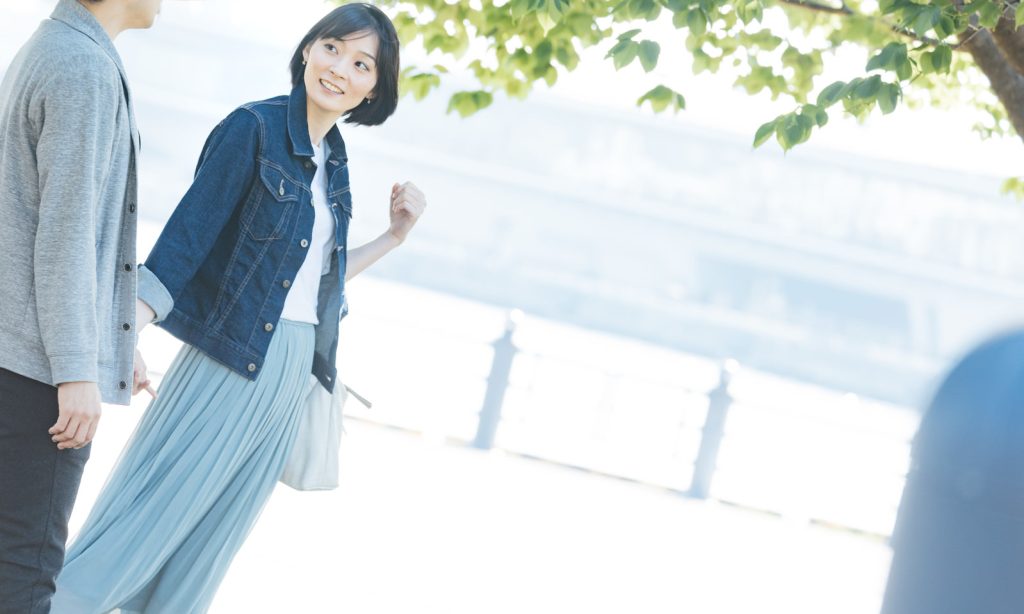
For many foreigners, encountering Japanese etiquette for the first time can feel like entering a delicate, intricate dance. The gestures are subtle, the language layered, and the expectations often unspoken. At first, this can create confusion, even a sense of distance—but with observation and reflection, the same customs reveal a profound empathy and care embedded in daily life.
Initial Impressions: Politeness as Distance
Imagine a tourist entering a Japanese convenience store. The clerk greets them with a precise bow and a cheerful “Irasshaimase!”—a welcome so formal, so impeccably practiced, that the visitor may feel unsure how to respond.
To outsiders accustomed to casual greetings, the ritualized politeness can seem distant, almost mechanical. The careful avoidance of direct commands, the frequent use of sumimasen and arigatou gozaimasu, the bowing—it can all feel overwhelming or even intimidating.
Yet beneath the surface, these behaviors are not cold or impersonal. They are structured forms of attentiveness designed to protect the comfort and dignity of both parties.
Confusion and Curiosity
Foreigners often notice that Japanese etiquette involves intricate rules for everyday interactions: bowing at different angles, handing money with both hands, using honorifics appropriately. At first, the complexity may be puzzling.
A traveler might accidentally hand a gift with one hand, or neglect to bow properly, eliciting only a polite correction or a gentle smile. Rather than criticism, these responses communicate patience, teaching, and reassurance. Even mistakes are absorbed into the framework of care, emphasizing the intention behind actions over perfection.
Gradual Understanding: Etiquette as Care
With time, foreigners often perceive the deeper logic of Japanese etiquette. The repeated use of cautious, indirect expressions, the attention to small gestures, the layered politeness—it all begins to feel like a language of care.
A train passenger yielding their seat to an elderly person, a cashier apologizing for a minor delay, a neighbor offering a humble gift with self-effacing words—all convey: “Your comfort matters. Your feelings are respected.”
This realization transforms confusion into admiration. Etiquette is not just protocol; it is a network of empathy and protection, designed to maintain emotional safety and social harmony.
The Emotional Impact
Foreigners frequently report that certain gestures leave lasting impressions. The self-conscious bow of a store clerk correcting an order, the careful attention of a host in a ryokan, the shy smile of a child handing over a small handmade gift—these moments linger far longer than more polished or professional interactions might in other cultures.
The subtle awkwardness of the gestures, their unassuming sincerity, resonates deeply. In these instances, etiquette is not a barrier—it is a vessel carrying human warmth across cultural and linguistic gaps.
Beyond Words: Nonverbal Communication
Much of Japanese etiquette is nonverbal, which adds another layer of complexity for outsiders. A tilt of the head, a pause before speaking, the placement of hands—these signals communicate humility, respect, and attentiveness.
For a foreign visitor, noticing these small cues can feel like discovering a hidden language. Once understood, they reveal the unspoken promise of safety: interactions are framed not to dominate or embarrass but to preserve dignity and comfort.
From Distance to Connection
Initially, foreign travelers may feel that etiquette creates a social distance. But as they witness the thoughtfulness and patience behind these formalities, the perception changes. What once seemed rigid becomes gentle, what appeared distant becomes protective, and what seemed difficult to decode becomes a deeply human expression of care.
The realization that etiquette functions as a “gentle shield for the heart” often leads to profound appreciation. Visitors understand that each ritual, each polite phrase, and each bow is a conscious effort to maintain kindness and prevent harm, even in fleeting interactions.
Reflection
Experiencing Japanese etiquette as a foreigner is a journey from confusion to comprehension, from uncertainty to emotional resonance. What appears formal and distant at first gradually reveals itself as protective, empathetic, and deeply human.
Through this lens, etiquette is not about rigid rules—it is about creating a safe space for interaction, where hearts remain unbruised and dignity is preserved. Foreigners often leave Japan not only impressed by the customs but also touched by the sincere care that underlies them.
Section 6: Lessons for Modern Life
In the fast-paced, hyperconnected world of today, words travel instantly, and responses are often expected immediately. Social media amplifies every comment, reaction, and critique. In this environment, messages can unintentionally wound, and misunderstandings multiply rapidly. Japanese etiquette, with its emphasis on careful, gentle communication, offers valuable lessons for navigating modern life.
Softening the Digital Edge
The brevity and immediacy of online communication often strip away nuance. A simple statement may come across as blunt or harsh, even when no offense is intended.
Japanese etiquette teaches the importance of cushioning words: softening corrections, expressing gratitude for small efforts, and using respectful language that prioritizes the recipient’s emotional comfort. Applying this principle online means crafting messages thoughtfully, pausing before responding, and choosing words that convey respect and care.
Politeness as a Protective Tool
Etiquette in Japan functions as a gentle shield for the heart. Similarly, in modern life, politeness can act as a safeguard against unnecessary emotional harm.
- When giving feedback, use careful phrasing rather than blunt critique.
- When declining requests, frame the response in a way that respects the other person’s feelings.
- When apologizing, do so sincerely, even for minor mistakes.
Incorporating these habits reduces conflict and fosters trust, mirroring the protective function of traditional etiquette in everyday Japanese interactions.
Creating Emotional Space
Japanese etiquette often involves creating “extra room” in conversations—pauses, indirect expressions, and humble language that allow both parties to maintain dignity.
In the modern context, this translates to:
- Giving others space to respond without pressure.
- Avoiding the impulse to dominate discussions or assert opinions aggressively.
- Recognizing that silence can be as respectful as speech.
This practice encourages empathy, patience, and deeper connection, even in a world that often values speed over consideration.
Practical Applications
To incorporate the lessons of Japanese etiquette into daily life:
- Cushion criticism with thoughtful words
- Example: Instead of “This is wrong,” try, “I see what you did here; perhaps we could try this approach too.”
- Express gratitude and apology clearly
- Even small gestures—saying “thank you for your time” or “sorry for the inconvenience”—can prevent misunderstanding.
- Leave room for others’ feelings
- Don’t demand immediate responses or assume agreement; respect pauses and hesitations.
These simple actions mirror the Japanese approach of using formality and ritual to maintain emotional safety and social harmony.
Bridging Cultural and Digital Gaps
In multicultural and online environments, adopting the mindset behind Japanese etiquette—empathy, humility, and gentle guidance—helps bridge gaps.
- In professional settings, careful phrasing preserves relationships.
- In friendships, soft expressions prevent friction.
- On social media, mindful posts reduce misinterpretation and promote understanding.
The essence is not mechanical politeness but intentional care, ensuring that interactions leave people feeling respected and valued rather than defensive or hurt.
Reflection
Modern life often demands speed, decisiveness, and blunt clarity—but these qualities can come at a cost to human connection. By embracing the principles of Japanese etiquette, we can balance efficiency with compassion, achieving interactions that are both effective and gentle.
Just as a well-placed bow or carefully chosen phrase in Japan protects hearts, modern etiquette—whether in person or online—can act as a buffer against friction, stress, and misunderstanding.
Closing Reflection: The Shield of Soft Words
In Japan, etiquette is often misunderstood by outsiders as a rigid, impersonal set of rules. Yet, as we have seen throughout this exploration, its true purpose is far more profound: etiquette is a gentle shield for the heart. It allows people to interact without fear of humiliation, to express themselves without harming others, and to navigate the complexities of human relationships with grace.
The story of the foreign traveler at the restaurant reminds us that politeness is not a barrier but a bridge. The careful correction of a mistake, delivered with humility and respect, transforms potential embarrassment into comfort and reassurance. This is the essence of Japanese etiquette: a framework that protects the heart while fostering connection.
In our modern, fast-paced, and digitally driven lives, the lessons of Japanese etiquette are more relevant than ever. Words can travel instantly and reactions can spiral quickly, leaving misunderstandings in their wake. By adopting the spirit behind these practices—consideration, humility, and attentiveness—we create emotional space and preserve the dignity of those around us.
Practically, this can mean pausing before sending a message, softening our words when offering critique, or allowing silence to speak when words may harm. Etiquette, when embraced as a protective tool rather than a rigid performance, encourages empathy, patience, and respect.
Ultimately, Japanese culture teaches us that formality is not cold or distant. It is a conduit for care, a method to shield hearts, and a way to navigate social interactions with integrity. In a world that often prizes speed and bluntness, the gentle shield of etiquette reminds us to act with thoughtfulness and kindness.
As QuietTether reminds us:
“Etiquette is not a mask to hide the heart—it is a gentle shield that allows the heart to remain kind, even in moments of friction.”
By practicing etiquette not as a superficial formality but as a genuine expression of care, we honor both ourselves and others, cultivating relationships that are resilient, respectful, and profoundly human.