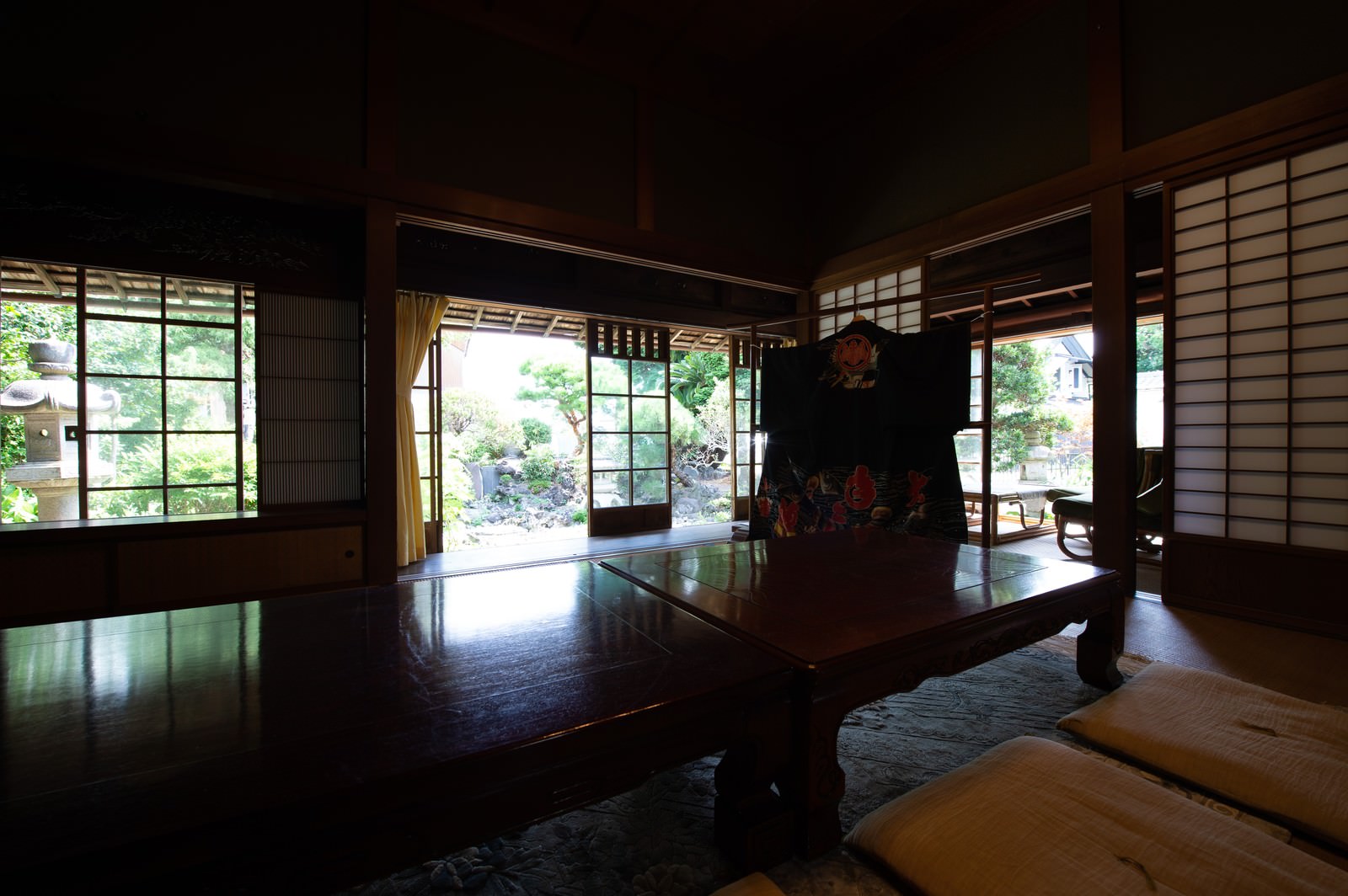
Opening Story: A Temple Bell on a Winter Evening
The traveler had not expected the night to feel so heavy. Kyoto in late December was beautiful in its silence, the kind of stillness that came only when snow flirted with the air but never quite touched the ground. The narrow streets of Higashiyama were nearly empty, and the paper lanterns swayed faintly in the cold wind. Somewhere in the distance, laughter spilled out from a small izakaya, but here, walking slowly toward the temple grounds, the traveler felt as though time itself had paused.
It was New Year’s Eve. He had heard that temples across Japan would ring their great bells 108 times, one for each of the human desires and attachments that bind us. The thought had seemed abstract when he first read about it in a guidebook. But standing there now, before the vast wooden gate of the temple, he felt the solemnity in his bones. The night sky was deep and dark, lit only by the faint glow of lanterns and the stars that had fought through the haze of winter clouds.
He joined a small line of people—families with children bundled in scarves, elderly couples walking carefully, and solitary figures like himself. No one spoke loudly. Conversations, when they occurred, were whispered, as if everyone had agreed that words would break the fragile air of expectation.
And then it came: the first strike of the bell.
A monk in simple robes grasped the heavy wooden log, suspended by thick ropes, and with a deliberate swing, he let it crash against the bronze surface. The sound was unlike anything the traveler had ever heard—deep, resonant, and impossibly slow. It was not a sound that ended; it lingered, traveling through the body, echoing in the chest long after the physical strike had ceased. The vibration seemed to move through the air, through the temple walls, through the very earth beneath his feet.
He closed his eyes, and in that moment, the bell carried him somewhere else. He thought of his grandmother, who had passed away years earlier. He remembered the way she had laughed when he was a child, the meals she had cooked, the way she smelled faintly of lavender. He had thought those memories safely stored away, untouched by the everyday rush of life. Yet now, under the vast winter sky, the sound of the bell pulled them back with startling clarity.
Another strike. This time he thought of the friendships that had drifted away with distance and time. People once central to his life, whose faces he no longer saw, whose voices he could no longer summon without effort. Their absence had always seemed small, almost unnoticeable, until this sound reminded him that their presence had once been irreplaceable.
Another strike. He thought of chances not taken, words not spoken, love not confessed. Each vibration seemed to awaken a loss he had carried but rarely acknowledged. Yet strangely, the sorrow was not crushing. It felt like the bell was giving him permission to remember, to honor what was gone, and to feel its weight without shame.
Tears welled up, surprising him. He was not the only one. Around him, others stood in silence, some with closed eyes, some with heads slightly bowed. A mother gently held her child’s hand, a young man wiped his cheek with his sleeve. No one tried to hide their emotions. The bell gave space for grief, for memory, for the invisible tenderness of absence.
The traveler realized something in that moment: loss was not only pain. Loss was also a doorway. The bell’s echo carried both sadness and comfort, both emptiness and presence. What was gone could never return, and yet, in remembering, it was here again—alive in the trembling air.
As the 108th strike resounded, fading slowly into the winter night, he whispered to himself, “Loss is not an ending. It is an opening.”
For the first time in a long while, he did not feel alone.
The Universality of Loss
Loss is one of the few truths that unites all human beings. It cuts across geography, language, and belief. Whether someone lives in a quiet village in rural Japan, a bustling city in the United States, or a remote desert settlement, they will inevitably face the absence of something they once cherished—be it a loved one, an opportunity, or even a fleeting moment of beauty. It is not a question of if but when. In this way, loss is as universal as birth and as unavoidable as death.
Yet the way we respond to loss differs dramatically depending on the culture we are born into. Some societies encourage an active resistance against it, framing it as an enemy to be conquered. Others, like Japan, have long cultivated an attitude of acceptance—a recognition that to live is to experience continual transformation, and that loss is not merely an unfortunate interruption of life but an inseparable part of its fabric.
In Japanese culture, this understanding is rooted deeply in the Buddhist concept of Mujō (無常), impermanence. From an early age, people in Japan encounter the idea that all things are transient: the seasons turn, blossoms fall, relationships shift, and eventually, every life comes to an end. This is not presented as a tragedy but as a truth that can give life meaning. The very awareness that something will be lost makes it precious.
For a traveler unfamiliar with this perspective, the difference can be striking. In many Western contexts, loss is almost synonymous with misfortune. A loved one’s death is seen as a wound to be healed; a failed relationship, as something to overcome; the passing of time, as something to fight against with vigor. The language itself reflects this: we speak of “coping with” grief, “recovering from” heartbreak, or “conquering” aging. The underlying metaphor is one of battle. Loss is framed as an adversary.
By contrast, in Japan, the language surrounding loss is often softer, gentler. It is not something to be conquered but something to be lived with. The phrase Shōganai (しょうがない)—“it cannot be helped”—captures this subtle difference. Far from resignation, it expresses a kind of acceptance, a willingness to recognize the natural limits of human control. Where the Western mindset might urge a person to move on quickly, to rebuild and forget, the Japanese sensibility often allows for lingering, for holding the memory close, and for continuing a relationship with what has been lost.
This does not mean that pain is absent. On the contrary, grief is felt deeply. But the cultural orientation reshapes the pain into something with potential value. A cherry blossom’s fall is not mourned as a permanent loss but celebrated as part of its beauty. A broken tea bowl, repaired with veins of gold in the art of Kintsugi 金継ぎ, is not discarded but revered as more beautiful precisely because of its fracture. Loss, in these contexts, becomes a form of revelation—a reminder of impermanence and a source of gratitude.
For the foreign traveler listening to the temple bell in Kyoto, this cultural orientation was a revelation. The bell did not erase his memories of loss, nor did it promise that grief would vanish. Instead, it allowed him to see his memories not as wounds but as quiet companions, shaping the person he had become. In that moment, he realized what many in Japan seem to intuitively understand: that loss is not only what we suffer but also what opens us to deeper awareness.
In this way, the universality of loss does not lead to uniformity of response. Every culture, every individual, must find their own way of living with what disappears. But Japan’s long tradition of finding beauty in impermanence offers a profound lesson to anyone willing to listen: that loss can hurt and heal at once, that grief can be an entrance as much as an ending, and that the things we lose continue to live in us—not as burdens, but as sources of connection.
Loss in Everyday Japanese Life
When we think of loss, our minds often leap to dramatic events: the death of a loved one, the end of a marriage, or the collapse of a cherished dream. Yet in Japan, loss is not confined to extraordinary moments. It is woven into the fabric of everyday life, noticed and even quietly celebrated in subtle, ordinary experiences.
One of the most vivid examples is found in the turning of the seasons. In many cultures, seasonal changes are marked, but in Japan, they are deeply felt. The arrival of spring is not merely a shift in temperature; it is a national event, a collective awakening. People wait for the blooming of the cherry blossoms, but they do so knowing that their beauty will last only a few fleeting days. Rather than resisting or lamenting this brevity, Japanese culture embraces it. The falling petals are not seen as a failure or a tragedy, but as the very essence of their charm. To see the blossoms scatter in the wind is to be reminded that beauty exists because it fades.
This sensibility is captured in the phrase Mono no aware (物の哀れ), often translated as “the pathos of things.” It refers to the deep, almost tender sorrow that comes from recognizing the impermanence of all things. Importantly, this sorrow is not despair. It is tinged with gratitude, an awareness that the fleeting nature of life is what makes it beautiful. A traveler might find it strange to hear Japanese people praising the sight of petals falling to the ground, but to them, it is precisely in the loss that beauty reaches its fullness.
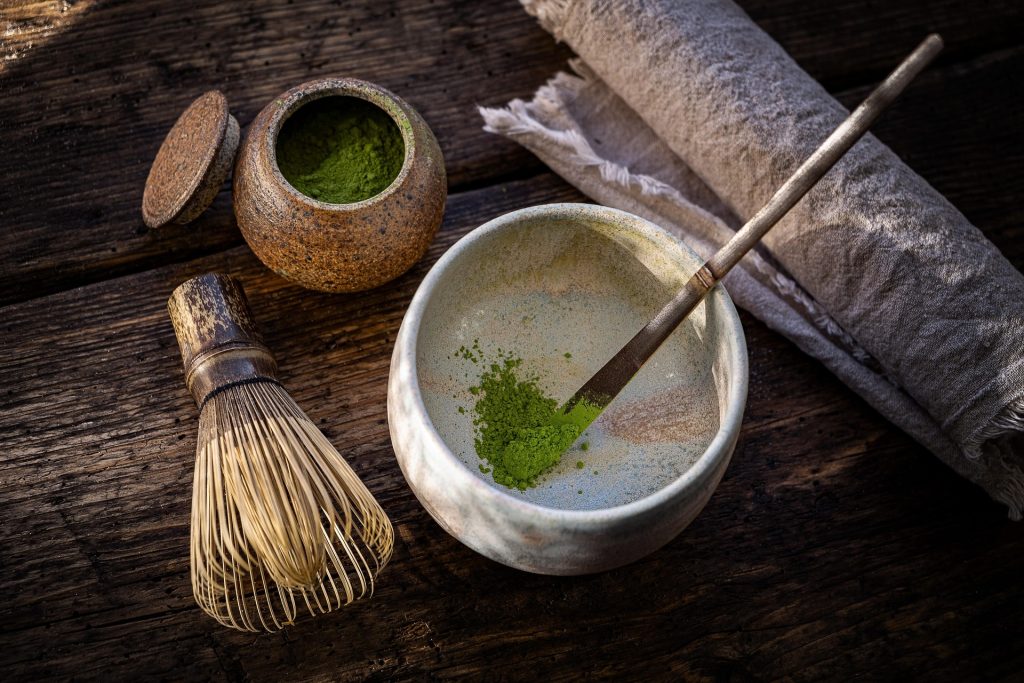
The same attitude can be found in smaller details of daily living. Consider the tea ceremony, where an old, slightly chipped tea bowl is often prized more than a flawless, new one. The imperfection speaks of time, of what has been lost—yet it is not seen as damage but as depth. The Japanese aesthetic concept of Wabi-sabi embodies this sensibility: beauty that comes from imperfection, impermanence, and incompleteness. To drink tea from such a bowl is to be reminded that nothing remains whole forever, and that this very fact enhances its value.
Another daily example lies in the appreciation of food. A perfectly fresh piece of seasonal produce is treasured not only for its taste but for its fleeting availability. Chestnuts in autumn, bamboo shoots in spring, persimmons in winter—each comes with a quiet awareness that it will soon vanish. Eating them becomes a small ritual of both enjoyment and farewell. Loss is not resisted but acknowledged with respect.
Even poetry reflects this orientation. The haiku, a form only seventeen syllables long, often captures a transient moment: a frog jumping into a pond, the sound of autumn wind, the fleeting shadow of a cloud. These moments are not grand or permanent, but their power lies in their brevity. They remind the reader that life is made of countless small vanishings, each carrying its own kind of beauty.
For the foreign traveler, this can be disorienting. In many societies, daily losses are overlooked or dismissed as trivial. Who mourns a flower wilting in a vase, or the passing of a sunny afternoon into night? Yet in Japan, such changes are noticed, honored, and sometimes even ritualized. A traveler watching people gather under cherry trees in Kyoto might first assume they are celebrating the blossoms themselves. But with time, they realize something deeper is being celebrated: the act of saying goodbye, of holding something close precisely because it will soon slip away.
This perspective teaches that loss is not limited to the monumental moments of life. It is present in the rhythm of each day, in the turn of each season, in the small transitions that often pass unnoticed. By attending to these daily vanishings, the Japanese have cultivated a heightened sensitivity, a readiness to accept larger losses when they come.
In this way, everyday life in Japan becomes a practice in loss—gentle, continuous, and deeply human. It is not a morbid fixation but a form of preparation, a reminder that to live fully is to embrace the fleeting nature of all things. And for the traveler, it offers a quiet lesson: that by paying attention to what fades around us, we can discover a richer, more present way of living.
Grief and Communal Healing
Loss does not only arrive in small, daily forms. At times, it comes with a weight so heavy that it alters the very structure of our lives—the death of a loved one, the passing of a parent, the loss of a child, or the absence left by a friend. In such moments, the way a society responds to grief reveals much about its cultural heart. In Japan, grief is not regarded as an isolated burden to be borne silently by the individual. Instead, it is carried together, woven into rituals, ceremonies, and traditions that allow loss to be transformed into connection.
Rituals of Parting
When someone dies in Japan, a series of carefully observed rituals begin almost immediately. The funeral is not simply an event to mark the end of life, but a way to guide the departed on their journey while supporting the living in their sorrow. Monks chant sutras, incense is offered, and family members bow in reverence before the body. These practices are both religious and cultural, grounded in Buddhism and Shinto but extending beyond faith.
For many foreign visitors, attending a Japanese funeral can be surprising. Instead of being solely a somber occasion, it is often marked by quiet beauty—the fragrance of incense, the soft light of candles, the rustle of kimono. The ceremony does not deny grief, but it frames it within a structure that makes the loss shareable. No one is left to mourn alone.
The Continuation of Bonds
But the rituals do not end with the funeral. In fact, in Japan, death does not sever the relationship between the living and the deceased. Through practices like visiting the family grave (Haka-mairi 墓参り), lighting incense at the household altar (Butsudan 仏壇), or holding memorial services (Hōji 法事), the connection remains alive. The dead are remembered not with fear, but with familiarity. They continue to be part of daily life, spoken to in quiet prayers, greeted during seasonal festivals, and included in family gatherings.
This is especially visible during Obon お盆, the summer festival when it is believed that the spirits of ancestors return to visit their families. Lanterns are lit to guide them home, offerings are placed on altars, and dances (Bon Odori 盆踊り) are performed in their honor. For a foreign traveler, watching a town come alive with lights and music in memory of the departed can be deeply moving. Grief, in this context, is not about erasure or forgetting. It is about continuation—about making space for those who are gone to remain part of life in a gentler, transformed way.
Grief as a Shared Experience
Unlike some Western contexts, where grief is often treated as a private psychological journey, Japanese traditions emphasize communal healing. The family, neighbors, and even the broader community participate in rituals of remembrance. Through this, grief becomes something collective, diffused, and softened by being carried together.
A traveler who loses someone while staying in Japan may find themselves embraced by this communal spirit. They may be invited to join prayers at the temple, to sit with neighbors who bring offerings, or to walk in processions that honor the dead. What they might have expected to be a lonely experience becomes, instead, a deeply human one, shared with others who understand that sorrow is not diminished by silence but eased by togetherness.
Living with the Presence of the Departed
This communal way of holding grief reflects a deeper cultural truth: in Japan, the dead are not absent, but present in a different form. A bowl of rice placed at a grave, a stick of incense lit before a home altar, or a whispered memory during Obon—these small gestures affirm that relationships continue. Loss, then, is not absolute. It changes the form of connection but does not erase it.
For the traveler, this can be a revelation. In many cultures, death is framed as finality, the closing of a door. But in Japan, it is closer to the opening of another kind of relationship. One does not simply “move on” from loss. Instead, one learns to live with it, to integrate the presence of the departed into the flow of everyday life.
The Quiet Wisdom in Ritual
At its heart, communal grieving in Japan offers a quiet wisdom: loss is too vast to carry alone, but when shared, it can be transformed into a bond that ties people more closely together. Rituals—whether a funeral, a seasonal festival, or a daily incense offering—become not just acts of remembrance, but tools of healing. They remind the bereaved that they are not isolated, that their grief is understood, and that their loved one, though gone, remains part of the ongoing story of life.
For the traveler listening to the chant of monks in a temple, watching families tend graves together, or joining a crowd of dancers at Obon, the lesson becomes clear: grief does not have to isolate. It can connect. It can remind us of the threads of community, of continuity, and of love that outlasts even death.
The Creative Power of Loss
Loss, while painful, often carries within it a strange paradox: it becomes the very soil from which creativity grows. In Japan, this truth has been embraced and expressed through centuries of art, literature, and performance. Rather than turning away from sorrow, Japanese aesthetics lean toward it, transforming grief into beauty, absence into form, and silence into meaning.
Loss as Inspiration
Many of the most enduring works of Japanese literature and art are born out of loss. Whether it is the fleeting sadness of cherry blossoms falling, the absence implied by an empty space in a painting, or the quiet sorrow lingering in a haiku, loss does not merely inspire melancholy—it sharpens awareness. It reminds us of impermanence, and in doing so, intensifies our appreciation of what remains.
For the traveler entering a Japanese art museum, the first impression may be surprise at how much emphasis is placed on what is missing rather than what is present. A scroll may contain vast areas of blank paper. A tea bowl may be cracked, with gold filling the fracture lines. A play may end not with resolution, but with silence. To Western eyes accustomed to completeness, this might seem unfinished. But in Japan, the absence itself becomes the heart of the piece.
The Aesthetics of Wabi-Sabi
This creative transformation of loss finds its most famous expression in Wabi-sabi, the aesthetic that values imperfection, incompleteness, and impermanence. A weathered stone lantern, a moss-covered temple roof, a cracked tea cup—these are not seen as damaged but as deepened. Loss, decay, and time themselves become forms of beauty.
In the tea ceremony (Sado or Chanoyu), this philosophy is expressed through utensils that bear the marks of age and use. A traveler attending a tea gathering may be offered tea in a bowl whose rim is chipped or whose glaze has faded. Instead of being discarded, such a vessel is treasured, for it embodies the passage of time. It speaks of continuity, of lives lived before, of countless hands that once held it. Loss—of perfection, of newness—is not something to be mourned but something to be honored.
Haiku and the Echo of the Absent
Literature, too, embraces this creative power of loss. Haiku, with its brevity, often captures the poignancy of what has slipped away. A few words sketch an image of falling petals, a silent pond, a departing bird. What is unsaid is as important as what is written. The reader is invited to feel the absence, to notice the loss implied between the lines.
This minimalism echoes a profound truth: loss cannot always be spoken directly. Instead, it reverberates in the space around words, in the pauses, in the silence. Japanese poets understood this well, and their works continue to remind us that creativity does not require completeness—sometimes, it requires emptiness.
The Noh Stage and the Ghost of Memory
In traditional performance art, such as Noh theater, loss is dramatized not as a tragic finality, but as a lingering presence. Many Noh plays feature spirits of the dead returning to the world of the living, not to frighten, but to recount their sorrows, regrets, or loves. The stage is spare, the movements slow, and the dialogue restrained. Much of the performance dwells not on action but on memory, on what has been lost yet remains emotionally vivid.
For a traveler attending a Noh play, the effect can be haunting. The masked figure of a spirit reciting a tale of unfulfilled love or forgotten glory is less a spectacle than an invitation into shared mourning. In the quiet rhythm of drums and chants, the audience feels not only the weight of the ghost’s sorrow but the universality of human loss. The stage becomes a place where grief is given form, not to resolve it, but to transform it into art.
The Traveler’s Encounter with a Broken Bowl
One foreign traveler, wandering through a Kyoto museum, once found themselves standing before a simple tea bowl. At first, it seemed unremarkable—until they noticed the golden lines tracing its fractures. The bowl had been broken, perhaps more than once, but instead of being discarded, it had been repaired through the art of kintsugi.
This technique, which uses lacquer mixed with gold to bind broken pieces, does not hide the break. Instead, it highlights it, making the cracks the most striking feature of the object. The traveler felt unexpectedly moved. Here was a vessel that had suffered damage and loss, yet was more beautiful because of it. Its story was not erased but illuminated.
In that moment, the traveler realized that loss, too, could be a form of creation—not by covering over the brokenness, but by honoring it. What had once been a flaw was now a source of beauty.
Creativity Born from Loss
The Japanese ability to transform loss into art is not merely aesthetic. It is a philosophy, a way of seeing. To paint with emptiness, to repair with gold, to write with silence—these are acts of resilience. They remind us that loss does not diminish us. Instead, it deepens us, giving us new textures, new layers of meaning, and new ways to connect with others.
For the traveler who hears the echo of loss in Japanese art, the lesson is profound: beauty is not the absence of loss but its integration. Creativity is not about avoiding sorrow but about finding a form in which it can live, breathe, and inspire.
In this way, Japan teaches us that loss, far from being only an ending, can also be a beginning. It can be the spark that gives rise to poems, the silence that shapes music, the fracture that makes an object irreplaceable.
Romantic and Personal Loss
If grief from death or change is one of the deepest forms of loss, then the loss of love—whether through separation, unrequited feelings, or the natural fading of affection—is perhaps its most intimate. It is a loss that strikes at the very center of the self, not only taking away another person but also reshaping one’s sense of identity. In Japan, this kind of loss has long been understood not simply as tragedy, but as an experience that carries its own form of beauty, one that deepens the heart and refines human sensitivity.
The Elegance of Lingering Feelings
In Western contexts, people often speak of “moving on” after heartbreak, as if love that has ended must be firmly placed in the past. Yet in Japan, there is a cultural tendency to honor 未練 (Miren)—lingering attachments or residual emotions. Rather than viewing them as weakness, these lingering feelings are given a poetic quality, often depicted in songs, novels, and films.
The tradition of Enka 演歌 music, for example, is built on themes of longing and loss. Its melodies are slow and mournful, its lyrics often centered on missed trains, empty sake cups, or fading lantern lights. These images carry more than nostalgia—they sanctify the pain of separation, giving it artistic dignity.
A foreign visitor listening to Enka for the first time may be surprised at how unapologetically it dwells in sadness. But in Japan, this sadness is not something to be rushed through. It is something to be inhabited, savored, and allowed to deepen one’s understanding of love itself.
The Silent Goodbye
Personal loss in relationships often manifests in silence rather than confrontation. A breakup may not involve angry words or dramatic closure but instead a quiet drifting apart. Sometimes a letter is left unfinished, a phone call unanswered, or a final meeting carried out in almost ritualistic calm.
For a traveler who has experienced breakups in cultures where emotions are expressed openly and dramatically, this quietness can be baffling. They may wonder why nothing “final” was said. Yet over time, they come to realize that the silence itself is the final gesture—it communicates that the relationship has run its course without the need for destructive words.
This reflects a broader Japanese tendency to avoid forcing clarity when ambiguity itself can provide gentler closure. The loss remains, but it is carried in silence, softened by subtle gestures rather than hardened by confrontation.
Literature and the Poetics of Love Lost
Japanese literature is filled with examples of romantic loss given form. From The Tale of Genji 源氏物語 (Genji Monogatari), often considered the world’s first novel, to contemporary short stories, love is frequently depicted not in fulfillment but in absence. Lovers who part, feelings that remain unspoken, relationships that exist only in memory—these are the textures that dominate.
One of the most poignant aspects of these stories is the sense that love is often more beautiful in its memory than in its realization. Loss does not negate the love that once was; instead, it heightens it, crystallizing it into something that continues to shape the heart.
A traveler reading such literature may notice how characters rarely express their grief directly. Instead, the natural world is used as a mirror: autumn leaves falling, the sound of a distant bell, or the first snow of winter. These images suggest that personal loss is never merely individual; it is part of the larger rhythm of nature and time.
The Quiet Rituals of Heartbreak
When experiencing personal loss, many Japanese people turn to quiet rituals rather than dramatic gestures. A person might make one last visit to a place they once shared with their beloved, lighting a small candle or leaving behind a folded note. They may keep a small object as a token—a photograph, a scarf, a ticket stub—that becomes a private shrine to what was lost.
These practices are not about holding on in denial, but about recognizing the value of the relationship even in its absence. To grieve love is to acknowledge that it mattered, and by ritualizing the loss, one can integrate it rather than erase it.
For a traveler who has known heartbreak, witnessing these practices may bring a new perspective. Instead of asking, “How do I forget?” the Japanese approach asks, “How do I carry this in a way that makes me more human?”
From Loss to Depth
Perhaps the greatest lesson that Japanese culture offers about romantic and personal loss is that it is not an end but a deepening. To lose love is not to lose everything—it is to discover new layers of the self, new sensitivities, and new ways of seeing the world.
The traveler who once wept in silence after a quiet farewell may later find themselves noticing the sadness of autumn skies or the fragility of falling petals with new tenderness. They come to realize that their loss has not only left them emptier but also fuller, able to resonate with the joys and sorrows of others with greater empathy.
In this way, personal and romantic loss in Japan is not merely endured. It is cultivated, like a delicate flower that blooms from the soil of heartbreak. What begins as pain transforms into an aesthetic, a philosophy, and ultimately a quiet strength.

Comparisons with Other Cultures
Loss is a universal human experience, yet the ways in which societies approach it differ profoundly. By contrasting Japanese attitudes with those of other cultures, we can see how each system of meaning offers unique pathways through grief. The traveler who encounters these differences discovers that loss is not only about what is taken away but also about how one is taught to live with it.
Western Emphasis on “Moving On”
In much of the Western world, loss—whether of a loved one, a relationship, or a dream—is often framed as something to “overcome.” Bookshelves are filled with guides on coping, recovering, and eventually “moving forward.” While these approaches can provide strength, they can also carry an unspoken pressure: the expectation that grief has an expiration date.
At funerals, people often say, “They are in a better place” or “Life must go on.” These phrases, though well-intentioned, may leave little room for grief to linger in everyday life. A mourner who continues to express sadness years later may feel out of step with societal norms.
By contrast, in Japan, grief is allowed to remain a quiet companion. Rather than “getting over it,” one learns to live alongside loss, allowing it to shape daily rituals and future outlooks.
Japanese Approach: Keeping the Presence Alive
Japanese customs around ancestor veneration highlight this difference vividly. In many homes, a butsudan (Buddhist family altar) holds photographs, incense, and offerings for deceased loved ones. These are not remnants of the past but reminders that the departed remain part of the household.
This practice contrasts with the Western norm, where photos of the deceased may be displayed but rarely incorporated into daily ritual. The Japanese approach suggests that love does not end at death; it continues in a quieter form, woven into the rhythms of daily life.
A traveler visiting during Obon, the summer festival honoring ancestors, may notice families welcoming spirits back into their homes with lanterns and dances. The experience can be both humbling and enlightening: loss is not disappearance but transformation, and memory is an active relationship rather than a fading recollection.
China and Korea: Shared Roots, Subtle Differences
Neighboring cultures such as China and Korea also practice ancestor veneration, but their emphases differ. In China, Confucian traditions stress filial piety, with elaborate rituals to demonstrate respect for one’s lineage. Large gatherings and formal ceremonies highlight duty to the family line.
Korea, too, maintains strong ancestral practices, especially through Jesa (ancestral rites). Families prepare food offerings and bow before ancestral tablets, reinforcing communal bonds and continuity.
Japan shares these roots but tends to render them more subdued and personal. The rituals are often smaller, more intimate, and infused with the aesthetic of Wabi-sabi—a quiet acceptance of impermanence. Where Chinese and Korean practices often emphasize continuity of family honor, Japan leans toward cultivating a personal, emotional connection that acknowledges the fragility of all things.
The Traveler’s Discovery: Different Faces of Compassion
For a foreign traveler, witnessing these contrasts can be both disorienting and illuminating. In their own culture, they may have been taught that strength lies in letting go, in demonstrating resilience by showing that they are “unshaken.” Yet in Japan, strength often lies in showing that one has been deeply touched, even transformed, by what is gone.
They come to see that neither approach is right or wrong. The Western path provides momentum, encouraging individuals to keep building their lives even after tragedy. The Japanese path provides depth, teaching that love and memory remain part of the self indefinitely.
Through comparison, the traveler recognizes a larger truth: loss is not monolithic. It is a mirror in which cultures reveal their deepest values—whether the value of resilience, continuity, or sensitivity to impermanence.
Holding Both: Forgetting and Remembering
Ultimately, the greatest lesson may be that human beings need both approaches. There is wisdom in the Western emphasis on healing and forward movement, preventing people from being entirely consumed by grief. There is also wisdom in the Japanese reverence for memory, which ensures that love is not dismissed as though it never existed.
To live well with loss, then, may mean balancing forgetting and remembering. We must learn when to step forward, and when to pause and bow before what has been lost.
For the traveler who has stood beneath temple bells in Kyoto and later attended a Western memorial service, the contrast becomes not a conflict but a complement. Each way of grieving reveals something essential about how humans seek to endure and to honor what cannot be held forever.
Lessons We Can Carry
Loss, though often unwanted, is also one of the deepest teachers in life. While it strips away, it also reveals. To live fully is not to avoid loss but to allow its lessons to shape our daily existence. From Japanese culture—and from the universal human experience of grief—we can draw guidance for how to live more tenderly, more mindfully, and more connected to others.
Learning to Embrace Small Losses Daily
One of the simplest lessons is to notice and accept the small losses that occur every day. Seasons change, flowers bloom and fall, children grow older, our own bodies age. Each shift contains a miniature farewell.
In Japan, the appreciation of cherry blossoms (Sakura) is one of the most striking cultural examples of this acceptance. The blossoms’ beauty is inseparable from their brevity. By celebrating them, people learn to welcome beauty while also letting go of it.
Carrying this lesson into daily life means cultivating an awareness of impermanence. Instead of resisting it, we allow the fading of moments to enrich our gratitude for them. Each meal eaten, each laugh shared, each sunset witnessed is unique, never to be repeated in exactly the same way.
Loss as a Source of Space
When something leaves—whether a person, an object, or a chapter of life—it creates space. Initially that space feels like emptiness, a hollow echo of what was. But over time, it can become a canvas on which something new may emerge.
A traveler might recall standing before the ruins of a temple destroyed by fire, noticing how wildflowers had grown in the gaps. The absence became a landscape of quiet beauty.
In our own lives, loss can prepare us for unexpected growth. A friendship that ends may create space for solitude, reflection, or new connections. The departure of a loved one may leave silence that eventually teaches us to listen more deeply to ourselves and others.
Loss as a Teacher of Compassion
Loss softens us. To have lost is to understand, in some measure, the vulnerability of every human being. This recognition can deepen our ability to empathize.
In Japanese culture, rituals of mourning are often communal, reminding participants that grief is not a private burden but a shared human experience. When we join others in remembering, we expand our capacity to hold space for their pain as well as our own.
To carry this lesson means practicing compassion in daily encounters: recognizing that the stranger beside us may be walking through their own invisible grief. A kind word, a patient pause, or a gentle smile becomes more meaningful when we realize how easily loss touches us all.
Practicing Invisible Kindness through Loss
Loss teaches us to act with greater sensitivity toward others, often in quiet ways. A person who has known grief may not need to announce their kindness loudly; they understand the value of subtle gestures.
Offering a seat on a crowded train, preparing tea for a tired friend, or simply listening without judgment—all these acts gain weight when we realize that behind every face lies a story of absence and longing. Loss equips us to see more clearly, and to give more gently.
QuietTether’s Perspective: Connection Through Absence
At the heart of these lessons lies the QuietTether philosophy: that even in separation, we remain connected. Loss does not isolate us; it threads us into the fabric of shared humanity.
When something is taken away, what remains is not nothing but possibility. The bond we feel with those who have gone before us is not broken but transformed. The kindness we extend to others is often born of the emptiness we ourselves have felt.
QuietTether teaches that the beauty of life is not in clinging to what must pass, but in learning to live with open hands—able to receive, to release, and to cherish what lingers in memory.
Practical Ways to Carry the Lessons of Loss
- Create Daily Rituals of Memory – Keep a photograph, light a candle, or pause briefly in silence each day to honor what has been lost.
- Notice Impermanence Around You – A falling leaf, a fading shadow, a cooling cup of tea—all are gentle reminders of transience.
- Allow Grief Its Rhythm – Instead of rushing yourself or others to “move on,” permit sorrow to ebb and flow naturally.
- Offer Quiet Support – Acknowledge another’s loss not only with words but with presence, listening, or small acts of care.
- See Loss as Fertile Ground – Remember that emptiness is also a beginning, an opening for renewal.
From Lesson to Life
Ultimately, the lessons of loss are not abstract ideas but practices we can weave into daily life. They call us to live with greater awareness, gentleness, and patience. They teach us to cherish what we have while we have it, and to trust that even when it is gone, something remains within us—memory, wisdom, tenderness.
The traveler who once stood before the temple bell realizes, years later, that the sound of that loss still echoes within them. It is not only a reminder of pain but also of clarity, of love, and of the unbroken threads that connect all beings.
Loss, then, is not a wall that ends our path. It is a gate. Through it, we discover new ways of living, feeling, and connecting.
Closing Reflection: The Quiet Gift of Loss
When we hear the word loss, our hearts instinctively tighten. It signals something we would rather avoid: endings, departures, silence where once there was laughter. Yet, if we sit quietly with it, loss begins to reveal another dimension—one not of absence alone, but of unexpected presence.
The traveler in Kyoto who stood beneath the winter sky, listening to the deep toll of the temple bell, discovered this paradox. The sound carried sorrow, but also comfort. It reminded them of everything gone, yet also whispered of the connections that remain. Through tears, they recognized that loss had not taken everything. It had left behind something invisible, but enduring: a deeper tenderness, a sharper awareness, a broader compassion.
The Unseen Treasures Left by Loss
Loss reshapes us, leaving behind traces that are both fragile and strong. Among these gifts are:
- Memory: Even when someone or something is gone, the memory we hold becomes a kind of living presence, guiding us silently.
- Gratitude: What is lost teaches us to cherish what is still here. The brevity of each moment increases its worth.
- Connection: Shared loss draws us closer to others. In grief, we remember that no one is truly alone.
- Tenderness: Loss makes us gentler, reminding us of the vulnerability we all share.
These are not possessions to store on a shelf but qualities that shape how we move through the world.
Loss as Transformation, Not Ending
In many Western contexts, loss is often spoken of as something to overcome, to leave behind in order to continue forward. In Japanese thought, however, loss is not a barrier but a transformation. The cherry blossom’s fall does not mark failure but fulfillment; it is the completion of its beauty.
To view loss this way is to recognize that what ends also becomes something else. The voice of a departed loved one may fade, but the lessons they imparted remain. The closing of one chapter of life creates the empty page on which another can be written.
Loss, then, is not only subtraction—it is also metamorphosis.
The Quiet Strength of Acceptance
When we resist loss, we exhaust ourselves trying to preserve what cannot remain. When we accept it, we gain a quiet strength. This acceptance is not resignation, nor is it indifference. It is an openness that allows us to walk with sorrow without being consumed by it.
In this openness, we find that life is more fluid than fixed, more gift than guarantee. Each encounter, each bond, each day becomes infinitely more precious when we stop assuming it will last forever.
QuietTether’s Philosophy: The Invisible Bond of Loss
The QuietTether perspective reminds us that loss does not sever the thread of connection—it simply weaves it into a subtler fabric. The loved ones we lose remain in us, not as ghosts of absence, but as quiet presences guiding our choices, softening our hearts, and deepening our humanity.
“Invisible kindness is not meant to be noticed,” we once reflected. The same can be said of loss. Its most profound gifts are rarely dramatic or obvious. They arrive quietly, shaping the way we listen, love, and live.
Closing Words
Loss will visit us all, in ways both small and great. It will take from us what we cannot replace. Yet it will also leave us with what we cannot buy: the space to feel, the chance to notice, and the depth to love more tenderly.
To recognize this is to see loss not as a thief, but as a teacher. It strips away illusions of permanence so that we might see life more clearly. It softens our defenses so that we might care more deeply. It does not simply end—it transforms, connects, and enriches.
As QuietTether affirms:
“Loss is not only what is taken away. It is also what we are given—the space to feel, the chance to notice, and the depth to love with greater tenderness.”