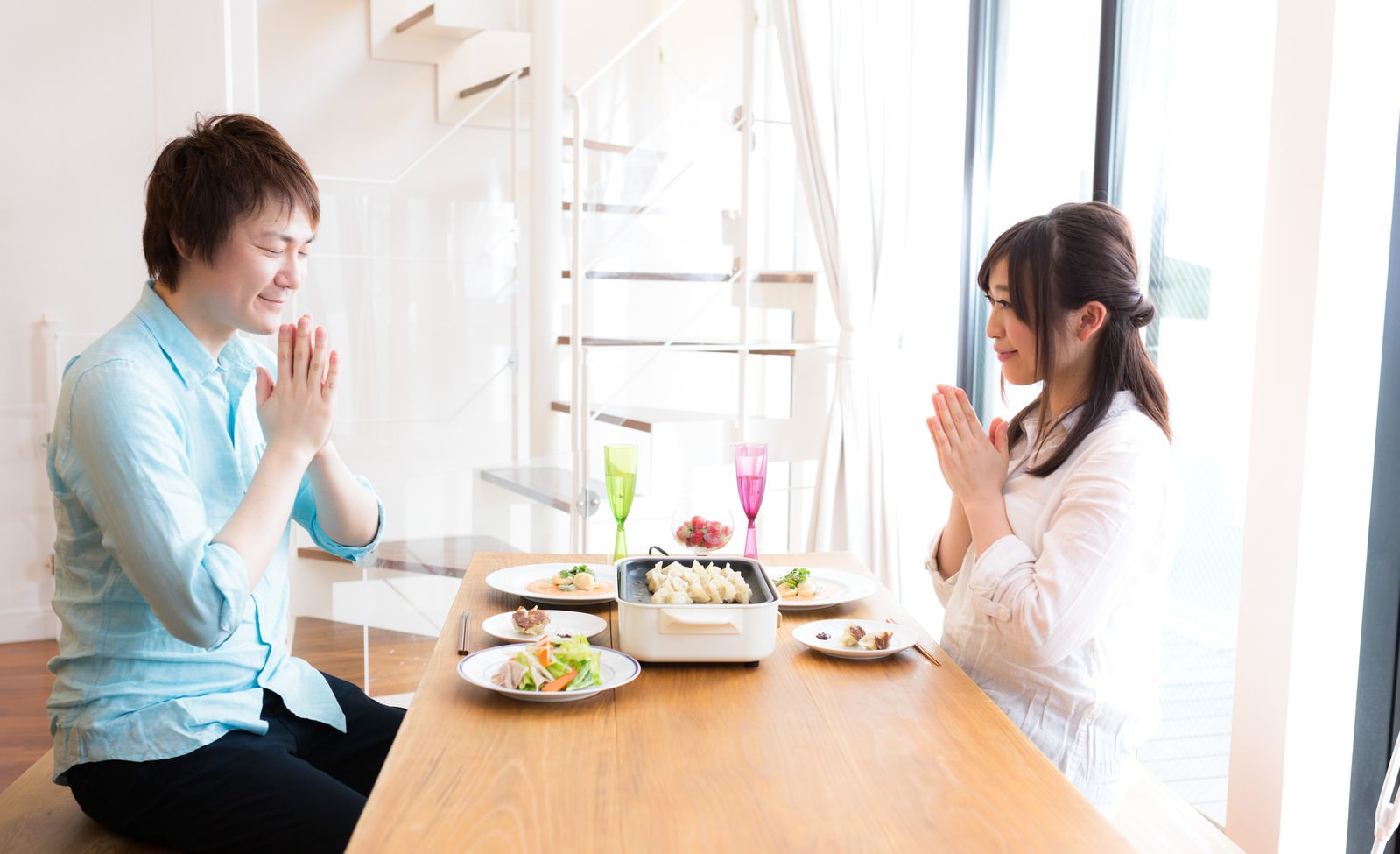
Opening Story: A Quiet Dinner in Kyoto
Stepping off the narrow, cobblestone streets of Kyoto, I found myself nervously adjusting my shoes at the entrance of a traditional Japanese home. The wooden Engawa 縁側, the paper sliding doors, and the faint scent of tatami greeted me with a quiet serenity I had never experienced before. I had been invited by a local family for dinner, a rare opportunity to witness Japanese daily life not as a tourist, but as a participant.
Inside, the room was modest yet meticulously arranged. A low wooden table occupied the center, surrounded by neatly placed zabuton cushions. On the table, simple dishes of rice, simmered vegetables, a piece of grilled fish, and miso soup were set with precise care. The colors of the food—bright greens, subtle browns, and soft whites—contrasted beautifully, yet the overall impression was of gentle harmony rather than ostentation.
Before any food was touched, the family silently gathered around the table. The father, with a calm yet deliberate gesture, brought his hands together and softly said, “Itadakimasu いただきます.” One by one, the mother and children followed suit, their voices low, almost whispering. I repeated the words hesitantly, unsure of the nuances or whether I was performing the ritual correctly. In that quiet room, the sound of my own voice felt startlingly loud.
At first, I thought it was merely a polite expression, a conventional start to a meal. Yet as I observed their posture—the slight bow of their heads, the gentle lowering of eyes, the pause before picking up their chopsticks—I realized that “Itadakimasu” carried something far deeper. It was a moment of acknowledgment, a silent bow of gratitude to the life that had provided the meal. It was respect for the farmers who cultivated the vegetables, for the fish whose life had nourished us, and for the hands that had prepared each dish with care.
The room was filled with a quiet attentiveness, an almost sacred atmosphere. There were no interruptions, no casual chatter, only the soft clinking of chopsticks against ceramic bowls and the subtle inhalation of breaths as everyone began their meal. Even without explicit explanation, I felt that every gesture, every muted word, was an expression of thoughtfulness and reverence. The act of eating had become more than satisfying hunger—it was a mindful engagement with life itself.
As I savored the first bite of rice, I felt a deep connection not only to the food but to the family, the culture, and the centuries of tradition that informed this simple ritual. Each bite was an opportunity to reflect, to honor, and to participate in a practice of gratitude that had been cultivated through generations. I realized that here, in this quiet dining room, the Japanese concept of “Itadakimasu” revealed a worldview that treasured mindfulness, life, and interconnectedness.
By the end of the meal, I understood that the quietness, the deliberate pacing, and the thoughtful gestures were not merely formalities. They were expressions of respect, empathy, and care—a reminder that even in the simplest of daily acts, there is space to honor life. And in that moment, I felt privileged to witness the depth of meaning behind a phrase that I had long taken for granted.
This quiet dinner in Kyoto was more than a meal; it was an initiation into a cultural philosophy where gratitude is not only spoken but lived. Every whisper, every gesture, every careful placement of a bowl or chopstick spoke of a profound appreciation for life, teaching me that the act of saying “Itadakimasu” is, in essence, a ritual of connection, mindfulness, and reverence.
The Historical and Cultural Roots of Itadakimasu
To truly appreciate the Japanese practice of saying “Itadakimasu” before a meal, it is essential to understand its historical and cultural roots. The phrase itself is often translated simply as “I humbly receive,” but such a translation barely scratches the surface. It encapsulates a philosophy that connects human life, nature, and society through the simple act of eating.
Historically, the concept of gratitude toward food in Japan has deep roots in both Shinto and Buddhist traditions. In Shinto, the indigenous spiritual system of Japan, all elements of nature—including plants, animals, and even grains—are believed to possess a spirit, or kami. This worldview fosters an inherent respect for natural life, implying that consuming food is not a casual act but one that involves receiving the life force of another being. Saying “Itadakimasu” acknowledges this transfer of energy, offering thanks for the vitality that sustains us.
Buddhism, which arrived in Japan around the 6th century, further reinforced the practice. Buddhist teachings emphasize mindfulness, compassion, and non-violence, extending even to the act of eating. Monks would recite prayers before meals, reflecting on the lives sacrificed to nourish them and the effort of those who prepared the food. Over time, these rituals permeated everyday life, evolving into a secular but deeply meaningful acknowledgment: “Itadakimasu” became a standard expression of gratitude, extending beyond religious practice into daily family life.
Japanese culture also emphasizes a distinction between the Uchi (inner) and Soto (outer) worlds—the private, intimate space versus the public, social space. Within the home, meals serve as a moment of private reflection and respect, a time when the family collectively honors the labor and life embedded in the food. “Itadakimasu” is thus not just an individual utterance; it is a social act that strengthens familial bonds and nurtures a shared understanding of care, humility, and interconnectedness.
When a foreign visitor first experiences this ritual, it can appear surprisingly solemn. Unlike Western traditions where grace or prayer before a meal may be brief and formulaic, “itadakimasu” is both a verbal and non-verbal ceremony. The act of bringing one’s hands together, bowing slightly, and pausing before eating signals mindfulness and reverence. It is a quiet acknowledgment that every grain of rice and every slice of fish embodies countless forms of life and human effort.
Furthermore, the phrase reflects Japan’s cultural emphasis on Mono no aware, the awareness of the impermanence and fragility of life. By recognizing the life taken to sustain oneself, individuals cultivate a gentle awareness of mortality and the interconnectedness of existence. Even in the most casual household meal, the simple utterance of “Itadakimasu” functions as a meditation, a subtle lesson in humility and respect that has been passed down through generations.
In contemporary Japan, although modernization and globalization have introduced faster-paced lifestyles, the custom persists. Schools teach children to say “Itadakimasu,” instilling a sense of gratitude from an early age. Family meals continue to serve as moments of reflection, even if silent or unspoken. The enduring presence of this practice demonstrates how deeply ingrained respect for life and mindfulness are in Japanese daily life.
For the foreign traveler, the first encounter with “Itadakimasu” often provokes reflection on personal eating habits. It encourages awareness not only of the food on the plate but of the broader network of life and labor that supports it. Through this lens, a simple meal becomes an entry point into a worldview where gratitude is not occasional but habitual, quietly shaping the values and interactions of daily life.
By understanding the historical and cultural roots of “Itadakimasu,” one can begin to grasp why the phrase is more than etiquette—it is a philosophy of life. It embodies centuries of spiritual thought, agricultural appreciation, familial respect, and social mindfulness. For those willing to observe and participate, it offers a lens through which even the most ordinary meal can reveal extraordinary meaning.
Honoring the Life Within Food
At the heart of the Japanese practice of saying “Itadakimasu” lies a profound respect for the life embodied in every meal. In Japan, food is not merely sustenance; it is the culmination of countless forms of life and human effort, and recognizing this connection is central to the act of eating.
When a Japanese person says “Itadakimasu,” they are acknowledging the lives that have been sacrificed to create the meal. This includes not only the animals and plants that provide nourishment but also the farmers, fishermen, and cooks whose labor and skill bring these ingredients to the table. For instance, a simple bowl of rice represents the sunlight, water, soil, and generations of careful cultivation that allowed the grains to grow. A piece of fish signifies the life of the ocean and the expertise of the fisherman who caught it, while vegetables embody the care and patience of those who nurtured them from seed to harvest.
The philosophy behind “honoring life within food” encourages mindfulness and humility. Unlike fast-paced or distracted eating habits common in other cultures, Japanese dining invites individuals to slow down and consciously recognize the chain of life that sustains them. Before touching a single bite, one pauses, brings hands together, and quietly recites “Itadakimasu.” In this gesture, a simple meal transforms into a ritual of reverence.
This respect is not limited to animal life; it extends equally to plants. In Buddhist-inspired vegetarian meals, for example, practitioners are acutely aware that even vegetables have life that is taken to nourish the body. Farmers’ labor, weather conditions, and natural growth cycles are all silently acknowledged. The awareness of these factors deepens the act of eating, turning it into a moment of contemplation and gratitude.
Moreover, honoring life through food fosters an ethical consciousness regarding consumption. Wasting food becomes not merely impractical but morally significant, because each discarded morsel represents a life that has been expended and an effort that has been made. Japanese households often emphasize finishing what is served, serving appropriate portions, and appreciating leftovers—all as expressions of respect for life and labor.
The ritual of “Itadakimasu” also nurtures empathy and a sense of connection. Even when dining alone, one is reminded of the interdependence between humans and nature, and the countless unseen hands involved in bringing food to the plate. In this way, every meal becomes a small act of honoring a vast network of life and effort, promoting a mindset of care and responsibility.
Foreign visitors often notice the contrast between Japanese meals and the way food is approached in other cultures. In many Western contexts, food is often consumed with speed or viewed primarily as fuel, and while gratitude may be expressed in prayers or toasts, the awareness of life behind each ingredient may be less pronounced. In Japan, however, the act of pausing to say “Itadakimasu” reflects a deliberate and pervasive mindfulness, reinforcing the moral and emotional significance of eating.
This practice also highlights the cultural importance of ritual in daily life. While it may seem small or simple, the repetition of “Itadakimasu” at every meal instills a habit of reflection, teaching respect for the cycle of life from a young age. Over time, individuals internalize a deep appreciation for the sources of their nourishment, understanding that every bite carries with it a story of life, care, and sacrifice.
In essence, honoring the life within food transforms eating from a purely physical act into a spiritual and ethical experience. By recognizing the life that sustains them, individuals cultivate gratitude, empathy, and humility. Whether the meal is a simple bowl of rice or an elaborate multi-course feast, each instance becomes an opportunity to pause, reflect, and connect with the living world around them.
For the foreign traveler, this realization can be transformative. Witnessing a Japanese family collectively express gratitude before a meal, or personally participating in the ritual for the first time, often evokes a sense of wonder and introspection. It offers a perspective on consumption and life that extends far beyond the immediate act of eating, providing a lens through which to appreciate the interconnectedness of all beings.
Ultimately, “Itadakimasu” is an acknowledgment of life in its most practical and tangible form. It teaches that nourishment is never merely physical; it is ethical, emotional, and spiritual. By honoring the life within food, Japanese culture encourages a holistic approach to eating that respects both the world and the self, fostering a quiet but profound reverence for the act of sustenance.
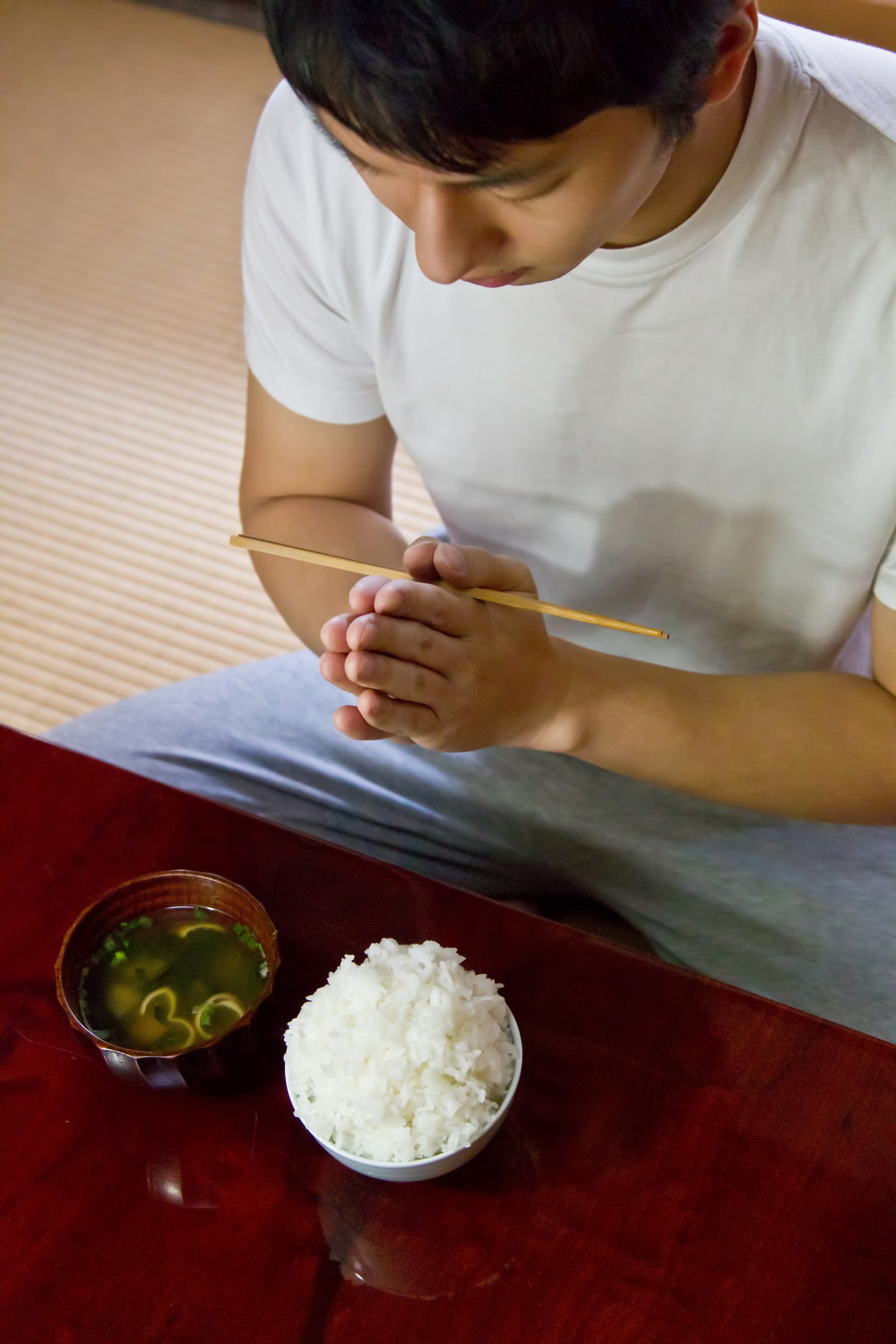
Mindfulness in Eating
Saying “Itadakimasu” is not merely a formality; it is a moment of mindfulness that transforms the act of eating into a deliberate, reflective practice. In Japan, meals are approached with a consciousness that elevates eating beyond mere sustenance, inviting individuals to be fully present with the food before them. This practice intertwines physical nourishment with emotional and spiritual awareness, fostering a deeper connection with both the meal and the broader world from which it comes.
Before a meal, the Japanese pause to bring their hands together and quietly utter “Itadakimasu.” This moment functions as a form of meditation—a pause in the rhythm of the day that allows one to shift focus from distraction to attention, from haste to intention. By acknowledging the life and labor that have made the meal possible, the diner cultivates gratitude, humility, and presence. In effect, the simple phrase is a gateway to mindfulness, signaling the beginning of an eating experience that is deliberate and reflective.
The practice of mindfulness extends throughout the meal itself. Japanese dining encourages attentiveness to the flavors, textures, and aromas of each dish. Food is often served in small portions, arranged with aesthetic consideration, and meant to be savored slowly. Eating becomes a sensory exploration, a way of fully inhabiting the moment and appreciating the subtleties of taste and presentation. By slowing down, diners are able to notice the intricate details of each ingredient—the crispness of a vegetable, the delicate sweetness of rice, the umami depth of miso soup—enhancing both enjoyment and awareness of the food’s journey from source to plate.
For foreign visitors, this mindful approach can be striking, especially in contrast to cultures where eating is frequently rushed, accompanied by screens or conversation, or treated primarily as fuel for the body. In Japan, the act of eating is inseparable from respect for the food itself and the interconnected web of life it represents. Observing or participating in the ritual of mindful eating can be a revelation, highlighting the often-overlooked ethical and spiritual dimensions of nourishment.
Mindfulness in eating also fosters an intrinsic sense of responsibility and restraint. By fully attending to the meal, diners are more likely to avoid waste, to take only what they can consume, and to finish what has been served. This attentiveness reinforces the ethical dimension of “Itadakimasu,” ensuring that gratitude for life translates into conscientious action. The careful pacing of meals allows time for reflection, for noticing the effort and sacrifice embedded in every bite, and for internalizing a sense of interconnectedness with the natural and human worlds.
Beyond individual awareness, mindful eating strengthens social bonds. In family settings, observing each member pause, bow slightly, and recite “Itadakimasu” creates a shared moment of focus and reverence. It reminds participants that the meal is a collective experience, connecting them not only to one another but also to the broader continuum of life and labor that made the meal possible. This communal mindfulness fosters a sense of harmony and mutual respect, reinforcing social cohesion in a subtle yet profound way.
In addition, the Japanese approach encourages a balance between listening to one’s body and appreciating the external world. Meals are an opportunity to honor internal needs while simultaneously acknowledging the external efforts that sustain those needs. This dual awareness—of self and of others, of human and natural contributions—instills a holistic consciousness, in which eating is both a personal and ethical act.
For foreign travelers, embracing this mindful approach can lead to transformative experiences. Taking the time to pause, reflect, and savor each bite often brings a heightened appreciation for food, for the people who prepare it, and for the natural world that sustains it. Even a simple bowl of rice becomes a profound lesson in attention, gratitude, and ethical awareness. Visitors frequently report a sense of calm and centeredness, a rare moment in which the ordinary act of eating becomes infused with meaning and intention.
Ultimately, mindfulness in eating is inseparable from the broader Japanese philosophy of respect, gratitude, and harmony. By slowing down, noticing the details, and consciously appreciating the life and labor behind each ingredient, diners cultivate a richer, more connected experience of nourishment. “Itadakimasu” is not just a phrase; it is a practice of presence, a ritual that invites the eater to engage fully with the meal, the people sharing it, and the world from which it arises.
Through this lens, every meal becomes an opportunity for reflection, a chance to practice mindfulness, and a reminder that food is both a gift and a responsibility. By consciously integrating these principles into daily life, individuals—both Japanese and foreign visitors alike—can transform ordinary dining into an ongoing exercise in awareness, gratitude, and connection.
Beyond the Table: Social and Emotional Implications
In Japan, the significance of “Itadakimasu” extends far beyond the mere act of consuming food; it reverberates through social and emotional dimensions, shaping relationships, reinforcing trust, and cultivating a culture of care and consideration. Meals are not solely personal experiences—they are communal rituals that foster connection among family members, friends, and even the broader community.
At the family table, the shared recitation of “Itadakimasu” creates a moment of unity. Each individual, by pausing and expressing gratitude for the food and its origins, participates in a collective acknowledgment of life, labor, and effort. This simultaneous act of reflection binds the participants together, reinforcing a sense of belonging and mutual respect. It is not uncommon for Japanese families to treat these moments with quiet reverence, acknowledging that the act of eating is intertwined with the rhythm of daily life and the shared responsibilities that sustain it.
Beyond immediate family, meals serve as a conduit for social harmony. When dining with friends or colleagues, the practice of expressing gratitude before a meal subtly communicates attentiveness, courtesy, and awareness of others. In business settings, for example, beginning a meal with “Itadakimasu” signals professionalism, humility, and acknowledgment of the contributions of those who prepared the food. It is a small yet profound social gesture, one that fosters trust and positive interpersonal dynamics without requiring elaborate words or actions.
The counterpart phrase, “Gochisousama ごちそうさま,” said after the meal, completes the emotional and social cycle. Together, these expressions of gratitude create a rhythm of giving and acknowledgment that reinforces relationships. Gratitude expressed before and after meals is not merely ritualistic; it is an ongoing dialogue of respect, care, and reciprocity. By consistently observing these customs, individuals participate in a subtle but powerful reinforcement of social cohesion and emotional intelligence.
For foreign visitors, observing or participating in these customs can be eye-opening. The emphasis on gratitude and reflection may contrast sharply with their own cultural norms, where meals are often casual, rushed, or focused primarily on conversation or entertainment. In Japan, however, the focus on honoring the life within food cultivates mindfulness, patience, and an acute awareness of the interconnectedness between people and nature. Travelers often report that participating in these rituals leaves them with a heightened appreciation for social bonds and a renewed sense of respect for others’ efforts.
The social and emotional implications of “Itadakimasu” also extend to empathy. By acknowledging the effort behind the meal—from farmers and fishermen to cooks and servers—individuals cultivate a sense of consideration for those who contribute to their nourishment. This practice encourages an ethical mindfulness that permeates daily life, reminding people that every action has an impact on others. Gratitude becomes not just a fleeting emotion but a tangible aspect of interpersonal awareness and responsibility.
Meals also serve as opportunities for teaching and modeling behavior, particularly for younger generations. Children observe their elders pausing, bowing slightly, and expressing gratitude for their food, internalizing these practices as norms of respect and care. In this way, the social and emotional lessons of “Itadakimasu” are transmitted naturally, embedding gratitude and mindfulness into the fabric of everyday life. It is a living tradition, sustained not by instruction alone but by consistent, observable practice that resonates emotionally and socially.
Beyond domestic settings, communal meals in public or ceremonial contexts amplify the social significance of gratitude. Seasonal festivals, school lunches, and shared meals in workplaces all incorporate elements of mindfulness and acknowledgment, reinforcing the societal value placed on respect for food and the people behind it. These rituals strengthen community ties, creating a shared emotional language that emphasizes thoughtfulness, humility, and consideration.
Ultimately, the social and emotional power of “Itadakimasu” lies in its simplicity. A single phrase, quietly spoken, can transmit layers of meaning: respect for life, recognition of effort, and awareness of interconnectedness. It transforms an ordinary meal into a moment of emotional resonance and social cohesion. By consciously observing these rituals, individuals nurture empathy, strengthen relationships, and participate in a culture that honors both human and non-human contributors to their sustenance.
For visitors, integrating this understanding into their own dining experiences can be transformative. Even small gestures—pausing before eating, acknowledging the meal, expressing gratitude afterward—carry profound social and emotional weight. They foster mindfulness, cultivate respect, and offer a glimpse into the depth of Japanese cultural practices. Through these moments, travelers not only enjoy nourishment but also participate in a subtle, enduring form of communication that transcends words and strengthens the bonds between individuals.
In this way, “Itadakimasu” and its associated practices reveal a culture where food is more than sustenance—it is a bridge between people, a conduit for emotional expression, and a daily opportunity to nurture harmony, empathy, and gratitude in both personal and communal spheres.
Comparisons with Other Cultures
To fully appreciate the depth and subtlety of the Japanese practice of saying “Itadakimasu,” it is instructive to compare it with analogous customs in other cultures. While many societies have rituals or expressions of gratitude surrounding meals, the manner in which Japan integrates mindfulness, respect for life, and social cohesion into this simple phrase is distinct in both nuance and scope.
In many Western cultures, for instance, a common practice before meals is to offer a prayer or a toast. Christian traditions often involve a brief invocation of thanks to God, acknowledging divine providence and expressing gratitude for the meal. Similarly, in some Jewish households, blessings are recited over bread, wine, or other food items, emphasizing spiritual gratitude and ritual adherence. In secular Western contexts, diners might simply say “bon appétit” or raise a glass in a toast, focusing primarily on enjoyment, celebration, or camaraderie rather than the intrinsic life or labor embedded in the meal itself.
The contrast lies in emphasis. Western meal preambles frequently center on the abstract or external—divine providence, the company at the table, or the pleasure of the food—whereas “Itadakimasu” is simultaneously immediate, intimate, and inclusive. It recognizes not only the people who prepared the meal but also the natural life that has been sacrificed to sustain the diner. The phrase embodies a tangible acknowledgment of the interconnectedness of life, human effort, and nature. It invites participants to pause and reflect, however briefly, on these layers of interdependence before they begin eating.
Moreover, the Japanese practice fosters a quiet, contemplative mindset. Meals are approached with humility and attentiveness, emphasizing the sensory experience and the ethical dimensions of consumption. This contrasts with cultures where mealtime conversation, entertainment, or social performance may dominate, sometimes overshadowing reflection on the sources of nourishment. By contrast, “Itadakimasu” encourages a measured, respectful beginning to a meal, a pause that sets the tone for mindful engagement with food, self, and others.
In Southeast Asia, certain customs similarly express gratitude or reverence for food, but they may be linked more explicitly to ritual or spiritual symbolism rather than everyday life. In Thailand, for example, offerings of food to spirits or ancestors are part of ritual practice, blending religious observance with social conduct. In Japan, while Shinto and Buddhist influences underpin “Itadakimasu,” the practice is secularized and integrated seamlessly into daily life. Even in casual home meals, the phrase is uttered reflexively, demonstrating that mindfulness and gratitude are not restricted to formal or ceremonial occasions—they are woven into ordinary moments.
Another distinction can be observed in terms of scope and inclusivity. “Itadakimasu” simultaneously acknowledges multiple contributors to the meal: the farmers, fishermen, cooks, and even the natural forces that nurtured the ingredients. This holistic perspective contrasts with cultures where gratitude is directed primarily toward a deity or the person serving the meal. Japanese practice implicitly teaches that respect extends outward, embracing all elements of the ecosystem that participate in the process of nourishment.
For travelers encountering “Itadakimasu” for the first time, this comprehensive recognition can be surprising. It challenges the often compartmentalized view of consumption, revealing a culture that blends ecological consciousness, social awareness, and personal mindfulness. Visitors frequently report a heightened sense of connection—not only to the food on the plate but also to the broader web of life and human effort that made the meal possible. This integrative approach underscores the Japanese cultural principle that individual well-being is inseparable from the well-being of others and the environment.
Furthermore, the Japanese practice highlights the importance of ritualized mindfulness in daily routines. In many cultures, reflection on food and gratitude occurs sporadically or in formal contexts. In Japan, the practice of saying “Itadakimasu” before every meal creates consistent opportunities for ethical and emotional engagement. It is not merely an occasional gesture; it is a recurring affirmation of respect, empathy, and interconnectedness that reinforces cultural values over time.
By drawing these comparisons, the unique qualities of “Itadakimasu” become clear: it is at once ordinary and profound, simple in utterance yet rich in meaning, and seamlessly integrates social, ethical, and ecological consciousness into a daily practice. Visitors who adopt even a small part of this ritual often find that it transforms their approach to meals, encouraging slower, more mindful eating, deeper appreciation for food, and heightened sensitivity to the efforts of those around them.
In essence, while expressions of gratitude before meals are nearly universal, Japan’s “Itadakimasu” distinguishes itself through its integration of mindfulness, respect for life, social cohesion, and ethical awareness. This simple phrase exemplifies how a brief, everyday practice can carry profound cultural, social, and spiritual significance, offering lessons not only in etiquette but also in conscious living. Travelers who witness or partake in this practice often leave with a renewed understanding of how even small rituals can cultivate empathy, gratitude, and harmony in daily life.

Lessons for Visitors and Daily Life
The practice of saying “Itadakimasu” offers more than a cultural curiosity; it provides practical lessons that can transform the way we approach meals, mindfulness, and gratitude in everyday life. For visitors to Japan, embracing even a small part of this ritual opens avenues to deeper appreciation—not only of food but also of human effort, nature, and the rhythms of daily life.
One of the most immediate lessons is the value of intentionality. In many cultures, meals are consumed in a rush, often accompanied by distractions such as smartphones, television, or multitasking work. By contrast, Japanese dining encourages a deliberate pause before eating, marked by the utterance of “Itadakimasu.” This pause serves as a mental reset, inviting diners to acknowledge the origins of their food and the network of lives and labor that made the meal possible. Travelers can adopt this simple habit, taking a brief moment of reflection before meals, whether at home, in a restaurant, or during travel. This mindful gesture fosters awareness and gratitude, transforming ordinary eating into an act of conscious engagement.
Another lesson lies in fostering social harmony and empathy. Saying “Itadakimasu” is not merely about gratitude for the food itself—it also communicates respect for those who prepared it and those who will share the meal. By observing this practice, visitors learn that meals are not just nourishment for the body but also a medium for connection and shared mindfulness. In practical terms, this can translate to everyday life by encouraging gestures of acknowledgment and appreciation toward family members, friends, colleagues, and service staff, creating a ripple effect of respect and consideration.
Additionally, the ritual emphasizes ecological and ethical awareness. Recognizing that each ingredient embodies life—whether plant or animal—instills a sense of responsibility and respect toward nature. Travelers can carry this awareness into their daily habits by reducing food waste, choosing sustainably sourced products, or simply savoring each bite with intention. The act of pausing to say “Itadakimasu” reminds us that consumption is not merely a mechanical process but an interaction with living systems, and that each meal is an opportunity to honor that life.
Visitors also gain insight into the subtleties of Japanese social etiquette and the importance of humility. Unlike loud expressions of enjoyment, “Itadakimasu” is quiet, understated, and reflective. It teaches that gratitude need not be grandiose or performative; even small, sincere gestures convey deep respect. In daily life, this translates to adopting a tone of quiet appreciation, listening attentively, and acknowledging contributions with thoughtfulness rather than showy displays.
Furthermore, the practice provides a framework for cultivating inner calm. By incorporating moments of reflection, travelers and residents alike can develop a habit of grounding themselves, reducing the stress and haste that often accompany modern life. Mealtimes become an anchor for mindfulness, encouraging a rhythm that balances activity with contemplation, consumption with acknowledgment, and social interaction with respect for others.
For those returning home from Japan, adopting “Itadakimasu” can be both simple and profound. It requires nothing more than a conscious utterance and the intention behind it, yet it carries a depth of meaning that transforms the mundane act of eating into an ethically and emotionally enriched experience. Families might begin to introduce the phrase during shared meals, friends can use it when dining together, and individuals can internalize its significance when eating alone. Even without speaking Japanese, the practice of pausing, acknowledging, and expressing gratitude before meals can be adapted to any cultural context.
Finally, the lesson extends beyond the meal itself. “Itadakimasu” embodies a mindset of respect, gratitude, and mindfulness that can permeate other areas of life. Travelers report that after embracing the practice, they become more attentive to the labor and effort behind everyday conveniences, more patient in social interactions, and more conscious of their impact on the environment. The phrase serves as a gentle reminder that every action—whether cooking, sharing, or consuming—can be approached with thoughtfulness and reverence.
In summary, the practice of saying “Itadakimasu” teaches visitors and residents alike that gratitude is an active, deliberate engagement rather than a passive feeling. By incorporating intentional pauses, mindful consumption, respect for others, and acknowledgment of life’s interconnectedness, travelers can bring the quiet wisdom of Japanese dining into their daily routines. This simple ritual, repeated over time, fosters a more compassionate, attentive, and ethically aware approach to life—one meal at a time.
Closing Reflection: Living with Gratitude
When one first hears the phrase Itadakimasu, it may sound like nothing more than a polite word said before eating. Yet, within its quiet syllables lies an entire philosophy of living—an acknowledgment of the invisible threads that connect people, food, and nature. It is a reminder that every grain of rice, every leaf of vegetable, every piece of fish or meat carries a story of life given and labor offered.
In a world where meals are often rushed, consumed in front of glowing screens or amidst the noise of constant activity, “Itadakimasu” brings us back to stillness. It slows us down just enough to feel the weight of the bowl in our hands, to notice the fragrance rising from the dish, to reflect on the countless lives—human and non-human—that made this nourishment possible. Saying the phrase is a pause, but it is not empty. It is filled with quiet gratitude.
Gratitude, however, in this Japanese expression, is not only directed outward but also inward. By pausing to honor what we are about to consume, we remind ourselves of our place within the cycle of life. The food that sustains us today once lived, grew, or was nurtured by the earth and by human effort. To eat is to accept the gift of life; to say Itadakimasu is to do so with humility and reverence.
For visitors to Japan, this ritual is often one of the most memorable cultural encounters. Many return home and realize that the simple act of saying a word before eating transforms the mood of a meal. It instills respect, slows time, and deepens connection—not just to food, but to the people we share it with. In this way, Itadakimasu is more than etiquette. It is an everyday meditation.
What Japan offers through this small word is a vision of living with awareness: appreciating not only the extraordinary moments of life, but also the ordinary ones. A family meal, a lunch eaten alone, a quick breakfast before a busy day—each can become an occasion to stop, acknowledge, and give thanks. And in practicing this, we cultivate not only gratitude for food but also a wider gratitude for life itself.
The world often associates power with volume—with speaking loudly, consuming quickly, moving restlessly. But in Itadakimasu, we find another kind of strength: the strength of quiet respect, the dignity of humility, and the resilience of gratitude. It teaches us that gentleness does not mean weakness, and that silence can speak volumes when filled with sincerity.
At its heart, Itadakimasu is not only about eating. It is about how we choose to inhabit our days, how we remember the unseen efforts that sustain us, and how we honor the small miracles of life that we too easily overlook.
QuietTether’s philosophy is echoed perfectly in this tradition:
“To say ‘Itadakimasu’ is to pause, honor, and acknowledge the life that sustains us. In this simple phrase lies a profound respect for food, for the hands that prepared it, and for the life that became our nourishment.”
And so, each time we sit at the table, whether in a Kyoto home, a Tokyo restaurant, or our own kitchens far from Japan, we can choose to carry this spirit with us. To live with gratitude is to recognize that every meal is more than calories or flavor—it is connection, respect, and life itself offered to us, waiting to be received with open hands and a humble heart.