Opening Story: Discovering Washi in a Kyoto Workshop
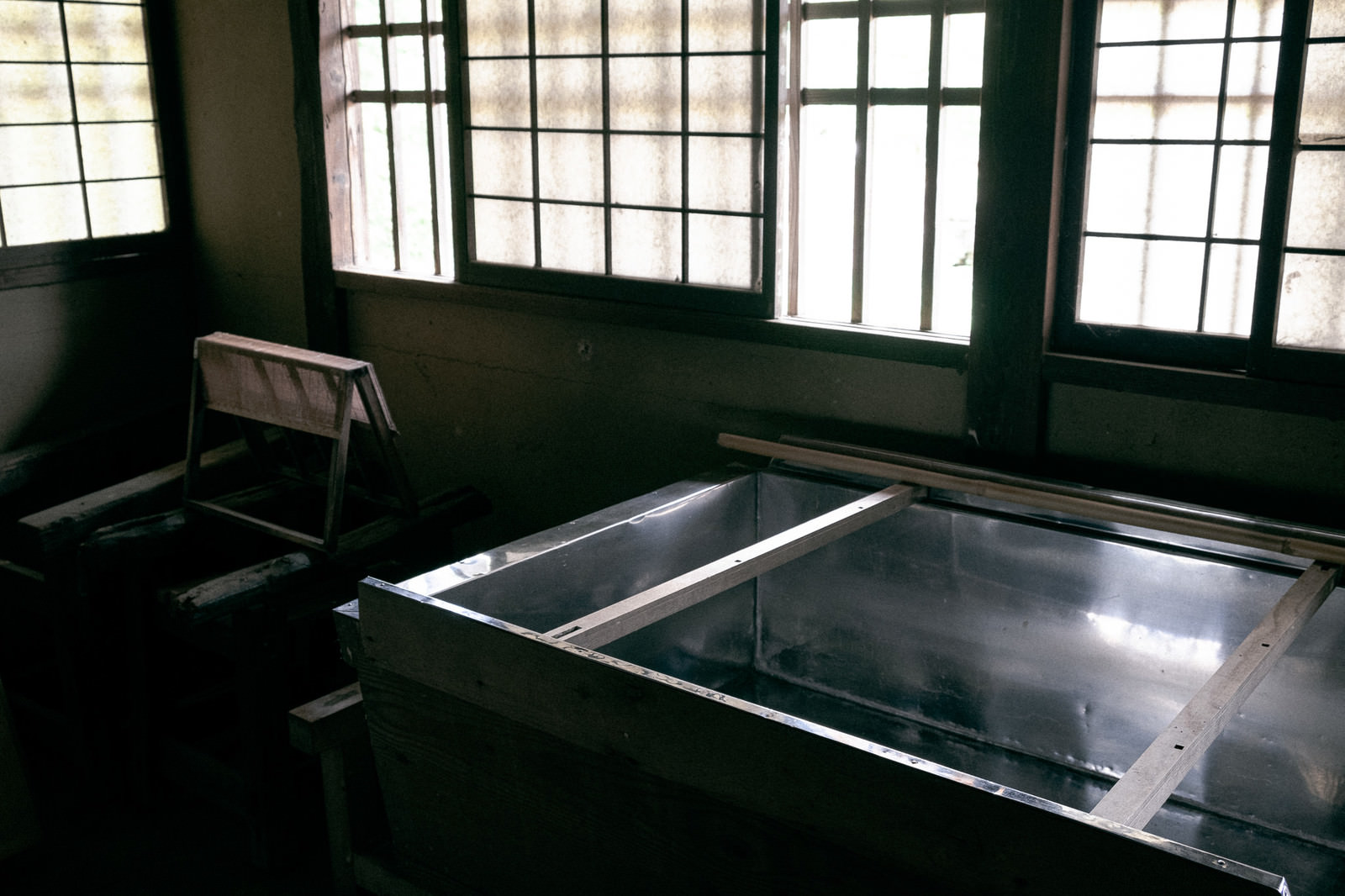
It was early morning when Emily, a traveler from London, found herself wandering the narrow, stone-paved streets of Kyoto. Mist hung low over the city, giving the wooden houses a soft, almost ethereal glow. She had read about the centuries-old craft of Washi, Japanese handmade paper, but had never imagined she would witness it firsthand. As she stepped into the small workshop tucked between two tea houses, the scent of warm water and fiber greeted her, mingling with the faint aroma of steamed wood floors.
Inside, a master craftsman was at work. His hands moved slowly, deliberately, almost meditatively, as he lifted a fine bamboo screen from a shallow vat of water mixed with fibers. With a precision honed over decades, he let the water drip, guided the fibers with gentle flicks of his fingers, and layered them with meticulous care. Each movement was rhythmical, almost like a dance, yet entirely purposeful. Emily could barely breathe, afraid to disturb the serene concentration that seemed to fill the air.
She leaned closer, noticing the subtle ripples in the water, the way the fibers intertwined, forming a thin, almost invisible layer. It struck her that this was not just paper—it was the imprint of human hands, a record of patience, skill, and attention. When the sheet was finally lifted and placed to dry, she tentatively reached out to touch it. The texture was unlike anything she had ever felt: soft yet resilient, delicate yet insistently present. She could feel the echoes of the craftsman’s hands, the slow movement of time, and the careful orchestration of touch and intention.
Emily realized, with a quiet awe, what people meant when they spoke of the “memory of hands” in Washi. This paper was more than a tool or a medium; it was a living record of human care, a vessel carrying the subtle signature of those who had shaped it. Every imperfection, every variation in thickness, every fiber alignment was a whisper of the craftsman’s presence, a fragment of centuries-old tradition made tangible in her hands.
As she stepped out of the workshop, the morning sun now breaking through the mist, Emily felt a profound sense of connection—not only to the paper but to the culture and history it embodied. She understood, in a way she never had before, that to touch washi was to touch a lineage of care and artistry, a delicate bridge between the past and the present. The city outside buzzed with its usual rhythm, but inside her, a quiet reverence lingered, carried in the memory of hands she had glimpsed and felt.
Understanding Washi and Its Sensory Heritage
To truly appreciate washi, one must begin with its essence: the fibers that form it. Unlike ordinary paper, which is typically produced from wood pulp and churned through machines, washi is born from natural fibers such as Kouzo 楮 (mulberry), Mitsumata ミツマタ, and Gampi 雁皮. Each plant offers distinct characteristics: Kouzo brings strength and durability, Mitsumata a softness and subtle sheen, and Gampi a silky, almost translucent finish. The selection of fibers is more than a technical choice; it is an act of intuition, a dialogue between the maker and the raw material.
In a small workshop in Echizen 越前, Fukui Prefecture 福井県—a region renowned for centuries for its paper—one can watch artisans immerse bundles of Kouzo in warm water, softening and separating the fibers with painstaking care. The tactile sensation is paramount: the fibers are slippery, delicate, and yet resilient, responding to the slightest pressure of a hand. As the craftsman kneads, squeezes, and teases them apart, he is not merely preparing a raw material; he is shaping a medium that will carry his intention, his rhythm, and his subtle emotional imprint.
The act of papermaking itself is a sensory experience. The artist dips a su (bamboo screen) into a vat of water and fibers, then lifts it slowly, letting the water drain while carefully shaking and tilting the screen. The fibers settle in layers, intertwining and forming an organic, unique pattern with every lift. No two sheets are ever identical. Here, one can perceive the very memory of hands, the delicate traces of motion embedded in each sheet. The slightest flick of a finger, a subtle tilt of the screen, a gentle pause—all leave an indelible mark. It is a kind of craftsmanship that records its own creation in the most tangible way: a sheet of paper that retains the echo of human touch.
For a foreigner encountering this for the first time, the experience is almost mystical. Emily, the traveler from London, described feeling “as if I could feel the craftsman’s breath and heartbeat in the fibers.” The softness beneath her fingers contrasted with the paper’s subtle strength, a paradox that is uniquely characteristic of washi. Unlike mass-produced paper, which is uniform and predictable, washi invites exploration by touch. One notices the tiny ridges, the uneven thickness, the interplay of fibers beneath the surface. Each imperfection is not a flaw but a testament to the human hand, a signature of impermanence that reflects the philosophy of wabi-sabi.
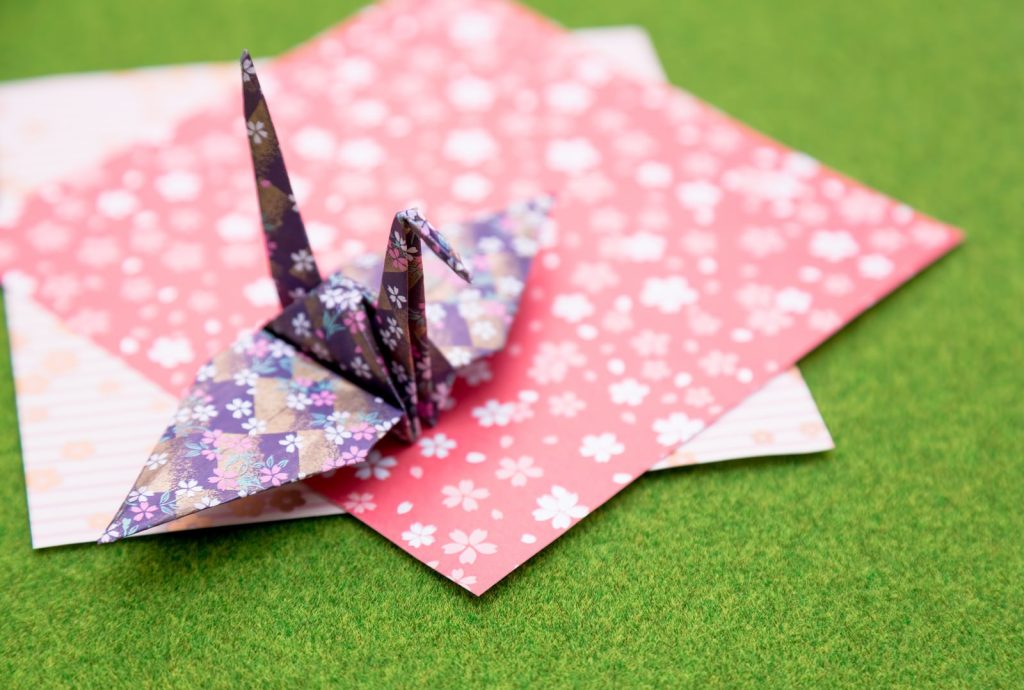
Washi is not merely to be looked at; it is meant to be handled, felt, and experienced with intention. In the practice of calligraphy, the brush glides over the fibers, capturing the writer’s movements with subtle friction. In origami, the paper responds to creases, bends, and folds, holding them with a resilience that machines cannot replicate. Even when used for sliding shoji doors or lampshades, the gentle interaction between hand and material reminds the user of the human effort embedded in its creation. Every sheet carries a story, a tactile narrative that transcends language and borders.
The sensory heritage of washi extends beyond touch. There is the sound of the fibers in water, a soft, almost musical rustle as the su is lifted. There is the smell of the steamed fibers, earthy and slightly sweet, which evokes the quiet rhythm of workshops where generations of artisans have labored. There is the visual texture, the delicate interplay of translucency and opacity, of light and shadow, which changes depending on how the sheet is held. To experience washi fully is to engage all senses, to be mindful of subtle shifts, and to recognize the paper as a living, breathing artifact of human craft.
In essence, washi is a bridge between material and memory, between maker and user. It embodies centuries of tradition, yet remains intimate and personal. Every sheet invites the touch of those who handle it, offering a quiet but profound connection to the human effort that created it. To understand washi is not merely to study its composition or history but to immerse oneself in its tactile world, to allow fingers to trace fibers and discover the stories hidden in the undulating patterns of handmade paper.
Through this intimate contact, one begins to perceive the philosophy embedded in washi: that beauty lies in patience, care, and the traces of human presence. That time itself can be captured in a single sheet. That touch, when conscious and deliberate, is a form of communication as profound as any written or spoken word. Washi, in this sense, becomes not just paper but a medium for experiencing humanity itself, preserved in fiber and water, held in the memory of hands.
Historical and Cultural Context
The story of washi is inseparable from the story of Japan itself. Its origins trace back over a thousand years, to the Nara period 奈良時代 (710–794), when the earliest forms of handmade paper appeared, brought from China and Korea but soon transformed through uniquely Japanese techniques. By the Heian period 平安時代 (794–1185), washi had become central to the production of books, official documents, and religious texts. Its delicate texture and durability made it ideal for preserving the written word, from poetry to sacred sutras, and for capturing the aesthetic sensibilities of a society attuned to subtlety and impermanence.
Washi’s historical importance cannot be overstated. In a time before printing presses and modern materials, paper was both a medium and a treasure. The Japanese court prized elegance and refinement, and the tactile qualities of Washi were integral to literary and artistic pursuits. The Heian-era masterpiece Genji Monogatari was written on such paper, its fine texture contributing to the experience of reading, the rhythm of the brush on fiber, and the beauty of the ink’s absorption. To hold a sheet of washi from this era, one would feel the very essence of a culture that revered sensitivity and nuance.
But washi was not confined to the aristocracy. During the Edo period (1603–1868), merchant towns and local artisans embraced the craft, producing paper for everyday use, including letters, wrapping, and decorative arts. Washi’s versatility—strong yet delicate, pliable yet enduring—allowed it to permeate all levels of society. Even the humble shoji screen, made of paper and wood, exemplifies how washi shaped daily life, filtering light and softening spaces while carrying a tactile reminder of human effort.
The cultural significance of washi extends into Japan’s aesthetic and philosophical traditions. In Zen practice, paper is more than a tool—it is a canvas for mindfulness. The act of calligraphy, meditative and deliberate, draws out the harmony between brush, ink, and fiber. Each stroke interacts with the paper’s texture, producing a subtle dialogue between the maker and the material. In the tea ceremony, washi is used in scrolls, envelopes, and utensils, embodying the concept of wabi-sabi: the beauty of imperfection, the poetry of transient moments. The slight unevenness in the fibers, the variations in translucency, and the gentle ridges all evoke an awareness of impermanence and human touch.
Moreover, washi played a vital role in visual arts such as ukiyo-e and screens (Byobu 屏風). Artists like Hokusai and Hiroshige relied on the strength and absorption of handmade paper to produce prints that have endured for centuries. The fibers held the ink in delicate balance, allowing for bold colors, intricate details, and the subtle gradations that give Japanese prints their luminous quality. In this way, washi became a cultural repository, not just a physical substrate, carrying artistic intention and the energy of both artist and artisan.
The preservation of washi techniques also reflects a profound commitment to tradition and intergenerational knowledge. Skills were transmitted through apprenticeship, often within families, maintaining continuity across centuries. Each sheet of paper produced today is connected to this unbroken lineage, carrying with it centuries of refinement, adaptation, and subtle innovation. Modern workshops, while incorporating contemporary tools, still honor the slow, deliberate pace of historical production, recognizing that speed or mechanization cannot replicate the depth of human touch.
Through its long history, washi has been more than a utilitarian material; it has been a symbol of Japanese values: patience, attention to detail, reverence for natural materials, and an acute awareness of the relationship between human action and its effects. By holding, folding, or writing upon a sheet of washi, one participates in a tradition that stretches back over a millennium, linking past and present, maker and user, through the tangible memory embedded in fibers.
For a foreigner visiting a Kyoto workshop, this historical context transforms the experience. What at first seems like a delicate sheet of paper becomes a living artifact, a witness to centuries of culture, philosophy, and craft. Every ridge, every fiber, is a whisper from the past, a subtle reminder that in Japan, even the simplest objects are suffused with meaning, patience, and care.
In summary, washi is a bridge between history and sensory experience. It is a physical embodiment of the Japanese appreciation for time, craft, and the enduring presence of human touch, carrying not only ink and images but the memory of generations who shaped it with their hands. To understand washi historically is to understand Japan itself: a society that finds beauty and significance in the interplay between the human hand, the natural world, and the passage of time.
The Craftsmanship Behind Washi
To truly understand washi, one must look beyond the paper itself and into the hands that create it. Each sheet is a testament to the patience, precision, and artistry of the craftsmen who dedicate their lives to this ancient practice. The process is slow, deliberate, and deeply meditative—a rhythm that embodies the very essence of Japanese craftsmanship.
A typical day for a washi artisan begins before dawn. The fibers—often derived from Kuozo (mulberry), Mitsumata, or Gampi plants—are carefully harvested and then stripped of their bark. This initial preparation requires knowledge passed down through generations. The artisan must discern the quality of the fibers, understanding which sections yield strength, which provide softness, and how the fibers will respond to water. This sensitivity is not taught in textbooks; it is learned through years of intimate observation, trial and error, and a close relationship with the natural world.
Once the fibers are prepared, they are boiled in large vats with lye to remove impurities and soften them. The aroma of steaming fibers, combined with the quiet rhythm of labor, creates a meditative environment. Here, the process becomes as much about connection with the material as technical skill. The artisan feels the fibers in their hands, tests their pliability, and adjusts the boiling time or water ratio to ensure a perfect balance of strength and delicacy. Each batch is unique, influenced by subtle variations in plant quality, season, and humidity.
Next comes the heart of the craft: sheet forming, or nagashi-zuki. The artisan immerses a bamboo screen, or su, into a vat of water and fibers, lifting and shaking it with precise, rhythmic movements. The fibers interlace, water drains, and a delicate sheet begins to take shape. This stage is where the concept of the “memory of hands” becomes tangible. Every tilt, every swirl, every gentle shake is a gesture that will be recorded in the paper’s texture. Variations in thickness, subtle waves, and tiny imperfections are not flaws—they are signatures of the human touch, a quiet testimony of the artisan’s presence.
After forming, the sheets are pressed and dried, either by sun or on wooden boards. Here, again, care is essential. The drying process must be timed perfectly; too fast, and the paper cracks, too slow, and it may warp. Some artisans employ a technique called tamezuki, layering sheets for natural flattening, which further embeds the fibers with gentle textures that reflect the maker’s hand. Finally, the paper is carefully peeled, inspected, and sometimes polished, completing the transformation from raw plant fibers into a living sheet of washi.
The craftsmanship behind washi is more than manual skill—it is philosophy. Artisans often speak of “breathing with the paper,” a poetic way to describe the dialogue between hand, fiber, and water. This mindset is rooted in centuries of cultural practice: a recognition that creation is collaborative, not solely human, and that every sheet carries a part of the maker’s intention, attention, and spirit. It is a practice of mindfulness, patience, and humility, requiring one to move in harmony with the materials and the moment.
Each sheet of washi, therefore, is a microcosm of time, labor, and human presence. Unlike machine-made paper, it cannot be replicated exactly. Its very imperfections are expressions of authenticity, a tactile record of gestures, pauses, and subtle pressures applied during formation. When one runs a hand across a freshly dried sheet, they feel the variations and ridges that are essentially fingerprints of tradition, a memory embedded in cellulose and water.
This meticulous process also reflects the broader Japanese cultural reverence for craft and care. Just as a tea ceremony demands attention to every gesture, or a garden requires patience and sensitivity, washi-making is a practice of attentiveness, respect, and subtle artistry. It reminds us that true quality is inseparable from intention and presence. In every fold, brushstroke, or written word upon washi, one is touching not just paper, but the distilled essence of human diligence and devotion.
For visitors to a Kyoto workshop, witnessing this process is transformative. Watching fibers turn into sheets through deliberate, practiced movements, one gains a tangible sense of how labor, culture, and artistry converge in a single object. The phrase “the memory of hands” ceases to be metaphorical; it becomes palpable, a bridge connecting the artisan’s centuries-old lineage to the present moment, and the visitor’s own experience of touch and time.
In essence, the craftsmanship behind washi is a celebration of human presence and imperfection, a philosophy expressed through material, rhythm, and gesture. Every sheet tells a story of care, patience, and a mindful connection to nature and history—a story that transcends words and invites the beholder to feel, reflect, and participate in the continuation of a living tradition.
Experiencing Washi as a Foreigner
Stepping into a small Kyoto washi workshop, a foreign visitor is immediately struck by the serenity of the space. The scent of wet fibers mingles with the faint aroma of steamed wood, and the soft murmur of artisans moving through their rituals creates an atmosphere that feels suspended in time. For someone used to fast-paced, mechanized production, the slowness of handcraft is astonishing—a quiet, deliberate world where every movement is purposeful.
The visitor watches as a master artisan lifts a bamboo screen from a vat of kozo fibers. Water cascades gently, leaving behind a delicate, translucent sheet. The fibers seem to float in the air, responding to the artisan’s touch with a life of their own. Each movement is fluid, rhythmic, almost like a dance—the hands move, and the fibers obey. For the foreigner, this is not just a craft demonstration; it is a sensory awakening, a glimpse into the intimate dialogue between human and material.
When invited to try their hand at making a sheet, initial hesitation gives way to fascination. Dipping the screen into the fibrous water, feeling its weight, and then lifting it with precise rhythm, the visitor quickly realizes how delicate the balance is. Too much tilt, and the fibers may shift unevenly; too little, and the sheet will be too thick. Yet, with each careful motion, there is an almost meditative joy—an awareness of how subtle movements produce profound effects. The visitor begins to feel a connection to the centuries of hands that have performed the same gestures, a chain of human touch stretching across history.
After drying, the paper is soft to the touch yet firm, with subtle ridges and variations that tell the story of its making. Running fingers across its surface, the visitor feels more than texture; they feel the presence of the artisan, the water’s flow, the fibers’ pliability, and the quiet patience that shaped it. There is a realization that this sheet is not just material—it is a record of time, effort, and intention. Each undulation and imperfection is a signature of human care, impossible to replicate exactly, yet full of life.
Participating in a calligraphy session or folding origami on this handmade paper deepens the experience. The foreigner becomes both observer and participant, leaving their own touch upon a medium that has absorbed countless others before. Every fold and brushstroke interacts with the paper’s uneven texture, creating a dialogue between old and new hands, between tradition and individual expression. In this way, washi becomes more than an object—it is a living canvas of human connection.
Beyond the workshop, the experience leaves a lasting impression. Everyday paper, mass-produced and identical, suddenly feels hollow in comparison. The visitor recognizes the value of tactility and imperfection, the quiet reassurance that comes from holding something crafted with care. Washi teaches patience and attentiveness, reminding that creation is not only about efficiency, but also about presence, mindfulness, and respect for material.
For many foreigners, this engagement also sparks a reflection on their own relationship with objects. In a world dominated by machines, screens, and disposable products, the simple act of touching and shaping material by hand reconnects them to the rhythm of life. The memory of hands—theirs, the artisan’s, and generations past—becomes a metaphor for human continuity, sensitivity, and empathy.
Experiencing washi as a foreigner is therefore both tactile and emotional. It is a lesson in patience, humility, and reverence for craft. It invites reflection on how everyday objects—paper, cloth, tools—can carry the imprint of human care and history. And in feeling the fibers under one’s fingertips, one cannot help but sense a larger truth: that to touch is to connect, to remember, and to honor the labor of others.
Psychological and Emotional Resonance
Washi paper is not just a visual or tactile experience—it is profoundly psychologically and emotionally resonant. For centuries, the deliberate, human-centered process of making paper has fostered a subtle, yet powerful, connection between the creator, the material, and the user. This connection is often imperceptible to the untrained eye, but for those who slow down and touch the fibers, the effect is immediate: a sense of calm, focus, and reassurance emerges.
One of the most striking psychological effects of interacting with handmade washi is the experience of mindful presence. The imperfections—the tiny ridges, irregular thicknesses, slight translucency—serve as tactile reminders that nothing is rushed. Unlike mass-produced paper, which is cold, uniform, and predictable, washi encourages the mind to slow down, to notice subtleties, and to be fully attentive. The hands become conduits for awareness, guiding the mind into a state of quiet concentration that resembles meditation. It is a tactile mindfulness practice, where touch aligns body and mind in a harmonious rhythm.
There is also the emotional resonance of “incomplete perfection”—a concept central to Japanese aesthetics, often called wabi-sabi. Each sheet carries subtle asymmetries, tiny inconsistencies, and natural marks that would be considered flaws in industrial products. Yet, these very features evoke warmth, comfort, and authenticity. Psychologically, encountering such imperfections fosters a sense of relief from the relentless demand for perfection. One feels less pressured, more human, and gently reminded of the beauty in impermanence.
The act of holding washi can also evoke a sense of safety and care. Unlike synthetic materials, the fibers are soft, flexible, and responsive, seeming almost alive beneath one’s fingertips. The slow, deliberate crafting process imbues each sheet with a kind of residual intentionality, a feeling that someone has cared for this object attentively. Touching it, one experiences a subtle but profound reassurance: humans are capable of careful, thoughtful action, and that care can be transmitted across time through the medium of paper.
Furthermore, engaging with washi encourages self-reflection and introspection. Writing a note, practicing calligraphy, or folding origami on the paper becomes a conversation between the self and the material. The irregularities of the paper influence movement and decision-making, gently challenging perfectionism and fostering creativity, patience, and adaptability. Psychologists would recognize this as a form of experiential therapy, where hands-on engagement with tactile materials promotes mental balance, emotional regulation, and even stress reduction.
For many foreigners, this realization is profound. In a world dominated by screens, mass-produced goods, and digital experiences, the physicality of washi reconnects them to their own bodies, to human craftsmanship, and to slower rhythms of life. It becomes an anchor—a reminder that life need not be uniform or efficient to be meaningful. Every touch evokes continuity, history, and a human presence that transcends generations, creating an emotional link that is both grounding and inspiring.
Even in practical, everyday settings, washi can enhance well-being. Using handmade paper for letters, journals, or crafts transforms ordinary routines into ritualized moments of attentiveness and care. Psychologically, this introduces small but significant pauses, moments to slow down, notice, and engage intentionally with the material world. The emotional reward is subtle: a sense of connection to the past, a softening of anxiety, and a renewed appreciation for tactile, human-centered experience.
Ultimately, the emotional resonance of washi stems from its dual nature: it is simultaneously functional and expressive, ordinary and profound, fragile yet enduring. Each sheet carries the imprint of time, touch, and human intention, inviting those who interact with it to slow down, breathe, and reconnect with both themselves and the continuum of human effort. To hold washi in one’s hands is to feel the echo of countless gestures, the patient passage of craft, and the quiet persistence of human care.

Lessons for Modern Life
In our modern, fast-paced, and digitally dominated world, the tactile, human-centered experience of washi offers lessons that go far beyond paper itself. Washi is a gateway to reclaiming mindfulness, reconnecting with human effort, and appreciating the beauty of imperfection. By reflecting on the traditions embedded in washi, we can extract practical insights for daily life, both personally and socially.
Reconnecting with the Sense of Touch
One of the most immediate lessons is the importance of physical engagement with the world. In an era where screens and keyboards dominate, our tactile senses are underutilized. Washi reminds us that touch is not just sensory—it is cognitive and emotional. Feeling the subtle texture of paper, folding it, or pressing a brush against it engages the brain in a way that digital interfaces cannot replicate. These simple acts reinforce awareness, focus, and a deep sense of presence in the moment.
Practical application:
- Take time each day to interact with materials physically: write a journal by hand, fold origami, or handle cloth, wood, or clay.
- Pause to notice textures in your environment, from a ceramic cup to the grain of a wooden table.
- Create tactile rituals—morning notes, handwritten letters, or sketching—to ground yourself in the material world.
Embracing Imperfection and Patience
Washi’s irregularities are not flaws; they are manifestations of time, effort, and natural variation. This philosophy offers a vital lesson: life need not be perfectly efficient or uniform to be meaningful. By embracing imperfection, we learn patience and reduce anxiety over mistakes or outcomes. The irregularity of hand-crafted paper mirrors the irregularity of life itself.
Practical application:
- Approach projects with flexibility and acceptance of imperfection.
- Allow yourself small creative experiments without obsessing over precision.
- Recognize and appreciate “mistakes” as markers of authenticity, personal growth, or human presence.
Slowing Down in a Fast-Paced World
The process of making washi is inherently slow and deliberate. Observing or engaging in the craft encourages a slower pace of thought and action, fostering deeper reflection and awareness. In modern life, where multitasking and immediacy dominate, these moments of deceleration are crucial for mental health and emotional resilience.
Practical application:
- Introduce intentional pauses in daily routines: mindful tea breaks, slow walks, or moments to observe textures and sounds around you.
- When working on creative or intellectual tasks, focus on quality over speed, allowing your mind to dwell on details.
- Reintroduce rhythm and ritual into ordinary activities, transforming them into opportunities for presence and reflection.
Cultivating Respect for Human Effort
Every sheet of washi carries the imprint of human labor, attention, and care. Recognizing this helps cultivate gratitude and respect for the work of others, an essential element for sustaining empathetic and harmonious relationships. In contemporary society, where mass production and automation often obscure human involvement, consciously valuing effort fosters social and ethical awareness.
Practical application:
- Choose handmade or carefully crafted items when possible, appreciating the labor involved.
- Express gratitude when receiving goods or services, acknowledging the human effort behind them.
- Integrate small acts of care in your own work and interactions, reinforcing the ripple effect of attention and kindness.
Integrating Handcrafted Practices into Modern Life
Washi exemplifies the intersection of tradition and modernity: it is ancient, yet still relevant. Its lessons are not limited to paper; they can be applied to any handcrafted or thoughtful activity. By intentionally creating or engaging with tactile, human-centered work, we restore a sense of rhythm, connection, and creativity in our daily lives.
Practical application:
- Engage in activities that involve hands, attention, and intention, whether it is cooking, gardening, sewing, or woodworking.
- Incorporate writing, sketching, or journaling as a daily ritual, appreciating the physicality of marking space and time.
- Balance digital interaction with physical creation to foster mental clarity, emotional well-being, and sensory engagement.
The Philosophy of Presence and Connection
Ultimately, washi teaches a profound philosophy: life is not only about outcomes, efficiency, or perfection—it is about presence, human connection, and the transmission of care. By holding a sheet of hand-made paper, we touch the past, the hands of artisans, and the rhythms of nature. In doing so, we learn that small, intentional acts—whether touching, creating, or acknowledging—carry immense value, both emotionally and socially.
Incorporating these lessons into modern life means cultivating slower rhythms, appreciating imperfection, honoring human effort, and nurturing the sense of touch. It is a gentle but radical shift: a movement away from purely transactional interactions toward a world where care, attention, and human presence are visible, felt, and appreciated.
Closing Reflection: The Memory in Your Hands
Washi is more than paper. It is a living record of human touch, time, and care, a medium that carries the invisible imprint of countless hands through generations. Each sheet whispers stories of artisans who have bent, stretched, and folded fibers, leaving behind subtle traces of effort, intention, and rhythm. When we hold washi, we are not merely touching a material object—we are feeling a lineage, a tradition, and a philosophy encoded in texture.
The memory embedded in washi invites us to reconsider the pace, quality, and meaning of our own lives. In our digital, fast-moving age, we often skim through experiences without noticing the subtleties—the delicate gradations of tone, texture, and feeling that enrich human existence. Washi asks us to slow down, to sense, to inhabit the moment fully, and to recognize the hands—seen and unseen—that shape the world around us.
There is a quiet magic in this tactile connection. By touching a sheet of handmade paper, we reconnect with:
- Cultural continuity: appreciating centuries of Japanese craftsmanship and aesthetic philosophy.
- Human effort: acknowledging that beauty and functionality often require patience, precision, and care.
- Our own senses: feeling the texture, weight, and warmth of fibers reminds us that perception is holistic, embodied, and alive.
- Mindfulness and reflection: the act of touching encourages presence, introspection, and calm.
Washi also teaches a gentle but profound lesson about impermanence and imperfection. Its slight irregularities—variations in thickness, tiny fibers, uneven edges—mirror the human condition. Life, like handmade paper, is rarely flawless. Yet it is precisely in these imperfections that character, depth, and authenticity emerge. Touching washi reminds us to embrace our own imperfections, to honor our effort, and to find beauty in the imperfect journey.
For those who experience washi firsthand, there is often an emotional resonance that transcends language. Words cannot fully capture the sensation of a paper formed by patient hands, dried with care, and offered as a conduit of thought, art, or message. It is a tactile memory that lingers, an intimate connection between maker and user, past and present, self and other.
In a broader sense, washi exemplifies the philosophy of QuietTether: connecting subtly, deeply, and thoughtfully. Its lesson extends beyond paper into life itself. To touch, create, or engage intentionally is to honor both human labor and the quiet, persistent rhythms of the world. It is to place value on presence, patience, and care, cultivating a life rich in texture, depth, and connection.
As we close this exploration, let us carry with us the memory in our hands. Let us allow the touch of tradition to inform our daily lives, reminding us that real engagement with the world is felt as much as it is seen or understood. The legacy of handmade paper is not only aesthetic—it is ethical, emotional, and existential. It teaches us that through touch, attention, and care, we reconnect with our own humanity.
QuietTether philosophy encapsulated:
“To touch washi is to feel the echo of countless hands, the passage of time, and the quiet persistence of human care. In its texture, memory lives, and through it, we reconnect with ourselves.”
In every fold, fiber, and imperfection, washi whispers: our hands, our time, and our presence matter. By embracing this truth, we bring the lessons of traditional craftsmanship into a modern life, cultivating connection, mindfulness, and the quiet beauty of human touch.