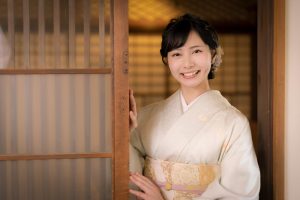

Opening Story: The Slow-Blooming Friendship
When Emily first arrived in Tokyo, she was full of excitement and curiosity, yet also carried a subtle undercurrent of nervousness. Coming from a small town in England, she was eager to immerse herself in Japanese culture, make friends, and perhaps understand the nuances that textbooks could never convey. The first few weeks were a mixture of wonder and isolation. The city, with its bustling streets, neon lights, and orderly chaos, felt vibrant, yet the human interactions were more restrained than she had anticipated.
Emily met Hiroshi during her first week at a language exchange meetup. He was polite, reserved, and smiled warmly whenever she attempted to speak Japanese. Their conversations were initially brief—simple greetings, small talk about the weather, or questions about where she was from. At first, Emily felt frustrated. She was used to a culture where friendliness often meant immediate warmth and sharing, a quick establishment of emotional rapport. In Japan, however, she noticed that the smiles and polite conversation often masked a deeper boundary—a quiet, patient distance that she didn’t immediately understand.
Weeks turned into a month, and Emily continued to see Hiroshi at the weekly meetup. They began to share casual chats, laughing over small mistakes in language or quirky observations about Tokyo life. Still, the conversations remained surface-level. Emily wondered if they could ever move beyond these superficial exchanges. But Hiroshi never seemed dismissive; his calm, attentive presence was reassuring in its own understated way.
The real shift came unexpectedly one rainy afternoon. Emily and Hiroshi had decided to take a walk around Ueno Park after a language session. The rain drizzled gently, the scent of wet earth and blooming cherry blossoms mingling in the air. They shared an umbrella, walking side by side in silence, occasionally commenting on the ducks swimming in the pond. Emily felt an unusual sense of comfort—a calm that was not based on words but on the shared rhythm of time and presence.
Over the next few months, Emily and Hiroshi’s friendship grew in ways that were subtle yet profound. They started meeting for lunch, exploring quiet cafés tucked away in narrow streets, attending small art exhibitions, and sometimes just walking through neighborhoods while chatting about nothing in particular. During these interactions, Emily noticed a pattern: Hiroshi would never rush the conversation, never push for immediate emotional disclosure, yet he was always there, attentive, and reliable. She began to realize that the depth of their connection wasn’t measured by the number of secrets shared in the first meeting, but by the steady, consistent presence that built trust over time.
The breakthrough moment came on a quiet Sunday afternoon. They had settled on a park bench overlooking a small pond, sharing homemade tea and onigiri. Emily tentatively opened up about her struggles with adapting to life in Tokyo, her insecurities about speaking Japanese fluently, and the loneliness she sometimes felt despite being surrounded by people. She braced herself, expecting a polite nod and quick change of topic, the way many casual acquaintances might respond. Instead, Hiroshi listened intently, his gaze steady and compassionate. He didn’t offer immediate solutions or platitudes. He simply acknowledged her feelings, saying, “It’s okay. Take your time. You don’t have to carry everything alone.”
That single moment was transformative. Emily felt a wave of relief, a quiet recognition that vulnerability could be met with patience rather than judgment. She realized that the months of small interactions—the laughter, the walks, the shared meals—had cultivated a foundation strong enough to support genuine emotional exchange. In that moment, she understood a profound truth: deep connections in Japan were not built in a single instant of confession or emotional intensity; they were nurtured patiently, layer by layer, through time, attention, and consistent presence.
Over the following months, Emily observed this principle extending beyond her friendship with Hiroshi. Other acquaintances, colleagues, and even neighbors exhibited the same subtle pattern. Bonds were formed not by forced intimacy, but by repeated, gentle acts of attention and respect. A shared cup of coffee, a polite greeting, a small gesture of thoughtfulness—all contributed to the slow, careful weaving of trust. Emily began to appreciate that in Japanese culture, the pace of relationships was not a limitation but a strength. It allowed people to understand each other deeply, to develop empathy, and to build trust that could withstand misunderstandings, distance, and the inevitable challenges of life.
By the end of her first year in Japan, Emily could confidently say that she had developed friendships with a depth she had rarely experienced elsewhere. These relationships were not flashy or immediate; they were slow-blooming, much like the cherry blossoms she had come to love. Each petal, delicate and carefully unfurled, symbolized the trust, patience, and attention that had gone into cultivating these bonds. Emily had learned that in Japan, the art of connection was not about speed or volume, but about the quiet, deliberate accumulation of shared time, empathy, and understanding.
Through her journey, Emily also discovered a personal lesson: the value of patience in her own interactions. She no longer felt compelled to push for rapid closeness, nor did she worry about moments of silence. She had learned to appreciate the subtle power of consistency and presence, understanding that relationships, like gardens, require nurturing, not urgency. In every laugh shared, every walk taken, and every heartfelt conversation, she experienced the slow magic of trust unfolding—a reminder that the most meaningful connections are often those that take time to bloom fully.
The Cultural Pace of Relationships
In Japan, relationships are often likened to a carefully tended garden rather than a rapidly flowing river. From the moment one meets a new acquaintance, there is a subtle understanding that closeness cannot be rushed, and trust must be earned gradually. Unlike cultures where friendliness is often displayed openly and intensely from the outset, Japanese social norms emphasize patience, respect, and the slow accumulation of familiarity. This deliberate approach is not an expression of coldness or indifference; rather, it reflects a deep-seated cultural philosophy that values endurance, mindfulness, and the consideration of others’ feelings over immediate gratification.
The first encounters with Japanese people often feel polite but restrained to outsiders. Greetings are formal, questions are cautious, and conversations revolve around neutral topics: the weather, commuting, hobbies, or general observations about daily life. Initial interactions rarely reveal one’s inner thoughts or emotions. To a foreigner accustomed to extroverted openness, this can feel distant or even frustrating. However, these seemingly superficial exchanges serve as the groundwork for future trust. They are a form of social calibration, a gentle testing of boundaries that ensures both parties are comfortable before more personal matters are addressed.
Underlying this cultural approach is a philosophy deeply ingrained in Japanese social conduct: the importance of harmony (wa). Harmony is not just about avoiding conflict; it is about fostering a stable and predictable environment where people can feel safe. By taking time to gradually build relationships, individuals demonstrate respect for each other’s personal space, emotional rhythms, and boundaries. Quick displays of intimacy or unfiltered sharing, while common in some other societies, may be perceived as intrusive or even reckless in Japan. Instead, meaningful connections are nurtured through repeated, small gestures of attention and consideration, creating a foundation that allows for genuine emotional exchange when the time is right.
Another critical concept shaping the Japanese pace of relationships is tatemae and honne, the distinction between public façade and private feelings. In early stages of acquaintance, people tend to present a polished, socially acceptable version of themselves—tatemae. Honne, the true inner thoughts and feelings, is revealed slowly, as trust develops. This cultural practice ensures that vulnerability is shared deliberately and safely, reducing the risk of misunderstandings or breaches of trust. Foreigners often interpret tatemae as formality or reserve, yet it is, in fact, a form of social intelligence—a recognition that meaningful relationships require patience and careful attention.
Patience in Japanese relationships is also reinforced by historical and social patterns. The practice of long-term employment, multigenerational households, and community interdependence encourages consistency and reliability. Children grow up observing how adults build and maintain friendships, professional relationships, and romantic partnerships over years rather than months. This creates a societal rhythm in which the passage of time is inherently linked to the deepening of trust. Rushing a relationship is often seen as disrespectful, as it ignores the implicit understanding that bonds must mature organically.
Even in professional settings, the slow pace of relationship-building is evident. A newcomer to a Japanese company may notice that casual conversations, greetings, and small talk dominate the first few months. Senior colleagues may be friendly yet reserved, offering guidance and observing interactions without immediately forming close bonds. Over time, shared experiences, collaborative projects, and subtle gestures of support create a network of trust and camaraderie that is more robust than any hurried connection could be. It is in this careful, gradual approach that employees find security, and the workplace achieves cohesion.
This deliberate pace also permeates romantic relationships. Unlike in some cultures where dating can escalate rapidly to emotional intimacy, in Japan, couples often spend months, sometimes years, developing friendships before significant romantic commitment. Shared experiences, consistent attention, and mutual understanding lay the groundwork for lasting partnerships. This approach may seem slow from an outsider’s perspective, but it fosters resilience and depth, reducing the likelihood of misunderstandings or superficial connections.
Time itself is a medium for connection. Meals shared together, walks through quiet neighborhoods, or recurring visits to cultural events become repeated opportunities to observe, understand, and support each other. Each interaction, no matter how ordinary, contributes to an invisible lattice of trust, gradually strengthening the bond. This approach values consistency over intensity and depth over immediacy, teaching that the true measure of a relationship is not how quickly it develops but how enduring it becomes.
For foreigners like Emily, navigating this pace requires patience, observation, and a willingness to adapt. Initial impressions of distance or restraint often give way to a profound appreciation for the care and thoughtfulness embedded in every interaction. What may appear slow or cautious is, in reality, a deeply respectful approach to human connection—a recognition that trust, empathy, and emotional intimacy are fragile and must be nurtured over time.
Ultimately, the cultural pace of Japanese relationships offers a lesson in the power of patience and the beauty of incremental growth. It reminds us that connections are not mere social transactions but living processes, cultivated through consistency, presence, and attentiveness. To truly understand a Japanese friend, colleague, or loved one is to commit to this slow rhythm, appreciating that depth and authenticity emerge not in haste, but in the quiet, cumulative moments shared over weeks, months, and years.
Everyday Examples of Slow-Building Bonds
If Section 1 explored the philosophy behind the Japanese pace of relationships, Section 2 shows how this philosophy unfolds in daily life. The abstract principle of “trust takes time” becomes visible in countless ordinary moments: the way colleagues interact at work, how friends gradually open up, how romance develops, and even how families strengthen their ties across generations. These are not grand or dramatic gestures but small, consistent practices that accumulate into deep and enduring bonds.
The Workplace: From Polite Colleagues to Trusted Allies
For many foreigners, the workplace is the first arena where the slow-building nature of Japanese relationships becomes evident. At first, interactions with colleagues often feel extremely formal. Coworkers may greet one another with polite bows and formulaic phrases such as “Otsukaresama desu” (thank you for your hard work) or “Yoroshiku onegaishimasu” (I humbly ask for your cooperation). Meetings may emphasize consensus rather than individual expression, and small talk remains surface-level—weather, commuting struggles, or recent news.
Yet, as weeks and months pass, something subtle begins to shift. Invitations to casual after-work gatherings (nomikai) may appear. A colleague may share a small snack at break time, or ask about your weekend plans with genuine curiosity. Slowly, the walls of formality soften, revealing glimpses of personal life, opinions, and even vulnerabilities.
One striking example is how mentorship evolves. A senior colleague (senpai) might not immediately offer advice or assistance but will watch carefully, allowing the newcomer to learn through observation. Over time, the senpai begins to offer small pointers, then more personal encouragement, and eventually, invitations to discuss deeper career concerns. The relationship matures through a pattern of reliability: being present, showing respect, and consistently fulfilling responsibilities. Trust here is less about dramatic loyalty and more about the quiet, persistent accumulation of shared experience.
Friendships: From Shared Spaces to Shared Hearts
Friendships in Japan often begin in group settings: school clubs, hobby circles, community activities, or gatherings arranged by mutual acquaintances. In the early stages, group interactions dominate, and individual bonds are less pronounced. People avoid diving into personal topics too quickly, preferring instead to establish comfort through shared routines—playing sports together, attending cultural events, or simply going to the same café after class or work.
For a foreigner, this can initially feel like being “kept at arm’s length.” Conversations may seem light, focusing on external topics rather than personal feelings. But time works its quiet magic. After many shared moments, a friend may invite you to join them one-on-one: a meal, a walk, or a visit to a favorite spot. These invitations mark a turning point—an indication that the friendship is shifting from casual companionship to something more personal.
It is often in these smaller, quieter interactions that deeper conversations emerge. A Japanese friend may begin to share family stories, personal challenges, or dreams for the future. Importantly, they may also begin to show vulnerability—expressing doubt, frustration, or sadness. These moments of openness are not granted quickly; they are earned through patience, consistency, and mutual respect. The slowness of the process makes the trust all the more meaningful when it finally arrives.
Romance: Friendship Before Love
Romantic relationships in Japan also tend to develop gradually. Unlike some cultures where dating escalates quickly—moving from initial meetings to deep emotional sharing in weeks or even days—Japanese romance often emphasizes an extended “pre-dating” phase. People may spend months, sometimes years, as friends before confessing romantic interest.
This process is deeply tied to the cultural value of caution and respect. A premature declaration of love risks embarrassment or discomfort, especially if the other person does not reciprocate. By spending time together in neutral contexts—group outings, study sessions, or casual meals—individuals test compatibility, observe each other’s behavior, and build a foundation of mutual trust.
When a confession (kokuhaku) finally occurs, it carries significant weight. It is not simply a casual invitation to date but an intentional step into a relationship grounded in patience and respect. For many foreigners, this can feel slow or even frustrating, yet the depth of commitment that emerges from such a process is often profound. The time invested ensures that the relationship, once begun, has a sturdier foundation than one built on speed or spontaneity.
Family Bonds: The Strength of Daily Rituals
Family life in Japan demonstrates perhaps the most enduring example of slow-built trust. Relationships between parents and children, siblings, or even extended family members are not cultivated through dramatic gestures but through the repetition of daily rituals.
Shared meals, greetings, and small acts of care form the fabric of familial connection. A father returning home and saying “Tadaima” (“I’m back”) while the family replies “Okaeri” (“Welcome home”) may seem routine, but these exchanges affirm presence and belonging. Similarly, the practice of bathing together in an ofuro (family bath) in some households strengthens intimacy and trust through the quiet sharing of space rather than words.
Even in multi-generational households, trust is built through time spent together—grandparents telling stories, grandchildren listening, and everyone participating in seasonal traditions such as New Year’s visits to shrines or Obon festivals. These repeated rituals weave together generations, reinforcing bonds that feel less like immediate intimacy and more like deeply rooted stability.
The Beauty of Ordinary Repetition
What ties these diverse examples together is a shared cultural belief: relationships do not need to be rushed or forced. Whether in the workplace, friendships, romance, or family, Japanese society emphasizes the beauty of ordinary repetition—the daily accumulation of gestures, words, and shared experiences. Over time, these small actions transform into trust, much like water shaping stone.
For foreigners, adapting to this rhythm can require patience. The impulse to accelerate intimacy, to “get to the real conversation,” must be tempered with respect for the process. Yet those who embrace the slow pace often discover relationships of remarkable depth, characterized not by dramatic highs but by enduring constancy.
Historical and Philosophical Roots
The slow blossoming of relationships in Japan is not an accidental cultural quirk. It is deeply rooted in centuries of history, philosophy, and art that consistently emphasize patience, subtlety, and the long view of human connection. By exploring these historical and philosophical roots, we can see that the Japanese preference for gradual trust-building is woven into the very fabric of the culture—from spiritual practices to codes of honor, from aesthetic sensibilities to literary traditions.
Zen Buddhism: The Quiet Patience of Inner Growth
Zen, introduced to Japan from China during the late Kamakura period, emphasizes stillness, mindfulness, and a deep commitment to time. In Zen practice, enlightenment (satori) is not a sudden gift to the impatient seeker. It emerges slowly, often after years of meditation, self-discipline, and guidance from a master.
The practice of zazen (seated meditation) embodies this philosophy. Practitioners sit quietly, sometimes for hours, simply observing their breath, thoughts, and body. At first glance, it seems unproductive—nothing is “happening.” Yet over time, this discipline fosters profound inner clarity. The transformation is not immediate but incremental, unfolding gradually like ripples on water.
This same sensibility informs Japanese views of relationships. Just as one cannot rush enlightenment, one cannot rush intimacy or trust. Patience, humility, and persistence are essential. Each shared moment, however ordinary, becomes a kind of meditation on the other person’s presence. In this way, relationships become not only social ties but also a spiritual practice of attentiveness and endurance.
The Tea Ceremony: Trust in Repeated Ritual
The Japanese tea ceremony (chanoyu or chado) provides a perfect metaphor for the slow-building nature of relationships. At its core, the tea ceremony is not merely about drinking tea. It is an art form that emphasizes hospitality, mindfulness, and mutual respect. Every gesture—pouring water, whisking the tea, bowing—is performed with precision, reverence, and repetition.
Importantly, the tea ceremony is not meant to be rushed. Its meaning deepens as participants return to the ritual again and again, across seasons, across years. The host and guest build trust through repeated encounters, where silence and small details speak volumes.
For foreigners experiencing tea ceremony for the first time, it may feel overly formal or slow. Yet, the ceremony reveals a truth: intimacy and trust are cultivated not through speed but through shared rituals and attentive repetition. Over time, this repetition becomes a language of connection, one that transcends words and situates both participants in a shared atmosphere of respect.
Bushidō: Loyalty Forged Over Time
The samurai code of Bushidō is often associated with courage, discipline, and strength. But beneath its surface of martial valor lies a profound recognition of time and patience in relationships. Loyalty (chu) between a samurai and their lord was not built overnight; it was demonstrated through years of service, sacrifice, and mutual trust.
Equally important were the bonds between comrades-in-arms. Samurai trained together, fought side by side, and relied on one another for survival. Such loyalty was not based on fleeting emotions but on long-term commitment, tested through shared hardship. To be a true companion (nakama) meant to endure seasons of both victory and loss, to cultivate a bond that grew stronger with every trial.
In this sense, Bushidō reinforced the cultural expectation that meaningful relationships require patience and endurance. Just as a warrior’s honor could not be proven in a single act, so too could trust not be established in a single meeting. Both required years of consistent demonstration.
Japanese Literature: Time as a Measure of Depth
Japanese literature and poetry provide another window into the cultural reverence for slowly developing relationships. The classical literary tradition, from The Tale of Genji to haiku and tanka poetry, often portrays emotions that ripen with time.
In The Tale of Genji, written by Murasaki Shikibu in the 11th century, love and friendship unfold over years, sometimes across lifetimes. Characters rarely rush into intimacy; instead, they navigate layers of subtle exchanges—letters, poems, seasonal visits—that gradually deepen their bonds.
Likewise, the poetic tradition of waka and haiku captures fleeting moments (mono no aware, the awareness of impermanence) while simultaneously reminding us that beauty comes not from intensity alone but from endurance. A falling cherry blossom is poignant precisely because it is part of a cycle—year after year, the petals fall, and with each recurrence, their meaning deepens.
In literature and poetry, as in life, relationships are measured not by speed but by the depth accrued through repetition, memory, and time.
The Aesthetic of Mono no Aware: Beauty in Ephemerality and Patience
Underlying all these traditions is the Japanese aesthetic of mono no aware—the gentle sadness of impermanence and the beauty found in transience. This concept teaches that all things, including relationships, are fragile and fleeting. To cherish them requires patience and awareness.
Relationships built slowly are more attuned to this reality. Because nothing lasts forever, there is no need to rush; instead, the focus is on appreciating each shared moment, however small. The slow pace becomes a way of savoring, of ensuring that the bond, however temporary, is deeply felt.
This aesthetic sensibility helps explain why Japanese culture tends to resist instant intimacy. Quick connections may feel shallow, while those built patiently carry the bittersweet weight of time, memory, and impermanence.
The Philosophical Thread: Time as the Teacher of Trust
Across Zen, tea ceremony, Bushidō, literature, and aesthetics, one theme recurs: time is the teacher of trust. Whether sitting in meditation, preparing tea, serving a lord, or writing poetry, the Japanese cultural imagination insists that depth cannot be hurried. Trust, like enlightenment, loyalty, or beauty, is a slow harvest.
To truly connect with another person is to walk alongside them, day by day, season by season, ritual by ritual. It is not about racing toward intimacy but about allowing it to unfold in its own time, like a flower that only blooms after the patience of winter.

The Psychology of Patience in Relationships
While philosophy, history, and tradition provide the cultural framework for slow-growing relationships in Japan, modern psychology helps us understand why this approach feels so natural and rewarding. The deliberate pace of connection is not just cultural etiquette—it resonates deeply with the human brain and heart. From attachment theory to social neuroscience, psychological research confirms that trust requires time, repeated experiences, and the steady layering of mutual care.
Trust as a Gradual Process
Psychologists agree that trust is not a switch that flips on after a single encounter. It is an accumulation—a psychological bank account in which each interaction is like a deposit. A smile, a thoughtful gesture, a moment of empathy: each one adds to the balance of trust.
In fast-paced cultures, there is often a push for instant rapport—what business theorists sometimes call “speed trust.” But studies consistently show that while quick trust can form in transactional settings (e.g., between coworkers on a project), deep, enduring trust comes only with time. Each repeated interaction provides the nervous system with evidence that the other person is safe, consistent, and reliable.
This aligns closely with Japanese cultural practices. The slow rhythm of relationships—greetings, small talk, shared meals—creates exactly the kind of repeated, low-stakes interactions that psychologists say are necessary for stable bonds. Over time, the brain’s caution relaxes, and genuine connection blossoms.
Psychological Safety: The Foundation of Deep Connection
Organizational psychologist Amy Edmondson introduced the term psychological safety to describe environments where people feel free to speak, share, and risk vulnerability without fear of judgment. Although originally studied in workplaces, this principle applies universally: psychological safety is the soil in which trust grows.
Patience in relationships is what allows this safety to develop. When someone does not rush to demand intimacy or overshare, it signals respect for boundaries. This slow unfolding communicates: “I will not overwhelm you. I will not pressure you. I will wait until you are ready.”
In Japan, this restraint is embedded in social interactions. Instead of insisting on closeness, people create a calm environment where the other person can slowly step forward at their own pace. The result is a profound sense of safety—a prerequisite for authentic connection.
Attachment Theory and Secure Bonds
Attachment theory, pioneered by John Bowlby and expanded by Mary Ainsworth, teaches us that humans form bonds based on early experiences of reliability and care. Secure attachment develops when caregivers consistently respond with patience, attention, and warmth.
In adult life, the same principles apply. Rushed intimacy or inconsistent behavior can trigger anxiety. But relationships that grow slowly, through consistent care over time, mimic the secure attachment of childhood. They create bonds marked by stability, trust, and resilience.
This psychological insight mirrors the Japanese preference for gradual bonding. By pacing relationships carefully, Japanese culture instinctively reproduces the conditions for secure attachment—consistent, calm, and trustworthy connections that endure.
Reducing Misunderstanding Through Time
One of the most overlooked psychological benefits of patience in relationships is the way it reduces misunderstandings. Quick relationships often jump to assumptions, interpreting words or behaviors without enough shared context.
But when relationships are built over time, each person has more opportunities to learn the other’s habits, moods, and unspoken cues. This long-term observation builds what psychologists call theory of mind—the ability to understand another’s inner world.
Japanese patience in relationships functions like a safeguard. By giving time for observation, it minimizes the risk of false assumptions. Instead of leaping to conclusions, people gradually build a nuanced understanding of each other. This is why friendships in Japan often feel quiet at first but eventually reach remarkable depth: misunderstandings have been filtered out through patience.
The Neuroscience of Repetition and Familiarity
Neuroscience reveals that the human brain is wired to trust what is familiar. Psychologists call this the mere exposure effect: repeated exposure to a person, word, or song increases our liking for it.
When relationships grow slowly, each encounter reinforces this familiarity. The nervous system gradually shifts from alertness to comfort, from guardedness to openness. In contrast, rushed intimacy may overwhelm the brain’s protective mechanisms, triggering suspicion instead of trust.
Japanese culture, with its emphasis on repeated small gestures—greetings, seasonal rituals, shared meals—harnesses this neurological truth. Trust is literally etched into the brain through repetition over time.
The Link Between Patience and Well-Being
Psychological research also shows that long-term, stable relationships are one of the strongest predictors of human happiness. In the famous Harvard Study of Adult Development, which has tracked participants for more than 80 years, researchers found that the quality of close relationships—not wealth, fame, or career success—was the single most powerful factor for well-being and longevity.
Crucially, these close relationships were not formed overnight. They were the product of decades of shared experiences, gradual trust, and steady commitment. In other words, the very patience Japanese culture encourages is the same patience that psychology identifies as the foundation of a good life.
Patience as Emotional Intelligence
In modern psychology, emotional intelligence (EQ) is often defined as the ability to recognize, understand, and manage emotions in oneself and others. Patience is a cornerstone of this skill.
By allowing relationships to unfold slowly, individuals demonstrate high EQ: they recognize the other person’s need for time, respect unspoken boundaries, and respond with sensitivity rather than haste. This deliberate approach cultivates not only trust but also emotional harmony.
The Japanese cultural style of slow-blooming relationships can thus be seen as a form of collective emotional intelligence—a social wisdom passed down through generations.
The Psychological Thread: Time Heals and Reveals
From attachment theory to neuroscience, psychology confirms what Japanese tradition has long practiced: time is the medium of trust. Rushing relationships may feel exciting but often leads to fragility. Patience, by contrast, creates depth, safety, and resilience.
To give time is to give security. To wait is to respect. To grow slowly together is to let the nervous system, the emotions, and the imagination align until trust feels natural, not forced. In this way, patience in relationships is not only cultural etiquette but also psychological wisdom—an approach that fosters both mental health and lasting connection.
Cross-Cultural Contrasts
Understanding the Japanese way of building relationships requires not only looking inward at Japan’s traditions but also outward at how different cultures approach intimacy, trust, and friendship. While every culture values human connection, the tempo and texture of those connections vary dramatically. By exploring these contrasts, we can better appreciate the patience embedded in Japanese relationships—and avoid misunderstandings when navigating them as outsiders.
The Western Drive for Quick Intimacy
In many Western societies, particularly the United States, relationships are marked by speed and openness. New acquaintances may quickly share personal stories, opinions, or even vulnerabilities. It is common to call someone a “friend” after only a few interactions, or to extend invitations to social gatherings after a brief conversation.
The logic behind this approach is rooted in values of individualism and self-expression. To be friendly is to be direct. To show trust is to open up quickly. People may interpret reluctance or silence as disinterest.
But in Japan, this very eagerness can feel intrusive. A Japanese person may think: Why is this person telling me so much so soon? Do they not trust that time will reveal who they are? What in the U.S. or Europe feels like warm openness may, in Japan, come across as impatience or superficiality.
The Japanese Preference for Gradual Warmth
Japan, by contrast, emphasizes what could be called “earned intimacy.” The word nakama (仲間), often translated as “close friend” or “comrade,” implies a relationship built slowly, through shared experiences, loyalty, and repeated presence.
This is why Japanese friendships often begin with small steps: greetings, brief conversations, occasional group activities. Over time—weeks, months, or even years—layers of trust accumulate until the relationship deepens into one where personal feelings and struggles can be shared.
To outsiders, this may seem frustratingly slow. But to Japanese sensibilities, this patience ensures that the relationship rests on a foundation of genuine trust rather than quick but fragile enthusiasm.
Middle Eastern and Mediterranean Expressions of Openness
In Middle Eastern and Mediterranean cultures, relationships can form quickly, but they are sustained through rituals of hospitality and shared time. A guest may be welcomed with food, drink, and stories within hours of meeting someone. Emotional expression—whether joy, sorrow, or anger—is often direct, even dramatic.
Here, the emphasis is less on restraint and more on collective belonging. Bonds are forged through immediate gestures of generosity and verbal affirmation: “You are family now,” someone might say after only a short encounter.
From a Japanese perspective, this quick declaration of closeness may feel premature, while from a Middle Eastern perspective, Japanese reserve may appear cold. Yet both approaches are built on the same human desire for trust—the difference lies in how it is signaled.
Nordic Patience and Reserved Bonds
Interestingly, Japanese patience in relationships finds echoes in some Nordic cultures. In places like Finland or Sweden, people often take time to form close friendships, and silence in social interactions is not seen as awkward but comfortable. One Finnish proverb even says, “A friend is someone with whom you can sit in silence.”
This parallel highlights that slow-growing connections are not uniquely Japanese—they appear in cultures where restraint, modesty, and long-term reliability are valued. However, Nordic relationships may still lack the ritualized politeness and tatemae/honne (public vs. private self) dynamics that define Japanese interactions.
Misunderstandings Across Cultures
These differences inevitably lead to misunderstandings.
- From the Western side: A foreigner in Japan may worry that their Japanese colleagues or neighbors don’t like them because conversations remain polite and surface-level for months. They may think: Why won’t they invite me over? Why won’t they share more?
- From the Japanese side: A Japanese person may feel overwhelmed by a foreigner’s quick invitation to personal gatherings or by their candid sharing of private struggles. They may interpret this as lacking subtlety or patience.
Without cultural awareness, both sides may misinterpret the other’s intentions. What one sees as friendliness, the other may see as overstepping. What one sees as politeness, the other may see as distance.
Business Relationships: Speed vs. Stability
The contrast is also sharp in professional settings.
- In the West, networking is often about making quick connections, exchanging cards or LinkedIn profiles, and moving fast toward collaboration. Time is money, and building trust quickly is seen as efficient.
- In Japan, business relationships may require multiple meetings, social dinners, and extended observation before a deal is struck. To outsiders, this can feel like unnecessary delay. But for Japanese professionals, the process is the relationship. A rushed agreement without trust is fragile, while a slow one built on trust is enduring.
This divergence can cause frustration in international business, yet it also reveals a key truth: different cultures balance speed and stability differently in the pursuit of reliable partnerships.
The Danger of Forcing Tempo
One of the most profound lessons across these cultural contrasts is that forcing the tempo of a relationship rarely works.
- If a Westerner pushes for quick intimacy in Japan, the relationship may retreat further into politeness.
- If a Japanese person applies their reserved style in a culture that values openness, they may appear unfriendly or disengaged.
The art, then, is cultural flexibility: learning when to adapt to another culture’s rhythm, and when to explain your own. True intercultural friendship lies in honoring both tempos and meeting in the middle.
Universal Desire, Different Rhythms
At the deepest level, all cultures share the same human desire: to be trusted, to be accepted, to belong. The difference lies not in the goal but in the rhythm of reaching it.
- In the West: trust is often built quickly, but it may also dissolve quickly.
- In Japan: trust is built slowly, but once established, it can last a lifetime.
- In the Middle East: trust is declared with warmth, yet must be continually renewed through hospitality.
- In the Nordic world: trust grows quietly, supported by comfort with silence.
These contrasts remind us that no single way is superior. Each culture balances speed, depth, and sustainability in its own way. To navigate cross-cultural relationships, we must first recognize that patience itself has many faces.
The Cross-Cultural Lesson
When foreigners in Japan realize that deep connections take time, frustration turns into relief. They no longer interpret initial politeness as rejection but as an invitation to slow down. They learn that silence is not emptiness, but space for trust to grow.
Conversely, when Japanese people interact abroad, they may discover the joy of faster intimacy—learning that warmth can sometimes be declared as quickly as it is felt.
In both cases, the contrasts highlight a universal truth: relationships are not about rushing to closeness, but about matching rhythms with care. The Japanese model, with its emphasis on patience, provides a vital reminder to the world: trust that endures must be patiently grown, not hastily grasped.
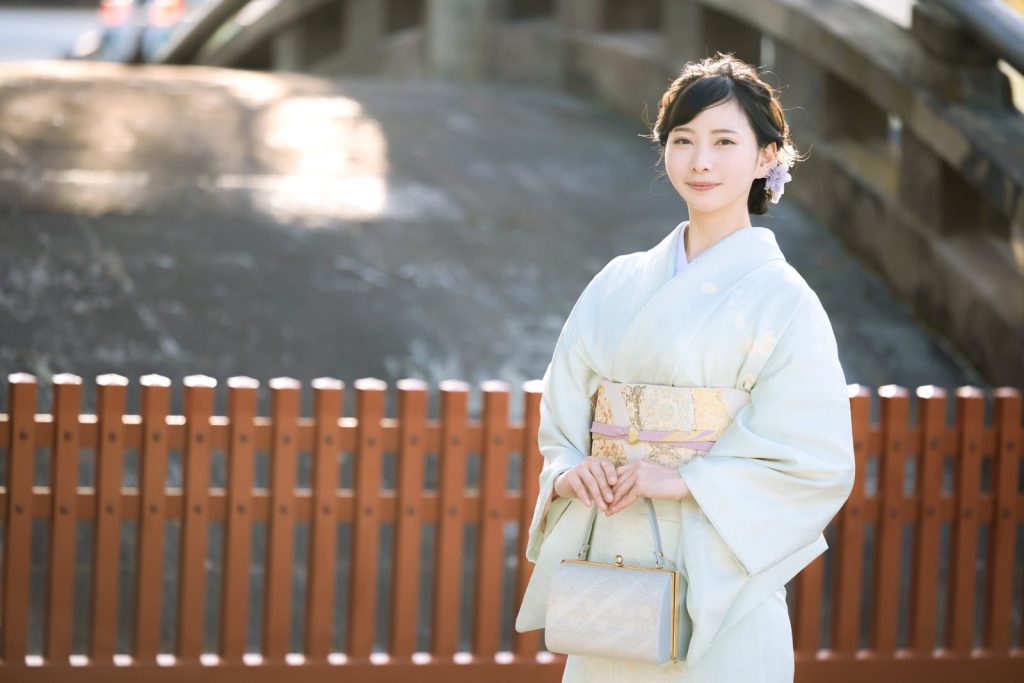
Emotional Depth of Slowly Built Relationships
If patience is the rhythm of Japanese relationships, then the reward is the emotional depth that comes only from bonds nurtured slowly, like trees growing year by year. Unlike connections that flare up quickly and fade just as fast, Japanese friendships, family ties, and even professional relationships often carry an enduring quietness—a depth that is not flashy, but profound.
The Comfort of Being Truly Known
One of the most striking aspects of relationships built over time is the sense that you no longer need to explain yourself fully. In the beginning, every detail of your personality may be hidden under layers of formality, politeness, or caution. But as months and years pass, those around you begin to understand your rhythms, your habits, and even your silences.
This creates an emotional environment where you feel “understood without performance.”
- A friend notices when you are tired without you saying it.
- A family member prepares your favorite tea when they sense your stress.
- A colleague covers for you without needing an explanation.
Such gestures come not from surface familiarity but from deeply attuned observation over time. The relationship becomes less about words and more about presence.
The Power of Small, Repeated Interactions
Japanese relationships are rarely built on grand declarations. Instead, they grow through tiny, repeated interactions:
- A neighbor who greets you every morning until one day you find yourselves chatting naturally.
- A classmate who consistently saves you a seat in lectures.
- A co-worker who always joins you for lunch, even if the conversation is light.
Individually, these moments may feel trivial. But together, they weave a fabric of trust that is far stronger than a single bold gesture.
Psychologists call this the “mere exposure effect”—the phenomenon where repeated contact fosters familiarity and affection. In Japan, this effect is magnified by cultural patience, turning ordinary routines into extraordinary bonds over time.
Silence as a Marker of Depth
In many cultures, silence between friends or partners is seen as a danger sign: perhaps the relationship has lost its spark, or someone is upset. In Japan, silence often carries a different meaning: a sign of deep comfort.
To sit with someone without the need to fill the air with words signals that the relationship has reached a level of trust where presence alone is enough.
This depth is not shallow quietness; it is layered silence—silence that holds understanding, care, and mutual recognition. As the Japanese proverb says:
“Ishi no ue ni mo san nen” (石の上にも三年) — “Even on a stone, three years” — patience and persistence reveal the warmth beneath what first appears cold.
In relationships, silence is the warmth that emerges only after enduring time together.
Emotional Security and Safety
Deep relationships provide a unique form of psychological safety. When you know someone will remain by your side despite your weaknesses, mistakes, or silences, you relax into the relationship in a way that is impossible with newer, fragile connections.
This security allows for:
- Vulnerability: You can cry without shame.
- Honesty: You can admit mistakes without fear of rejection.
- Rest: You can simply “be,” without entertaining or proving yourself.
Such safety is not given instantly—it must be earned, tested, and reinforced through time. But once present, it offers a foundation stronger than any superficial friendship.
Shared History as Emotional Capital
Every shared memory becomes part of a bank of emotional capital.
- That rainy day when you both forgot umbrellas and laughed while running home.
- That exam you studied for together, encouraging each other late into the night.
- That trip where you got lost and found your way by depending on one another.
Each experience deposits trust into the relationship. Over years, this bank becomes rich, giving the relationship resilience in hard times. Even when disagreements arise, the accumulated history often outweighs the momentary conflict.
Japanese culture values this history deeply; it is why long friendships are so highly esteemed and why childhood friends hold a special place in people’s hearts.
The Depth of Romantic Relationships
Romantic relationships in Japan often follow this slow trajectory as well. Many couples spend extended periods as friends before transitioning into romance. This can confuse outsiders, who may expect quicker declarations of love.
Yet the emotional payoff is significant: once love is declared, it rests on a long history of shared experiences and mutual understanding. This creates a bond that feels less about passion’s quick flame and more about the steady glow of trust.
Love here is not a lightning strike but a hearth fire, carefully tended and enduring.
Why Slow Bonds Bring Greater Joy
Psychologically, the satisfaction of slowly built relationships comes from their authenticity. Because trust was earned over time, both parties know it was not based on charm, impulse, or fleeting attraction.
This authenticity translates into:
- Greater resilience during conflicts.
- Higher levels of loyalty.
- Deeper feelings of gratitude and security.
It is the difference between eating fast food and preparing a meal slowly over hours: both may satisfy hunger, but only one nourishes deeply and memorably.
Emotional Lessons from Japan’s Approach
The Japanese model teaches us that the deepest connections in life cannot be rushed. In a fast-paced world that rewards quick networking, instant friendships, and “likes” on social media, Japan reminds us of the luxury of slowness.
- Time is not a barrier to intimacy—it is the path to it.
- Silence is not absence—it is presence.
- Patience is not delay—it is investment.
These lessons invite us to rethink our own cultural approaches to relationships and ask: are we valuing speed at the cost of depth?
The Emotional Core
Ultimately, the emotional depth of slowly built Japanese relationships lies in this truth: when time is invested, hearts no longer need to rush.
To be with someone who knows you beyond words, beyond appearances, beyond the surface of daily performance—that is a relationship worth waiting for. In Japan, such relationships are not the exception; they are the cultural ideal.
Lessons for Daily Life
The beauty of slowly built connections is not just an abstract cultural lesson—it has immediate, practical relevance in our daily lives. Whether in families, workplaces, friendships, or romantic relationships, we are constantly navigating the question: Do we rush toward intimacy, or do we allow it to unfold naturally over time?
Japanese culture, with its emphasis on patience and depth, offers us a gentle reminder that sometimes the most enduring bonds are the ones that grow quietly. Here are ways we can bring this wisdom into our own lives.
Family: Nurturing Bonds without Hurry
Family is often thought of as the foundation of our deepest relationships. But even within families, closeness does not happen automatically—it is the result of countless small acts.
- For parents and children: Rather than expecting instant openness from children, Japanese culture encourages patience. A child may not always share their feelings immediately, but with consistent care, shared routines, and quiet listening, the relationship deepens naturally. Saying, “It’s okay if you’re not ready to talk now, I’m here when you are,” creates trust that lasts a lifetime.
- For partners or spouses: Relationships are tested not by dramatic moments but by daily interactions—meals shared, chores done together, small kindnesses. By valuing the quiet rituals of everyday life, couples build a foundation of trust that grows stronger with time.
In practice, this means resisting the urge to force conversations or demand emotional displays. Instead, it is about creating an environment where emotions can arise naturally. The Japanese perspective reminds us: family intimacy is not a race—it is a lifelong unfolding.
Workplace: Building Teams through Patience
The workplace may seem like the last place to talk about “slow relationships,” but in fact, it is one of the areas where this approach is most transformative.
In many Western workplaces, networking and quick rapport are emphasized. In Japan, however, professional trust is built gradually:
- Greeting rituals: Daily greetings like “ohayō gozaimasu” (good morning) or “otsukaresama desu” (thank you for your hard work) may seem formal, but they are crucial in nurturing team spirit. Over months, these small exchanges signal reliability and recognition.
- Patience in collaboration: New employees are not expected to prove themselves immediately by being outspoken. Instead, they earn trust through consistent effort, careful listening, and showing reliability over time.
- Leadership by patience: A manager who allows relationships to grow slowly avoids creating pressure, and instead fosters psychological safety. In such environments, innovation emerges not from competition but from trust.
The lesson is clear: rushing to “bond” at work often leads to superficial relationships. True collaboration grows from patience, repetition, and the steady rhythm of daily trust-building.
Friendship and Romance: The Gift of Time
Friendships and romantic relationships often come with the most pressure to move quickly. In fast-paced cultures, people may feel the need to become “best friends” after only a few meetings, or to accelerate romance toward declarations of love and commitment.
But the Japanese model demonstrates another possibility: allow time to do its quiet work.
- Friendship: A Japanese friendship often begins with light interactions—shared meals, small hobbies, casual walks. Over time, these light activities accumulate into deep emotional trust. The lesson: do not dismiss small moments as unimportant; they are the bricks that build lasting friendships.
- Romance: Rather than rushing into grand declarations, Japanese couples often let intimacy grow through long stretches of companionship. This doesn’t mean a lack of passion—it means that passion is grounded in trust, making it steadier and more resilient.
For many, this is a liberating lesson: you don’t have to rush to prove the depth of your relationships. Sometimes the most loving gesture is to simply stay present, allowing closeness to bloom naturally.
Practical Applications: Cultivating Patience in Relationships
How can we apply this in everyday life outside of Japan? Here are a few practices inspired by Japanese cultural rhythms:
- Value rituals: Establish small, repeatable acts of connection—weekly dinners, morning greetings, evening walks.
- Respect silence: Don’t panic if there are pauses in conversation. Sometimes the pause says more than words.
- Practice consistency: Show up for people regularly, even in small ways. Consistency over time builds trust.
- Avoid rushing intimacy: Don’t push for instant emotional closeness. Let the other person decide the pace at which trust grows.
- Notice the small things: Pay attention to details—someone’s favorite tea, their usual walking path, the way they laugh. Small observations lead to deeper understanding.
These habits may seem subtle, but over time they transform relationships from fragile connections into enduring bonds.
QuietTether’s Perspective
At the heart of this philosophy is a shift in mindset. Instead of equating slowness with failure, we begin to see it as strength. QuietTether captures this perspective with a guiding reflection:
“True connections are not rushed—they are patiently grown, layer by layer, through shared time and attention.”
It is not about waiting passively, but about actively showing up, consistently, without demanding instant returns. It is about believing that the deepest trust is not won in a moment but cultivated across seasons.
The Practical Wisdom of Slow Bonds
By applying these lessons, we reframe how we see relationships:
- Family becomes less about constant communication and more about enduring presence.
- Work becomes less about quick networking and more about steady reliability.
- Friendships and romance become less about fast flames and more about enduring warmth.
Ultimately, the Japanese way reminds us that the most profound connections are not instant—they are patient, resilient, and deeply human.
Closing Reflection: The Beauty of Patience in Relationships
When we step back and reflect on the nature of our most meaningful relationships, a quiet truth emerges: depth takes time.
In a world that prizes speed—fast connections, instant messaging, rapid intimacy—Japanese culture offers a counterpoint: slow is strong, and patient bonds are the ones that last.
Deep Relationships Are Never Rushed
The friendships, partnerships, and familial ties that truly sustain us are rarely the result of hurried closeness. They are cultivated through the small, repeated gestures of trust: the greeting every morning, the meal quietly shared, the silence comfortably held together.
What feels slow at first reveals itself, over months and years, as a richness that cannot be faked. In this slowness, people have the time to show who they really are—and to accept one another with honesty.
The Japanese Wisdom of Time
Japanese culture reminds us that patience is not passivity; it is an active form of care. Whether in the tea ceremony, in the practice of zen, or in the daily rhythms of social life, the Japanese approach to connection insists that trust grows best in the soil of time.
This is not about avoiding intimacy—it is about protecting its depth. It is about ensuring that relationships are not consumed like fast food but savored like a seasonal meal that has been prepared with devotion.
A Universal Lesson
The beauty of this lesson is that it is not confined to Japan. Anyone, anywhere, can embrace the idea that relationships deserve time.
- For families, this means showing up day after day, even in small ways.
- For colleagues, it means respecting the slow rhythm of mutual trust.
- For friends and lovers, it means allowing closeness to grow without pressure.
This universal truth can calm the anxiety many feel in modern relationships: you don’t have to rush to make it real.
QuietTether’s Philosophy
At QuietTether, we believe that the most profound truths are often the quietest ones. Patience in relationships is not waiting idly—it is growing together, slowly but surely, until trust becomes second nature.
When we learn to see patience not as a delay but as a gift, our connections change. We stop demanding instant intimacy, and we begin to appreciate the steady unfolding of trust.
The Final Word: A Beauty Worth Waiting For
The Japanese way shows us that true closeness is like a flower that opens only in its own season. You cannot force it, but when it blooms, it carries a fragrance of sincerity that endures.
As we carry this wisdom into our own lives, we might remember:
- Depth is worth the wait.
- Time is not an obstacle—it is the very medium of trust.
- Slow connections are often the strongest.
Or, in the words that best capture QuietTether’s spirit:
“Patience in relationships is not waiting—it is growing together, slowly but surely, until trust becomes second nature.”