Opening Story: A Temple Morning in Kyoto
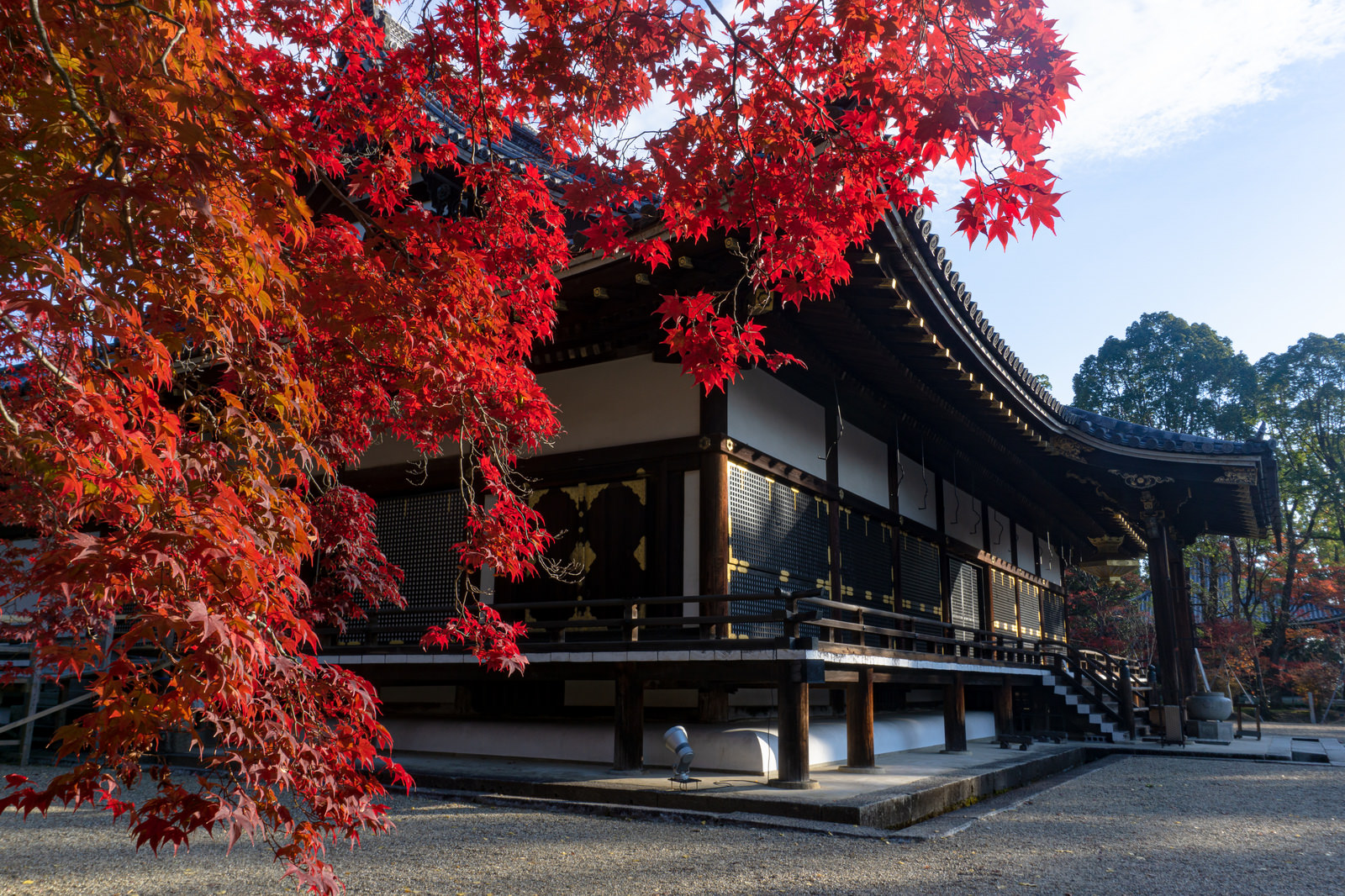
The traveler had woken before sunrise, long before the usual rhythm of their days back home. The streets of Kyoto were still asleep, the air carrying the faint chill of dawn. Guided by curiosity more than religious conviction, they followed the narrow stone path toward a temple that had been practicing zazen—seated meditation—for centuries.
The wooden gates creaked faintly as they entered, and the world outside seemed to fall away. No traffic sounds, no hurried footsteps, no ringing phones—only the quiet crunch of gravel underfoot and the muted rustle of cedar leaves swaying in the morning breeze.
Inside the meditation hall, a monk gestured gently toward a cushion placed near the wall. The traveler sat awkwardly, legs crossed, trying to imitate the still posture of the others. At first, the silence felt oppressive, almost unbearable. Their mind raced: What am I supposed to do? How long will this last? Why is it so quiet? The absence of sound, conversation, or movement felt alien, as if something essential had been stripped away.
Minutes stretched, and the discomfort deepened. Their knees ached, their back complained, and the mind seemed louder than ever. The silence was not empty—it was filled with the clamor of inner chatter. Every unfinished task, every stray thought, every insecurity seemed amplified in the stillness.
And then, slowly, something shifted. The traveler noticed the faint call of a bird perched outside, its song sharp and clear against the still morning. They noticed the subtle creak of the old wooden beams overhead, expanding with the warmth of the rising sun. They noticed the rhythm of their own breath—shallow at first, then deeper, softer, as the body began to yield to stillness.
In that moment, the silence transformed. It was no longer a void to be endured, but a space in which the world revealed itself more vividly. The rustling leaves were not background noise—they were companions. The soft sunlight that filtered through paper shōji screens was not decoration—it was part of the living atmosphere of the moment.
And more than anything, the traveler noticed their own thoughts beginning to clear. Beneath the restless surface of the mind, there was a quieter current—an inner voice not of panic or planning, but of simple presence. It whispered not in words, but in feeling: This is enough. You are enough. Sit, breathe, be here.
When the session ended, the monk rang a small bell. Its tone lingered in the air, not harsh, but resonant, fading slowly as if reluctant to leave. The traveler stood, feeling both lighter and more grounded. They realized that the silence had not been loneliness, nor emptiness. It had been a gift—the gift of meeting themselves without distraction, without judgment, without the endless noise of daily life.
Walking back down the temple path, the world outside seemed both unchanged and entirely different. The same streets, the same stone lanterns, the same rooftops—but somehow sharper, richer, more alive. For the first time, the traveler felt that silence was not something to be feared. It was not the absence of connection but the presence of a deeper one—an intimate encounter with self.
It was then they understood: quiet time is not wasted time. It is the rare luxury of self-reflection, a chance to hear the whispers of one’s own heart, often drowned out by the volume of the world.
The Value of Quiet Self-Reflection
In today’s world, silence is often treated as something to be avoided. Cities hum with constant traffic. Offices echo with endless meetings. Even in our own homes, televisions, smartphones, and laptops fill the air with noise and distraction. To many people, a moment of stillness feels unnatural—an empty space that demands to be filled. Yet in Japan, quiet time is not a void but a vessel, not an absence but a presence. It is a valued space where the soul has room to breathe.
The traveler’s morning in a Kyoto temple illustrates what countless Japanese traditions quietly teach: self-reflection is not a punishment, nor a burden. It is a gentle invitation to pause, to notice, to listen inwardly. The Japanese word “ma” (間) captures this idea perfectly. Literally meaning “gap” or “interval,” ma is the space between notes in music, the pause in a conversation, the blankness around ink on a scroll. Without ma, sound is chaos, dialogue is overwhelming, and art is suffocated. In the same way, without space in life, the self becomes crowded and confused.
Quiet self-reflection is the art of creating ma in one’s own day. It is stepping outside of noise and busyness long enough to ask: What am I feeling? What am I needing? What am I grateful for? These questions are rarely answered in haste. They require silence, patience, and gentle honesty.
The Lost Practice in Modern Life
Around the world, many cultures once prized reflection. Farmers paused at the end of the day to watch the sunset and consider their work. Families sat together in silence around a fire. Students were encouraged to journal, pray, or contemplate. But in modern industrialized societies, reflection is often replaced by productivity. A “good” day is measured not by how deeply one has listened to themselves, but by how much one has accomplished.
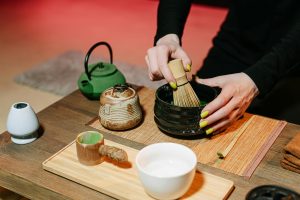
Japan, too, is not immune to this pressure. Long working hours, crowded trains, and the constant availability demanded by digital life have eroded the natural rhythms of rest and reflection. Yet within Japanese culture remain practices that insist on the importance of pausing: tea ceremonies that demand silence, temples that invite meditation, baths that soothe both body and mind.
Hearing the Voice of the Self
One of the most profound lessons of quiet self-reflection is that silence is never truly empty. The moment external distractions fade, inner voices emerge. Some are voices of anxiety or regret. Some are voices of longing or forgotten dreams. And if one sits long enough, beneath these shifting voices is something quieter still: a steady, calm awareness that does not judge but simply witnesses.
In Japan, this recognition is often nurtured through traditions that turn silence into beauty. A haiku, for example, is not only a poem but a reflection. In a mere seventeen syllables, a poet captures a fleeting moment—a frog leaping into water, a blossom falling—and in doing so, invites the reader to pause and reflect on life’s impermanence. Silence is not the background of the haiku; it is its essence.
Self-Reflection as Kindness
It is important to note that self-reflection is not the same as self-criticism. Too often, when people attempt to “reflect,” they instead engage in harsh judgment: I should have done better. I failed again. I am not enough. But true reflection, as modeled in Japanese practice, is closer to self-kindness. It is the quiet recognition of both strengths and flaws, the acceptance that imperfection is natural, and the gentle curiosity to ask how one might live more fully tomorrow.
This is why self-reflection is a luxury rather than a burden. It is not about scolding oneself but about offering oneself space. It is the difference between standing in front of a mirror with harsh fluorescent lights, and sitting beside a calm pond where one’s reflection ripples gently in the water.
The Global Relevance of Japan’s Lesson
For travelers and outsiders, the Japanese approach to quiet self-reflection offers a powerful corrective to modern restlessness. It suggests that silence is not wasted time but essential time. Just as soil must lie fallow before it can yield crops again, so too must the human spirit pause before it can create, love, or endure.
The lesson is universal: without silence, we lose the ability to hear ourselves. Without reflection, we repeat the same mistakes, never learning, never growing. But with silence, life regains depth. With reflection, even suffering can be transformed into wisdom, and even joy can be savored more deeply.
Everyday Practices of Reflection in Japan
Quiet self-reflection in Japan is not only found in temples or spiritual retreats; it is woven into the fabric of daily life. What makes Japanese culture remarkable is the way it embeds reflection into ordinary habits—small gestures, repeated daily, that invite one to pause and look inward. These practices are not extraordinary, but it is precisely their ordinariness that gives them power. They remind us that self-reflection need not require dramatic effort. It can be cultivated in the smallest rituals.
The Habit of Journaling
Many Japanese people practice writing short diaries. Among these is the tradition of the “three-line diary” (三行日記, sangyō nikki). As the name suggests, one simply writes three brief lines each evening: something that happened, how one felt about it, and a note of gratitude or lesson learned. The brevity prevents overthinking while still creating a habit of reflection.
This practice demonstrates that reflection need not be lengthy or grand. Even a few sentences can help organize one’s thoughts, calm emotions, and preserve perspective. Over time, the diary becomes not just a record of events but a mirror of the soul. Looking back months later, one can see patterns of growth, recurring challenges, and moments of joy that might otherwise have been forgotten.
For many, the three-line diary is a way to maintain balance in a fast-paced life. It is not about crafting a perfect story for others to read, but about whispering to oneself: I was here today. I felt something. I learned something.
Spiritual Spaces: Shrines and Temples
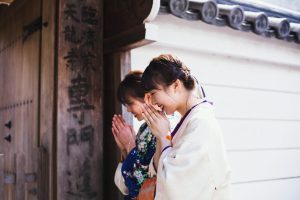
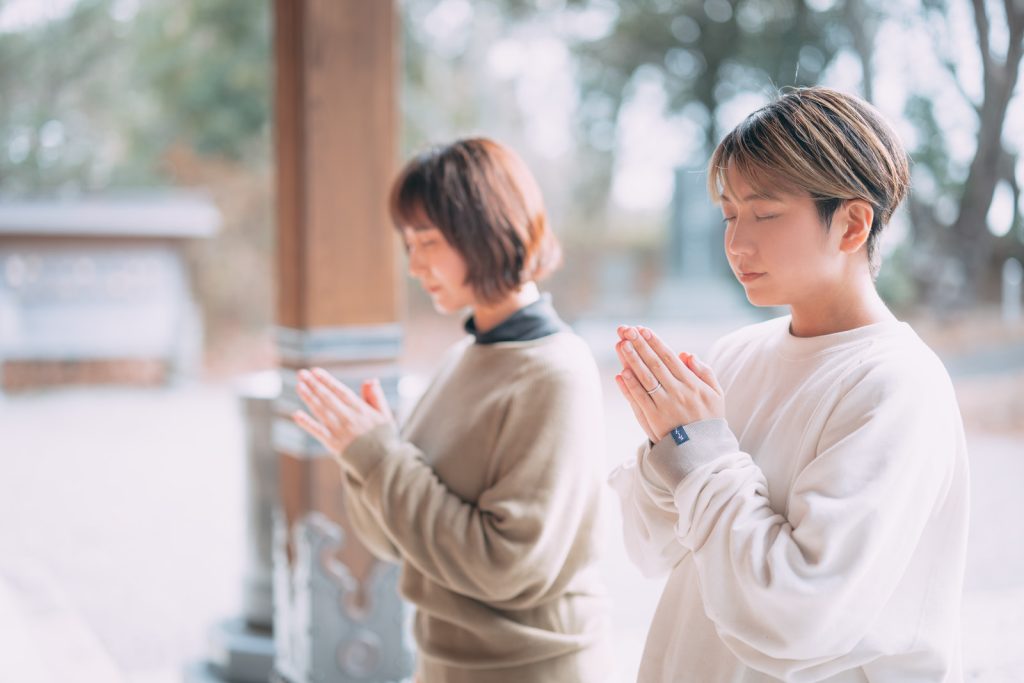
Another everyday practice is visiting shrines or temples. While tourists often treat these as sightseeing spots, many Japanese approach them as spaces of reflection. Offering a coin, clapping hands, and bowing are outward actions, but the inward action is what matters most: a pause, however brief, to acknowledge one’s life, hopes, or struggles.
Some people visit shrines at the start of the year to set intentions, or during difficult times to find courage. Others stop by casually, during a walk, to breathe in the quiet atmosphere. Even without elaborate rituals, the shrine itself creates a space where one’s inner voice becomes audible.
Similarly, zazen (seated meditation) in temples has long served as a method of deep reflection. While many practitioners may initially struggle with stillness, over time they discover what the Kyoto traveler in the opening story found: silence is not an emptiness to endure but a fullness to embrace. The creak of the tatami, the sound of birds, the rhythm of one’s breath—these small details become gateways to noticing one’s own inner landscape.
Reflection in the Bath
Perhaps one of the most ordinary yet profound practices of self-reflection in Japan is the daily bath. Unlike quick showers taken purely for hygiene, Japanese baths—whether at home, in a public sento, or in an onsen—are an experience of stillness. Immersed in warm water, the body relaxes, and with it, the mind loosens its grip on worries.
For many, the bath is a time when thoughts naturally settle. People recall the events of the day, reconsider difficult conversations, or simply let emotions flow without resistance. The bath becomes a sanctuary where silence is physical as well as mental. The steam blurs the boundaries between the external world and the internal self, creating a cocoon of reflection.
Seasons as Mirrors of the Self
Japan’s sensitivity to the seasons also nurtures reflection. Each season is not only celebrated outwardly through festivals and foods, but inwardly through awareness of change. Spring invites reflection on new beginnings, summer on vitality, autumn on impermanence, and winter on endurance and rest.
For example, watching cherry blossoms fall is not only an aesthetic experience but also a moment of self-reflection: What in my life is beautiful but fleeting? Observing autumn leaves turning red may prompt the thought: What stage of change am I in? In winter’s silence, one might reflect on the importance of patience and resilience.
Through the seasons, nature becomes a teacher of reflection. To live attentively with seasonal changes is to live attentively with one’s own changes.
The Value of Small Daily Rituals
What these practices reveal is that reflection does not require withdrawing from society or spending hours in meditation. Instead, it thrives in brief, ordinary rituals: a few lines written in a diary, a moment of silence at a shrine, a soak in the bath, a glance at the changing sky.
In each of these moments, time slows just enough for self-awareness to surface. The Japanese genius lies in recognizing that even in a busy life, reflection can be cultivated through consistency, not extravagance. Just as a garden grows not from a single storm but from daily sunlight and rain, self-reflection grows through these small but steady practices.
Historical and Philosophical Roots
To understand why quiet self-reflection is so deeply valued in Japan, one must look to the cultural, religious, and philosophical roots that have shaped this orientation for centuries. Japanese practices of reflection are not a modern invention, nor a passing trend of “mindfulness” imported from abroad. They are the result of a long and layered history, in which Zen, Buddhism, samurai traditions, and literature all contributed to shaping an enduring sensitivity to the inner life.
Zen and the Practice of Looking Inward
At the heart of Japanese reflection lies Zen Buddhism. One of its key teachings, “照顧脚下” (Shōko kyakka)—literally, “look to your own feet”—urges practitioners to ground themselves in the present moment and to reflect on where they truly stand. This is not merely metaphorical advice but a spiritual practice: to notice one’s condition, to see clearly what is underfoot, and to stop being lost in abstraction.
The practice of zazen (sitting meditation) is perhaps the most recognized form of reflection in Japan. By sitting in silence, one confronts the restless mind. At first, the silence may feel unbearable, filled with wandering thoughts and impulses. Yet over time, practitioners learn not to push away thoughts but to observe them without judgment. The result is not emptiness in the sense of void, but clarity—the kind of spaciousness in which one can recognize one’s true self.
Zen teaches that wisdom comes not from accumulation of knowledge but from stripping away illusions. Quiet reflection, then, is a way of cleaning the mirror of the heart so that it may reflect reality as it is.
Buddhism and the Tradition of Introspection
Beyond Zen, broader Buddhist teachings also shaped Japanese attitudes toward reflection. Central is the practice of Naikan (内観), meaning “looking within.” This form of structured reflection asks three questions:
- What have I received from others?
- What have I given to others?
- What troubles or difficulties have I caused others?
By asking these, naikan invites individuals to examine their lives not with harsh self-criticism, but with a sense of humility, gratitude, and responsibility. It fosters a deep awareness of interconnection and the way one’s actions ripple outward.
Buddhism also emphasizes acceptance of suffering as part of life. Reflection, therefore, is not about escaping discomfort but about seeing it clearly and integrating it into one’s understanding. This differs from a purely problem-solving mindset; it is about cultivating wisdom and compassion by honestly facing what is.
Samurai and the Spirit of Hansei
The samurai tradition further embedded reflection into Japanese life through the practice of Hansei (反省)—literally, self-examination or reflection. For the warrior class, hansei was a daily discipline, not just a moral obligation. After each day, or each battle, samurai were expected to review their actions: What did they do well? What mistakes did they make? How could they improve tomorrow?
This was not self-condemnation but a way to refine character and maintain vigilance. A warrior who failed to reflect risked arrogance, carelessness, or dishonor. Thus, hansei became synonymous with integrity and growth.
Even today, hansei remains an important cultural value in Japan, visible in business meetings, classrooms, and family life. After a project or event, groups often hold a “hansei-kai” (reflection meeting) to review what could be improved. While some outsiders may perceive this as overly critical, within the Japanese context it is seen as a constructive and even essential step toward progress.
Literature and the Aesthetics of Reflection
Japanese literature also carries a strong tradition of introspection. From classical poetry to modern novels, writers often turn inward, exploring emotions, impermanence, and the subtle textures of life.
For instance, Haiku often compress profound reflection into seventeen syllables. A moment in nature—a falling leaf, a silent snowfall, a frog jumping into water—becomes a mirror for human feeling. The brevity forces both writer and reader to pause, to enter the silence around the words, and to reflect.
Classical works like The Tale of Genji also reveal characters lost in self-reflection, weighing the transience of love, the pain of loss, or the beauty of fleeting moments. These themes are bound to the concept of Mono no aware (物の哀れ)—the sensitivity to the ephemeral, the gentle sadness of impermanence. To feel mono no aware is itself a form of reflection: to see beauty and fragility together, and to recognize one’s place in the cycle of time.
The Interweaving of Roots
What emerges from these historical and philosophical strands is a culture that sees reflection not as indulgence but as necessity. Zen teaches presence, Buddhism teaches humility, samurai tradition teaches vigilance, and literature teaches sensitivity. Together, they weave a fabric in which quiet self-reflection is not optional but essential to living with wisdom, responsibility, and beauty.
In Japan, to reflect is to be fully human. To pause, to notice, to admit one’s flaws, to cherish fleeting beauty—these are not signs of weakness or passivity, but of strength and awareness.

The Psychology of Self-Reflection
Quiet self-reflection is not only a cultural or spiritual practice; it is also deeply connected to human psychology. Modern research in neuroscience and psychology shows that when people step away from noise and activity, their brains and emotions undergo profound changes. In many ways, science confirms what Japanese traditions have intuited for centuries: silence and self-reflection are not empty, but restorative and essential.
Silence as a Stress Regulator
Daily life, especially in the digital age, bombards the mind with stimulation—emails, messages, deadlines, and constant notifications. This relentless input keeps the nervous system in a heightened state of alert. Reflection, particularly in quiet surroundings, activates the parasympathetic nervous system, often called the “rest-and-digest” mode.
Research shows that even two minutes of silence can lower blood pressure, slow heart rate, and reduce cortisol levels. In other words, quiet reflection literally calms the body. This helps explain why Japanese practices like sitting in a garden, soaking in a bath, or walking beneath cherry blossoms can feel so deeply restorative.
Meta-Cognition: Seeing the Mind from Above
Psychologists use the term meta-cognition to describe the ability to think about one’s own thinking. Quiet self-reflection is one of the most powerful ways to develop this skill.
When individuals step back from the rush of activity and ask, What am I feeling? Why did I react that way? What can I learn from this?—they are engaging in meta-cognition. Instead of being trapped in emotions, they begin to observe them. This subtle shift transforms the way people handle stress and conflict.
In Japan, the daily practice of Hansei (reflection), whether in schools, workplaces, or personal life, can be seen as a structured form of meta-cognition. It creates a culture where looking back is not self-punishment but self-improvement.
Reflection and Creativity
Another psychological gift of quiet reflection is its connection to creativity. Neuroscience research shows that when the brain is at rest—during moments of silence, daydreaming, or gentle meditation—it activates what is known as the default mode network (DMN). This network is associated with imagination, insight, and problem-solving.
That is why many people report having their best ideas in the shower, during a walk, or while sitting quietly with a cup of tea. Reflection clears mental clutter, allowing new connections to surface. Japan’s tradition of linking nature, art, and reflection—whether through haiku, tea ceremony, or seasonal observances—has long cultivated this connection between silence and creativity.
Self-Reflection and Self-Acceptance
One of the most profound psychological benefits of reflection is its ability to nurture self-acceptance. Without moments of quiet, individuals often fall into cycles of overwork, perfectionism, or comparison with others. Reflection interrupts this cycle by offering space to notice not only what went wrong but also what went right, and to see oneself with more compassion.
In counseling psychology, this is echoed in practices of self-compassion therapy, where individuals are encouraged to treat themselves with the same kindness they would offer a friend. Reflection creates the mental distance needed to shift from harsh self-criticism to gentle acknowledgment.
Japanese practices like writing in a reflective diary, visiting a shrine to express gratitude, or pausing beneath cherry blossoms are cultural frameworks that invite this self-acceptance. They remind people that imperfection and impermanence are part of beauty.
Emotional Regulation Through Reflection
Quiet reflection also helps regulate emotions. When anger, grief, or anxiety arises, the instinct is often to suppress or distract oneself. However, psychologists note that unprocessed emotions tend to resurface more strongly. Reflection provides a safe container in which to acknowledge and process these emotions.
Studies show that naming emotions—simply saying “I feel sad” or “I feel anxious”—reduces their intensity. Reflection allows this naming to happen privately, without judgment. In this way, the Japanese cultural respect for silence provides a natural setting for emotional regulation.
The Long-Term Benefits
Finally, reflection is linked to long-term resilience. People who regularly engage in self-reflection are better at coping with setbacks, more adaptable in relationships, and report higher levels of life satisfaction. They are less reactive, more grounded, and more capable of empathy.
In Japan, this long-term orientation can be seen in the way self-reflection is woven into everyday life: a business team reviewing lessons after a project, a family reflecting on the year at New Year’s, or an individual pausing during seasonal changes. The cumulative effect of these practices is a society in which patience, humility, and responsibility are cultivated through reflection.
Cross-Cultural Perspectives
While Japan has cultivated its own unique traditions of quiet self-reflection, the practice of pausing to look inward is by no means exclusive to Japan. Around the world, cultures have developed their own ways of valuing silence, solitude, and inner listening. By exploring these parallels and differences, we can see how deeply human the need for reflection is, and how each culture’s practices shape the way people approach their own minds and lives.
Western Traditions: Journaling and Self-Analysis
In many Western countries, reflection is often tied to language and writing. The habit of keeping a journal—whether a daily diary, a gratitude log, or reflective writing—remains a widespread method of self-examination. Unlike the Japanese cultural tendency to hold thoughts in silence, Western reflection often emphasizes articulation: putting emotions and experiences into words.
In psychology, this is reflected in the popularity of practices such as cognitive behavioral therapy (CBT), which encourages individuals to write down their thoughts, challenge distortions, and reframe perspectives. Reflection here is less about simply holding space and more about actively working with the mind.
Philosophically, the Western tradition of self-reflection goes back to Socrates’ call to “know thyself” and continues through Christian practices of prayer and confession. In both cases, the idea is that words—whether written or spoken—help reveal truth.
Japanese Approaches: Silence and Presence
In contrast, Japanese reflection often emphasizes silence and embodied experience. Instead of writing or speaking, individuals may reflect through sitting in meditation (zazen), quietly observing seasonal changes, or engaging in mindful rituals such as tea ceremony or flower arrangement.
This approach highlights that reflection does not always require words. Sometimes reflection is about letting thoughts settle, much like sediment in a glass of water, until clarity emerges. The Japanese philosophy of Ma (間)—the space or pause—captures this beautifully. Reflection is not necessarily doing something; it is allowing something to happen within.
Indian Traditions: Yoga and Inner Awareness
In India, self-reflection is deeply tied to the practices of yoga and meditation. While yoga is popularly seen as physical exercise in the West, its roots emphasize union of body, mind, and spirit. Reflection here means observing the self without attachment, cultivating awareness of impermanence, and moving toward inner liberation.
Meditation practices such as Vipassana also stress “insight through observation,” paralleling the Japanese Buddhist idea of watching the self with gentle attention. The Indian approach often frames reflection not only as personal growth but as a spiritual path toward understanding the nature of existence.
Middle Eastern Traditions: Silence as Reverence
In Middle Eastern cultures, reflection often intertwines with religion. In Islamic practice, Salah (prayer) and moments of dhikr (remembrance of God) create structured pauses throughout the day. These moments are not only religious obligations but also times to step away from daily concerns and realign the heart.
Here, reflection is both communal and personal—it reminds individuals that their inner lives are part of a larger order. The quiet repetition of prayers functions like meditation, centering the spirit. This form of reflection emphasizes humility and surrender, themes that resonate with Japanese Buddhist teachings as well.
Northern European Traditions: Nature and Solitude
In Nordic and Northern European cultures, reflection often takes place in nature. Practices like the Norwegian concept of friluftsliv (“open-air life”) or the Finnish tradition of retreating to a sauna embody the idea that solitude in natural settings fosters inner clarity.
These cultures, much like Japan, value seasonal changes and see silence as a companion rather than a threat. Sitting quietly by a lake, walking in forests, or watching the Northern Lights are not merely leisure—they are reflective practices, connecting the inner self with the rhythms of the natural world.
Shared Threads Across Cultures
Despite differences in form—writing in the West, silence in Japan, meditation in India, prayer in the Middle East, or nature in Northern Europe—there are striking similarities across cultures:
- Slowing down is universally recognized as necessary for reflection.
- Creating ritual spaces—a shrine, a journal, a yoga mat, or a sauna—provides structure for inner listening.
- Integrating reflection with daily life ensures that it is not a rare luxury but a sustainable practice.
Ultimately, every culture affirms that human beings need pauses. The expression differs, but the purpose remains the same: to realign the self, to heal, and to rediscover clarity.
Avoiding Misunderstandings
Cross-cultural encounters can also reveal misunderstandings. For example, a Western visitor in Japan may misinterpret silence as coldness, while a Japanese person abroad may see constant verbal reflection as unnecessary or even overwhelming. Recognizing these cultural differences helps people appreciate multiple ways of practicing self-reflection without judgment.
Reflection, then, becomes not only an inward practice but also a way of building bridges between cultures. By learning from one another, we see that no single approach holds the entire truth. Instead, together they enrich our understanding of what it means to be human.
The Emotional Gifts of Quiet Reflection
Quiet self-reflection is not merely an intellectual or philosophical exercise. It carries profound emotional benefits that ripple through every aspect of daily life. In Japan, where silence and inner space are culturally embraced, these emotional gifts are woven into the rhythm of living. For the foreign traveler who experiences this for the first time—whether in a temple, a hot spring, or even while journaling quietly in a café—the emotional impact can be unexpectedly transformative.
Recognizing and Embracing Weakness
In the quiet, the masks we wear begin to soften. Without the distractions of conversation, technology, or external demands, individuals find themselves face-to-face with their vulnerabilities. At first, this confrontation can feel uncomfortable. Yet, in the stillness, weakness is no longer something to be hidden; it becomes something to be gently acknowledged.
Japanese philosophy embraces this through concepts like mono no aware—the beauty of impermanence and fragility. To recognize one’s own weaknesses is not a sign of failure, but an opportunity to honor what makes us human. Emotional resilience, paradoxically, grows not from denying weakness, but from learning to coexist with it.
A Natural Growth of Gratitude
One of the most consistent emotional gifts of quiet reflection is a heightened sense of gratitude. When the noise subsides, the small things become visible: the warmth of sunlight through a window, the sound of water boiling for tea, the comfort of a friend’s presence even in silence.
In Japanese daily life, gratitude is often expressed in simple rituals: saying itadakimasu before eating, bowing at a shrine, or quietly acknowledging seasonal changes. Reflection deepens these acts into felt experiences. Rather than a forced practice, gratitude arises spontaneously, an emotional echo of noticing what is already present.
Softening of Anger and Anxiety
Emotions like anger and anxiety thrive in speed, noise, and unexamined reaction. Quiet reflection slows the process, creating space between stimulus and response. By sitting with one’s thoughts rather than reacting immediately, individuals often find that the intensity of anger diminishes, and the sharp edges of anxiety begin to soften.
This emotional regulation is not suppression—it is transformation through attention. Just as muddy water becomes clear when left undisturbed, turbulent feelings settle in the presence of stillness. For many, this becomes a daily form of healing: a way to process emotions without being consumed by them.
A Sense of Inner Alignment
Quiet reflection also fosters a sense of being aligned with oneself. Many people live in tension between their public selves—the roles they play at work, in family, or in society—and their private selves. In silence, those selves begin to reconcile. The traveler who sits in a Kyoto temple garden may suddenly feel that their scattered thoughts, conflicting desires, and hidden worries are not enemies but parts of the same whole.
This emotional alignment breeds calm confidence. Rather than striving to be someone else, reflection allows individuals to rest in who they already are.
Improved Relationships Through Emotional Balance
The emotional gifts of reflection do not remain private. They ripple outward into relationships. When someone feels emotionally settled, they are less likely to project frustration onto others, more capable of listening with empathy, and more willing to forgive.
Japanese culture recognizes this link between inner reflection and outer harmony. A parent who spends time reflecting may find themselves more patient with their child. A worker who takes quiet moments during the day may approach colleagues with greater kindness. The gift of reflection is not selfish—it creates emotional stability that supports others.
The Joy of Being at Peace
Perhaps the deepest emotional gift is a sense of peace. Not the fleeting peace that comes from solving a problem or achieving a goal, but the deeper peace of simply existing without the need to perform or prove. This peace does not depend on perfect circumstances—it can be found in a quiet corner of a crowded city, in the pause before speaking, or in the breath before sleep.
For the traveler, this peace can be startling. It may come while sitting in a Japanese garden, realizing that the moss grows slowly without effort, or while soaking in an onsen, recognizing that relaxation requires no achievement. Peace, they learn, is not something to chase but something to notice when one becomes still enough.
Summary
The emotional gifts of quiet reflection are manifold:
- It helps us embrace weakness with compassion.
- It nurtures gratitude in the small details of life.
- It softens anger and anxiety.
- It brings inner alignment and wholeness.
- It deepens relationships by fostering calm and empathy.
- It reveals a peace that exists beyond accomplishment.
In a world that often equates value with action and strength, these emotional gifts remind us of a quieter truth: that by pausing, listening inwardly, and allowing silence to hold us, we discover an emotional wealth that cannot be bought or hurried.
Lessons for Daily Life
Quiet self-reflection is not meant to remain within temple walls, meditation halls, or retreats. Its true power unfolds when it is integrated into everyday life. Japanese culture offers countless examples of weaving reflection into daily rhythms—not as extraordinary events, but as ordinary practices. For those seeking to nurture calm, clarity, and deeper connection, here are lessons that can be carried into the home, the workplace, and relationships.
Create Small Islands of Quiet in Daily Routines
Life rarely gives us long stretches of silence. But quiet reflection does not require hours—it requires intention. A few minutes each morning before turning on a phone, or a pause in the evening while sipping tea, can serve as islands of stillness within a busy day.
In Japan, this is mirrored in simple acts: a worker stopping to bow before leaving the office, a family lighting incense at a home altar, or a student reflecting after school. Each small ritual becomes a reminder that silence can be cultivated even in crowded lives.
Turn Off the Noise of Notifications
One of the greatest obstacles to reflection today is the digital world. Phones, emails, and notifications fragment attention, leaving little space for inward thought. A practical lesson is to consciously carve out “no-notification” zones—times when devices are put aside.
Japanese practices of tea ceremony or temple visits naturally enforce this: phones are silenced, attention is directed to the present, and small details take center stage. Adopting this principle daily—perhaps at meals, before bed, or during morning routines—helps restore a sense of groundedness.
Practice Reflection Without Judgment
Many people mistake reflection for criticism of oneself. But true reflection is not about judgment—it is about honest, compassionate noticing. It means asking, “How am I really feeling today?” without rushing to fix or condemn the answer.
This echoes the Japanese spirit of hansei—self-reflection practiced by students, workers, and leaders alike—not to dwell in guilt, but to grow in awareness. Quiet reflection should be more like meeting a friend than interrogating an enemy.
Use Daily Anchors to Pause
Anchors are recurring activities that can naturally invite reflection:
- Bathing – in Japan, the evening bath is not just about cleanliness, but about mental reset.
- Commuting – train rides or walks can be used to breathe, observe, and turn inward.
- Meals – saying itadakimasu or gochisousama creates a pause to appreciate and reflect.
- Seasons – noticing cherry blossoms, autumn leaves, or snowfall grounds one in time’s passage.
By linking reflection to everyday anchors, it becomes a living habit rather than a rare event.
Integrate Reflection into Relationships
Self-reflection is deeply personal, but its ripple effects touch relationships. Parents can invite children to share “today’s good moment” before bed. Couples can spend quiet evenings not filling every silence, but reflecting together. Colleagues can pause after projects to ask what was learned, not only what was achieved.
The Japanese idea of ma—the meaningful pause—applies here too. Reflection strengthens bonds by slowing conversations and allowing genuine understanding to surface.
Redefine Productivity
In fast-paced societies, reflection is often dismissed as “unproductive.” Yet, Japanese traditions remind us that pausing to reflect enhances clarity, creativity, and resilience. A professional who takes five minutes to step away from their desk may solve a problem more effectively than one who pushes endlessly forward. A parent who reflects before reacting to a child may respond with patience rather than anger.
Reflection, far from wasting time, saves time by deepening wisdom.
QuietTether’s Perspective
At its heart, QuietTether views reflection as an act of kindness toward oneself. It is not escape, not laziness, and not indulgence. It is a discipline of presence, a way of aligning the inner and outer life.
“Self-reflection is not about judgment—it is the quiet art of meeting yourself with honesty and care.”
This lesson applies universally, regardless of culture or circumstance. To make space for quiet reflection is to make space for a fuller, gentler, and wiser way of living.
Summary
- Build small daily rituals of stillness.
- Disconnect from digital noise regularly.
- Reflect without judgment or criticism.
- Use natural anchors—baths, meals, commutes, seasons.
- Share reflection gently in relationships.
- Redefine productivity to include rest and inner clarity.
When these lessons are applied, quiet reflection ceases to be a luxury and becomes a way of living—one that brings steadiness and light to daily existence.
Closing Reflection: Returning to Yourself
When the foreign traveler in Kyoto sat in the quiet temple hall, they expected boredom or restlessness. Instead, what unfolded was a rediscovery: silence was not a void, but a gentle mirror. The same realization awaits anyone who dares to pause and turn inward.
Quiet self-reflection is not about escaping the world—it is about returning to oneself. In silence, we hear not emptiness but the subtle voices of our own hearts: gratitude, longing, tenderness, and truth. These voices are often drowned out by the constant noise of obligation and distraction. Yet, when we create space for stillness, they emerge, clear and patient, reminding us of who we are.
Japanese culture has long honored this truth. From the practice of hansei to the pauses in tea ceremony, from the mindful steps through temple gardens to the changing rhythms of the seasons, Japan teaches that self-reflection is not isolation. It is a shared human art, one that nourishes both the individual and the community.
In a world that rushes forward, there is quiet courage in slowing down. Reflection asks us to stop performing strength for others, and instead to rest in honesty with ourselves. It is in these moments of stillness that kindness toward oneself becomes possible—and, from that kindness, deeper kindness toward others.
The beauty of Japanese reflection lies in its universality: though shaped by culture, it touches something timeless and human. Every person, regardless of nationality or language, carries the need for moments of pause. In these pauses, we do not lose time; we reclaim it.
QuietTether leaves you with this thought:
“In the stillness of reflection, you find not emptiness but yourself—waiting patiently to be heard.”
To reflect is not to withdraw, but to return. To return is not to diminish, but to become whole. And in becoming whole, we step back into the world lighter, clearer, and more compassionate than before.