Opening Story: A Walk Beneath the Cherry Blossoms
The traveler had been in Japan only a few weeks when spring arrived in full bloom.
He had read about the cherry blossoms before coming—countless articles, glossy photos, Instagram reels that promised a pink-and-white wonderland. He expected beauty, certainly. What he did not expect was the way beauty, silence, and a sense of belonging could mingle so seamlessly in one afternoon under the trees.
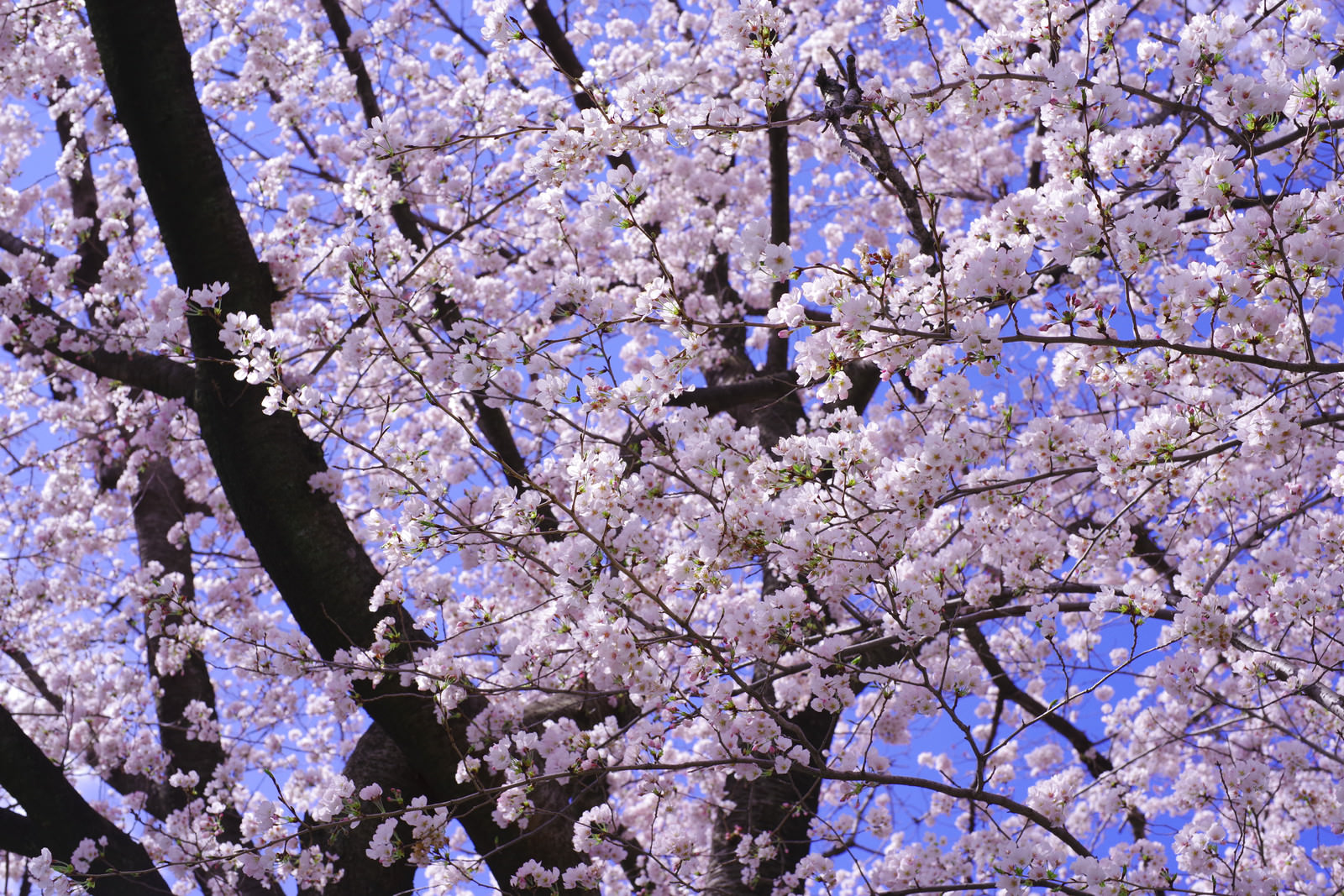
He arrived at a riverside park in Kyoto early, carrying a small convenience-store bento and a camera slung around his neck. The air was crisp but warming, touched by sunlight that filtered through a sky already being softened by the petals of early-blooming sakura. He noticed clusters of people spread across blue tarps, colleagues from offices laughing over cans of beer, families unpacking carefully wrapped boxes of homemade food, elderly couples sitting close together without many words. Children ran in circles, their voices carrying across the open lawn. Everywhere the pale blossoms shimmered, like snow that had decided to pause in midair and glow pink.
At first, the traveler thought of it as a spectacle—something to watch, admire, and document. He found himself taking picture after picture, trying to capture the way petals floated when the breeze stirred the branches. Yet after a while, his attention shifted away from the camera. He put it down and simply sat beneath the trees.
What struck him was not only the beauty of the blossoms but the way people related to them. The Japanese friends who had invited him were not rushing to capture the “perfect photo” or talking loudly about the scene. They were quiet, occasionally pouring tea into small cups, sometimes offering him a rice ball, sometimes only smiling faintly while looking upward. There was no need to fill the silence with chatter. They seemed content to simply be with the trees.
The traveler realized that this was not only “flower viewing.” It was something deeper—a moment of coexistence. People were not above the trees, not masters of nature looking down upon it as mere decoration. They were sitting among the trees as if visiting an old friend. They laughed gently, ate slowly, and let the petals land on their hair and shoulders without brushing them away immediately. It was as though they had agreed, silently, that the blossoms were hosts, and they themselves were the guests.
When the wind blew harder, scattering hundreds of petals at once, the traveler felt an unexpected lump in his throat. There was a softness, almost a sadness, in the way beauty arrived and then departed. He looked around and saw that no one seemed disturbed by this fleetingness. Some even extended their hands, catching a few petals before letting them go again. That small act carried a message: transience is not a tragedy but part of the gift.
In that moment, the traveler felt a quiet revelation. Nature was not a stage backdrop, as he had often assumed in his home country where city parks were trimmed into neat displays and seasons were often considered inconveniences to be escaped with air-conditioning. Here, nature was a companion—sometimes gentle, sometimes harsh, but always deserving of respect.
He began to see how the cherry blossoms embodied a particular worldview: one where humans are not outside of nature, nor masters of it, but participants within it. The blossoms did not bloom for people; they bloomed as part of their own cycle. People, in turn, chose to align their lives with that cycle, gathering year after year beneath the trees to witness and honor it.
Walking home that evening, he noticed that his hair and jacket still carried several petals. He did not brush them off. Instead, he let them stay until the breeze eventually carried them away. He smiled quietly to himself, realizing that he had glimpsed a mindset deeply rooted in Japan: harmony with nature, not through domination or distance, but through coexistence and respect.
For the first time, he understood why the Japanese did not simply “look at” the blossoms. They lived with them, however briefly. And in that living, they remembered something essential: that they, too, were part of nature’s endless rhythm.
Nature as a Living Presence
When most visitors from abroad first arrive in Japan, they often notice the sheer beauty of the landscapes—snow-capped mountains, lush green rice paddies, rivers winding through ancient towns, cherry blossoms in spring, maple leaves in autumn. Yet what becomes clearer with time is that in Japan, nature is not simply “scenery.” It is not treated as a background or a stage upon which human life plays out. Instead, nature is experienced and respected as a living presence—something that participates in human life, and something humans are expected to acknowledge in return.
This way of seeing nature stands in contrast to the modern industrial worldview, where rivers are often considered “resources,” forests “timber,” and mountains “obstacles to be tunneled through.” In Japan, rivers, forests, and mountains are not only practical or aesthetic; they are also companions, teachers, and even divine beings.
Kami in the Landscape
One of the most vivid expressions of this is the Shinto belief in Kami—spiritual presences or deities that dwell within natural elements. A towering cedar tree may be revered as the home of a kami, wrapped with a sacred rope (shimenawa) to mark its sanctity. A waterfall may be a site of purification, not because water is useful for cleansing alone, but because the waterfall itself is seen as spiritually alive.
When Japanese people step into a forest, they are not simply surrounded by plants; they are stepping into a space of relationship. The rustle of leaves, the call of birds, and the scent of moss are not incidental details but voices in a larger conversation. One does not conquer such a place. One bows, listens, and sometimes even whispers a prayer.
For a foreign traveler, this can feel transformative. Where one might expect to see a “tourist site,” such as a famous mountain trail, one instead encounters a shrine at the entrance, a space that reminds you: you are not entering a playground, but a realm where respect must be shown.
Seasonal Rituals as Dialogue with Nature
Japanese festivals and seasonal practices also reflect this recognition of nature as a living presence. Autumn harvest festivals are not simply about celebrating human effort; they are about giving thanks to the land itself, acknowledging that the bounty of rice or vegetables is not entirely the result of human labor but also of soil, water, sunlight, and unseen forces.
In mid-autumn, people gather to observe the moon during Tsukimi (moon viewing). They do not only admire the full moon as a beautiful object in the sky. They prepare offerings of rice dumplings, pampas grass, and seasonal produce, as though the moon itself is a guest deserving hospitality. To the Japanese sensibility, the moon is not a cold, distant rock orbiting Earth—it is a presence that watches, influences, and accompanies human life.
The same can be said of cherry blossoms in spring or snow in winter. Each natural phenomenon is welcomed, not merely endured or observed. People adjust their lives—foods, greetings, poems, and even moods—to live in rhythm with these presences.
Nature-Centered, Not Human-Centered
This worldview can be described as nature-centered rather than human-centered. It does not deny human agency; farmers still till the land, architects still construct buildings, and city life still thrives. But underlying these human activities is a recognition: nature is not raw material waiting to be molded by human hands. It has its own dignity, power, and rhythm.
This is why Japanese gardens are not symmetrical impositions of order upon the wild. Instead, they aim to express the essence of landscapes—rocks placed to suggest mountains, raked gravel to suggest flowing rivers, moss to suggest timelessness. The garden does not claim to be “better than” nature. It humbly reflects nature’s spirit, offering a distilled form where humans and nature meet halfway.
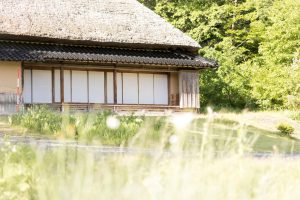
Even in urban architecture, you can see this tendency. Traditional Japanese houses with sliding doors (shoji) allow natural light to filter softly, never blocking it completely. The boundary between indoors and outdoors is blurred, with verandas (engawa) that invite breezes and the sound of rain. Rather than shutting nature out, architecture often welcomes it in.
Living with Uncertainty
Perhaps one of the most profound aspects of this mindset is the acceptance that nature is powerful, unpredictable, and beyond full human control. Earthquakes, typhoons, floods, and harsh winters have always shaped life in Japan. Yet instead of trying to dominate or eliminate risk, people historically learned to adapt and live with uncertainty.
Seasonal sayings, proverbs, and rituals reflect this humility. Farmers would speak of “depending on the heavens,” not as an excuse but as an acknowledgment that human effort alone is never sufficient. Even today, when natural disasters occur, there is often a cultural emphasis not only on recovery but on respect for nature’s overwhelming force.
This is not fatalism—it is a recognition that nature is not an opponent to be defeated but a force to be harmonized with. To live well is not to escape nature but to live inside it.
A Subtle Shift for the Traveler
For the foreign traveler, experiencing this shift can be subtle but profound. A walk through a shrine forest feels different when you begin to sense the trees as beings rather than objects. A seasonal greeting—“It’s getting hot, isn’t it?” or “The autumn leaves are beautiful now”—stops sounding like small talk and begins to sound like an acknowledgment of the living presence that shapes both your body and your spirit.
In time, you may find yourself bowing slightly to a mountain before climbing, pausing to listen to the wind in the pines, or noticing how a river seems to carry moods along with water. You begin to feel less like a tourist observing a landscape and more like a participant in a dialogue with something far larger and more enduring than yourself.
In Japan, nature is not background. It is relationship. It is presence. It is the companion that has always been there, waiting quietly for you to notice.
Everyday Practices of Living with Nature
It is one thing to speak of reverence for nature in philosophical or religious terms. It is another thing to see how this reverence is quietly woven into the everyday lives of people. In Japan, the harmony with nature is not confined to temples, shrines, or seasonal festivals—it is lived out in small, ordinary actions, in homes, in meals, and in daily conversations.
For the traveler or outsider, these gestures might at first seem decorative, practical, or even quaint. But with time, one begins to understand that they form a pattern of life in which nature is not a distant idea but a constant companion.
Gardens and Bonsai: Bringing the Outdoors In
In traditional Japanese homes, the garden is not merely an outdoor space for flowers. It is a microcosm of the natural world, carefully designed to invite contemplation and a sense of belonging to the larger rhythms of life. Even the smallest courtyard garden, no larger than a few steps across, will often contain elements that symbolize mountains, rivers, and forests.
For those without space, bonsai trees or potted plants provide a way to engage in the same dialogue. Tending a bonsai is not simply horticulture; it is a meditation on balance, patience, and time. The gardener does not force the plant into submission but learns to work with its natural tendencies, shaping it gently over years, even decades. The bonsai becomes a teacher in humility and perseverance, reminding its caretaker that humans and plants grow together in conversation, not opposition.
Even in modern urban apartments, where space is scarce, many people keep a small vase of seasonal flowers at the entrance (tokonoma) or a potted plant near a window. These are not just decorations; they are a way of saying: nature belongs here, even in the city.
Seasonal Foods: Eating with the Seasons
Another expression of harmony with nature is found in the Japanese approach to food. Meals are not only about nourishment or taste; they are also about living in rhythm with the seasons. This is why menus change so frequently, and why chefs take pride in offering ingredients at their peak.
Strawberries in winter or peaches in spring may be available through modern technology, but the Japanese sensibility often prefers waiting until the right season. To eat bamboo shoots in spring, sweetfish (ayu) in summer, chestnuts in autumn, or hot-pot dishes in winter is to affirm that human life is bound to the cycles of growth and decline.
In this way, food is not only about consumption but also about gratitude. Seasonal eating keeps people aware that they are part of a larger pattern. By eating what the earth naturally provides at a given moment, one honors the gifts of the land and acknowledges that human appetites must bend, at least somewhat, to the rhythms of nature.
Architecture and Light: Living with the Natural World
Traditional Japanese architecture reflects the same principle. Houses are often designed not to shut out nature but to frame it. Shoji screens diffuse natural light, allowing it to soften rather than overwhelm a room. Verandas blur the line between inside and outside, creating a space where one can sit and feel the breeze, hear the rain, or watch the snow fall.
The placement of windows and doors often takes into account not just practical needs but the view of a garden, a mountain, or even a single tree. In this way, architecture is not simply human shelter; it is a collaboration with nature. The house itself becomes a place where one is reminded, daily, of the larger world outside.
Even in modern times, many Japanese homes maintain this sensitivity. The preference for natural materials such as wood, paper, and stone continues, not only for aesthetics but also for the warmth they bring from nature. Living spaces invite people to notice the quality of light at different times of day, the sound of cicadas in summer, or the scent of rain-soaked earth drifting in from the garden.
Words and Greetings: Language of the Seasons
Another subtle but pervasive practice is the way the Japanese language encodes nature into everyday communication. Seasonal greetings are not merely polite formulas; they are reminders that human relationships are shaped by the same forces that shape the land.
In letters, emails, or formal speeches, it is common to begin with references to the weather or the season:
- “The cherry blossoms are beginning to bloom; I hope you are in good health.”
- “With the lingering summer heat, please take care of yourself.”
- “As autumn deepens and the evenings grow longer, may you be well.”
At first, such phrases might sound like pleasantries, but they reveal a mindset: to speak of another person’s well-being is to situate it within the turning of the seasons. Health, emotions, and relationships are not isolated from nature but entwined with it.
Even in casual conversations, weather and seasonal changes are constant topics. While in some cultures such talk may be dismissed as “small talk,” in Japan it carries weight. To acknowledge the changing season is to acknowledge the shared environment in which all lives unfold.
Everyday Quietness with Nature
Beyond gardens, food, architecture, and words, there are countless small practices in daily life that reinforce this bond. People pause to watch the first snow, or to listen to rain tapping against the roof. Families make outings to view cherry blossoms, not only for their beauty but to experience, together, the fleetingness of life. Even something as simple as leaving the window open to hear crickets on an autumn night reflects an intentional choice to let nature be present.
To live this way does not require great wealth, elaborate rituals, or vast landscapes. It is about orientation—choosing to notice, to respect, and to invite nature into one’s life. It is about saying: this world is alive, and I am not apart from it but within it.
In Japan, the harmony with nature is not reserved for sacred mountains or famous gardens. It is practiced daily—in meals, in architecture, in greetings, and in the smallest gestures of attention. To live well is to live in rhythm with what surrounds you.
Historical and Philosophical Roots
To understand why the Japanese mindset places such emphasis on harmony with nature, one must look not only at present-day practices but also at the historical and philosophical roots that have shaped these sensibilities. Japanese culture did not arrive at its view of nature accidentally. It is the result of centuries of religious beliefs, aesthetic ideals, and lived experiences. These roots intertwine Shinto, Buddhism, and literary traditions into a cultural soil that continues to nourish attitudes toward the natural world today.
Shinto: The World of Eight Million Kami
At the heart of Shinto—the indigenous spirituality of Japan—is the belief in yaoyorozu no kami, the “eight million gods.” This phrase does not denote a fixed number but rather an infinite multitude, suggesting that spirits inhabit every corner of the natural world. Mountains, rivers, trees, rocks, and even phenomena like wind or thunder are not inert objects but presences to be respected.
This worldview establishes a deep humility: humans are not masters of their environment but neighbors to these kami. A tree is not merely timber; it is a being with its own dignity. A mountain is not only a mass of earth; it is a dwelling of divine power.
Shrines were often built in forests, at waterfalls, or on mountaintops, not to separate worship from nature but to anchor it there. To worship meant to bow to the natural order itself. Through centuries, this has left a trace in Japanese consciousness: even when nature is tamed for human needs, there remains an instinctive reverence for its sacred character.
Zen Buddhism and the Aesthetics of the Garden
With the arrival of Buddhism from China and Korea, Japanese thought absorbed new dimensions of reflection. Particularly influential was Zen, with its emphasis on simplicity, emptiness, and attentiveness to the present moment.
Zen gardens are not imitations of nature but distillations of its essence. A few stones can represent mountains. Raked gravel can suggest flowing rivers or the ocean’s vastness. Moss and carefully placed plants remind the viewer that time and decay are inseparable from beauty.
The purpose of such gardens is not to showcase abundance but to invite meditation. Standing before a Zen rock garden, one is encouraged to see beyond appearances: to feel how humans and nature are parts of the same pattern, how silence is not emptiness but fullness.
This aesthetic ideal spread beyond monasteries. In tea gardens, pathways are arranged to slow the walker, making each step an opportunity for mindfulness. The act of arranging flowers (ikebana) follows similar principles: to highlight not the dominance of human creativity but the subtle balance of nature itself.
Poetry and Literature: The Language of Nature
Japanese literature, from the earliest chronicles to modern novels, has been steeped in natural imagery. Court poetry of the Heian era celebrated the changing seasons with refined sensitivity. The brevity of waka and later haiku made nature not just a theme but a framework: how can one capture the fleeting beauty of cherry blossoms, or the haunting cry of autumn geese, in only a few syllables?
Through such forms, the culture learned to value mono no aware—the pathos of things. This concept suggests that the awareness of impermanence, as seen in falling blossoms or withering grass, brings not despair but a tender empathy for the world. To live with nature is to accept transience, to grieve and rejoice simultaneously, to understand that beauty exists precisely because it fades.
In prose, too, nature is not a backdrop but a companion. In The Tale of Genji, emotions are often mirrored by seasonal changes, showing how human life flows with the same rhythms as the environment. This literary tradition trained generations to feel that one’s inner state and the outer world are inseparable.
Bushidō and the Discipline of Nature
Even in the warrior code of bushidō, nature plays a role. Samurai were trained not only in arms but also in poetry, calligraphy, and meditation. Reflection on the cycles of nature taught them both humility and discipline. The cherry blossom, admired for its beauty and its swift fall, became a symbol of the warrior’s life: brilliant yet fragile, always ready to end at any moment.
Daily practices of hansei—self-reflection—were often tied to natural metaphors. Just as rivers wear down stones over centuries, so too does patient effort shape character. The ideal samurai was not a brute force of domination but a being in harmony with impermanence, ready to act decisively when the time came, yet rooted in awareness of life’s brevity.
The Interwoven Roots
Shinto’s reverence, Zen’s attentiveness, literary sensitivity, and samurai discipline—all of these threads weave together into a cultural fabric that honors nature not as a distant idea but as the very medium of life. Over centuries, these values filtered into everyday practices: in gardens, in tea, in greetings, in architecture.
The Japanese mindset toward nature is thus not a romantic invention of modern times. It is a living inheritance, shaped by religious devotion, philosophical reflection, and artistic expression. It is history turned into daily life, philosophy turned into habit.
To live in harmony with nature in Japan is not simply to admire beauty. It is to remember the kami in the river, to hear silence in a Zen garden, to feel the poignancy of falling blossoms, and to honor discipline as steady as the flow of seasons. The roots run deep, and from them the culture continues to draw nourishment.
Psychology of Harmony with Nature
Modern psychology and neuroscience increasingly confirm what Japanese cultural traditions have intuited for centuries: human beings thrive when they live in harmony with the natural world. Far from being just a matter of aesthetics or ritual, our relationship with nature shapes our emotions, cognition, and even our physical health. In Japan, practices like shinrin-yoku (forest bathing), seasonal awareness, and the quiet acceptance of natural rhythms provide living examples of how harmony with nature becomes a form of psychological nourishment.
The Stress-Reducing Power of Nature
Research in environmental psychology has shown that spending even short periods in natural settings reduces cortisol (a stress hormone), lowers blood pressure, and improves mood. Forests, rivers, and even small gardens act as buffers against the overstimulation of modern life.
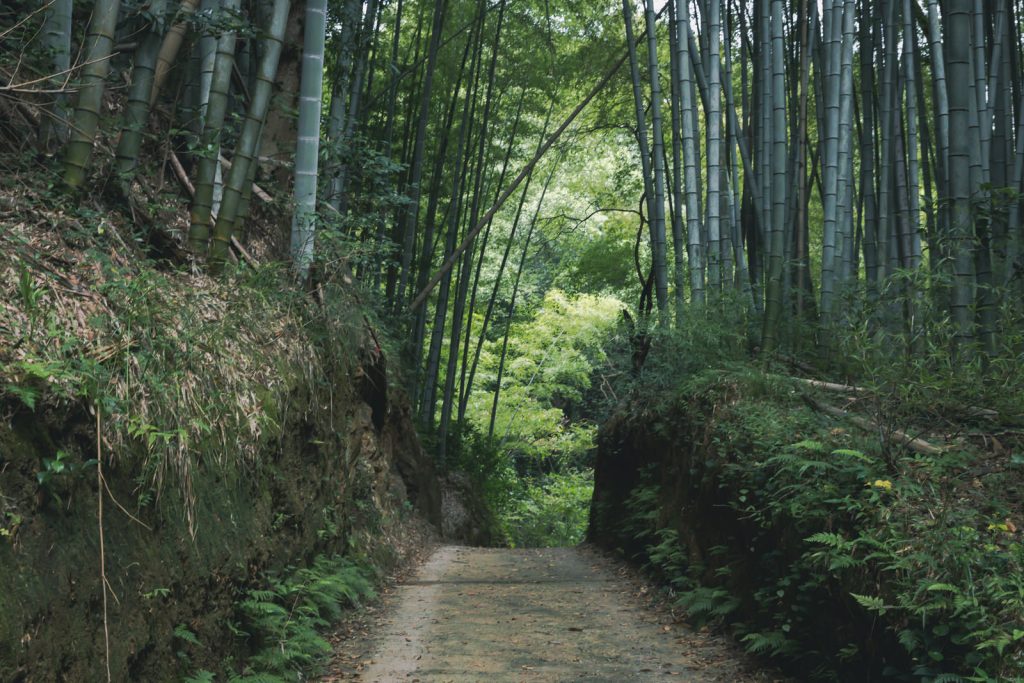
In Japan, this has been formalized through the practice of shinrin-yoku. Participants are encouraged to walk slowly in forests, not to exercise strenuously but to immerse themselves in the sensory richness of their surroundings: the sound of wind in the leaves, the scent of cedar, the texture of moss. Scientific studies confirm that such mindful exposure activates the parasympathetic nervous system, leading to relaxation and emotional restoration.
Unlike gym workouts or urban entertainment, nature calms rather than excites. It restores equilibrium, reminding the mind and body of a more fundamental rhythm—one that humans evolved alongside for millennia.
The Connection Between Nature and Happiness
Positive psychology has identified a strong correlation between “connectedness to nature” and well-being. People who report feeling a sense of belonging with the natural world also tend to experience higher life satisfaction, stronger empathy, and greater resilience in times of stress.
Japanese practices reinforce this bond. Seasonal festivals, from cherry blossom viewing in spring to moon-viewing in autumn, remind people to pause and celebrate natural cycles together. These moments create collective happiness: joy is not just personal but shared through the communal recognition of nature’s gifts.
Even in urban Japan, where concrete landscapes dominate, attention to seasons persists through food, clothing, and greetings. Restaurants change menus to reflect seasonal produce. People shift their wardrobe colors to harmonize with the time of year. Casual phrases like “暑いですね” (“It’s hot, isn’t it?”) or “いい紅葉ですね” (“The autumn leaves are beautiful, aren’t they?”) are small but powerful reminders of a shared human experience within the natural world.
Stability Through Rhythms
Psychologists emphasize the importance of routine and predictability for emotional stability. Nature, with its cycles of sunrise and sunset, planting and harvest, growth and decay, provides the most ancient and reliable rhythm.
In Japan, cultural practices encourage alignment with these rhythms. Morning shrine visits, tea rituals conducted at particular times of day, and seasonal greetings—all remind individuals that their personal lives are part of a larger, dependable flow.
When one lives in tune with these cycles, life feels less chaotic. Instead of resisting change, people learn to embrace it: the arrival of autumn is not feared as the loss of summer but celebrated as the gift of another beauty. This acceptance reduces anxiety, cultivating resilience by teaching that every ending carries within it a beginning.
Nature as a Path to Mindfulness
Mindfulness, widely studied in clinical psychology, is the practice of paying attention to the present moment without judgment. Nature naturally fosters this state. The sound of rain, the sight of falling snow, the scent of blooming flowers—all invite attention without demanding analysis.
Japanese culture embeds mindfulness in natural encounters. The design of traditional gardens slows visitors’ pace, requiring them to walk winding paths, pause at carefully arranged viewpoints, and notice small details. Seasonal poetry like haiku functions similarly: by capturing a single instant—a frog jumping into a pond, a cicada’s cry—it calls the reader back into the immediacy of life.
Thus, harmony with nature becomes more than relaxation; it becomes a training ground for awareness itself. By learning to be attentive to natural details, people also learn to be attentive to their own emotions and to others.
Sustainability as Psychological Care
Living in harmony with nature is not only good for individuals but also for communities. Studies suggest that sustainable behaviors—like recycling, conserving energy, or supporting local agriculture—are associated with higher well-being. People feel more purposeful and less alienated when they act in ways that contribute to the health of the planet.
In Japan, sustainable living has long been embedded in cultural values: repairing rather than discarding, savoring seasonal foods, and maintaining simplicity in design. These practices are not only ecological but psychological, nurturing a sense of balance and responsibility. The knowledge that one’s lifestyle is aligned with natural limits reduces cognitive dissonance and promotes a deeper sense of harmony.
The Quiet Mind Born from Harmony
Ultimately, the psychology of living in harmony with nature can be summarized in one word: quiet. Not silence in the absence of sound, but a deep quietness of mind that arises when humans stop fighting against the flow of life.
This quiet is healing. It allows emotions to settle, creativity to emerge, and compassion to deepen. In Japan, where quiet is often seen not as emptiness but as fullness, this psychological gift is treasured. By walking gently alongside nature, individuals learn that peace is not found by conquering the world but by listening to it.
Thus, the harmony between humans and nature is not only cultural but psychological. It heals stress, nurtures happiness, aligns life with rhythms, trains mindfulness, and grounds people in a sustainable sense of purpose. Japanese traditions anticipated what modern science now confirms: to live in tune with nature is to care for the mind itself.
Cross-Cultural Contrasts
Every culture has its own way of relating to nature. While human beings everywhere are biologically tied to the earth, the stories, practices, and values surrounding nature vary dramatically across societies. To understand the Japanese mindset of harmony with nature, it is illuminating to contrast it with other cultural perspectives. These contrasts reveal both Japan’s unique contributions and the universal human longing to live in balance with the world that sustains us.
Western Traditions: Nature as Something to Conquer
In much of Western history—especially after the Industrial Revolution—nature was seen primarily as a resource to be managed, subdued, or exploited for human progress. This anthropocentric worldview grew from philosophical and religious roots:
- In Judeo-Christian traditions, humanity was often portrayed as having dominion over the earth.
- In the Enlightenment, scientific rationalism emphasized control and mastery.
- During the Industrial Revolution, forests became timber, rivers became power sources, and land became territory for endless development.
This “control-oriented” approach to nature fueled technological progress but also contributed to ecological crises. The logic was often: if nature is unpredictable, then it must be tamed.
Japan, in contrast, tended to accept unpredictability—typhoons, earthquakes, volcanic eruptions—by learning to coexist with them. Instead of erasing the wildness of nature, Japanese culture often ritualized it, acknowledging both its dangers and its beauty.
Japan: Reverence, Coexistence, and Humility
Whereas Western culture often emphasized mastery, Japan emphasized humility.
- Shinto’s belief in yaoyorozu no kami (“eight million gods”) situates divine presence within rivers, mountains, rocks, and trees. This disperses sacredness throughout the landscape rather than separating the holy from the natural.
- Seasonal rituals like rice-planting festivals acknowledge dependence on natural cycles, not dominance over them.
- Architecture and design invite nature inside: sliding doors open to gardens, houses breathe with the seasons, and even urban planning considers alignment with sunlight, wind, and seasonal shifts.
This coexistence mindset produces not only ecological sensitivity but also psychological calm, since individuals grow up with the sense that they belong to a larger, living system.
Indigenous Parallels: Shared Worldviews
Interestingly, Japanese perspectives resonate strongly with indigenous traditions across the globe.
- Native American cultures often speak of “all my relations,” extending kinship to animals, plants, and even stones.
- Australian Aboriginal Dreamtime stories describe a world where land, ancestors, and people are interwoven into a continuous sacred fabric.
- In parts of the Andes, Pachamama (Mother Earth) is honored as a living being who provides and must be respected.
Like Japan, these traditions emphasize reciprocity and humility: humans are not rulers of nature but participants within it. These parallels suggest that the Japanese mindset is not an anomaly but part of a global wisdom tradition that modern industrial societies have often forgotten.
The Global Climate Crisis: Diverging Responses
The modern climate crisis highlights how cultural attitudes toward nature shape global action.
- Western industrial powers historically approached solutions technologically—through engineering fixes, carbon markets, and geoengineering.
- Japan and other cultures with traditions of coexistence often advocate lifestyle changes, conservation, and a return to simpler rhythms.
Neither approach is sufficient alone. Technology is necessary, but so is a cultural reorientation toward reverence and humility. Here, Japan’s emphasis on attuning to natural cycles offers a needed corrective to a purely exploitative mindset.
Misunderstandings Across Cultures
When people from different cultures interact, differing assumptions about nature can cause subtle misunderstandings:
- A Westerner might see Japanese caution in development as inefficiency, while Japanese people may view aggressive development as reckless.
- A Japanese friend declining an outdoor barbecue during cherry blossom season may not be antisocial but rather participating in a cultural ritual of quiet appreciation.
- Expressions of awe at “imperfection” or “decay” in nature (such as autumn leaves or withered branches) may puzzle those accustomed to associating value with permanence or control.
Recognizing these differences helps prevent cultural misjudgment and opens the door to cross-cultural learning.
Toward a Shared Global Mindset
Ultimately, while contrasts exist, there is also convergence. Environmental psychology and global sustainability movements increasingly validate perspectives long held in Japan and by indigenous cultures:
- That human flourishing is inseparable from ecological health.
- That humility, patience, and reverence are essential to sustainable living.
- That beauty lies not only in control but in acceptance of impermanence.
In this way, Japan’s mindset of harmony with nature is not only culturally distinctive but globally instructive. It demonstrates how ancient traditions can speak directly to the urgent needs of our shared future.
Thus, contrasting cultural perspectives reveals both difference and resonance. While Western traditions often highlight conquest and mastery, Japanese and many indigenous traditions highlight reverence and coexistence. In an era of climate and ecological crisis, the Japanese way of harmony offers not just local wisdom but global relevance.
Emotional Depth of Living with Nature
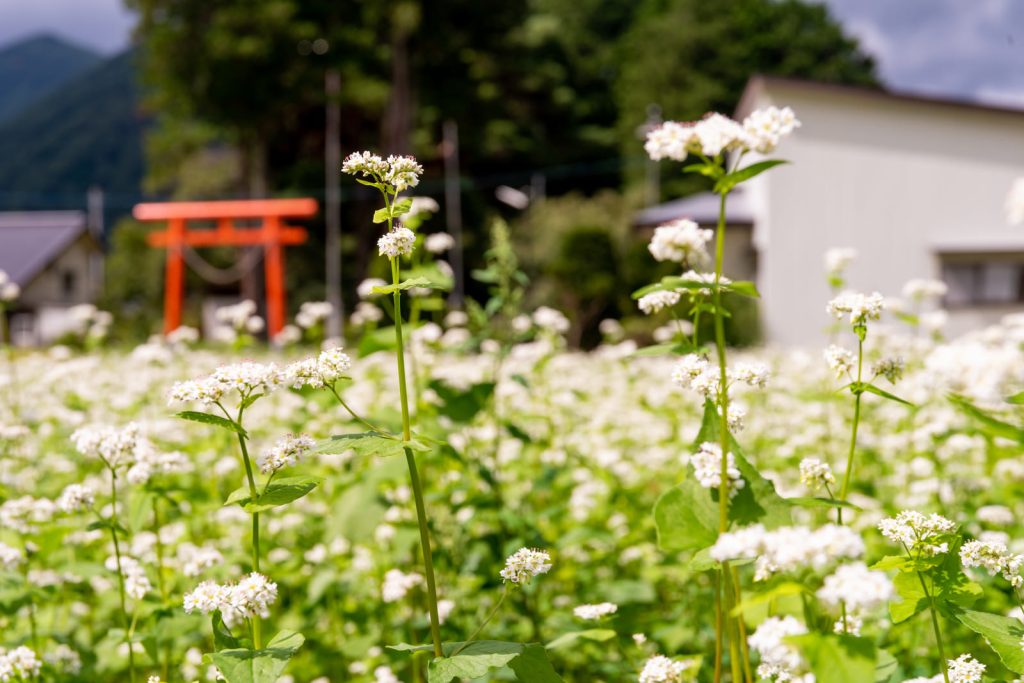
Living with nature in harmony is not only a matter of philosophy, tradition, or sustainability. It is also deeply emotional. Nature stirs feelings that words alone can rarely capture—serenity, awe, humility, joy, and even a gentle sadness that enriches the human heart. In Japan, this emotional dimension is woven seamlessly into daily life. The rhythm of the seasons, the quiet presence of natural phenomena, and the simple act of being outside provide countless moments where the human spirit is touched at its core.
The Seasonal Embrace
Japan’s four distinct seasons offer a rich tapestry of emotional experiences:
- Spring: Cherry blossoms bloom and fall within weeks, reminding people that beauty is fleeting. This impermanence is not mourned but cherished. Sitting beneath petals drifting like snow, one feels both joy in the present and tenderness for its passing.
- Summer: Cicadas fill the air with their resonant chorus. Their short-lived lives remind listeners of urgency and vitality. Walking in the heavy summer air, the sound evokes both nostalgia and a bittersweet awareness of life’s brevity.
- Autumn: Crimson leaves transform mountainsides and temple grounds. The brilliance of color inspires awe, but as leaves scatter, they invite reflection on change and loss. Autumn is often seen as the most reflective season, blending beauty with quiet resignation.
- Winter: Snow blankets temples and villages, silencing the world. The stillness creates peace, but also a sense of introspection. Sitting by a window with tea, watching snow fall, one feels at once small and deeply connected to something vast.
Each season teaches not only about the external world but also about the internal landscape of the heart.
Everyday Encounters with the Subtle
Beyond seasonal spectacles, nature’s smallest gestures offer emotional grounding.
- The sound of rain tapping on a roof slows the mind, drawing attention to rhythm and continuity.
- A cool breeze through sliding doors in summer feels like an intimate touch from the world outside.
- The glow of the moon reflected in a pond evokes mystery and romance.
- The sight of moss growing patiently in temple gardens reminds people of time’s quiet persistence.
These subtle moments accumulate, creating a sense that nature is always whispering to those who pause to notice.
Surrender and Peace
One of the deepest emotional gifts of nature is the ability to surrender. In modern life, humans often try to control schedules, environments, and outcomes. Yet nature resists control.
- A storm cancels plans.
- A heatwave demands stillness.
- A sudden blossom invites spontaneous celebration.
When people yield to these rhythms rather than resist them, a gentle peace arises. Instead of asking, “How do I bend nature to my will?” the Japanese tradition often asks, “How do I bend myself to nature’s rhythm?” This shift fosters humility and acceptance—qualities that soothe emotional turbulence.
Nature as a Mirror of the Self
Nature not only comforts but reflects inner states.
- Standing before a vast ocean can mirror one’s sense of insignificance and, paradoxically, liberation.
- Observing falling leaves may mirror a personal sense of transition or loss.
- Watching new buds appear after winter mirrors resilience and hope.
This mirroring effect makes nature a companion in emotional life. It validates feelings without judgment and offers metaphors that help individuals process experiences.
Connection Beyond the Self
Perhaps the deepest emotional resonance of living with nature is the sense of belonging. In many modern societies, people feel alienated—cut off from community, tradition, or even their own bodies. In Japan’s traditions of living with nature, this alienation is softened. Sitting beneath the same moon as one’s ancestors, or listening to the same cicada cries heard for centuries, one feels linked across time. Sharing cherry blossom viewing with others connects individuals not only to nature but to each other.
The Quiet Joy of Enough
Nature also teaches sufficiency. A simple meal of seasonal vegetables, a quiet stroll beneath autumn skies, or a moment of stillness beside a river is enough. Unlike consumer culture, which often demands more, nature teaches that fulfillment lies not in accumulation but in attunement. This realization carries profound emotional relief—the joy of being present without striving.
Why Emotional Depth Matters
The emotional depth of living with nature is not a luxury; it is essential. In times of stress, grief, or uncertainty, these quiet encounters restore balance. They remind people that life is cyclical, that endings carry beginnings, and that beauty can coexist with loss. In Japan, this emotional literacy—nurtured through centuries of engagement with the natural world—offers resilience and calm in the face of change.
In sum, living with nature in Japan is not just about survival, ritual, or sustainability. It is about emotional nourishment. Seasons, subtle sounds, and natural rhythms touch the heart in ways that deepen empathy, resilience, and joy. To live in harmony with nature is also to live in harmony with one’s own emotions.
Lessons for Daily Life
Living in harmony with nature is not only a cultural or historical ideal. It is a practice that can be woven into the fabric of our modern lives—whether in a traditional Japanese village, a bustling global city, or a suburban home. The challenge is not in finding untouched landscapes but in cultivating a mindset that seeks connection, simplicity, and rhythm. These lessons, inspired by Japanese traditions, can guide everyday living across the world.
Bringing Nature into the Home
Even small gestures can create a sense of coexistence with nature indoors:
- Seasonal Flowers or Plants: Placing fresh flowers in the tokonoma (alcove) of a Japanese home is a long-held tradition. In any household, keeping a vase of seasonal blooms or a potted plant offers a daily reminder of nature’s cycles.
- Natural Materials: Choosing wood, paper, or stone in furniture and decoration helps maintain a tactile bond with the earth. Even in modern apartments, a bamboo mat or wooden bowl can evoke a natural presence.
- Windows and Light: Opening curtains to let in natural light or arranging spaces to welcome breezes is a simple act that reconnects the home with the world outside.
These practices remind us that living spaces are not sealed boxes but extensions of the environment.
Eating with the Seasons
Food is one of the most intimate ways humans connect with nature. Japanese culture places strong emphasis on shun—the seasonality of ingredients.
- Spring welcomes bamboo shoots and strawberries.
- Summer offers eggplants, cucumbers, and watermelon.
- Autumn is rich with chestnuts, persimmons, and mushrooms.
- Winter brings daikon radish, citrus fruits, and hearty hotpots.
By choosing seasonal foods, people align their bodies with the rhythms of the earth. It is not only healthier but also emotionally grounding—every meal becomes a subtle celebration of the natural calendar.
Urban Encounters with Nature
Even in the busiest cities, nature is present if one knows where to look.
- Parks and Rivers: A short walk in a nearby park or along a river can provide the same psychological benefits as extended time in the countryside.
- Small Gardens and Balconies: Cultivating herbs, bonsai, or even a single plant on a windowsill can create a miniature dialogue with nature.
- Attention to the Sky: Observing the moon phases, watching clouds drift, or simply noticing the shift of daylight offers daily reminders of being part of a larger cycle.
The key is not grand gestures but awareness. Nature thrives even in cracks of pavement, waiting for us to notice.
Workplace Lessons from Natural Rhythms
Modern work often disregards nature’s pace, pushing for speed, productivity, and constant connection. Yet Japanese culture teaches the value of aligning work with natural rhythms.
- Breaks as Renewal: Just as fields must lie fallow, humans need pauses. Short breaks for tea, stretching, or stepping outside mirror natural cycles of activity and rest.
- Seasonal Awareness in Workflows: Acknowledging the start of spring or the quiet of winter can shape workplace rituals, making work feel more human.
- Sustainable Mindset: By considering the long-term impact of decisions (like sustainable sourcing or energy use), workplaces reflect the broader principle of harmony with the earth.
These shifts can transform not only productivity but also well-being.
Slowing Down with Nature’s Guidance
One of the deepest lessons of harmony with nature is patience. Plants grow slowly, rivers carve valleys over centuries, and seasons arrive on their own schedule. By observing these rhythms, individuals can learn to:
- Reduce the anxiety of rushing results.
- Accept that growth—whether personal, relational, or professional—takes time.
- Appreciate pauses as part of progress, not obstacles to it.
This mindset is especially vital in a culture of immediacy, where constant demands obscure the beauty of gradual unfolding.
QuietTether’s Perspective
QuietTether reminds us:
“To live in harmony with nature is not to control it, but to walk beside it, listening to its rhythm as if it were your own.”
This philosophy is not about retreating into forests or rejecting modernity. It is about bringing attentiveness, humility, and care into daily choices. It asks us to notice the breath of wind, to respect the seasons, and to live with gratitude for the natural world that sustains us.
A Path for Everyone
The lessons of nature are not limited to those steeped in Japanese traditions. They belong to anyone willing to pause and listen. Whether you live in a high-rise apartment or a rural farmhouse, whether you spend your days at a desk or in the open air, harmony with nature is available. It begins not with grand transformations but with small, mindful acts: opening a window, cooking with seasonal food, walking beneath the moonlight.
By practicing these lessons, individuals rediscover that they are not separate from nature but part of it—intertwined in its rhythms, held within its embrace.
Closing Reflection: The Eternal Teacher
At the end of this exploration, we return to the truth that has always been present: nature is not a backdrop to human life but the teacher of life itself. For centuries, Japanese culture has carried this wisdom quietly—through seasonal rituals, architecture, poetry, and the simple act of sitting beneath a tree.
Nature as a Teacher, Not a Tool
In much of modern life, nature is often framed in terms of utility—something to exploit, control, or measure. Forests become timber, rivers become energy, land becomes profit. Yet the Japanese perspective, rooted in Shinto reverence and Buddhist awareness, offers a radical reorientation: nature is not a tool but a teacher.
- A cherry blossom teaches impermanence.
- A flowing river teaches persistence.
- A snow-covered field teaches stillness.
- A cicada’s song teaches the brevity and brilliance of life.
These are not abstract metaphors but living lessons, available to anyone who chooses to listen.
Harmony as a Universal Value
The Japanese approach is not only for Japan. In a world facing climate change, environmental degradation, and the alienation of urban life, the value of living in harmony with nature is universal.
- For communities: It means building cities that breathe with green spaces and respect ecosystems.
- For individuals: It means recognizing that mental health is deeply tied to contact with the natural world.
- For the planet: It means adopting practices that honor sustainability and interdependence.
Harmony is not a luxury—it is survival, resilience, and renewal.
A Future Rooted in Ancient Wisdom
Ironically, what the future needs most may be what the past already knew. Ancient Japanese traditions remind us that progress does not have to mean severing ties with nature. Instead, it can mean deepening them, blending technology with mindfulness, and letting old wisdom guide new paths.
This does not mean retreating into nostalgia. It means recognizing that to protect the earth is to protect ourselves, for we are inseparable from the forests, oceans, skies, and seasons.
QuietTether’s Philosophy
QuietTether closes with this reflection:
“Harmony with nature is not an ancient ideal—it is the timeless path back to ourselves, and forward to a future worth living.”
This is the invitation: to see nature not as an external reality but as a mirror of our inner lives, a companion in our journeys, and a guide toward a more compassionate existence.
Returning to the Beginning
Remember the walk beneath the cherry blossoms, when the traveler realized that humans are not above nature but part of it. That moment of clarity was not fleeting—it is always available. Every time we pause to notice the wind, the rain, the moon, or the falling leaves, we return to that truth:
nature is the eternal teacher, and we are forever its students.