

Opening Story: Sitting Together in Silence
The sun was beginning its slow descent over the horizon, casting a warm amber glow across the beach in a small coastal town in Japan. The waves lapped gently against the shore, their rhythmic murmurs blending with the occasional cry of a distant seagull. I, a foreign traveler who had been wandering through Japan for weeks, found myself sitting on a weathered wooden bench beside my friend, Haruto. Unlike the bustling tourist spots I had visited earlier, this place offered a rare, almost sacred stillness, a pause in the constant motion of life.
Haruto was a quiet person, the sort of friend who spoke little but listened deeply. Initially, the silence between us felt heavy, almost awkward. In my own culture, I had been conditioned to fill pauses with words, to make sure every moment of social interaction carried purpose or entertainment. Here, in this Japanese coastal town, the rhythm was entirely different. I struggled at first, feeling the almost imperceptible pressure to break the silence, to talk about the day, the scenery, or the food we had eaten. Yet Haruto, with his calm presence, simply sat, hands resting lightly on his knees, eyes tracing the horizon, as if he were in perfect communion with the fading light.
Minutes passed. I tried to let go of the urge to speak, to analyze, to perform socially. I began noticing details that had previously escaped me—the tiny, glimmering fragments of seashells scattered across the sand, the way the wind lifted strands of Haruto’s hair ever so gently, and the subtle pattern of birds dipping in and out of the ocean waves. In that space of quiet observation, I became aware of my own breathing, its rise and fall synchronized unconsciously with the ebb and flow of the tide. I realized that the silence was not empty—it was full. Full of presence, full of subtle life, full of understanding without words.
It was in that moment that I truly understood what it meant to simply be beside someone. Haruto did not offer advice, did not entertain me with stories, and did not attempt to fill the gaps of conversation. Yet his presence was profoundly supportive. I felt seen, acknowledged, and connected in a way that words might have distracted from. There was no need to explain myself, to perform, or to justify my thoughts and feelings. The quiet between us became a sanctuary, a space where my heart could settle, and my mind could roam freely without pressure or expectation.
As the sun dipped lower, casting long shadows across the sand, I found myself reflecting on how often in my life I had equated connection with action or words. How frequently had I rushed to fix things, to entertain, or to assert presence through speech or gestures? Here, in this quiet Japanese moment, I discovered a different kind of intimacy, one that was slower, subtler, yet deeply profound. Being beside someone, I realized, was not a passive act. It was an active offering of oneself, an acknowledgment that presence alone could be enough, that one could offer support and understanding without speaking a single word.
The realization settled into me like a gentle tide: the depth of simply being beside someone was a gift often overlooked in the rush of life. It was a meditation in action, a practice of patience, attention, and care. I could feel the layers of connection forming—not through conversation or shared activity, but through the shared acceptance of each other’s being, a recognition that simply existing together, without pretense or expectation, was a profound form of support.
I glanced at Haruto again, and for the first time, I noticed a faint smile playing on his lips. It was subtle, almost imperceptible, but it spoke volumes. In that smile, I saw reassurance, warmth, and a quiet affirmation of our bond. No words were necessary. The experience taught me something essential about human relationships, especially in the context of Japanese culture: support, care, and connection do not always require action, explanation, or dramatization. Sometimes, the most meaningful thing one can offer is simply to be there, silently, consistently, and attentively.
By the time the sun had fully descended, leaving a canvas of dusky pinks and purples across the sky, I felt a sense of calm that I had not experienced in months of travel or social interaction. The lesson lingered: in a world obsessed with doing, saying, achieving, and performing, there is immense power in stillness, in quiet companionship. Being beside someone, in silence, is a deliberate, mindful act of empathy and presence that transcends language and cultural barriers. It is, in its own unassuming way, a profound form of love and trust.
That evening, as we rose from the bench and began walking back toward the small town, I carried with me a newfound understanding. I understood that sometimes, the most important thing one can offer to a friend, a family member, or even a stranger, is not advice, action, or conversation—but the simple, unwavering presence that says, without words: “I am here with you, and that alone is enough.”
Understanding the Value of Presence
In Japan, the concept of simply being beside someone holds a significance that extends far beyond the superficial acts of companionship or social etiquette. Unlike in many Western cultures, where support and connection are often measured by actions, words, or visible gestures, Japanese society places profound value on the mere presence of an individual—especially when it is calm, attentive, and non-intrusive. This presence is not passive; it is an active form of participation in another person’s emotional and psychological landscape.
The cultural roots of this value are embedded deeply in both historical and philosophical traditions. Zen Buddhism, for instance, emphasizes mindfulness and awareness, teaching that attention itself is a form of engagement with the world. Within this context, being quietly present beside someone can be understood as a practice of mindfulness applied to human relationships. It is not necessary to fill a silence with words or actions; the shared stillness itself becomes meaningful. To be fully present is to acknowledge the existence, thoughts, and emotions of another without judgment, commentary, or expectation—a radical form of empathy that transcends language.
Psychologically, presence fulfills a human need for safety and reassurance. Modern research in social and developmental psychology highlights the concept of a “secure base,” originally derived from attachment theory, which posits that people require stable, reliable presence from others to feel emotionally safe. In the Japanese context, this secure base is often cultivated not through verbal affirmation, but through subtle, consistent companionship. For example, sitting beside a child as they play or a friend as they wrestle with their thoughts conveys a level of trust and acceptance that spoken words may fail to achieve. The act itself—simple, unadorned, and constant—communicates, “You are not alone; your existence is acknowledged and valued.”
The importance of this presence also intersects with the cultural notion of ma, or the space between. In Japanese aesthetics and social interaction, ma refers to the meaningful intervals, pauses, or silences that shape perception and experience. In relationships, the space created by one person’s calm presence allows the other to inhabit their thoughts freely, without pressure or intrusion. This silence is not emptiness; it is a carefully balanced space that facilitates reflection, comfort, and connection. By occupying the same space without imposing upon it, individuals create a mutual understanding and acceptance that strengthens bonds over time.
Another psychological aspect involves the power of non-verbal communication. Humans are exquisitely sensitive to cues such as body orientation, breathing, and subtle gestures. A quiet presence often conveys reassurance, attentiveness, and empathy more powerfully than words can. For instance, a friend sitting silently beside someone who is grieving may communicate more support and understanding than any verbal consolation. In Japan, this principle is widely recognized and practiced, from family settings to professional environments, where leaders are admired for their calm composure and attentive listening, rather than for constant verbal instruction or assertive action.
Importantly, the value of presence does not diminish the importance of action; rather, it complements it. Words, tasks, and gestures retain their place in relationships, but the foundational layer of connection is established by simply being there. The act of sitting beside someone, even in complete silence, is a conscious choice that conveys respect, acceptance, and patience. It affirms that the other person’s experience is valid, worthy of attention, and supported—even when no problem is being solved or words are exchanged.
In practical terms, this approach is evident in everyday Japanese life. Families may spend evenings together in shared quiet, with each member absorbed in their own activities yet connected through the simple act of co-presence. In the workplace, senior colleagues may silently observe and guide, offering mentorship through proximity and attentiveness rather than overt instruction. Friends often spend hours together without a strict agenda, comfortable with silence, each drawing comfort and trust from the other’s calm presence. These practices demonstrate that the Japanese understanding of support prioritizes relational depth over demonstrative action.
The lesson here is profound: being beside someone is not merely a gesture—it is a commitment to mutual awareness, patience, and emotional resonance. It is an acknowledgment of the other’s humanity and an expression of respect that does not rely on words or conventional social signals. In a world where communication is often equated with verbal expression or tangible deeds, the Japanese model reminds us that presence itself is a potent form of care, capable of sustaining relationships and nurturing trust in ways that more overt actions sometimes cannot.
Through this lens, one begins to see that the act of simply being beside someone embodies a deep ethical and emotional philosophy. It honors the autonomy of the individual while offering unwavering support. It teaches patience, humility, and attentiveness. And it cultivates a type of intimacy that is not hurried, performative, or conditional, but enduring, subtle, and profoundly human.
Everyday Practices of Being There
In Japan, the practice of simply being beside someone is woven seamlessly into daily life, manifesting in ways that may appear subtle but carry immense emotional weight. Unlike cultures that often equate support with words, tasks, or overt gestures, Japanese society emphasizes presence as a form of caring that does not require constant action or commentary. This principle applies across family, workplace, friendship, and public contexts, forming a cultural rhythm that prioritizes shared existence over performative interactions.
Family Life: The Quiet Bond at Home
In Japanese households, the value of shared silence is deeply ingrained. Parents often spend time with their children without the pressure to entertain, instruct, or even speak continuously. For instance, a parent might sit beside a child working on homework, folding origami, or drawing, offering their presence as reassurance. The child, aware of the parent’s attentive proximity, experiences both comfort and a sense of security. Here, the act of being present is not about intervention—it is about recognition: acknowledging the child’s effort, mood, and individuality. Similarly, grandparents often sit with younger family members, offering companionship through simple co-presence, fostering bonds across generations without needing to fill the space with words.
Meals provide another example of quiet togetherness. Families may eat in relative silence, each person engaged in their own activity, yet the shared environment conveys attentiveness and belonging. Even in busy urban apartments, the act of sharing a space, rather than engaging in constant conversation, strengthens familial ties. This practice underscores a crucial insight: presence itself is a profound expression of love and respect.
Workplace: Supporting Through Attentiveness
In professional settings, being beside someone takes on a refined, almost understated form. Japanese work culture often values observation, patience, and subtle guidance over overt interference. A senior colleague may sit quietly near a junior employee, observing their workflow, ready to step in only if needed. This approach conveys trust, encouragement, and a willingness to provide support without undermining autonomy. The quiet presence of mentors or team leaders fosters a psychologically safe environment, allowing employees to perform confidently while knowing that guidance is available without constant monitoring.
Similarly, colleagues often accompany each other during breaks or commute times. The simple act of walking or sitting together, without requiring conversation or problem-solving, creates a shared sense of solidarity. Even in meetings, a calm, attentive presence—listening carefully without immediately interjecting—is often more influential and supportive than dominating the discussion with solutions or directives.
Friendship and Romantic Relationships: The Comfort of Shared Silence
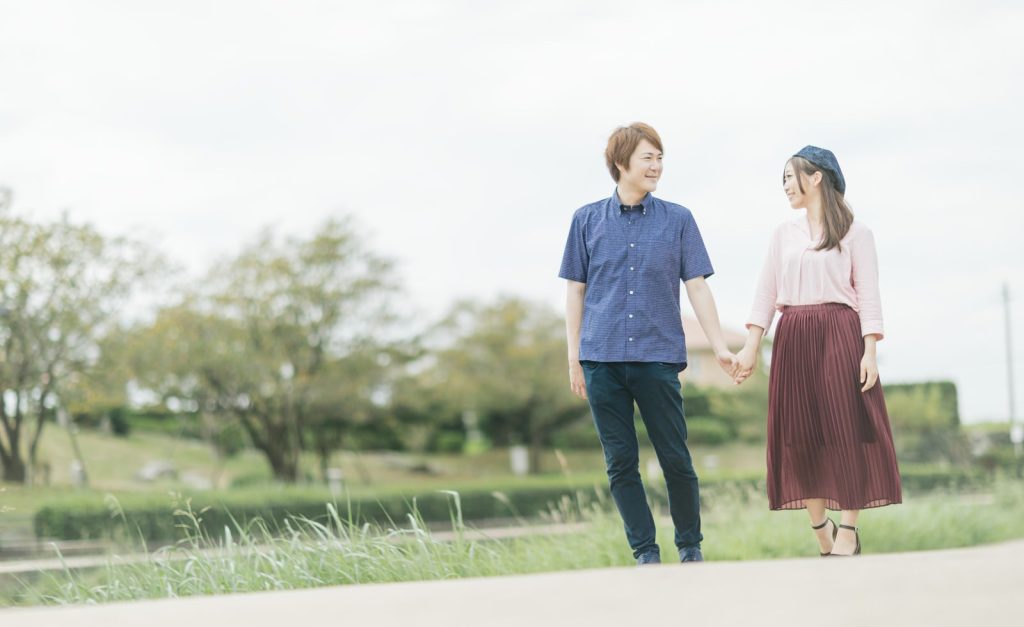
Among friends and partners, Japanese practices of co-presence emphasize comfort, trust, and acceptance. Spending hours together in a quiet café, walking side by side on a park path, or sitting in the same room absorbed in different activities embodies a form of intimacy that transcends words. In romantic relationships, partners may simply share the same space during mundane activities—reading, cooking, or commuting—without feeling compelled to talk constantly. This silence is not emptiness; it is relational depth. It communicates attentiveness, respect for personal space, and an understanding that emotional support is often best expressed through shared existence rather than verbal affirmation.
In these interactions, empathy is communicated through presence: the subtle alignment of posture, the act of listening without responding, or the willingness to endure quiet moments together. These practices foster a profound connection, teaching that being together does not require constant action or dialogue—sometimes, it is enough to simply exist beside one another.
Public Spaces: Respecting Co-Presence
Even in public spaces, Japanese culture manifests a respect for quiet co-presence. Passengers on trains, for example, often sit side by side, absorbed in their own activities yet sharing the physical space without disturbance. Commuters rarely intrude on each other, but the act of being present in proximity cultivates an unspoken social contract: everyone’s presence is acknowledged, yet autonomy and personal space are respected. Cafés, libraries, and parks operate on similar principles, creating environments where the collective understanding of quiet coexistence enhances social cohesion and emotional comfort.
In these everyday practices, the principle is clear: support and connection need not be loud, performative, or action-oriented. By being present, individuals create a subtle, continuous reassurance that fosters trust and strengthens relationships. This approach nurtures patience, emotional intelligence, and a capacity for deep empathy that transcends the superficial measures of social interaction.
Reflections on the Practice
These everyday manifestations highlight an important lesson: the act of being beside someone is not passive, nor is it insignificant. It is a deliberate choice that demonstrates respect, care, and attentiveness. Whether in family life, at work, among friends, or in public spaces, the Japanese practice of quiet presence teaches that true connection often lies in co-existence rather than in speech, advice, or visible deeds.
Moreover, these practices offer a model for modern life globally, especially in a world increasingly dominated by digital communication and constant activity. The Japanese emphasis on simply being present reminds us that the most profound support can be nonverbal, continuous, and deeply human. It is a gentle yet powerful approach to building trust, fostering emotional safety, and cultivating meaningful relationships.
Historical and Philosophical Roots
The Japanese understanding of simply being beside someone is not merely a contemporary social practice—it is deeply rooted in centuries of philosophical, literary, and spiritual traditions. These historical and cultural foundations reveal a society that has long recognized the profound value of presence, quiet companionship, and nonverbal connection. By examining Zen, Bushido, classical poetry, and Japanese literature, we can trace how these practices evolved and why they remain central to Japanese social life today.
Zen Buddhism: Presence Without Action
Zen Buddhism, which profoundly influenced Japanese culture, emphasizes mindfulness, attentiveness, and the power of being fully present. Central to Zen is the practice of Zazen—sitting meditation—not as a means of doing or achieving, but as a way of cultivating awareness and presence. In this context, the value of simply being beside someone mirrors the Zen principle that the quality of attention and shared presence matters more than words or activity.
Zen teachings suggest that understanding another person does not always require explanation or discourse; rather, deep comprehension and empathy can arise from silent companionship. The act of being together in quiet observation, as in a shared zazen session, conveys support and solidarity without explicit verbal affirmation. This principle has permeated Japanese social practices, from family life to friendship, demonstrating that presence alone can communicate care and trust.
Bushido: Silence as Strength
The ethos of Bushido, the code of the samurai, provides another historical root for valuing quiet presence. In Bushido, action was guided by discipline, observation, and restraint rather than overt speech. Samurai were expected to act decisively, but not unnecessarily to draw attention to themselves. The ability to accompany and support others silently—whether in training, combat, or mentorship—was considered a mark of maturity and strength.
This reverence for subtlety extends beyond the battlefield into daily life. Being physically or emotionally present without demanding recognition embodies the Bushido ideal: that true loyalty, courage, and care often manifest quietly. A samurai who stood beside his lord or comrade in moments of uncertainty without speaking unnecessarily exemplified the profound power of silent support—a value that resonates in contemporary Japanese relational practices.
Classical Poetry and Waka: Expressing Presence Through Observation
Japanese classical poetry, particularly Waka and Haiku, provides rich evidence of a culture attuned to subtlety, presence, and nonverbal connection. Poets frequently emphasized shared observation and the quiet experience of natural phenomena or human emotion. A haiku capturing the shared watching of falling cherry blossoms or the quiet reflection beside a river often communicates companionship and empathy without overt dialogue.
This literary tradition underscores a broader cultural tendency: emotional resonance and relational depth are often conveyed through observation, subtle gestures, and shared silence. Simply being present, observing together, and witnessing the passage of time are elevated to art forms, highlighting the philosophical importance of co-existence and attentive presence.
Japanese Literature: Trust Through Silence
Throughout Japanese literature—from the Tale of Genji to modern novels—the motif of building trust and intimacy through silent presence recurs consistently. Characters often demonstrate care and understanding not through words, but through quiet attention, shared routine, and unobtrusive support. These narratives reflect the societal understanding that relationships are strengthened by patience, observation, and the willingness to be beside another person without imposing demands or commentary.
The emphasis on silence as a form of communication is not merely aesthetic—it represents a moral and emotional philosophy. Through literary examples, we see that Japanese culture has long recognized that presence itself can convey loyalty, empathy, and solidarity in ways that words cannot.
Spiritual Practices: Shared Being and Awareness
Beyond Zen, other spiritual and ritual practices also reinforce the value of presence. In Shinto, the indigenous spiritual tradition of Japan, rituals often involve silent observation of nature, participation without verbal commentary, and mindfulness of communal energy. Whether standing quietly at a shrine or walking together through sacred spaces, the act of being present is a spiritual exercise as much as a social one. These rituals embed the cultural belief that co-existence, attention, and non-intrusive companionship cultivate emotional and spiritual harmony.
Similarly, tea ceremonies (Cha no yu) emphasize shared experience and attentiveness. Participants often sit together in silence, appreciating not only the tea but the mutual presence, the rhythm of movements, and the subtle cues exchanged through posture and gaze. The ritual reinforces that being beside someone is an act of intentional care and mindfulness, not simply physical proximity.
Reflections on Historical Roots
Examining these historical and philosophical traditions reveals a recurring theme: Japanese culture has long understood that presence is not passive. Being beside someone—without directing, instructing, or speaking—is an intentional act of support, empathy, and trust-building. It is a practice that honors the other person’s autonomy, allows space for reflection, and creates a subtle but profound connection.
This foundation helps explain why, in contemporary Japan, silent companionship is valued across contexts: from families quietly coexisting at home, to colleagues observing one another’s work, to friends and partners sharing moments without words. The historical legacy provides a cultural logic for a behavior that may seem unusual in more verbal, action-oriented societies but is considered essential in Japan.
The Psychology of Simple Presence
The act of simply being beside someone—without words, guidance, or intervention—may appear passive at first glance. Yet psychology reveals that such presence has profound effects on emotional well-being, relationship building, and interpersonal trust. In Japanese culture, where silent companionship is highly valued, the psychological underpinnings help explain why merely existing alongside another person can be so impactful.
Presence as Psychological Safety
One of the most important psychological functions of being beside someone is the creation of psychological safety. Research in human relationships indicates that feeling consistently supported and acknowledged—even without verbal communication—reduces anxiety, stress, and feelings of isolation. The simple knowledge that someone is nearby, attentive, and nonjudgmental provides a baseline sense of security that allows individuals to process emotions and navigate challenges more effectively.
In Japan, the culturally endorsed practice of silent presence aligns with this principle. Whether in families, workplaces, or friendships, being physically and emotionally near someone—without imposing advice or commentary—creates an environment where individuals feel safe to be themselves. This safety fosters trust and deepens connections over time.
Nonverbal Communication: The Subtle Language of Being
Psychology emphasizes that communication extends far beyond words. Nonverbal cues, including body language, eye contact, posture, and proximity, convey complex emotional messages. Simply sitting beside someone, matching breathing patterns, or leaning slightly toward them can communicate empathy, attentiveness, and solidarity without a single spoken word.
Japanese culture excels in cultivating this subtlety. Practices such as sharing tea in silence, walking together without conversation, or observing seasonal changes side by side reflect the understanding that presence itself is communicative. Psychological research supports that these nonverbal forms of communication are often more powerful than verbal expressions in fostering intimacy and emotional resonance.
Building Trust Through Steady Presence
Trust is rarely formed overnight; it is a gradual accumulation of repeated experiences that signal reliability, care, and understanding. Psychologists have found that consistent, unobtrusive presence—often characterized by just being there for someone during mundane or stressful moments—can strengthen trust more effectively than grand gestures or verbal reassurances.
In Japan, this principle manifests in both personal and professional relationships. Colleagues, friends, and family members often demonstrate care by quietly sharing space, offering assistance indirectly, or maintaining a supportive presence during challenging times. These behaviors build an implicit sense of reliability and emotional consistency, which forms the bedrock of long-term trust.
Emotional Regulation and Stress Reduction
Being beside someone in silence also aids emotional regulation. Psychologists explain that the mere presence of a trusted person can buffer stress responses, lower cortisol levels, and reduce feelings of loneliness. Observing shared routines, breathing patterns, or body language without the pressure of verbal interaction can create a calming effect, which benefits both the observer and the person being observed.
In Japan, practices like sitting quietly in a tea room, walking through a garden together, or accompanying someone to a shrine without speaking reflect this deep understanding of shared calmness. These rituals enable individuals to manage emotions naturally, reinforcing the psychological power of presence over action or words.
Validation Without Interference
Another key psychological effect of simply being beside someone is validation without interference. Often, the greatest support comes not from solving a problem or offering advice, but from providing a stable, empathetic presence that allows the other person to navigate their own emotions. This approach fosters autonomy, resilience, and self-confidence while simultaneously conveying care and respect.
In Japanese interactions, this practice is common: sitting quietly beside an upset friend, waiting for a family member to express themselves, or silently observing a colleague’s work demonstrates an understanding that presence alone can validate experience and emotion without overt intervention.
Synchrony and Emotional Resonance
Psychological research highlights the concept of interpersonal synchrony, where people unconsciously align their movements, gestures, or emotional states during shared presence. This alignment enhances empathy, fosters emotional resonance, and deepens relational bonds. Sitting together in quiet contemplation, as often practiced in Japan, can facilitate subtle synchrony—whether through shared breathing, attentiveness to environmental stimuli, or mirroring postures.
Such synchrony does not require conversation but still creates a profound sense of connection. It is this mechanism that underlies the deep comfort and trust generated by silent companionship in Japanese culture.
Implications for Mental Health and Well-Being
The psychological benefits of simple presence are far-reaching. Being beside someone can improve mood, enhance relational satisfaction, reduce anxiety, and contribute to overall mental well-being. Japanese social practices, which normalize and honor silent companionship, leverage these benefits naturally. This suggests that cultivating the ability to simply be with another person is not only socially valuable but also vital for emotional health.
Summary:
The psychology of simple presence demonstrates that being beside someone is an active, supportive, and emotionally powerful act. Through nonverbal communication, trust-building, stress reduction, and emotional resonance, silent companionship fosters profound relational and psychological benefits. Japanese culture, with its long-standing appreciation for quiet companionship, offers both a model and a lesson: that presence itself is an essential form of care, more potent at times than words or actions.
Cross-Cultural Contrasts
The act of simply being beside someone—silent, unobtrusive, and present—can be interpreted in vastly different ways across cultures. While Japanese culture embraces this form of companionship as meaningful and supportive, other societies often emphasize verbal interaction, explicit action, or demonstrative affection as markers of care. Exploring these contrasts illuminates both the uniqueness of Japanese social practices and the universal relevance of presence in human relationships.
Western Cultures: Words and Action as Support
In many Western cultures, particularly in North America and Europe, communication is often explicit. Expressing feelings, offering advice, or taking visible action is considered the primary way to demonstrate care. In these contexts, simply sitting in silence beside someone may sometimes be perceived as awkward, disengaged, or insufficient.
Psychologists note that Westerners tend to interpret support through verbal affirmation and problem-solving as essential for emotional reassurance. For example, a friend or colleague in distress might expect comforting words, suggestions, or tangible assistance. A silent presence, unless explicitly framed as intentional, can be misread as indifference.
This emphasis on verbal and active support contrasts sharply with Japanese practices, where the very act of being present—without intruding—is often seen as the most considerate and respectful form of companionship.
Northern European Cultures: Valuing Personal Space
In Scandinavian countries, including Sweden, Norway, and Finland, personal space and independence are highly valued. People often interpret presence not in terms of physical proximity but as being available when needed. While silent companionship is understood, there is a strong preference for maintaining boundaries and allowing individuals to navigate emotions privately.
Japanese culture differs in that physical closeness, shared silence, and quiet attentiveness are socially endorsed and interpreted positively. The difference lies not in the value of privacy but in the perceived significance of shared presence: in Japan, it communicates empathy and respect; in Northern Europe, it may be more neutral, emphasizing autonomy rather than relational intimacy.
Latin American and Mediterranean Cultures: Expressive Presence
By contrast, Latin American and Mediterranean cultures often prioritize expressive presence. Emotional support is communicated through touch, conversation, and demonstrative affection. Sitting silently beside someone is rarely sufficient; warmth and verbal reassurance are expected. Here, the act of accompaniment is intertwined with demonstrative gestures—hugs, holding hands, or animated conversation—which signal care and solidarity.
While these behaviors convey deep connection, they also illustrate a cultural reliance on explicit emotional signals. Japanese silent presence, by comparison, conveys care subtly and often requires attunement to contextual cues, social harmony, and the unspoken dynamics between individuals.
Asian Comparisons: Contextual Nuances
Even within Asia, contrasts emerge. In China, Korea, and India, family and communal bonds are strong, but the expression of support can vary. In some cases, verbal guidance and advice are preferred, reflecting Confucian or hierarchical values. Japanese silent accompaniment is distinguished by its equitable and non-intrusive nature, emphasizing mutual respect and shared calmness rather than instruction or hierarchy.
This subtle form of support—valuing presence over words—reinforces emotional balance and reduces relational tension, highlighting the Japanese preference for harmony through quiet attentiveness.
Misunderstandings Across Cultures
Cross-cultural misunderstandings can easily arise when silent companionship is misinterpreted. A Western visitor in Japan might initially perceive quietness as indifference, while a Japanese individual may find overt verbal support intrusive or overwhelming. Recognizing these differences is essential for intercultural communication, travel, and professional interactions.
Psychologically, the difference stems from cultural definitions of support and empathy: some cultures equate support with action and expression, while others equate it with respectful presence and attentiveness. Learning to appreciate and practice the latter can enhance cross-cultural relationships and deepen one’s understanding of nonverbal human connection.
Lessons from Contrast: Universal Truths
Despite these contrasts, one universal truth emerges: being beside someone—whether verbally expressive or silently attentive—fosters connection, trust, and emotional stability. Japanese culture provides a powerful example of how subtle, nonverbal forms of support can be deeply meaningful. Observing these practices can enrich other cultural approaches, reminding us that presence itself, even without words, is inherently supportive.
Summary:
Cross-cultural contrasts reveal the unique value Japanese culture places on silent companionship. While Western, Latin American, and Northern European norms often prioritize verbal affirmation, expressive action, or personal space, Japanese practices highlight that mere presence, attentiveness, and shared silence are powerful vehicles of care and empathy. Recognizing these differences can improve intercultural understanding and illuminate the universal power of simply being there for someone.

Emotional Depth of Simply Being There
The act of simply being beside someone carries profound emotional significance, often surpassing words, gestures, or even actions. In Japanese culture, this silent presence is recognized not merely as companionship but as an emotional anchor, a source of comfort, and a subtle yet powerful demonstration of empathy.
The Power of Nonverbal Communication
Humans are wired to communicate beyond words. Facial expressions, eye contact, posture, and proximity convey emotions more subtly than language. When a person sits beside another in quiet attention, the silent signals—steady breathing, relaxed posture, and shared space—can communicate understanding, acceptance, and solidarity.
In Japan, these cues are especially meaningful because overt verbalization of feelings is often minimized in favor of harmony. Silent presence thus becomes a language of its own: a language in which empathy, care, and attentiveness are expressed without uttering a single word. For example, sitting quietly next to a grieving friend can convey more compassion than verbal reassurances ever could.
Shared Silence as Emotional Support
Silence in Japanese interpersonal dynamics is rarely empty. Instead, it is charged with meaning. A shared moment of quiet can offer:
- Validation of feelings: By not interrupting or imposing solutions, one communicates that the other’s emotions are valid and worthy of space.
- Emotional regulation: The mere presence of a trusted companion can reduce anxiety, allowing emotions to settle naturally.
- Connection without pressure: No expectation to respond or act fosters a sense of safety and unconditional support.
Research in psychology has shown that physical proximity and attentive presence significantly decrease stress hormone levels and enhance feelings of security, even when no conversation occurs. This demonstrates that silent accompaniment is not passive—it actively nurtures emotional well-being.
Moments Where Presence Speaks Louder Than Words
In Japanese literature and daily life, the power of simply being there is frequently highlighted:
- A parent quietly sitting near a child struggling with homework conveys patience and support more effectively than constant verbal instruction.
- Friends sharing a long train ride may sit in comfortable silence, their connection strengthened simply by proximity.
- Couples watching a sunset together in quiet contemplation often experience emotional intimacy greater than any verbal exchange could provide.
These examples illustrate that emotional depth is often rooted in shared presence, not in spoken words.
Comforting Without Fixing
One of the most profound aspects of Japanese silent support is its restraint from “fixing” the situation. Unlike cultures where offering advice or solutions is expected, simply being beside someone allows the person to process their emotions at their own pace. This quiet solidarity fosters resilience and self-understanding, demonstrating that emotional support does not always require intervention.
Mutual Reinforcement of Presence
Being beside someone in silence is mutually reinforcing. The person offering presence gains awareness, patience, and empathy, while the recipient experiences reassurance, validation, and trust. Over time, these shared moments accumulate, creating a deep reservoir of emotional intimacy that strengthens the bond between individuals.
Moreover, the simplicity of this practice encourages mindfulness: both parties are fully aware of each other’s existence, and the shared silence becomes a space where attention and care flow unobstructed by the noise of words or actions.
The Universality of Presence
While Japanese culture may highlight the nuanced power of silent accompaniment, the emotional impact of simply being there transcends cultural boundaries. Across the world, humans respond to authentic presence, even when it is silent. The lesson is universal: presence conveys love, empathy, and understanding in a way that words sometimes cannot match.
By embracing this approach, individuals can cultivate emotional depth in relationships that is enduring and profound, grounded not in verbal affirmation but in the steadfast, non-intrusive act of accompaniment.
Summary:
The emotional depth of simply being beside someone lies in its ability to communicate care, validation, and understanding without words. Japanese culture demonstrates that silent presence nurtures trust, reduces stress, and fosters emotional intimacy. In moments of quiet companionship, both giver and receiver experience a profound emotional connection that words alone cannot achieve.
Lessons for Daily Life
The art of simply being beside someone offers practical and profound lessons for everyday living. While Japanese culture provides a rich model for understanding this subtle form of support, its applications are universal. Integrating the practice of mindful presence into daily life can enhance relationships, reduce stress, and foster emotional resilience.
Family: Cultivating Quiet Companionship at Home
Within the family setting, being present without the expectation of verbal interaction can be transformative:
- With children: Parents can spend time beside their children while they read, draw, or play, without offering constant guidance or instructions. This silent presence communicates safety, attention, and unconditional acceptance, helping children develop confidence and emotional security.
- With partners: Sharing a quiet meal, sitting together in a living room, or simply enjoying a shared view outdoors fosters intimacy. The absence of conversation does not diminish the connection; rather, it emphasizes that love and care are not dependent on constant verbal reinforcement.
- With elderly family members: Sitting quietly with aging relatives, listening with attention through presence rather than speech, respects their pace and dignity, creating comfort and trust without the need for words.
These examples illustrate that being there is itself a form of caregiving, which strengthens family bonds without requiring action or performance.
Workplace: Supporting Colleagues Through Presence
In professional environments, the principle of simply being beside someone is equally powerful:
- Nonverbal support: Offering silent assistance by sitting beside a stressed colleague, sharing a quiet workspace, or observing attentively during difficult tasks demonstrates empathy without interfering.
- Reducing pressure: Sometimes, colleagues need space rather than advice. By providing presence, you validate their experience and reduce the stress of having to explain or defend themselves.
- Encouraging collaboration: Shared quiet moments during brainstorming, planning, or review sessions create a subtle sense of solidarity, fostering trust and cooperation.
This approach challenges the common assumption that support must be verbalized or directive. Silent accompaniment at work communicates respect, reliability, and emotional intelligence.
Friendships and Romantic Relationships: Building Depth Without Words
Beyond family and work, friendships and romantic relationships benefit greatly from silent presence:
- Shared activities in quiet: Walking together, attending an event side by side, or sitting in a café without conversation allows relationships to deepen through mutual comfort and understanding.
- Empathy without intrusion: During moments of sadness, uncertainty, or grief, simply being there conveys support more effectively than offering solutions or talking excessively.
- Strengthening trust: The willingness to remain present, even in silence, communicates reliability and emotional availability, key ingredients for long-lasting bonds.
By recognizing that presence itself is a gift, relationships can develop depth and resilience, unburdened by the need for constant verbal affirmation.
Everyday Life: Practical Steps to Practice Presence
Integrating the principle of simply being beside someone can also be applied in daily life, even in brief interactions:
- Mindful listening: During conversations, focus not only on responding but on being fully attentive, letting your presence communicate care.
- Shared environments: Whether commuting, walking, or waiting, sitting or standing alongside someone without distractions fosters connection.
- Intentional pauses: Allow moments of silence with others instead of rushing to fill them; this reinforces the value of presence over performance.
- Digital mindfulness: In the age of constant messaging, offering undivided attention in physical presence is increasingly rare and thus profoundly meaningful.
Through these small but deliberate practices, presence becomes an everyday habit that strengthens relationships and promotes emotional health.
QuietTether Perspective
QuietTether emphasizes that presence is an active, not passive, practice. It requires mindfulness, attentiveness, and emotional availability. By embodying this philosophy:
- You cultivate trust and empathy in others.
- You foster deep and lasting connections that transcend words.
- You contribute to a culture of support, patience, and understanding, even in a fast-paced world.
“Being beside someone is not a passive act—it is an active cultivation of trust, care, and presence, often more powerful than words.”
Summary
The lessons for daily life are clear: in family, work, friendships, and even fleeting encounters, simply being there carries immense emotional weight. This quiet form of support nurtures trust, safety, and intimacy. By prioritizing presence over performance, action, or speech, individuals can foster meaningful relationships and cultivate a calmer, more compassionate life.
Closing Reflection: The Profound Silence of Companionship
In a world dominated by words, actions, and constant communication, the profound simplicity of just being beside someone can easily be overlooked. Yet Japanese culture demonstrates, with remarkable clarity, that presence itself carries deep meaning, offering comfort, trust, and connection that words alone cannot achieve. Sitting quietly with another person, whether in times of joy, sorrow, or ordinary daily life, allows a relationship to breathe and develop naturally, free from pressure or expectation.
1. Presence as an Emotional Anchor
Simply being with someone creates a psychological anchor. It reassures both parties that they are not alone, that their experiences are witnessed and shared—even without dialogue. This form of companionship:
- Reduces anxiety and feelings of isolation.
- Strengthens emotional resilience by providing a stable, nonjudgmental support.
- Reinforces the sense of belonging, a fundamental human need.
In Japanese life, this is evident in countless small gestures: a quiet cup of tea shared with a family member, a partner’s steady presence during difficult times, or a friend accompanying another on a solitary walk. Each instance conveys a powerful, unspoken message: “I am here, and I will remain.”
2. The Universality of Silent Support
Though often associated with Japanese culture, the practice of being beside someone transcends borders. Across the world, humans respond positively to presence that is patient, unobtrusive, and nonjudgmental. The Japanese approach, however, offers a refined template:
- It values restraint over excess, emphasizing calm over urgency.
- It respects individual space, allowing people to process emotions at their own pace.
- It highlights that connection is not dependent on conversation, problem-solving, or constant engagement.
By adopting this mindset, we can learn to value quality over quantity in relationships, understanding that profound connection does not always require action or articulation.
3. Presence as a Silent Teacher
Being beside someone teaches subtle lessons:
- Patience: True support does not require immediate responses or solutions.
- Empathy: Listening with your presence enhances emotional understanding more than words.
- Humility: Recognizing that your role may simply be to exist alongside another cultivates respect and care.
- Interconnectedness: Witnessing and sharing life’s moments silently fosters a sense of shared humanity.
These lessons contribute to personal growth, encouraging reflection and mindfulness. In essence, presence transforms ordinary moments into profound experiences.
4. Application in Daily Life
Even amid busy schedules, the principles of quiet companionship can be practiced:
- Home: Sit with loved ones without distractions—turn off devices and focus on the shared space.
- Work: Offer colleagues your attentive presence during stressful projects or moments of uncertainty.
- Community: Be present in local gatherings, social rituals, or moments of public solidarity, even without active participation.
- Self-Reflection: Recognize that being beside yourself, in stillness and observation, is equally meaningful; cultivate mindfulness as a form of internal companionship.
Through these practices, presence becomes a conscious, life-affirming choice, strengthening both personal and social well-being.
5. QuietTether Perspective
QuietTether emphasizes that presence is not passive—it is a deliberate act of love, care, and attention:
“True connection is not always in what we do or say, but in the quiet presence that says: I am here, and that alone is enough.”
This principle reminds us that relationships do not always require intervention, performance, or constant validation. Often, the most enduring bonds are those nurtured by shared silence, patience, and attentive presence.
6. Closing Thoughts
The Japanese approach to simply being beside someone provides a blueprint for a more compassionate, connected, and balanced life. In a world obsessed with productivity, speech, and visible engagement, it teaches a counterintuitive truth: words and actions are not always necessary for deep connection. Presence itself, offered consistently and sincerely, is enough to sustain relationships, foster trust, and nurture the heart.
By embracing this philosophy, we discover that:
- Silence is not emptiness, but a space of potential.
- Companionship is not defined by action, but by steady presence.
- Being beside someone quietly is one of the most profound forms of support and love imaginable.
In the end, the practice of simply being with others—without expectation, without interruption, without performance—offers a timeless lesson: that human connection is deepest when it allows space, honors presence, and trusts in the quiet, unspoken bonds between people.
QuietTether’s final reflection:
“In a noisy world, to truly be with someone is an act of courage and love. In their presence, you witness life itself—without words, without action, yet profoundly alive.”