
Opening Story: Sunrise Over a Quiet Beach
The first light of dawn spilled across the horizon, painting the sky in delicate shades of rose, amber, and lavender. A solitary figure walked barefoot along the soft, powdery sand, each step leaving an ephemeral imprint that the tide would soon erase. This was Alex, a traveler from a bustling city, far removed from the ceaseless rhythm of urban life. The hum of traffic, the endless scrolling of screens, the relentless deadlines—all seemed like echoes from another existence, a life that now felt distant and surreal in comparison to the serene moment unfolding on this quiet island beach.
The air was thick with the scent of salt and seaweed, carried on a gentle breeze that caressed the skin and whispered promises of peace. The rhythmic murmur of waves created a lullaby, a slow, soothing cadence that beckoned the mind to release its habitual tension. Here, time did not rush; it seemed to flow as naturally as the tide itself, unhurried and deliberate, inviting contemplation and a surrendering of urgency.
Alex paused, letting the cool water lap at the toes, and looked out toward the horizon where the sun’s first golden rays shimmered across the ocean surface. Birds, perhaps seabirds or early-morning migrants, called to one another, their cries punctuating the silence with a natural music that needed no amplification. In that quiet, simple, unremarkable moment, Alex felt a profound shift. It was as if the concept of time itself had softened, the sharp edges of schedules and alarms smoothed away by the gentle hand of this island’s morning.
For someone accustomed to the relentless speed of city life, this was nothing short of revelatory. In the city, mornings were typically a frantic blur: alarms, traffic lights, coffee machines, and the endless obligations that piled upon one another. But here, on this remote stretch of sand with no one else in sight, the dawn was not merely a marker of the passing hours—it was an experience, a tangible blessing that invited awareness and gratitude.
Alex took a slow, deliberate breath, savoring the moment with each inhale and exhale. The simplicity of it all—the sound of the surf, the fresh morning air, the first light cresting over the horizon—felt luxurious in its subtlety. The mind, so often restless with plans and worries, began to settle. Each worry, each expectation, seemed to dissolve in the expansive quietude, leaving a rare, unburdened clarity. It was here, in this unassuming solitude, that Alex first encountered the essence of what locals would call “island time.”
Island time, Alex would later learn, was more than a cultural expression—it was a philosophy, an unspoken agreement between the environment and the people who inhabited it. It was a rhythm that privileged presence over productivity, experience over efficiency, and reflection over haste. And yet, it was not lethargy or idleness; rather, it was a conscious attunement to the world, a recognition that life is richest when allowed to flow at its natural pace.
As the sun climbed higher, warming the sand beneath Alex’s feet and igniting the sky with brighter hues, there was a sense of intimate communion with the environment. Each detail—the gentle sway of the palms lining the distant shore, the glimmer of sunlight on the rippling water, the delicate footprints left behind by crabs and other small creatures—became a testament to the richness present in seemingly mundane moments. Here, on this quiet island, the ordinary was extraordinary simply because it was noticed.
Alex sat on a driftwood log, still absorbing the sheer simplicity of the scene. With a notebook in hand, thoughts flowed freely, no longer dictated by urgent deadlines but guided by observation and reflection. Writing became an act of gratitude, each word capturing a fleeting sensation, a reflection of inner calm, a whisper of awareness that might have been drowned out in the city’s din. There was a sense of expansiveness, a rare feeling of time stretching generously, allowing every moment to be experienced fully, without fear of missing the next one.
In the hours that followed, Alex would explore small coves and hidden inlets, discovering the quiet magic of island life: fishermen casting nets with slow, practiced motions; children playing at the water’s edge, laughter echoing like soft chimes; locals preparing their morning tea with deliberate care. Everywhere, the same lesson repeated itself: time, when observed without compulsion, revealed the beauty and significance of the present moment.
By mid-morning, the sun had risen fully, casting a warm glow across the landscape and bathing everything in light. Alex felt transformed, not by grand events or dramatic encounters, but by the simple act of noticing—of slowing down, breathing deeply, and allowing the mind to harmonize with the island’s gentle rhythm. The experience left a lasting impression: the understanding that life’s most profound blessings often reside in the quiet, unassuming spaces between urgency and distraction.
And so, as Alex walked back toward the small guesthouse where the day’s activities would unfold, there was a quiet certainty: island time was not merely a temporary reprieve but a reminder of a deeper truth. In learning to move slowly, to observe fully, to listen attentively, one could discover an enduring sense of peace and connection—a quiet blessing available at any moment, provided one was willing to notice it.
Understanding Island Time
The phrase “island time” often evokes images of languid mornings, unhurried afternoons, and evenings stretched out under a warm sunset. Yet for a traveler like Alex, stepping into this rhythm for the first time, it was more than a cliché—it was a revelation. In urban environments, every second is typically accounted for: meetings, emails, commuting, and social obligations create a relentless cadence that leaves little room for pause. Island time, by contrast, is defined by its gentle elasticity, a perception of time that loosens the grip of schedules and invites presence.
Island time is not simply about moving slowly. It is a cultural and psychological adaptation, a way of life deeply rooted in the environmental and social context of island living. Life on islands, especially those reliant on fishing, farming, or tourism, often requires synchronization with natural rhythms rather than rigid clock schedules. The tides, the cycles of the sun, and the unpredictable weather influence daily routines in ways that urban structures rarely accommodate. Consequently, island inhabitants develop an intuitive awareness of flow—a sense that time can be measured in moments of attention, rather than minutes or hours alone.
For visitors, this shift in perception is initially disorienting. Alex remembered arriving on the island after a long flight, expecting the usual structure of airport transfers, guided tours, and scheduled check-ins. Instead, the local taxi driver arrived late, not out of carelessness but because the concept of precise punctuality carried less weight here. Shops opened gradually, morning rituals stretched over hours, and even conversation followed a measured, deliberate pace. What could have been frustrating in another context became oddly liberating on this island.
Psychologists have long noted the connection between perceived time and well-being. Urban life, with its constant acceleration, often triggers stress responses: elevated heart rates, shallow breathing, and mental fatigue. Island time, with its slower pace, reduces these physiological pressures. Alex noticed this immediately: morning walks on the beach became a meditation, not because of any formal practice, but because there was space to notice—the footprints of crabs, the sheen of morning dew on palm fronds, the subtle hiss of waves receding from the shore. In these moments, cortisol levels seemed to drop, tension melted away, and the mind cleared, revealing an unexpected mental spaciousness.
Biologically, humans are attuned to circadian rhythms—natural cycles of light, activity, and rest. Island life, especially in areas less dominated by artificial light and technology, allows these rhythms to assert themselves more fully. Sunrise and sunset dictate the pace of daily activity, meals are often enjoyed when appetite strikes rather than when a clock demands, and sleep patterns align with natural cues rather than office schedules. Alex found waking with the sun rather than an alarm to be restorative: mornings felt longer, the body more energized, and attention sharper. The experience suggested that island time was not just a cultural construct but a natural alignment with human physiology.
The psychological effects were equally profound. Without the constant urgency of deadlines, Alex discovered an ability to savor experiences more fully. A single cup of coffee, traditionally gulped in transit back home, became a ritual to be appreciated: the aroma, the warmth, the slight bitterness of the brew on the tongue. A conversation with a local fisherman was no longer a perfunctory exchange of information but a rich, attentive dialogue where stories could unfold without interruption. In the absence of temporal pressure, relationships deepened, perception sharpened, and the ordinary became extraordinary.
Interestingly, island time also reframes the concept of productivity. In cities, productivity is often measured quantitatively—tasks completed, emails sent, goals achieved. On the island, productivity takes a qualitative turn. It is reflected in the joy of a leisurely breakfast, the satisfaction of noticing a rare bird, or the intimacy of a shared smile with a stranger. Alex learned that achieving “nothing” in the traditional sense could nonetheless result in profound fulfillment. The paradox was clear: slowing down allowed for a richer, more layered engagement with life, even if the clock indicated fewer accomplishments.
Travelers frequently report initial friction when adjusting to island time. There is a tension between ingrained habits and the new temporal environment. Phones set to notifications, automatic watches, and ingrained routines can conflict with the natural, slower rhythm of island life. Alex found it helpful to leave devices behind during morning walks or quiet moments on the beach. The simple act of disengaging from city-imposed time restored awareness of the natural world. Waves, wind, and light became the markers of time, replacing digital reminders with sensory experience.
Island time also encourages reflection on priorities. With fewer urgent tasks dictating attention, people naturally become more conscious of how they wish to spend their energy. Alex found that mornings could be devoted to mindfulness, afternoons to leisurely exploration, and evenings to communal gatherings without a single instance of stress over a “missed schedule.” Time, instead of being a rigid framework, became a companion—fluid, attentive, and generous.
Ultimately, understanding island time requires a shift in mindset. It is a recognition that the relentless chase of hours is not the only—or even the best—way to experience life. By embracing a slower rhythm, Alex realized that awareness and presence were far more valuable than productivity measured in conventional terms. Island time is a philosophy that teaches balance: the beauty of moving with intention, the value of observing the world around you, and the serenity that arises when one is fully immersed in the now.
In the quiet of the island morning, with sunlight glittering on the water and a soft breeze against the skin, Alex grasped the essence of this concept. Island time was not an escape from life; it was a fuller engagement with it. Each wave, each call of a seabird, each shimmer of sunlight was a gentle teacher, demonstrating that life’s richness is found in the tempo of attention, not the speed of action.
Historical and Cultural Roots
Island time is not merely a modern tourist notion—it is the product of centuries of human adaptation to life surrounded by water, isolation, and natural rhythms. For Alex, exploring the island’s history revealed that the languid pace he experienced was deeply woven into the social and cultural fabric of the community, rather than being a superficial convenience for travelers.
Historically, island societies developed life patterns that closely mirrored the cycles of nature. Fishing, for example, dictated both the rhythm and productivity of a day. Fishermen rose with the tides, read the currents and the weather, and timed their excursions to the moon and the seasons. Rain or storm could delay a venture, and no schedule could override the dictates of the sea. These environmental constraints fostered patience, flexibility, and an intimate awareness of natural time—values embedded in island life over generations.
Agriculture on islands also contributed to this temporal philosophy. Crops dependent on sunlight, rainfall, and seasonal change required attentiveness to growth patterns rather than the rigid hours of a clock. Harvests could not be rushed, and the success of a season often depended on one’s sensitivity to subtle signs in the environment. Alex observed that this connection to nature created a worldview in which time was less a commodity to be mastered than a flowing resource to be understood and respected.
Cultural traditions further reinforced the principles of island time. In many islands, festivals and communal gatherings were structured around the cycles of the moon or local harvests rather than arbitrary dates. Music, dance, and storytelling often unfolded with unhurried pacing, allowing participants to savor each beat, gesture, and narrative twist. Alex noted that even today, local celebrations maintain a relaxed tempo; there is no rush to reach the next event, and the emphasis lies on participation, presence, and shared enjoyment. The slow unfolding of these rituals instills patience and communal harmony, forming a historical continuity that shapes island consciousness.
Language, too, subtly reflects the rhythm of island life. Expressions in local dialects often emphasize relational time over chronological time, focusing on when something feels right rather than when it “should” occur. Alex found it striking how locals might say, “We will eat when the sun is high” or “We set sail when the tide calls,” highlighting the responsiveness to natural cues rather than adherence to rigid schedules. The linguistic culture reinforces an intuitive understanding that life unfolds in alignment with environmental and social context, not mechanical hours.
Western tourists often arrive with expectations rooted in urbanized, clock-driven societies. In these frameworks, time is segmented into quantifiable units, and efficiency is a measure of worth. Alex found this contrast both challenging and enlightening. In urban life, the notion of slowing down can trigger anxiety: what if something is missed, delayed, or wasted? On the island, however, the slower pace revealed that fulfillment is not in doing more, but in fully inhabiting each moment. Historical context clarifies that island time is not an indulgence but a cultivated skill—a way of harmonizing human activity with natural and social systems.
Tourism itself has historically interacted with, yet not fundamentally altered, this temporal culture. Early visitors, whether traders, explorers, or leisure seekers, noticed the same unhurried pace. Shipping schedules and hospitality services were adapted around natural rhythms, rather than imposing foreign temporal expectations. Alex observed that even today, the island’s inns and cafes operate on a flexible schedule: breakfast might be served at a range of hours, markets open according to what the sea has provided, and excursions follow weather patterns rather than fixed departure times. The historical continuity of responsiveness over rigidity creates a distinctive environment where visitors are invited to relinquish urgency and participate in the island’s temporal flow.
The communal dimension of island time is equally vital. Historically, isolation from the mainland necessitated strong social bonds among residents. Cooperation, mutual support, and shared labor were essential for survival, particularly during fishing expeditions, storm seasons, or harvest periods. The slow pace of life allowed relationships to flourish; conversation, negotiation, and planning could occur without the pressure of deadlines. Alex recognized that today, even in the presence of tourists, this ethos remains intact: locals engage with visitors with genuine attention, demonstrating that connection requires presence more than speed.
Moreover, island time is a reflection of resilience. Societies that rely on natural rhythms must remain flexible, accepting that external factors—weather, tides, seasons—cannot be hurried. This cultivated patience translates into a broader worldview: life’s pace is variable, and wisdom comes from observing, adapting, and moving in harmony with circumstances. Alex felt this resilience in his own experience: by yielding to the rhythm of the island, he felt less urgency, less frustration, and a more profound sense of alignment with his surroundings.
In essence, understanding the historical and cultural roots of island time illuminates why it is more than a casual metaphor. It is a lived philosophy, a convergence of environmental necessity, social cohesion, and cultural expression. From the fishermen timing their boats to the festivals unfolding with the lunar calendar, island life embodies a continuity of presence, patience, and responsiveness that transcends mere leisure. For Alex, the history of the island became a guide, showing that slowing down is not weakness, but a cultivated art—a way to live in harmony with both nature and human community.
Savoring the Present Moment
Experiencing island time is not simply a matter of moving more slowly; it is a practice of fully inhabiting the present moment. For Alex, the sensation of awakening to the sunrise over the quiet beach was transformative. The first light brushed the horizon with gentle pinks and oranges, and the rhythmic lapping of the waves created a natural cadence that synchronized with his heartbeat. Here, on the island, the present was palpable—it was no longer a fleeting concept but a tangible experience, rich with texture, sound, and scent.
The psychology of savoring the present moment is well-documented. Mindfulness research shows that attentive awareness of the current moment reduces stress, enhances emotional regulation, and fosters a greater sense of well-being. On the island, Alex found that his usual concerns—deadlines, appointments, notifications—faded into irrelevance. Each sensation, from the warmth of sunlight on his skin to the taste of salt in the sea air, became an anchor to the here and now. In this state, he realized, life’s richness is not in the quantity of events but in the quality of attention devoted to each experience.
Five senses play a pivotal role in this awakening. Sight, for instance, extends beyond simply seeing objects. Alex observed the subtle shimmer of sunlight on the water, the intricate patterns of foam as waves collapsed, and the delicate flight of seabirds tracing arcs above the surf. Listening was equally immersive: the waves’ unhurried cadence, the distant calls of gulls, the occasional whisper of wind through palm fronds—all combined into a symphony of serene motion. Smell brought its own clarity; the mingling fragrances of salt, tropical flora, and sun-warmed sand evoked a visceral connection to the environment. Taste and touch completed the experience: each sip of fresh coconut water, each grain of sand beneath his fingers, each cooling breeze across his face heightened the perception of living in a moment fully attended.
Alex also discovered that island time encourages an expanded awareness of subtle temporal rhythms. The ebb and flow of tides, the shifting warmth of the morning sun, and the gradual rise of heat through the day provided a natural temporal map. Unlike city life, where clocks dictate every activity, the island allowed him to feel time through bodily and environmental cues. Walking along the shoreline, he noticed how each step adjusted to the uneven sand, each pause to watch a wave retreat mirrored an inner rhythm he had rarely attended to before. In essence, the island taught him to measure life by sensation and experience rather than by the ticking of a clock.
The psychological effects of this sensory attunement were profound. Alex experienced a reduction in anxious rumination—a common urban habit where the mind fixates on past regrets or future worries. On the island, the continuous stream of immediate sensory input provided a natural focus, a form of cognitive grounding. This grounding fostered emotional clarity, as small irritations and obsessive thoughts melted into the background, leaving space for curiosity, appreciation, and wonder. Each moment became an opportunity to witness life unfolding rather than to attempt control or prediction.
Travelers often find that the island’s pace recalibrates their internal sense of time. For Alex, a morning spent walking barefoot along the beach, listening to waves and observing wildlife, could stretch into hours of contemplative immersion without ever feeling slow or wasted. Paradoxically, slowing down allowed him to experience more—not in quantity, but in depth. The mind, freed from incessant planning, had space to absorb subtle details, to notice textures, and to marvel at the ordinary. A crab scuttling across wet sand, a fish leaping near the reef, the glint of sunlight through a palm leaf—all became vivid moments of engagement, tiny blessings to be received with full attention.
This awareness also translated into profound gratitude. Alex realized that the present moment, once fully perceived, contained more than entertainment or distraction could ever offer. Gratitude was not directed outward toward material possessions or accomplishments, but inward—an acknowledgment of the capacity to perceive, feel, and exist with awareness. In island time, the act of living itself becomes a source of richness, each moment a vessel of quiet, tangible value.
Practices to savor the present moment emerged organically from the island environment. Morning walks on the beach became a form of walking meditation, focusing on each step and breath. Simple rituals—pausing to notice a seashell, inhaling deeply the scent of salt air, listening attentively to the rhythm of the waves—became anchors of presence. Alex learned to slow his actions deliberately, to drink in the fullness of simple experiences. Unlike structured meditation, these practices were seamlessly integrated into daily life, reinforcing mindfulness without requiring a formal setting.
Even meals offered an avenue for deepened presence. Local cuisine, freshly sourced and prepared with care, became more than nourishment—it became a sensory and communal experience. Tasting fruits still warm from the sun, savoring seafood caught that morning, and enjoying drinks while listening to the ocean transformed eating into a ritual of mindfulness. Alex found that he ate more slowly, appreciated textures and flavors, and experienced a sense of completeness rarely felt in rushed urban dining.
Ultimately, savoring the present moment on the island was about harmonizing body, mind, and environment. It was an invitation to experience time not as a relentless forward march but as a flow in which one could immerse, witness, and participate. Each wave, each bird call, each shifting shadow became a thread in the tapestry of now, and Alex realized that by attending to these threads, he could weave a richer, calmer, and more meaningful experience of life.
By the end of his stay, Alex understood that island time was not merely a vacation indulgence—it was a practical, tangible lesson in mindfulness. Through sensory attunement, slowed perception, and intentional engagement, the present moment revealed itself as both expansive and intimate, inviting him to leave the island not only with memories of sun and sand but with a recalibrated awareness he could carry into his daily life.
Island Rituals and Daily Flow
The essence of island time is not only felt but lived through daily rituals that subtly shape the pace of life. On Alex’s first morning on the island, he noticed how the community’s rhythm differed profoundly from the bustling schedule of city life. While in urban centers alarms dictate every movement, here the environment itself seemed to signal when to wake, eat, work, and rest. The sunrise marked the beginning of activity, the tide influenced fishing schedules, and mealtime followed the natural flow of day rather than rigid clocks. Observing this, Alex realized that the island was orchestrating a symphony of slow, deliberate actions, inviting residents and visitors alike to move in harmony with it.
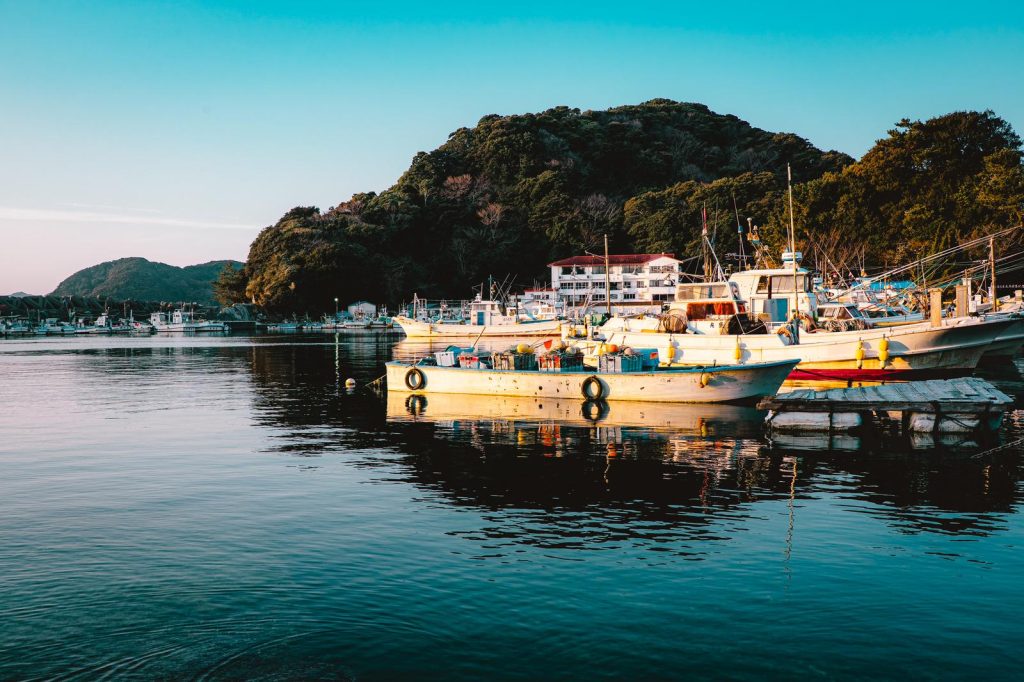
A typical island morning begins gently. The first light spreads across the horizon, illuminating the shoreline with soft hues. Fishermen set out quietly in small boats, their movements unhurried yet purposeful. Locals often greet the day with a brief walk along the beach or a stretching routine, greeting the sun with a sense of reverence rather than urgency. For Alex, following this rhythm meant rising earlier than he normally would in the city, not because of obligation, but to immerse himself in the unfolding day. The simple act of watching the sun rise, feeling the damp sand beneath his feet, and listening to waves meeting the shore became a sacred, grounding ritual.
After sunrise, mornings on the island often include quiet walks through villages or along coastal paths. These walks are not about speed or distance, but about presence. Alex learned to notice the details: the vibrant colors of tropical flowers, the intricate patterns of seashells scattered along the sand, the slow, deliberate movements of island birds. Walking became an exercise in mindfulness, each step an invitation to synchronize with the environment. Local residents, accustomed to this pace, moved with a relaxed awareness, demonstrating through their behavior that life need not be a constant rush. Alex began to emulate this rhythm, finding that the slower pace allowed him to perceive details he had previously overlooked and experience a profound sense of calm.
Meals on the island are another cornerstone of daily flow. Unlike hurried city breakfasts or pre-packed lunches, island meals are approached as rituals of enjoyment and connection. Alex often joined locals at small beachside cafes or communal tables, where meals were fresh, seasonal, and prepared with care. Eating slowly became an intentional practice: tasting each bite fully, noticing the interplay of flavors and textures, and savoring the companionship of those around him. Meals also served as opportunities to connect with others, not in a transactional or superficial manner, but through shared experience and presence. The act of eating became a meditation, reinforcing the unhurried rhythm of the island.
Afternoons on the island often involve engagement with nature or personal reflection. Alex spent hours kayaking along calm bays, snorkeling over vibrant reefs, or simply lying in a hammock beneath swaying palms. These activities are not framed by productivity or performance, but by immersion and observation. The island teaches patience: the coral reef reveals its beauty slowly, fish move at their own pace, and the tides rise and fall according to their natural schedule. By attuning to these rhythms, Alex found that he was learning an essential principle of island time: flow is not measured by how much is done, but by how deeply one engages with each moment.
Evenings, too, are infused with gentle rituals. As the sun begins its descent, the sky transforms into a canvas of fiery oranges and purples, mirrored by the calm sea. Locals often gather for communal gatherings, casual music sessions, or quiet conversation by the shore. Alex participated in one such evening, noting how dialogue unfolded without hurry, allowing for pauses, reflection, and laughter. The absence of urgent time constraints gave interactions depth and sincerity, teaching him that meaningful connection thrives when not rushed. Watching the sunset, feeling the cool breeze, and listening to waves lapping the shore became nightly ceremonies, framing the end of the day with gratitude and reflection.
One of the most important lessons Alex took from these rituals is the concept of intentional timing. Island life does not reject schedules entirely; rather, it aligns human activity with natural and social rhythms. This balance fosters a sense of freedom within structure: tasks are performed attentively, but without the stress of arbitrary deadlines. Alex realized that adopting even fragments of this approach in his urban life—morning stretches, mindful walking, savoring meals, and structured pauses—could replicate aspects of the island’s restorative flow. These practices help the mind shift from a state of reactive urgency to proactive calm, cultivating mental space for creativity and reflection.
Travelers can adopt island rituals in simple, practical ways. Starting the day with a moment of stillness and observation, enjoying food without distraction, and scheduling unhurried engagement with nature are all transferable practices. Even within cities, one can create micro-rituals—walking slowly to a café, taking note of the changing light across a window, or breathing fully during a commute. Alex found that by intentionally observing these small acts, he could carry the essence of island time with him, creating a personal rhythm that balanced responsibility with presence, movement with stillness.
Ultimately, the daily flow of island life is an invitation to perceive the ordinary as extraordinary. Every step, wave, meal, and conversation becomes a thread in the tapestry of lived experience, woven with intention and awareness. For Alex, these rituals were not merely activities; they were lessons in how to live, lessons in slowing down to see, feel, and participate fully in the ongoing rhythm of life. Each day ended not in exhaustion but in satisfaction, not in hurry but in harmony, demonstrating that the true value of island time lies not in the speed of life but in its depth.
Human Connection in Slow Motion
On the island, time flows differently, and with it, human interactions gain a depth often missing in the rapid pace of city life. For Alex, the most striking aspect of island time was not only the slower rhythm of daily activities but the way this rhythm reshaped relationships. Conversations were no longer rushed exchanges; they became meaningful engagements where listening was as important as speaking. The island environment encouraged presence, patience, and genuine curiosity—qualities that allowed connections to flourish in a way Alex had rarely experienced.
One afternoon, Alex visited a small market where local artisans displayed handcrafted goods. Initially, he approached with the hurried mindset of a tourist, glancing at items and preparing to make quick purchases. However, he quickly realized that the vendors operated on a different timetable. They greeted each visitor warmly, sharing stories of their craft, family, and island traditions. There was no urgency, no invisible clock dictating the pace of interaction. Alex found himself drawn into conversations, asking questions, listening intently, and truly appreciating the person behind each creation. This slow approach fostered a sense of intimacy and mutual respect that is hard to cultivate in fast-paced environments.
Island time encourages what might be called “slow presence,” a state of attentive engagement with others. Alex noticed that even casual greetings or shared laughter carried a weight of authenticity. People were not distracted by multitasking or looming deadlines; they were fully invested in the moment. A simple conversation over a cup of coffee could stretch into an hour, filled with observation, reflection, and genuine exchange. This slowing down allowed relationships to deepen naturally, without force or expectation, highlighting the profound human need for attentive presence.
Meals and communal gatherings further exemplified the power of slow connection. Alex often joined local families for evening dinners, where sharing food was intertwined with storytelling, music, and laughter. Unlike the structured, hurried dinners he remembered from urban life, these meals were leisurely, allowing participants to savor flavors, enjoy the company, and engage in meaningful dialogue. Every pause, every smile, and every moment of attentive listening contributed to a sense of belonging and trust. Island time had transformed simple social interactions into rituals of human connection, demonstrating that the quality of attention often outweighs the quantity of conversation.
Another key lesson Alex observed was the role of patience in fostering empathy. When someone shared a story or expressed a concern, the unhurried rhythm provided the space to respond thoughtfully. Unlike in fast-paced environments, where replies are often rushed or superficial, island interactions allowed for reflection. People listened not just to respond but to understand, to feel alongside each other, and to cultivate compassion. This slow approach nurtured deeper emotional bonds, strengthening both individual and community relationships. Alex realized that true understanding requires time—time to observe, to absorb, and to resonate with another’s experience.
The island also illustrated the beauty of non-verbal connection. Moments of shared silence, watching the sunset or listening to waves, were as meaningful as spoken words. Alex learned that being physically present, attentive to subtle cues, and respectful of pauses could communicate empathy and solidarity more powerfully than any hurried conversation. This form of slow interaction reinforced the idea that human connection is not solely about dialogue but about shared presence and mutual awareness. Even a quiet gesture, such as offering help or sharing a simple smile, carried profound significance when unhurried and genuine.
For travelers, adopting this approach requires unlearning the habitual rush and embracing patience and mindfulness. Alex practiced slowing his pace during interactions: he listened more attentively, refrained from interrupting, and allowed conversations to unfold naturally. He discovered that this not only enriched his connections with locals but also enhanced his own sense of fulfillment. The island’s slow social rhythm encouraged him to be present not only with others but also with himself, creating a balance between engagement and introspection.
Moreover, island time highlighted the interdependence between environment and social behavior. The gentle pace of life, dictated by tides, sunrise, and the natural rhythm of the island, mirrored the pace of interactions. Residents, attuned to the ebb and flow of their surroundings, exhibited patience and attentiveness as an extension of their environment. Alex understood that human connection thrives when individuals align themselves with the rhythm of life around them, responding to moments with care rather than haste.
In essence, slow motion on the island does not imply inactivity or isolation; it fosters connection, trust, and understanding. Alex found that the absence of urgency allowed conversations to deepen, relationships to strengthen, and empathy to expand. The island provided a living example of how time, when respected and unhurried, becomes a catalyst for meaningful human interaction. By embracing this rhythm, he discovered a model for social life that could be transplanted into his own world: one where listening, presence, and patience are as valued as efficiency and productivity.
Ultimately, island time teaches that the true richness of life lies not in how quickly we move through it, but in how fully we connect with those around us. Alex left the island carrying this lesson: the art of slow connection, the cultivation of attentive presence, and the beauty of shared silence would forever shape how he engaged with people, both in travel and in daily life. Through island rituals and the gentle flow of time, he understood that human bonds, nurtured without haste, are among the most enduring treasures of existence.
Lessons for Modern Life
When Alex returned from his island journey, he carried with him more than souvenirs or photographs. He brought back a rhythm, a philosophy, and a set of practices that profoundly altered the way he approached his urban existence. “Island time,” once a poetic phrase heard in travel brochures, had become for him a lived reality—a perspective that reshaped his relationship to work, technology, relationships, and the very concept of productivity. The challenge now was to integrate these lessons into a world that seemed to demand speed, efficiency, and constant connectivity.
Reframing Time as a Flow, Not a Commodity
In the city, time is often treated like money: it is budgeted, spent, saved, and wasted. Every minute is accounted for, scheduled into meetings, tasks, and deadlines. The island experience revealed a radically different perspective: time as flow. It was not something to control but something to join, much like stepping into a river. This shift was not about abandoning responsibilities, but about loosening the grip of rigid measurement. Alex began to treat time as something to be aligned with rather than dominated by. He learned to ask not, “How much can I fit into this hour?” but “What rhythm best supports this moment?”
The practical application of this idea meant resisting the urge to over-schedule. Instead of filling every moment with obligations, Alex created spaces of openness—periods of unscheduled time to simply be, reflect, or follow curiosity. This flexibility reduced stress and allowed him to approach tasks with greater creativity and presence.
The Power of the Pause
One of the most valuable gifts of island time was the pause. Whether it was watching the tide roll in or listening to the wind through the palms, Alex noticed that life was punctuated by natural intervals. These pauses were not empty; they were filled with reflection, awareness, and quiet restoration.
In modern life, inserting pauses can counterbalance the relentless acceleration of schedules. Alex adopted simple rituals: pausing before responding to an email, taking a breath before entering a meeting, or sitting in silence for a few minutes between tasks. These moments of intentional stillness prevented burnout and reminded him that action is most effective when it emerges from calm rather than haste.
Digital Detachment and Reconnection
On the island, Alex’s phone had little reception, and his reliance on constant updates diminished quickly. What began as a frustration became a liberation. Without the constant buzz of notifications, he rediscovered the texture of uninterrupted time.
Back in the city, he couldn’t replicate the island’s isolation, but he could consciously recreate its digital silence. He began practicing “digital sabbaths”—designated times each week when he turned off devices and engaged fully in analog life. He noticed that these breaks not only restored focus but deepened relationships. Meals with friends became richer, walks through the park more vivid, and even solo moments more nourishing. By reclaiming his attention from constant distraction, he reestablished a sense of spaciousness in his days.
Resisting the Cult of Urgency
Urban environments often glorify urgency: the quick reply, the immediate solution, the constant hustle. But on the island, Alex experienced the wisdom of patience. Tasks unfolded when conditions aligned, conversations lingered until they reached natural conclusions, and rushing was rare.
He brought this into his modern life by questioning urgency itself. Was every request truly as immediate as it seemed? Did every problem demand instant resolution? By creating a buffer of reflection, Alex found he could make better decisions, reduce errors, and respond with greater thoughtfulness. Ironically, slowing down often made him more effective, not less.
Integrating Island Rituals into Urban Days
Alex began to weave small island-inspired rituals into his daily routine. Each morning, instead of rushing into emails or news, he opened a window, let in fresh air, and simply observed the light. During lunch, he took time to savor flavors rather than eating while multitasking. In the evening, he adopted the habit of slow walks without headphones, allowing the rhythm of his steps to ground him.
These simple rituals acted as anchors, connecting him back to the flow he had experienced by the sea. They required no dramatic life changes, only intentional awareness. And yet, their effect was transformative: the day no longer felt like a race but like a sequence of moments to be experienced fully.
Redefining Productivity
Perhaps the most radical shift was how Alex redefined productivity. In his city life, productivity had been measured by output: how many tasks completed, how many goals achieved. On the island, productivity seemed to mean harmony: a day well-lived, relationships nurtured, balance maintained.
He began to measure productivity not just by quantity but by quality. A conversation that deepened trust, a creative idea born from stillness, or an hour spent fully present with a loved one became markers of success. This redefinition freed him from the endless chase of “doing more” and replaced it with the more sustainable pursuit of “living well.”
Embracing Impermanence and Flexibility
The tides, weather, and rhythms of the island taught Alex that life is fluid. Plans change, conditions shift, and flexibility is essential. Instead of resisting unpredictability, islanders embraced it with grace.
Alex carried this into his urban context by practicing adaptability. When plans were disrupted, instead of frustration, he sought opportunity. When unexpected delays occurred, he used them as moments for reflection rather than resentment. This flexibility not only reduced stress but also allowed him to flow with life’s natural unpredictability, echoing the very essence of island time.
A New Compass for Urban Living
For Alex, the greatest lesson was that island time was not a location-bound phenomenon but a state of mind. It could be practiced anywhere—even amidst the skyscrapers, deadlines, and commutes of city life. It required courage to resist cultural pressures of speed and efficiency, but the rewards were profound: greater presence, deeper relationships, reduced stress, and a sense of alignment with the rhythms of life itself.
He realized that modern life doesn’t need to be abandoned to embrace island time; it simply needs to be rebalanced. By creating pauses, reclaiming attention, and honoring the flow of moments, anyone can carry the spirit of the island into their daily existence. Island time, then, is not about slowing everything down for the sake of slowness. It is about aligning with life’s natural cadence, rediscovering the value of presence, and learning to live with gentleness in a hurried world.
Alex knew he could never fully recreate the quiet beach sunrise or the unhurried village markets of the island. But he didn’t need to. The essence of island time had already been woven into his perception, guiding his steps with patience, grounding his relationships with presence, and reminding him that life is richest when lived not at full speed, but at full depth.
Closing Reflection: Embracing the Flow
When Alex stood once more in the heart of the city, the memory of the sunrise over the island beach remained vivid, like a compass quietly pointing him toward a gentler rhythm. The sound of the waves no longer echoed in his ears, yet their cadence lived within him. The rustle of palm leaves had been replaced by the hum of traffic, but he no longer felt rushed in the same way. He carried the island’s lesson in his very breathing: to move at a pace that honors life rather than overwhelms it.
The journey into island time was never about escaping the world. It was about learning to live within it differently. The island had not erased responsibilities, technology, or the fast currents of modern existence. Instead, it had reminded him of something older, something deeper: that beneath all the noise, there is always a steady tide of presence waiting to be felt.
The Gift of Slowness
To embrace island time is to acknowledge that slowness is not weakness but wisdom. In the measured rhythm of the waves, Alex had learned that stillness and patience are not pauses from life but essential parts of it. Just as the tide ebbs and flows, so too does the human spirit require movement and rest, effort and release.
The Quiet Courage of Presence
It also requires courage to resist the pressure to rush, to allow conversations to linger, to savor meals instead of consuming them quickly, to pause before responding. In choosing presence over speed, Alex discovered a form of strength not celebrated in cities: the ability to honor the moment. Each small act of awareness became a quiet blessing, each mindful breath an affirmation that life was not meant to be hurried past but to be lived through.
The Universal Tide
Though Alex’s story began on a quiet beach, the essence of island time belongs to no single place. It is universal, available wherever one is willing to listen. It exists in the stillness of early morning light falling across a desk, in the laughter shared slowly with a friend, in the silence between notes of music, and even in the pause before sending a message. Island time is not a destination; it is a way of being.
A Philosophy for Modern Living
For those caught in the rush of deadlines and the pull of endless notifications, island time offers a gentle recalibration. It reminds us that productivity is not measured solely by what we produce but also by how deeply we live. It shows us that connections thrive not through speed but through presence, and that well-being flourishes not in constant motion but in rhythms of balance.
Alex had once thought of his island trip as a vacation, a temporary escape. But he came to see it differently: it was an initiation into another way of inhabiting life. And though he returned to the city, he never truly left the island, for its rhythm had entered his heart.
QuietTether Philosophy
“To step into island time is not to escape life, but to embrace it more fully.
In slowing down, we hear, we see, and we feel the currents of our own rhythm,
discovering clarity in every gentle wave.”