🌱 Introduction
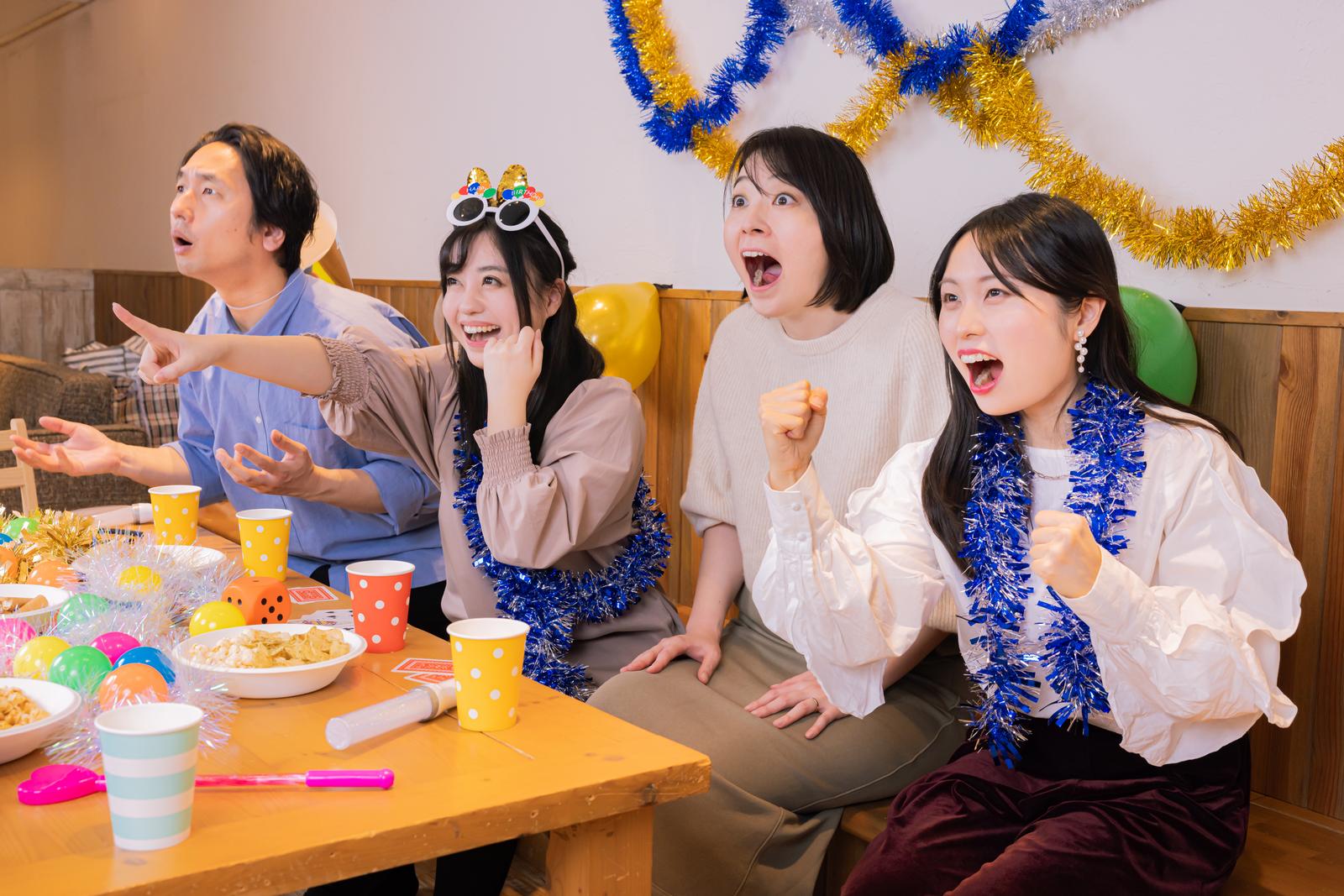
Imagine two strong rivals about to face each other in a big match.
Someone watching might say:
“Now this will be interesting.”
“This is something worth watching.”
“This should be good.”
In Japanese, there’s a natural expression for this kind of anticipation:
これは見ものだ
It’s often used when something promises to be exciting, dramatic, or entertaining to watch.
📝 Literal Meaning
- これ (kore) = this
- 見もの (mimono) = something worth seeing / spectacle
- だ (da) = is
Literal meaning:
“This is something worth seeing.”
The word 見もの refers to a sight or event that is especially interesting or entertaining.
💬 Natural English Equivalents
Depending on context, it can mean:
- “This should be interesting.”
- “Now this is worth watching.”
- “This will be a spectacle.”
- “I want to see how this turns out.”
The tone usually expresses curiosity or anticipation.
🎯 What It Really Expresses
これは見ものだ is used when something:
- Promises to be exciting
- Might turn dramatic
- Will likely be entertaining to observe
- Is worth paying attention to
Sometimes it carries a hint of spectator amusement, especially if the situation may become chaotic or surprising.
🗣 Real-Life Examples
1️⃣ Rivalry
あの二人が対決するの?これは見ものだ。
“They’re going to face each other? This should be interesting.”
→ Anticipating a dramatic outcome.
2️⃣ Unexpected Situation
新人がベテランに挑戦するらしい。これは見ものだ。
“I hear the rookie is challenging the veteran. This will be something to watch.”
→ Curious to see what happens.
3️⃣ Storytelling
この後どうなるか、これは見ものだ。
“What happens next should be interesting.”
→ Suspenseful expectation.
4️⃣ Entertainment Context
今夜の試合はこれは見ものだよ。
“Tonight’s match will be worth watching.”
→ Genuine excitement.
⚠️ Usage Notes
- Usually casual to neutral in tone
- Often used in conversation about events or competitions
- Can sound slightly playful or observational
Sometimes it implies the speaker is watching from the sidelines rather than participating.
🌸 Cultural Insight
Japanese often uses observational expressions when describing events.
これは見ものだ reflects the mindset of a spectator — someone watching a situation unfold.
It’s not just excitement; it can also carry a hint of:
- Curiosity
- Detached amusement
- Anticipation of drama
You’ll often hear it in commentary, storytelling, or when people expect an interesting outcome.
🔎 Quick Summary
これは見ものだ (Kore wa mimono da) means:
- “This will be interesting.”
- “This is worth watching.”
- “Now this should be good.”
It expresses anticipation for something entertaining or dramatic.
🌅 Closing Thoughts
Some moments in life feel like scenes from a movie.
When something exciting, unpredictable, or dramatic is about to happen, Japanese speakers might smile and say:
これは見ものだ。
Because sometimes the best role to have… is simply the audience.