Opening Story: Finding My Own Space
When I first arrived in Japan, I was both thrilled and anxious. The plane touched down at Narita Airport, and I stepped into a world that felt familiar yet profoundly different. The bustling streets of Tokyo seemed endless, lined with vending machines, convenience stores, and neon signs flashing in kanji and katakana. I had moved here for work, leaving behind my family and friends in Europe, eager to embrace a new culture but aware that living alone in a foreign country would be a true test of independence.
My first apartment was a small one-room unit, no larger than a typical hotel room. The bed fit snugly against the wall, a compact kitchenette hugged the corner, and a tiny desk served as both workspace and dining table. At first, the room felt almost claustrophobic, and I questioned whether I could truly live here for months, let alone years. But there was something undeniably charming about the space: the efficiency of the design, the clever use of vertical storage, and the subtle warmth of natural light filtering through the sliding window each morning.
Adjusting to daily life proved to be a greater challenge than I had anticipated. Japanese apartments have strict rules for garbage disposal, which initially left me confused and embarrassed as I sorted burnable and non-burnable items into different bags and bins. Grocery shopping was another adventure; I had to learn the layout of the local supermarket and figure out which pre-packaged meals were suitable for one person. Even paying bills required a learning curve, with convenience store payments and automatic bank transfers replacing the straightforward systems I was used to back home.
Yet, as the days passed, I discovered the hidden joys of solo living in Japan. Convenience stores stocked almost everything I could need, from fresh salads to hot meals, often at any hour of the day. Home delivery services allowed me to receive parcels and groceries without leaving my apartment, saving time and energy. I learned to appreciate the compact appliances designed for small spaces: my rice cooker doubled as a slow cooker, and my washing machine could handle both clothing and delicate fabrics with a simple dial.
Beyond practicality, I found ways to feel connected despite living alone. Greeting neighbors, joining a local language exchange group, and participating in a community cooking class helped me integrate into my neighborhood. I discovered small cafes where the baristas remembered my order, and public parks where I could watch cherry blossoms in spring or the fiery maples in autumn. Slowly, my apartment stopped feeling like a cramped space; it became my own sanctuary, a place where I could recharge, reflect, and live at my own pace.
What struck me most was the freedom that came with living alone. I could organize my days exactly how I wanted, cook meals that suited my taste, and create routines that reflected my personality rather than someone else’s expectations. Japan’s unique combination of convenience, safety, and cultural richness turned what initially felt like a challenge into an opportunity. Solo living became not a lonely experience, but a deeply fulfilling one, where every small moment—making coffee in the morning, folding laundry, watching the sunset from my window—contributed to a sense of ownership and comfort that I had never known before.
By the time I settled in, I realized that the true luxury of solo living was not the apartment itself, but the space it gave me to grow. Every corner of that tiny room reflected my life, my choices, and my freedom. And that, I understood, was a lesson Japan quietly teaches to everyone who dares to live alone here: comfort is not about size, but about how much of yourself you can bring into a space and call it home.
Choosing the Right Place to Live
Finding the right place to live in Japan is the first and arguably most important step for anyone planning to live solo. Unlike in many Western countries, where apartments can be spacious and often come with flexible lease terms, Japan’s housing market operates under its own unique logic, which requires careful navigation—especially for foreigners.
Urban vs. Rural Living
The first decision often comes down to location. Urban centers like Tokyo, Osaka, and Kyoto offer incredible convenience: public transportation is fast and punctual, supermarkets and convenience stores are abundant, and cultural events, restaurants, and nightlife are just a train ride away. However, this convenience comes at a price. Rent in central areas can be surprisingly high, particularly for foreign professionals on limited budgets. Small one-room apartments in Tokyo, for instance, can range from ¥100,000 to ¥250,000 per month, depending on proximity to a station and the building’s age.
In contrast, suburban or rural areas offer more space for less money, but at the cost of longer commutes and fewer amenities nearby. Living in a quiet town outside the city can provide a more relaxed lifestyle, larger living spaces, and closer contact with nature. However, it requires more planning around grocery shopping, public transportation, and social activities. For many solo residents, choosing between urban intensity and suburban comfort depends on work location, lifestyle priorities, and tolerance for travel.
Types of Solo-Living Apartments
Japanese apartments for one person typically come in several configurations:
- 1R (One Room): A single room that serves as both living and sleeping area, usually accompanied by a small kitchenette and bathroom. Perfect for minimalists or those prioritizing location over space.
- 1K (One Room + Kitchen): Similar to a 1R, but with a separate kitchen space, which can be more convenient for cooking.
- 1DK or 1LDK (Dining/Kitchen + Living): Slightly larger, offering more separation between living and dining spaces. Ideal for those who like hosting friends or need a dedicated workspace.
- Share Houses: Shared living arrangements where private rooms are complemented by communal kitchens and bathrooms. This option is increasingly popular among younger foreigners seeking social connection and lower costs.
Each type has advantages and trade-offs. One-room apartments maximize privacy but can feel cramped. Share houses provide social opportunities but require compromise and flexibility with others’ schedules and habits.
Key Considerations Beyond Size
While it’s tempting to focus solely on rent or square footage, comfort comes from several other factors:
- Proximity to Transit: In Japan, being near a train or subway station dramatically affects convenience. Even a slightly higher rent can be worth the reduced commute and easier access to stores and services.
- Storage Space: Japanese apartments are often compact. Investing in creative storage solutions, like vertical shelving or under-bed storage, can make a small space feel expansive.
- Sunlight and Ventilation: Natural light affects mood and health, so check window orientation and whether the unit receives morning or afternoon sun. Good airflow prevents mold in humid months.
- Noise Levels: Apartments near busy streets, train lines, or nightlife districts may be lively but noisy. Consider soundproofing or choosing higher floors for quiet.
- Neighborhood Vibe: Explore local surroundings. Is it safe? Are there supermarkets, convenience stores, and parks nearby? Visiting in the evening or on weekends can reveal the neighborhood’s true character.
Balancing Cost and Comfort
Ultimately, choosing a place is a balancing act between affordability, convenience, and lifestyle. Some may prioritize being steps away from the office or subway station, while others may prefer more space for hobbies, relaxation, or work-from-home setups. For foreign residents, understanding the nuances of Japanese leases—like key money (reikin), security deposits, and agency fees—is essential. While initial costs may seem daunting, a well-chosen apartment transforms solo living from a challenge into a comfortable, personalized experience.
By carefully considering location, apartment type, and neighborhood, newcomers can lay the foundation for a fulfilling solo life in Japan. A thoughtfully chosen home is more than just a place to sleep—it becomes the base from which independence, comfort, and a sense of belonging all grow.
Mastering Daily Life Logistics
Moving into your own place in Japan is exciting, but it also comes with a unique set of logistical challenges. From grocery shopping to garbage disposal, mastering the daily routines is key to feeling comfortable and independent as a solo resident. Understanding the systems in advance can prevent frustration and allow you to fully enjoy the convenience Japan offers.
Grocery Stores, Convenience Stores, and Drugstores
Japan is famous for its convenience, and nowhere is this more evident than in its abundance of stores. Convenience stores (Konbini) like 7-Eleven, Lawson, and FamilyMart are open 24/7 and offer everything from ready-to-eat meals and snacks to toiletries, bill payment services, and even shipping packages. For a solo dweller, these stores are lifesavers for quick meals, forgotten ingredients, or late-night needs.
Supermarkets, on the other hand, provide a wider variety of fresh produce, meats, and household items. Shopping strategies vary: some prefer frequent small trips for fresh ingredients, while others buy in bulk and use freezer storage. Many supermarkets offer discounts in the evening, especially for items nearing their expiration date, which can be a boon for budget-conscious residents.
Drugstores like Matsumoto Kiyoshi or Sun Drug carry a mix of personal care items, health products, and sometimes groceries. These stores often have weekly sales and loyalty cards, which can help manage expenses.
Garbage and Recycling Rules
One of the most common challenges for newcomers is understanding Japan’s strict waste management system. Garbage separation is not just a suggestion—it’s mandatory, and rules differ by city and sometimes by neighborhood. Typically, waste is divided into:
- Burnable (燃えるゴミ / Moeru gomi): Kitchen waste, paper towels, tissues.
- Non-burnable (燃えないゴミ / Moenai gomi): Metals, glass, ceramics.
- Recyclables (資源ゴミ / Shigen gomi): PET bottles, cans, paper, cardboard.
- Oversized trash (粗大ゴミ / Sodai gomi): Furniture, large appliances, which require scheduling a pickup and sometimes a fee.
Missed collection days or incorrect sorting can result in fines or delays. Many municipalities provide multilingual guides and even apps to track pickup schedules. Learning these rules early is essential for stress-free living.
Utilities and Payments
Setting up and managing utilities is another essential part of solo living. Most apartments include separate bills for electricity, gas, water, and internet. Key points to know:
- Electricity: Japan has two main power grids (east and west), so confirm which provider serves your area. Payments are often automated via bank transfer or convenience store.
- Gas: Used primarily for cooking and heating. Gas meters are typically read monthly, and bills can be paid at convenience stores.
- Water: Some apartments include water in the rent, while others bill separately. Check ahead to avoid surprises.
- Internet: High-speed internet is widely available, with options ranging from fiber to mobile Wi-Fi routers. Many providers require a one- or two-year contract.
- Rent Payment: Most landlords or agencies require bank transfer, sometimes automated. Late payments can result in fees, so setting up automatic payments is highly recommended.
Delivery and Cleaning Services
Japan excels in home convenience, making solo living remarkably efficient. Package delivery services are exceptional, with Takkyubin allowing you to ship goods across the country and even schedule delivery times. For residents who work long hours, having packages delivered to a convenience store for pickup is a common practice.
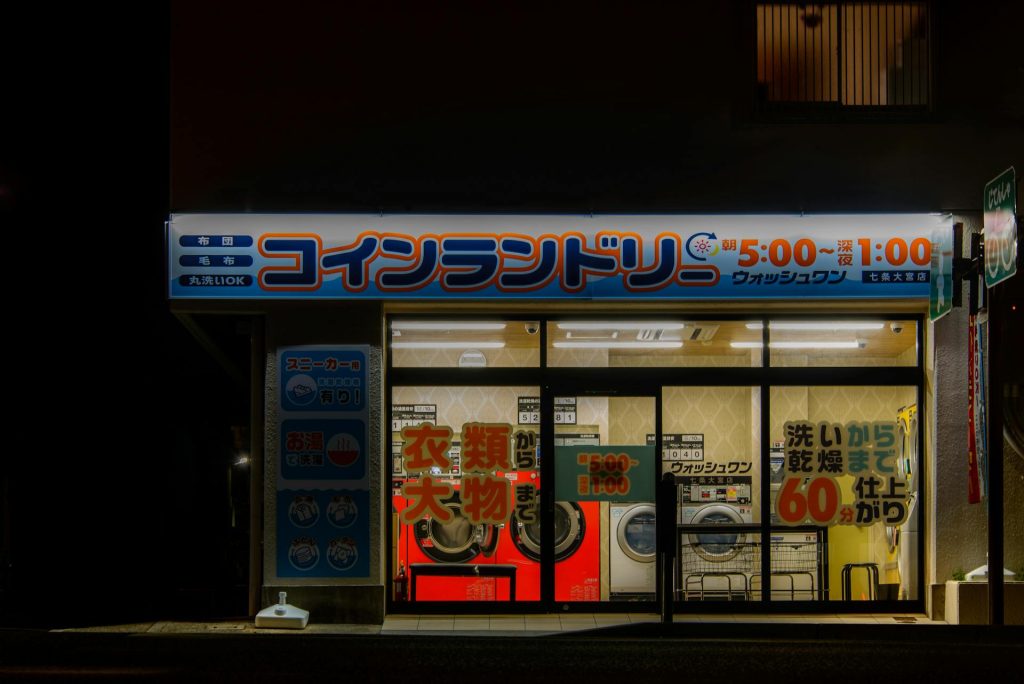
Housekeeping and laundry services, while optional, can be helpful. Coin laundries are widespread, and some apartments provide shared laundry facilities. Many residents also use cleaning services for periodic deep cleaning, which can save time and maintain a comfortable living space.
Mastering Daily Flow
The key to comfortable solo living is creating a routine that works for you. Plan your shopping trips around local garbage collection schedules, use convenience stores for urgent needs, and set up automated payments for utilities. These small but critical steps reduce stress and allow you to focus on the aspects of life that make your apartment feel like home.
By mastering these logistical elements, your home transforms from just a place to sleep into a fully functional, comfortable space. You’ll spend less energy worrying about daily chores and more energy enjoying the independence and freedom that solo living in Japan offers.
Furnishing and Personal Comfort
Living alone in Japan often means adapting to small spaces. Many apartments, especially in cities like Tokyo or Osaka, are compact. However, with thoughtful furnishing and clever use of storage, even a tiny apartment can feel spacious, comfortable, and uniquely yours. Creating a personal sanctuary in such a space is key to enjoying solo life.
Maximizing Small Spaces
Japanese apartments often emphasize efficiency. Rooms can be as small as 6–8 tatami mats (approximately 10–12 square meters), so maximizing space is critical. Key strategies include:
- Vertical storage: Shelves, wall hooks, and hanging organizers allow you to store items without occupying floor space.
- Multipurpose furniture: Folding tables, sofa beds, and stackable chairs make your living area flexible for work, relaxation, or dining.
- Compact appliances: Mini-fridges, microwave-oven combos, and portable induction cooktops save space while maintaining functionality.
Using mirrors and light colors can also visually enlarge a room. A well-placed mirror reflects natural light and makes a small space feel brighter and more open.
Essential Household Appliances
Certain appliances are almost mandatory for comfortable solo living:
- Refrigerator: Small to medium-sized models are sufficient for one person. Energy-efficient models save on electricity bills.
- Washing machine: Many apartments provide space for a compact washing machine, or you can use shared laundry facilities. A combination washer-dryer is ideal in apartments without space for outdoor drying.
- Microwave and rice cooker: Staples in Japanese kitchens, they allow easy meal preparation. Rice cookers are multifunctional and can cook grains, steam vegetables, or even prepare simple desserts.
- Kettle or hot water dispenser: Essential for tea, instant noodles, and coffee.
Choosing appliances that suit your lifestyle is more important than having a full array of gadgets. Quality over quantity ensures your space remains uncluttered.
Comfort in Daily Life
Beyond functional furniture and appliances, comfort comes from personalizing your space:
- Sleeping area: A good mattress or futon ensures restful sleep. Japanese futons are flexible, allowing you to store them away during the day to create more floor space.
- Work/study space: Even a small desk with ergonomic seating can make a huge difference if you work from home. Adequate lighting, preferably natural light, enhances productivity and mood.
- Lighting: Soft, layered lighting creates warmth and avoids the harsh glare of ceiling lights. Desk lamps, floor lamps, or string lights can make your apartment feel cozy.
- Decor and personal touches: Plants, artwork, and personal items make the apartment feel like home. Even small details like a colorful rug or cushions can transform the atmosphere.
Japanese Convenience Items
Japan is renowned for compact and innovative living solutions:
- Stackable bento boxes and storage containers help organize kitchen spaces.
- Hanging racks for clothes or kitchen tools maximize vertical space.
- Foldable furniture allows flexibility in small rooms.
- Multipurpose organizers for bathroom or closet areas help reduce clutter and keep things tidy.
These items are inexpensive, widely available, and often specifically designed for small apartments, making them perfect for solo residents.
Creating Your Personal Sanctuary
Ultimately, your apartment should reflect your lifestyle and personality. Efficient storage, practical appliances, and thoughtful decor can transform a small living space into a comfortable, inviting home. By prioritizing comfort and functionality, your apartment becomes more than just a place to sleep—it becomes a personal haven where you can relax, work, and enjoy your solo life in Japan.
Cooking and Eating Alone
Living alone in Japan presents a unique opportunity to explore your personal culinary habits. While the convenience of ready-made meals and restaurants is tempting, learning to cook for yourself—even in a small kitchen—can improve both your health and your quality of life. Eating alone doesn’t have to be lonely or monotonous; with a few strategies, it can become a rewarding part of your solo lifestyle.
Cooking in a Small Kitchen
Most one-person apartments have compact kitchens, often equipped with a single-burner stove or induction cooktop, a small sink, and limited counter space. Here are some tips to make cooking in a small kitchen manageable:
- Plan simple meals: Focus on 1–2 dishes per cooking session to reduce clutter and cleanup.
- Use multi-functional appliances: Rice cookers, microwaves, and small electric grills can prepare a variety of meals without occupying much space.
- Prep efficiently: Cut vegetables and portion ingredients in advance to make daily cooking faster.
- Use vertical storage: Hanging racks or magnetic strips for knives and utensils save counter space.
Even with minimal equipment, you can prepare nutritious, balanced meals by combining grains, proteins, and vegetables in simple ways.
Buying the Right Ingredients
Shopping for one person requires careful selection to avoid waste:
- Smaller portions: Japanese supermarkets sell many ingredients in single-serving or small quantities, perfect for solo residents.
- Frozen and packaged foods: Frozen vegetables, meat, and seafood extend shelf life and reduce food waste. Pre-packaged tofu, fish fillets, or dumplings are convenient options.
- Convenience stores (konbini): Surprisingly versatile, konbini offer ready-to-eat meals, salads, and snacks suitable for one person. They can complement your cooking, especially on busy days.
Being creative with these options allows you to mix convenience and fresh cooking without sacrificing nutrition or flavor.
Simple Cooking Techniques
Even simple techniques can elevate your solo meals:
- Stir-frying and sautéing: Quick and easy, perfect for vegetables, tofu, and small portions of meat.
- One-pot meals: Soups, stews, or curry can be cooked in a single pot, saving time and cleaning effort.
- Batch cooking: Prepare a larger quantity and refrigerate or freeze portions for later. This reduces daily cooking stress.
Experimenting with Japanese ingredients such as miso, soy sauce, mirin, and dashi can also make your dishes more authentic and flavorful.
Eating Alone: Enjoyment and Mindfulness
Eating alone doesn’t have to feel lonely. Many solo residents find joy in turning meals into a mindful experience:
- Set a pleasant table: Even a small tray, placemat, or a favorite cup can enhance your dining experience.
- Rotate meals: Vary your dishes to keep mealtimes interesting.
- Include small treats: A piece of fruit, dessert, or a cup of tea can make meals feel special.
- Mindful eating: Focus on flavors, textures, and aromas to enjoy your meal fully.
Creating small rituals around eating alone can turn a simple meal into a moment of comfort and self-care.
Dining Out or Takeout
Japan offers many options for enjoying food without cooking:
- Local eateries: Small restaurants, izakayas, and noodle shops often welcome solo diners. Many have counter seating, perfect for one person.
- Takeout and delivery: Bento boxes, sushi, and convenience store meals make it easy to enjoy diverse cuisine at home.
- Exploring flavors: Use dining out as an opportunity to try regional specialties or seasonal dishes.
Balancing home cooking with occasional dining out allows you to enjoy variety and convenience without breaking the budget.
Making Mealtime Enjoyable
Even if you live alone, mealtime can be social in spirit:
- Invite friends occasionally: Sharing a meal with others can break isolation.
- Online communities: Join cooking forums or social media groups to exchange recipes and ideas.
- Self-care through cooking: Preparing food for yourself can be a creative and relaxing activity.
By approaching cooking and eating with curiosity and care, solo living in Japan becomes a culinary adventure rather than a chore.
Building Community Without a Crowd
Living alone in Japan doesn’t mean living in isolation. While solo residents enjoy privacy and independence, building a sense of community can significantly enhance comfort, safety, and emotional well-being. For foreigners, integrating into local networks may seem challenging, but with small steps, it becomes achievable.
Connecting with Neighbors
Even in urban areas, friendly relationships with neighbors can make solo living more enjoyable:
- Greetings matter: A simple “こんにちは (Konnichiwa)” or “おはようございます (Ohayou gozaimasu)” goes a long way in showing respect and openness.
- Observe and participate: Attend building meetings, seasonal cleaning events, or small communal activities organized by your apartment complex.
- Small gestures: Offering a smile, helping with a package, or exchanging seasonal gifts can foster trust and warmth.
These interactions are often subtle in Japan but create a sense of belonging over time.
Local Events and Community Groups
Japan has numerous community-driven events that invite participation:
- Neighborhood festivals (Matsuri): Local festivals are a great way to experience culture and meet people casually.
- Hobby clubs and classes: Activities such as tea ceremony, calligraphy, hiking, or language exchange provide structured ways to meet like-minded people.
- Volunteering opportunities: Community clean-ups, charity events, or cultural workshops allow meaningful contributions while meeting locals.
Participating gradually helps establish social ties without overwhelming a solo resident.
Co-Living and Shared Spaces
For those seeking more social interaction, shared housing offers opportunities:
- Share houses (Shea hausu): These spaces provide private rooms with communal kitchens, lounges, and social activities.
- Guesthouses and hostels: Often provide social events and opportunities to meet both Japanese and international residents.
- Coworking spaces: Ideal for remote workers, offering a community vibe while working independently.
Shared living and working spaces can bridge the gap between privacy and social engagement.
Language and Cultural Exchange
Learning Japanese and engaging in cultural exchange are powerful tools for building community:
- Language practice: Local language schools, conversation cafes, or online tandem partners help improve communication skills.
- Cultural curiosity: Showing interest in local customs, festivals, and daily life earns respect and encourages reciprocity.
- Mutual learning: Sharing your own culture while learning Japanese culture fosters meaningful, two-way connections.
Even a basic grasp of the language demonstrates effort, helping to reduce social barriers.
Maintaining Balance
Building community doesn’t mean constant socialization; it’s about quality, not quantity:
- Respect your personal space: Engage in community activities at your comfort level.
- Micro-interactions: Small daily connections—like chatting with a shopkeeper—can be as fulfilling as formal social events.
- Avoid social pressure: Focus on mutual respect and enjoyment rather than obligation.
This approach allows solo residents to cultivate support networks while preserving the independence that makes solo living enjoyable.
Social Well-Being Benefits
Engaging with the community enhances mental health and overall satisfaction:
- Reduces loneliness: Even minor interactions can improve mood and reduce feelings of isolation.
- Builds safety nets: Knowing neighbors or local contacts provides reassurance in emergencies.
- Enhances cultural immersion: Personal connections create a deeper understanding of Japanese society beyond tourist experiences.
Through small, consistent efforts, community becomes a source of comfort rather than a demand on time or energy.
Mental Health and Solo Well-Being
Living alone in Japan offers freedom and independence, but it also brings unique mental health challenges. Solo residents may experience loneliness, stress, or cultural adjustment issues, particularly when navigating a foreign environment. Being proactive about well-being is essential for making solo living not only comfortable but also fulfilling.
Understanding the Emotional Landscape
Living alone often triggers a mix of emotions:
- Freedom and autonomy: Enjoying control over your schedule, space, and daily choices.
- Loneliness: Periods without interaction can feel heavy, especially during holidays or weekends.
- Cultural adjustment stress: Navigating new customs, language barriers, and societal expectations can be mentally taxing.
Recognizing these emotional dynamics is the first step toward managing them effectively.
Daily Habits for Mental Health
Small, intentional habits can significantly improve well-being:
- Structured routines: Consistent wake-up, meal, and sleep times create stability.
- Physical activity: Walking, cycling, or light exercise not only keeps the body healthy but also reduces stress.
- Mindful breaks: Taking time for tea, reading, or quiet reflection helps center the mind.
- Journaling: Recording thoughts, experiences, and gratitude reinforces self-awareness and emotional balance.
Daily rituals can transform solo living from potentially isolating to enriching.
Social and Recreational Engagement
Even minimal social engagement has mental health benefits:
- Cafes and co-working spaces: Casual interactions with familiar faces can provide connection without commitment.
- Hobbies and creative outlets: Music, art, cooking, or gaming offer both relaxation and a sense of achievement.
- Language exchange or cultural classes: Combining social interaction with skill-building helps combat isolation while enhancing integration.
These activities support emotional well-being while respecting personal autonomy.
Coping with Stress and Loneliness
Challenging days are natural. Effective coping strategies include:
- Mindfulness and meditation: Short daily sessions reduce anxiety and increase focus.
- Nature exposure: Visiting parks, riversides, or gardens can be restorative.
- Professional support: Accessing mental health professionals, counselors, or online support platforms if stress becomes overwhelming.
- Community connection: Even digital communities or interest-based online groups can reduce feelings of isolation.
These methods help solo residents maintain emotional resilience.
Designing Your Own Comfort Space
Your home should serve as a sanctuary:
- Personalized environment: Arrange furniture, lighting, and decor to reflect your personality.
- Dedicated zones: Separate work, rest, and leisure areas for mental clarity.
- Sensory comfort: Soft lighting, scents, and cozy textiles can enhance relaxation.
A well-designed home supports mental health by providing safety, comfort, and personal expression.
Embracing the Benefits of Solo Living
Living alone, when balanced with intentional mental health practices, offers unique advantages:
- Self-discovery: Time alone fosters self-awareness and confidence.
- Autonomy: Making choices for yourself cultivates independence and problem-solving skills.
- Freedom to grow: Solo living allows exploration of interests, routines, and cultural experiences at your own pace.
Rather than viewing solitude as a deficit, embracing it as a chance for personal growth enhances both mental and emotional well-being.
Practical Tips for a Comfortable Solo Life
Living alone in Japan can be deeply rewarding if approached with intentional strategies. These practical tips help create a life that is not only efficient but also comfortable, emotionally supportive, and culturally attuned.
Establish a Consistent Daily Rhythm
Consistency provides structure, reduces stress, and fosters productivity:
- Set regular wake-up and sleep times: Even small deviations can affect energy and mood.
- Plan meals: Preparing a rough schedule for meals prevents over-reliance on convenience foods.
- Allocate time for work and leisure: Avoid blurring boundaries between tasks and relaxation.
A predictable routine creates a sense of control, which is crucial for solo living.
Efficient Shopping and Meal Planning
Efficiency in daily logistics maximizes comfort:
- Batch shopping: Buy groceries in bulk when possible to minimize trips.
- Utilize convenience stores and local markets: Japanese convenience stores offer healthy and affordable options for quick meals.
- Leverage delivery services: Amazon, Rakuten, and local meal delivery services save time and reduce stress.
- Plan meals for variety and nutrition: Even simple rotations of meals can prevent monotony.
Organized shopping and meal planning allow you to focus on enjoying your time at home rather than scrambling for essentials.
Create a Comfortable and Personal Space
Your home should reflect your personality while promoting comfort:
- Declutter regularly: Avoid overcrowding small spaces by keeping only what is essential.
- Use multifunctional furniture: Foldable tables, storage beds, and modular shelving optimize space.
- Incorporate personal touches: Photos, artwork, or favorite colors create a welcoming environment.
- Optimize lighting: Layered lighting (ambient, task, and accent) enhances mood and usability.
A personalized and functional space encourages relaxation, creativity, and a sense of ownership.
Build Small Routines for Stability
Routines provide comfort and predictability:
- Morning ritual: Light stretching, tea, or journaling can set a positive tone for the day.
- Evening wind-down: Reading, meditation, or calming music helps signal rest time.
- Weekly organization: A short weekly check of bills, laundry, and home maintenance prevents last-minute stress.
These micro-routines reduce mental clutter and reinforce a sense of control.
Social Interaction Without Overload
Even living alone, connection matters:
- Friendly greetings: Regularly greeting neighbors or shop staff fosters light social bonds.
- Join hobby groups: Activities like yoga, cooking classes, or photography clubs allow casual interaction.
- Use online communities: Digital forums and social apps help maintain relationships with friends back home and connect with locals.
Balanced social engagement prevents loneliness without infringing on personal freedom.
Health and Wellness Practices
Maintaining mental and physical well-being enhances solo living:
- Exercise regularly: Walking, cycling, or home workouts keep energy levels high.
- Mindful breaks: Short periods of meditation or quiet reflection reduce stress.
- Monitor mental health: Journaling, therapy, or support groups help manage isolation.
- Prioritize sleep and nutrition: Consistent sleep and balanced meals support long-term health.
A holistic approach ensures that independence does not come at the cost of health.
Embrace Japanese Convenience and Cultural Resources
Japan offers unique systems that make solo living easier:
- Home delivery services: From groceries to laundry, deliveries simplify daily tasks.
- Compact appliances and furniture: Efficiently designed items maximize limited space.
- Community centers and public libraries: Affordable venues for learning, socializing, and leisure.
- Public transportation and walkability: Many urban areas allow independent mobility without a car.
Leveraging these conveniences allows you to enjoy the benefits of solo life without unnecessary stress.
Mindset: Autonomy as Empowerment
The final tip is attitudinal:
- View solo living as empowerment, not isolation: Every challenge is an opportunity for self-reliance.
- Celebrate small wins: Successfully navigating grocery shopping, bills, or social interactions builds confidence.
- Prioritize comfort over perfection: It’s better to have a slightly messy but cozy home than an immaculate but stressful environment.
- Stay curious: Explore neighborhoods, cultural practices, and local cuisine to enrich daily life.
An empowered mindset turns solo living into a journey of personal growth, discovery, and fulfillment.
Closing Reflection: Your Solo Life, Your Comfort
Living alone in Japan is more than just managing a space—it is an invitation to cultivate freedom, mindfulness, and authenticity. From navigating compact apartments to embracing local conveniences, solo living challenges you to design a life that truly fits your needs, pace, and personality.
At first, the experience may feel daunting. Narrow corridors, unfamiliar appliances, and cultural nuances might create uncertainty. Yet, as you learn to leverage Japan’s unique systems—convenience stores that operate 24/7, meticulous delivery services, highly organized public transportation—you gradually discover a rhythm that works for you. Small routines, like morning stretches, planned meals, and mindful evenings, transform a simple apartment into a sanctuary of comfort.
Beyond physical space, solo living nurtures emotional independence. You learn to enjoy your own company, manage stress without external reliance, and create small pockets of joy in everyday tasks. Social connections, while not mandatory, become richer because you engage intentionally—with neighbors, hobby groups, or online communities—rather than out of obligation. Every interaction and decision, from grocery shopping to home decoration, is a conscious expression of your autonomy.
Moreover, solo living teaches an invaluable lesson: comfort and happiness are often found in the subtle details. The warm light filtering through a shoji window, the efficiency of a compact rice cooker, the satisfaction of a homemade meal for one—these moments remind you that fulfillment is not about grandeur but about attunement to your surroundings and needs.
In essence, living alone in Japan allows you to craft a life that balances independence with connectivity, efficiency with personal comfort, and routine with discovery. It is a space where you are free to define your own standards of well-being, explore your interests, and experience life at your pace.
QuietTether encapsulates this philosophy beautifully:
“Solo living is not loneliness. It is the art of creating a space that feels entirely your own.”
By embracing this approach, you turn a simple apartment into a sanctuary, a city into a canvas for exploration, and solo life into a journey of self-discovery, comfort, and freedom.