Opening Story: Rain Against Wooden Eaves
When Jonathan, a traveler from Europe, first decided to spend a year in Japan, he imagined temples, cherry blossoms, bustling train stations, and lantern-lit alleys. What he did not imagine was that one of his most profound memories would be shaped not by a festival or a famous landmark, but by something far more ordinary: the sound of rain.
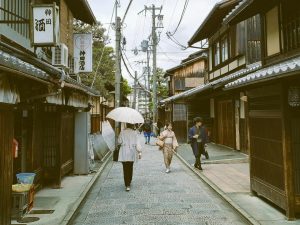
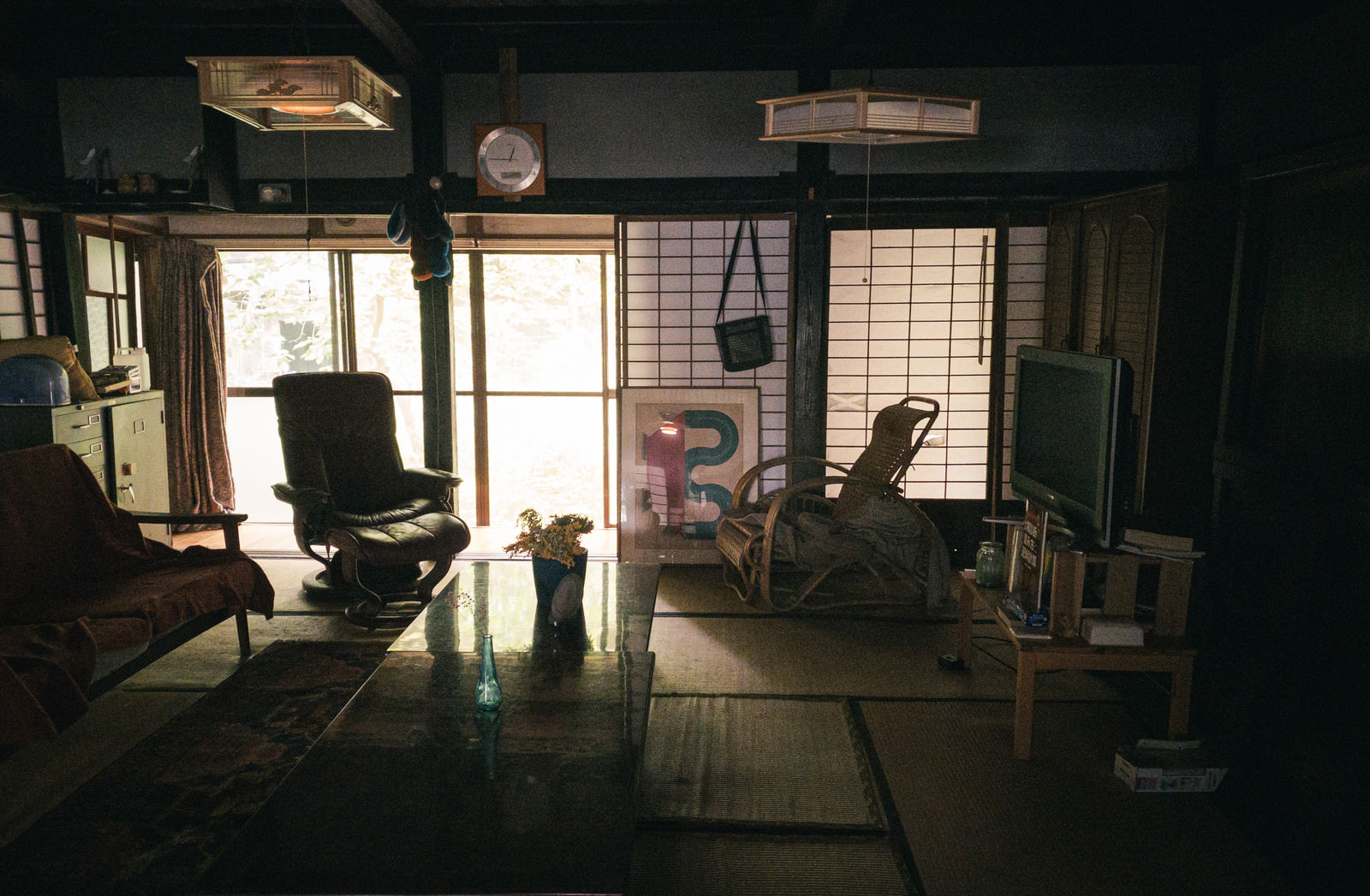
One summer evening in Kyoto, he checked into a machiya, an old wooden townhouse lovingly preserved with sliding shōji doors, tatami-matted rooms, and a narrow inner garden that connected the home to the earth in quiet intimacy. The host apologized for the weather forecast, warning that rain would likely last through the night. Jonathan, accustomed to rain in London, nodded politely, assuming it would be a minor inconvenience.
As dusk fell, the sky darkened, and the first drops began to fall on the tiled roof. At first, the sound was sparse—like fingers drumming lightly on a table. Soon, however, the rain thickened into a steady rhythm, striking the curved kawara roof tiles with a rich resonance, trickling along wooden eaves, and tapping onto the stone path in the garden. Jonathan lay on the futon, expecting to feel restless at the noise. Instead, he found himself strangely soothed.
He slid open the shōji just a fraction, enough to see the rain streaking down in silver threads illuminated by the lantern in the garden. The scent of tatami rose with a faint sweetness, mixing with the earthy freshness of wet moss outside. The room filled with a soft, living music: rain striking wood, tile, stone, and earth, each surface adding a different tone to the symphony.
At home in Europe, Jonathan often thought of rain as something dreary—a grey curtain that made commutes miserable, umbrellas break, and moods heavy. Yet here, in this old Japanese house, rain felt transformed. It was no longer an obstacle to daily life but an accompaniment to it. The rain did not intrude; it invited him into stillness.
Hours passed, but Jonathan did not grow impatient. He watched the water bead along the edges of the eaves, then drop with measured grace into the small garden pond. He listened as the sound shifted—sometimes gentle, sometimes intense—like an improvisation that never repeated itself. The rain became not background noise, but the main presence in the room, wrapping him in a cocoon of sound.
By the time he drifted to sleep, Jonathan realized something: this was not simply rain falling outside. It was rain being received by the architecture, by the tatami, by the centuries-old design of a house built to welcome nature instead of shutting it out. What he once thought of as gloomy weather had revealed itself as a companion, a reminder of impermanence, and a source of unexpected peace.
The next morning, as sunlight filtered through the shōji and the garden glistened with raindrops, Jonathan would tell himself that he had discovered something essential about Japan—not from a guidebook, not from a temple visit, but from lying awake in an old wooden house, listening to rain against its eaves.
Rain as More Than Weather
For many visitors from abroad, rain is often framed in practical terms: a disruption, an inconvenience, something to endure until the sun returns. In much of Europe or North America, a rainy day means cancelled plans, dreary commutes, damp clothes, and heavy skies that press down on the spirit. Weather forecasts may warn of storms as though they were threats, and a rain shower can feel like an enemy to outdoor leisure. Rain becomes synonymous with gloom, with inconvenience, and even with melancholy.
Japan, however, nurtures a very different sensibility. Here, rain is not only a meteorological event but also a deeply aesthetic and cultural presence. The sound of rainfall, the sight of wet stone in a temple garden, the scent of earth rising during the summer monsoon—these are experiences cherished for their subtle beauty. Rain, in the Japanese imagination, is not an interruption of life’s rhythm but part of its melody.
Literature offers countless examples of this appreciation. From the earliest waka poems of the Heian period, rain appears not as a nuisance but as a metaphor for longing, absence, or renewal. In 源氏物語 The Tale of Genji, raindrops are often described with tenderness, their gentle fall echoing the sorrows of love or the passage of time. Later, 俳句 Haiku poets like 芭蕉 Bashō and 蕪村 Buson would distill the experience of rain into fleeting images: a frog leaping into a rain-fed pond, or the hush of misty rain in spring. These verses demonstrate how rain’s temporality becomes a lens through which impermanence, or 無常 Mujo, can be felt.
Rain also carries with it a spiritual resonance. In Buddhist traditions, rain is associated with cleansing, rebirth, and compassion. Showers nourish the earth, just as teachings nourish the soul. A soft rainfall can symbolize a moment of inward reflection, while a storm may mirror the turbulence of human emotion. Where the Western imagination may associate rain with sadness, the Japanese aesthetic often frames it as a teacher of acceptance—a reminder that beauty often appears when we surrender control.
Moreover, the very language of Japan reflects an intimacy with rain. The Japanese lexicon contains dozens of words to describe its subtle variations: 小雨 Kosame for a fine drizzle, にわか雨 Niwaka ame for a sudden shower, 梅雨 Tsuyu for the rainy season, 夕立ち Yudachi for a summer evening shower. Each expression carries with it not only meteorological precision but also an emotional hue, a cultural memory. The rain is not just “rain”; it is a presence with moods, textures, and personalities.
In this sense, rain in Japan becomes more than weather—it is part of the cultural heartbeat. When rain falls, it does not push people away from life but draws them deeper into it. It becomes an opportunity to slow down, to listen, and to rediscover beauty in the ordinary.
Jonathan, the traveler who listened to rain in a Kyoto 町屋 Machiya, began to sense this shift himself. What had once been to him a symbol of grey inconvenience transformed into an acoustic landscape, a gift of quiet that revealed the subtlety of Japanese ways of seeing the world. Rain ceased to be an obstacle. It became an invitation.
Architecture That Listens to Rain
One of the reasons rain feels so different in Japan, especially when experienced in an old wooden house, lies in the way architecture itself has been designed to welcome it. Unlike much of modern construction, which seeks to seal out the elements with heavy insulation, thick glass, and artificial climate control, traditional Japanese architecture embraces permeability. It allows nature’s voice to enter the home. The structure becomes not a fortress against weather, but a resonant chamber through which rain can sing.
The tiled roofs (瓦屋根 Kawara-yane) of old houses play perhaps the most important role. When raindrops strike these curved ceramic tiles, they create a rhythmic patter that shifts depending on the strength of the rainfall. A light drizzle produces a soft tapping, like fingers on a drum; a sudden downpour swells into a rolling percussion that echoes through the beams. This sound is not muffled but celebrated, as if the house itself were listening alongside its inhabitants.
Beneath the roof lies the Engawa (縁側) —a narrow wooden veranda that wraps around the edge of many traditional homes. During rainfall, the Engawa becomes a liminal space, neither fully inside nor outside. Sitting there, one can hear the rain splash against the wooden planks, smell the wet earth of the garden, and watch droplets ripple across a stone basin. The Engawa teaches the beauty of in-between spaces: it invites residents to dwell within the presence of rain without being drenched by it.
The sliding paper doors, or 障子 Shoji, also shape the way rain is perceived. Unlike solid walls, Shoji diffuse light and soften sound. Rainfall filtered through paper arrives as a muted murmur, less sharp than when heard through glass. The result is a sense of intimacy, as though the rain is whispering just beyond a veil. On stormy nights, when the wind presses against the house, the shoji tremble slightly, amplifying the presence of the weather without breaking the boundary of comfort.
Gardens, too, are built to converse with rain. Stones are deliberately placed so that water will strike them at angles, creating varied sounds. Ponds and streams capture falling drops, turning rainfall into concentric ripples that extend outward in meditative patterns. Moss absorbs water and deepens in color, giving the entire garden a refreshed, breathing quality. In such spaces, rain becomes a collaborator with the gardener, completing the composition in ways sunlight alone could not.
In Kyoto’s old Machiya townhouses, narrow courtyards called 坪庭 Tsuboniwa serve as microcosms of this dialogue. When rain falls, these inner gardens come alive: bamboo stalks sway, stepping stones glisten, and the confined walls amplify the sound into a private concert. Guests sitting on tatami mats may find themselves hushed not by human etiquette but by the sheer eloquence of rain echoing through wood, stone, and foliage.
This architectural philosophy arises from an essential Japanese principle: harmony with nature rather than domination over it. A house was never intended to silence the rain, but to let its voice accompany human life. Where Western homes often aspire to weatherproof perfection, the Japanese home accepts impermanence, drafts, and porousness as part of a deeper comfort.
Jonathan, the traveler, noticed this acutely during his stay. As he sat by the Engawa of a Machiya, he realized that the rain was not something to “wait out.” The house itself seemed to invite him to linger in its company. Every surface—the roof tiles, the veranda, the garden stones—became instruments in a natural orchestra. The architecture did not reject the rain. It listened to it. And in doing so, it taught him to listen as well.
Rain in Japanese Aesthetics
In Japan, rain is not merely a meteorological event; it is an aesthetic presence. To many cultures, rain means inconvenience—wet shoes, traffic delays, the gloom of grey skies. In Japanese tradition, however, rain is woven into the fabric of beauty, literature, and philosophy. It is an element that deepens awareness of impermanence, enriches the senses, and gives rise to artistic expression.
Rain in Poetry and Literature
From the earliest anthologies of waka such as the Manyoshu 万葉集 (8th century), poets have turned to rain as a motif for longing, melancholy, renewal, and intimacy. A drizzle across spring fields could suggest unspoken love; a sudden summer downpour might symbolize passion or cleansing. Haiku, with their compressed precision, often feature rain as the very embodiment of transience. Bashō, for example, wrote of frogs leaping into rain-filled ponds, capturing a moment where sound, movement, and water fuse into an eternal instant.
In literature, rain is often linked with mood rather than plot. Characters in Heian-period tales like The Tale of Genji linger at windows to listen to rain, using its melancholy rhythm to mirror the subtleties of human emotion. To read such passages is to understand how rain becomes a mirror of the heart, never just a background detail.
The Season of Rain: Tsuyu
Japan’s rainy season, known as Tsuyu (literally “plum rain”), occurs from early June to mid-July. Rather than dreading this period as a disruption, the culture has embraced it as a necessary and even beautiful season. Farmers rely on Tsuyu to nourish rice paddies; households prepare special foods and seasonal greetings acknowledging the dampness. Hydrangeas bloom during Tsuyu, their colors deepening in the rain, turning gardens and temple paths into living watercolor paintings.
There is also a patience cultivated by Tsuyu. The persistent drizzle teaches people to slow down, to accept that plans will be delayed, and to see beauty in the world cloaked in mist. Unlike the dramatic storms of other climates, Tsuyu is gentle yet insistent, shaping the national rhythm in ways subtle but profound.
Rain in Tea and Gardens
In the Japanese tea ceremony (茶道 Sado / 茶の湯 Chanoyu), rain is not an inconvenience but a gift. Hosts sometimes welcome guests into a teahouse with the sound of rain dripping from eaves, the moist scent of earth enhancing the quiet ritual. Rain softens the air, dampens dust, and amplifies the feeling of enclosure. In such moments, guests often remark that the tea tastes richer when accompanied by rain’s subdued cadence.
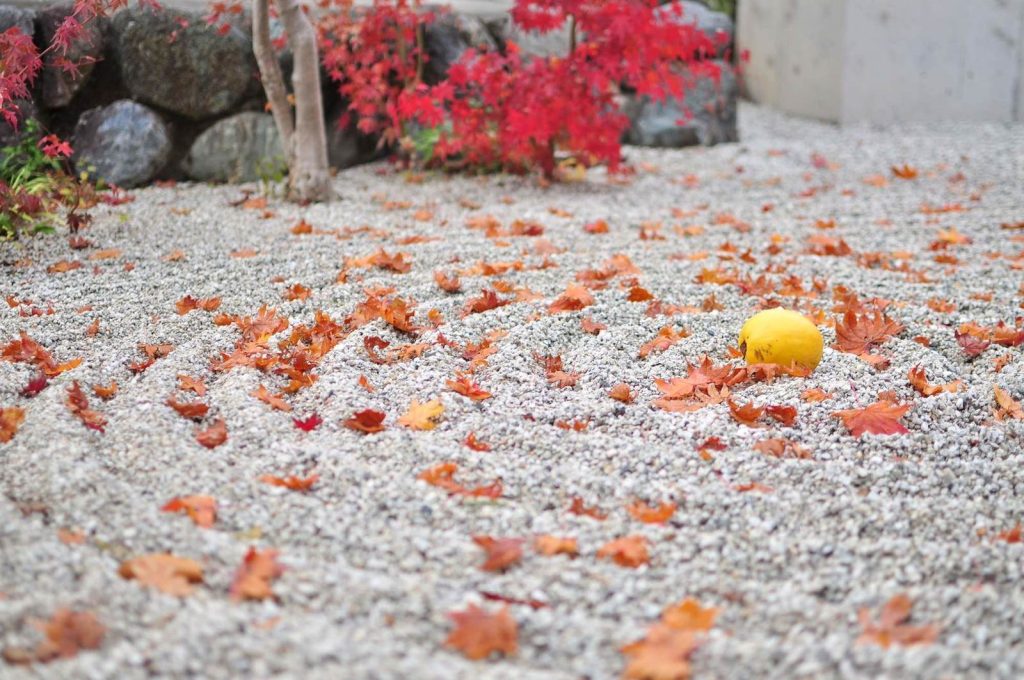
Gardens, too, are designed with rain in mind. A dry rock garden (枯山水 Karesansui) may appear static in sun, but in rain, stones glisten, mosses glow emerald, and the geometry of raked gravel takes on new texture. Rain draws out hidden qualities of the landscape, revealing its depth like ink spreading across handmade paper. The viewer, sheltered under a small pavilion or holding a paper umbrella, becomes part of this living composition.
Rain as Aesthetic Silence
Perhaps most profoundly, rain embodies the principle of Ma—the meaningful pause or space. Just as silence gives shape to music, rain gives texture to time. A rainy afternoon may slow conversations, hush movements, and deepen stillness in a room. The aesthetic is not of emptiness but of fullness: a fullness of presence, where every drop is both sound and silence.
Jonathan, sitting by the window of his Machiya, came to feel this aesthetic dimension. What he once considered dreary back home—rain obscuring the view—became a lens through which life felt softer, more intimate. The blurred outlines of the garden through shoji screens were not losses of clarity, but gains of subtlety. Rain, he realized, was not something happening outside. It was shaping his perception, refining his sensitivity. It was art in motion.
The Emotional Texture of Rain
Rain is not only a sensory experience in Japan—it is an emotional one. To listen to rain in an old Japanese house is to feel its many textures on the heart: sometimes soothing, sometimes nostalgic, sometimes quietly melancholic. These feelings, far from being distractions, are embraced as essential parts of human life.
Rain as a Source of Calm
For many visitors from abroad, the first surprise is how peaceful the sound of rain can be in a traditional Japanese setting. The wooden eaves and clay tiles transform rainfall into a soft percussion, steady but never overwhelming. Sitting on tatami mats, one may notice breathing unconsciously slowing, thoughts becoming gentler, and the present moment deepening. Rain seems to invite stillness, offering a natural meditation.
Psychologically, this aligns with what scientists now call “pink noise”—sounds that calm the nervous system. Yet in Japan, people long before science spoke of rain as a healer of solitude and stress. Old sayings compare the sound of rain to a lullaby, something that comforts the weary soul without needing words.
Rain as Nostalgia
Rain also awakens memory. A shower on a summer evening may recall childhood days of running under umbrellas, or sitting with grandparents on the veranda. The smell of wet earth, the sound of trickling downspouts, the dim light of cloudy skies—all these evoke moments stored deep in the heart.
In Japanese literature, this nostalgia is often bittersweet. Rain is tied to mono no aware—the awareness of impermanence and the gentle sadness of passing time. When rain falls, one remembers things that cannot return: voices, faces, seasons. And yet, instead of despair, there is tenderness in this recollection, as if the rain makes past joys present once more, even briefly.
Rain as Introspection
Rain has long been associated with introspection in Japan. Unlike sunny days, which call for outward activity, rainy days encourage inner movement. Writers, monks, and poets have often described their most meaningful reflections as occurring under rainy skies. The rhythm of drops becomes a kind of silent dialogue with the self.
Jonathan, during his stay in the machiya, felt this clearly. On a rainy afternoon, instead of feeling trapped indoors, he found his journal filling with thoughts he had not considered in months. Rain gave him permission to turn inward, not as escape but as rediscovery.
Rain and the Sense of Mujō (Impermanence)
Above all, rain embodies Mujō—the Buddhist sense that all things are transient. Each drop falls, disappears, and is replaced by another. The pattern is endless, yet no single moment repeats. Just as cherry blossoms teach that beauty lies in falling, rain teaches that life is a stream of beginnings and endings, none permanent.
This is why rain in Japan is rarely only sad. It may be melancholic, yes, but the melancholy is woven with acceptance and even gratitude. Rain does not resist its own falling; it becomes part of rivers, ponds, oceans. For the listener, this becomes a quiet lesson: to flow, to let go, to belong to the rhythm of change.
Rain as a Shared Feeling
The emotional texture of rain is not confined to solitude. Families often sit together in silence, listening to rain. Travelers in an inn may smile at each other when sudden downpours delay their plans. Rain connects people without needing words—it is a shared backdrop for human presence.
In this way, the emotional world of rain is layered: calming yet stirring, solitary yet communal, melancholic yet healing. For the traveler, to experience rain in Japan is to realize that weather is not an interruption of life, but one of its deepest companions.
Experiencing Rain Together
While the sound of rain in an old Japanese house invites solitude and reflection, it also carries a quiet social dimension. Rain, in Japan, is not merely weather that separates people—it can bring them closer together, offering a shared space of listening, watching, and simply being.
Families on the Veranda
In many traditional households, especially in rural areas, families have long gathered on the Engawa (veranda) to watch and listen to rain. Children may lean forward, delighted by the sight of water bouncing on stepping stones or running in tiny rivulets through the garden. Parents or grandparents might sip tea in silence, exchanging only an occasional comment: “It’s falling harder now.” Words are unnecessary; the rain itself fills the air with conversation.
This act of gathering is not planned—it is spontaneous. Rain provides the occasion, and the house, designed to welcome it, offers the stage. Such moments leave strong impressions on children, who carry the memory of rainy afternoons with their family as something comforting and formative.
Travelers Sharing Shelter
In inns, temples, or roadside teahouses, rain often prompts strangers to pause together. A sudden downpour may delay departure, but instead of frustration, many visitors find themselves enjoying the forced stillness. Conversations may begin softly—about where each person is from, or about how beautiful the rain sounds on the roof.
Jonathan, during his stay in Kyoto, recalled one evening when a heavy shower kept all the guests inside the machiya’s common room. At first, they sat apart, but gradually they drifted together, listening to the rain like an impromptu concert. Someone offered tea; another brought out sweets. No one seemed to mind the delay. In fact, the rain had turned strangers into companions.
Rain as a Silent Bond
One of the striking features of these shared rainy moments is how little talking is needed. Unlike in many cultures where silence in company can feel uncomfortable, in Japan the quiet of a rainy afternoon is accepted—even treasured. Two friends may sit side by side on the veranda, watching the drops strike the pond, feeling no need to fill the silence. The rain does the speaking.
This quality transforms rain into a social glue. Instead of dividing, it unites by giving everyone the same background rhythm. Even if thoughts remain private, the experience is mutual: we are here together, listening to the same sound, watching the same flow of water.
Rain as Host
In a sense, rain itself plays the role of a host. It sets the atmosphere, provides the soundtrack, and shapes the mood of gathering. The sound on the roof, the glistening garden, the smell of damp earth—all become elements of hospitality. People are not entertaining each other so much as being entertained by the world outside.
This communal appreciation of rain helps explain why Japanese architecture opens itself to weather, why inns often have gardens visible from common rooms, and why tea houses sometimes feel designed as much for rainy days as for sunny ones. The rain is not an intruder; it is a guest of honor, and all who sit together under its presence become companions in its company.
Rain as a Connector Across Generations
Perhaps the most enduring expression of rain as a shared experience lies in memory. Older generations remember their childhood days of listening to rain with family, and when they sit with their grandchildren doing the same, time folds together. The continuity is not taught but lived: to sit, to listen, to be together.
Rain, then, is more than weather—it is a stage on which togetherness plays out quietly, naturally, without effort. It requires no plan, no special equipment, no performance. The rain falls, and people simply gather, finding warmth not in speech but in presence.

Lessons for Modern Life
In today’s fast-paced, urban-centered world, rain is often reduced to an inconvenience. It delays commutes, forces people to carry umbrellas, dampens shoes, and interrupts plans. Skyscrapers and highways are built to shield us from it, turning rain into something we endure rather than experience. Yet, the Japanese way of living with rain—particularly as embodied in old wooden houses—offers powerful lessons for modern life, wherever we may be.
Reframing Rain as a Gift
The first lesson is a shift in perspective. Instead of thinking of rain as something to avoid, we can begin to see it as a form of natural music, a reminder that the world outside is alive and changing. Just as the Japanese admire the sound of drops on roof tiles or garden ponds, we too can learn to pause and appreciate the symphony of rain against glass windows, metal rooftops, or tree leaves in the city.
Such a reframing turns a rainy day into an opportunity—a chance to slow down, to listen, to rest. The very weather we often curse can become a companion, a source of calm.
Creating Space for Stillness
Modern urban life rarely allows silence. Offices buzz with machines, cafés hum with conversations, and streets roar with engines. Rain, however, has the unique ability to soften this noise. The steady rhythm of drops can mask chaos, providing a soothing background that encourages introspection.
One can intentionally embrace this quality: by turning off music, dimming the lights, and letting the rain be the soundtrack. Whether in an apartment or a suburban house, creating a small “rain corner”—a chair near the window, a cushion on the balcony, or even a spot in a stairwell where rain is audible—can become a personal retreat.
Simple Practices for Rainy Days
Adopting a Japanese sensibility toward rain does not require traditional architecture. It is more about attitude and practice. Here are a few ways to cultivate a rain-friendly mindset:
- Window Meditation: Sit quietly by a window and simply watch the rain fall for ten minutes. No phone, no distractions—just listening.
- Reading with Rain: Choose a book that pairs well with a calm mood, allowing the rain to be your background music.
- Tea Ritual: Prepare a warm drink, as if performing a small tea ceremony, and enjoy it while listening to the rain.
- Rain Walk: With a sturdy umbrella or raincoat, take a short walk to feel the dampness of the air and the smell of wet earth—what the Japanese call petrichor in English, or kansui no nioi (the scent of rainwater).
- Rain Letters: Write a letter or message during a rainy day. Just as Japanese seasonal greetings acknowledge weather, a note written during rain often carries a quiet intimacy.
Beauty in Impermanence
Rain also teaches us about transience. Showers pass, puddles dry, and clouds part. To embrace rain is to embrace the fleeting quality of life itself. This awareness resonates with the Japanese concept of mujo (impermanence), encouraging us not to resist change but to flow with it.
For modern individuals caught in schedules and deadlines, rain is a natural reminder that nothing is fixed—that difficulties, too, will pass. To sit with rain is to practice acceptance.
Rain as an Antidote to Digital Overload
In a hyper-connected world, rain offers a chance to disconnect. The soft rhythm of drops can replace the constant ping of notifications, while the blurred world outside a rain-streaked window contrasts with the sharp glow of a screen. Choosing to listen to rain instead of checking messages is a radical act of reclaiming attention.
In this sense, rain becomes more than weather—it becomes therapy. Nature’s white noise helps reset the nervous system, reduces stress, and opens a pocket of time where nothing urgent needs to be done.
Integrating Rain into Modern Design
Urban design could learn from the Japanese tradition of welcoming rain. Instead of sealing buildings hermetically, architects might design courtyards, green roofs, or water features that celebrate rainfall. Cafés could offer covered patios where people can linger during showers. Public spaces could transform rainy days from interruptions into shared events.
By designing not against rain but with it, cities could cultivate a gentler, more humane rhythm.
Returning to the Childlike Wonder
Finally, rain invites us to rediscover something we all knew as children: the joy of puddles, the fascination of droplets racing down glass, the mystery of clouds parting after a storm. Japanese culture preserves this childlike awe, encouraging adults to pause and marvel instead of rushing past.
For modern life, perhaps the greatest lesson is not just to tolerate rain, but to befriend it. To let it slow us down, soften our hearts, and remind us that beauty often comes uninvited, carried on clouds.
Closing Reflection: Rain as a Quiet Companion
In the quiet hush of rain falling on an old Japanese house, we encounter a truth that extends far beyond weather: rain is not an interruption, but a companion. It does not intrude on life—it accompanies it, weaving its rhythms into the texture of daily existence.
What many cultures view as inconvenience, Japanese tradition reimagines as intimacy. The patter of drops against a tiled roof, the soft echo through wooden beams, the fragrance rising from tatami—all remind us that life’s most profound beauty is often found in its gentlest moments. Rain is not something to be shut out with thick walls and glass; it is something to be welcomed, listened to, and even cherished.
To live with rain in this way is to practice acceptance. The weather cannot be controlled, just as many aspects of life cannot be. By listening to the rain rather than resisting it, we learn the deeper lesson of flow—allowing the world to unfold as it is, while finding peace within its rhythm.
The old Japanese house embodies this wisdom. It does not silence the rain but lets it speak. It does not reject nature but harmonizes with it. In doing so, it reveals a way of life where the boundary between indoors and outdoors softens, and where human hearts are reminded of their place within the larger cycle of the natural world.
For the modern seeker of stillness, rain can be a teacher. It teaches patience, presence, and the ability to hear meaning in quiet sounds. It encourages us to slow down, to savor stillness, and to recognize that even in gray skies there is subtle light.
QuietTether’s philosophy finds its echo here:
“The rain does not disturb life—it accompanies it, teaching us to listen to the world’s quietest music.”
And perhaps, in listening, we begin not only to hear the rain, but to hear ourselves.