
Opening Story: Sweeping a Temple Path at Dawn
The foreign traveler had woken earlier than usual. Jet lag had played its part, but there was also something else that stirred them awake in the quiet hours before dawn—the sense that Kyoto itself was calling. They slipped out of the small ryokan where they were staying, pulling a jacket close against the early-morning chill, and began to wander the narrow lanes that threaded between wooden machiya houses. The world was hushed, as though the city was still wrapped in a blanket of dreams.
As the traveler walked, they caught sight of a temple gate at the end of a stone-paved street. Its dark wooden beams stood tall and silent, a sentinel of centuries. The temple grounds were not yet crowded with tourists or pilgrims. The only sound was the faint creaking of bamboo swaying in the morning breeze. Compelled by curiosity, the traveler stepped through the gate and found themselves in a world entirely different from the one outside.
There, in the pale light of dawn, a handful of monks were sweeping the stone path that led through the temple’s moss garden. Their movements were slow, deliberate, almost choreographed, as though each sweep of the broom was part of a larger rhythm that only they could hear. The traveler expected the monks to be in a hurry—to clear away the leaves and twigs scattered from the night wind—but instead, what they saw was something else entirely.
Each leaf was touched by the broom with care. It was not brushed away hastily, but guided across the stone, accompanied by the sound of bristles whispering against rock. One monk paused after gathering a small pile of leaves, bending low to scoop them into a wooden basket. His back was straight, his movements measured, as though he were in silent conversation with the very ground he tended.
The traveler watched, transfixed. At first, it seemed like ordinary cleaning, a task to prepare the temple for the day ahead. But the longer they observed, the more they felt there was something different happening. The act of sweeping was not about the leaves alone. It was about attention, about presence. The monks’ posture carried reverence, as if they were honoring not only the temple but also the very moment they occupied.
A thought stirred in the traveler’s mind: This is not work. This is prayer.
They realized that, in their own life, cleaning had always been a chore, something to be finished quickly so they could move on to “more important” things. But here, sweeping seemed to be the important thing. The monks were not rushing to reach an end—they were inhabiting the process itself. With each careful sweep, they seemed to be clearing away not only the fallen leaves but also the dust that settles in the human heart.
The traveler stood still, their breath slowing as they absorbed the scene. The air felt lighter, the silence deeper. They felt their own restlessness soften, as if the rhythm of the monks’ sweeping was brushing away their own scattered thoughts. In that simple act—broom against stone, leaf against earth—they glimpsed a different way of being.
Later, as they left the temple grounds, the traveler looked back at the monks who continued their steady movements. A quiet realization settled in: Perhaps cleaning is not merely about tidiness. Perhaps it is a practice, a way to return to simplicity, a form of daily Zen.
And as they walked back through the streets of Kyoto, they carried with them not only the image of the monks sweeping but also a seed of intention: to look at their own small acts of cleaning—not as burdens, but as opportunities to cultivate presence. The thought of sweeping their own room, of folding clothes or wiping a table, suddenly felt different. Each task was no longer just a duty but a chance to touch stillness.
The Zen of Everyday Cleaning
When most people hear the word cleaning, they imagine something functional. It is often associated with effort, with obligation, with a sense of drudgery: scrubbing a kitchen floor, dusting furniture, taking out the trash. Cleaning, in many societies, is seen as a task to be completed quickly, as though it is merely a prelude to the “real” activities of life. The faster one finishes, the sooner one can return to work, entertainment, or leisure.
But in Zen practice, this ordinary task carries a completely different weight. Cleaning is not separate from life’s “real” activities. It is life itself. It is not about removing dirt as much as it is about clarifying the heart.
In Japanese, the word for cleaning is Souji (掃除). The first character, 掃 (Sou), means “to sweep” or “to brush away.” The second, 除 (Ji), means “to remove” or “to eliminate.” Together, the word conveys the action of sweeping away what is unnecessary. Yet within Zen, the emphasis is not only on removing dust from the floor or leaves from the path. It is also about sweeping away the clutter in one’s mind.
For Zen monks, the day begins not with prayer in a hall, not with chanting, but with cleaning. Paths are swept, floors polished, wooden beams wiped, and gardens tended. This is not accidental. The act of cleaning is itself prayer. It is meditation in movement, a way to embody clarity before the day unfolds.
The foreign traveler, who once thought cleaning was merely “housework,” might at first be surprised by this approach. But once they begin to practice it, they notice something subtle. Their breathing slows. Their movements become intentional. The mind, usually busy with thought, begins to quiet. In focusing on the simple act of sweeping, wiping, or arranging, the self begins to dissolve into the activity.
This is what Zen calls samadhi in action: full absorption in the present. Cleaning does not distract from meditation; it is meditation.
A Small Act, A Great Practice
Consider the action of sweeping a floor. On the surface, it seems trivial. One holds a broom, moves it back and forth, gathers dust into a pile. But in Zen temples, this movement is performed with full attention. The body straightens, the breath aligns with the motion, the sound of bristles on wood becomes like a mantra.
Each sweep is not a gesture of annoyance (“I must get rid of this dirt”) but of gratitude (“I am clearing the way for clarity to emerge”). In this reframing, the act changes completely. What was once tedious becomes luminous.
To clean with awareness is to honor the ground beneath one’s feet. To polish a floor until it reflects light is to polish one’s own mind.
Letting Go of the Ego Through Movement
There is also a profound humility in cleaning. In Zen monasteries, even the abbot—the highest-ranking monk—takes part in daily cleaning. Hierarchy dissolves in the face of shared dust. No one is “too important” to sweep a path or scrub a toilet. By bowing down to the ground, by kneeling to wipe a floor, the ego itself bows.
For the practitioner, this repetition of small, humble actions chips away at pride, at the illusion of separateness. Cleaning becomes a way of softening the self, of aligning one’s body with the simplicity of being present.
Cleaning the Room, Cleaning the Mind
There is a well-known Zen saying:
“When the mind is pure, the room is pure. When the room is pure, the mind is pure.”
This circular relationship captures the essence of souji. By cleaning the environment, we affect the mind. By clearing the mind, we naturally wish to keep the environment clear.
It is no accident that after a thorough cleaning, people often feel lighter, calmer, refreshed. It is not only because the space looks better—it is because the act of cleaning has washed something away inside. The repetitive rhythm of wiping and sweeping settles the nervous system, releases the weight of thought, and restores a sense of order both outwardly and inwardly.
Cleaning as a Ritual of Presence
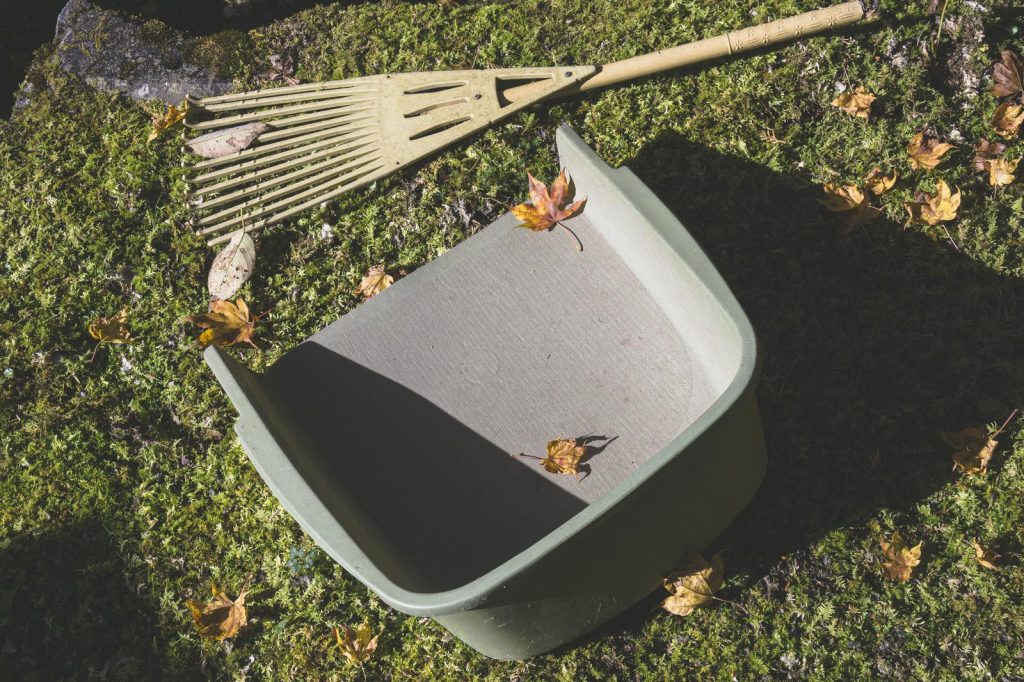
In Zen temples, cleaning is not done with loud machines or hurried gestures. It is often done quietly, by hand, with simple tools: a bamboo broom, a cloth, a bucket of water. The slowness, the physical contact with the task, makes the act intimate.
This intimacy transforms cleaning into a ritual of presence. When one bends to pick up a leaf, they are not simply tidying—they are acknowledging that leaf, its shape, its impermanence. When one wipes dust from a wooden beam, they are not only removing dirt—they are connecting with the centuries of history the beam has witnessed.
In this way, cleaning becomes a dialogue: between the self and the space, between the present moment and the flow of time.
Historical and Cultural Context
If we step back from the immediate experience of cleaning and look at the broader cultural canvas of Japan, we find that the act of sweeping, scrubbing, and polishing has always carried a symbolic resonance far greater than its surface function. Cleaning has long been woven into the fabric of Japanese life, not as a side activity, but as a foundational gesture of how one relates to space, to community, and to the self.
The Temple as a School of Cleaning
In Zen monasteries, the day traditionally begins with cleaning. Monks rise at dawn, often before first light, and take up simple tools: a broom of bamboo twigs, a cloth of coarse cotton, sometimes nothing more than a handful of water carried in a wooden bucket.
They sweep temple paths, gather fallen leaves, wipe the long wooden corridors, polish tatami mats, and dust altars. These actions are carried out in silence, not as chores to be “finished” but as practices of presence. A monk sweeping the path is not only clearing it for visitors—he is clearing his own heart.
Historical records from the Kamakura period (1185–1333), when Zen Buddhism first flourished in Japan, describe daily schedules that always included souji as a central discipline. The idea was not that cleaning should be reserved for novices or menial laborers. Rather, it was considered essential for everyone, from the youngest novice to the most senior abbot.
This egalitarian approach speaks volumes about Zen’s philosophy: cleaning is not something beneath you; it is something that returns you to yourself.
The Garden and the Corridor
The temple garden, with its raked gravel and carefully placed stones, might seem timelessly serene. But maintaining such clarity requires constant attention. Every leaf that falls, every bit of moss that spreads, becomes a chance for renewal.
Sweeping the garden paths is not about creating perfection once and for all. It is about a continuous act of tending, of responding to change, of aligning oneself with impermanence. The gravel that is raked in the morning may be scattered by wind by the evening; tomorrow, it will need to be raked again. In this rhythm, monks embody the Buddhist teaching of Mujo (impermanence).
Similarly, polishing wooden corridors is more than making them shine. The long stretches of wood become mirrors of time. Each wipe of the cloth is a reminder of transience: dust always returns, and so does the opportunity to meet the present moment anew.
Edo Period Education: Cleaning as Formation of Character
This practice was not limited to Zen temples. During the Edo period (1603–1868), in temple schools (terakoya) and later in samurai households, cleaning was emphasized as a form of moral training. Children were taught to sweep, wipe, and tidy their study areas before lessons began.
The reasoning was simple but profound: a disordered environment leads to a disordered mind. To prepare for learning, one must first clear the space. To prepare for life, one must first clear the heart.
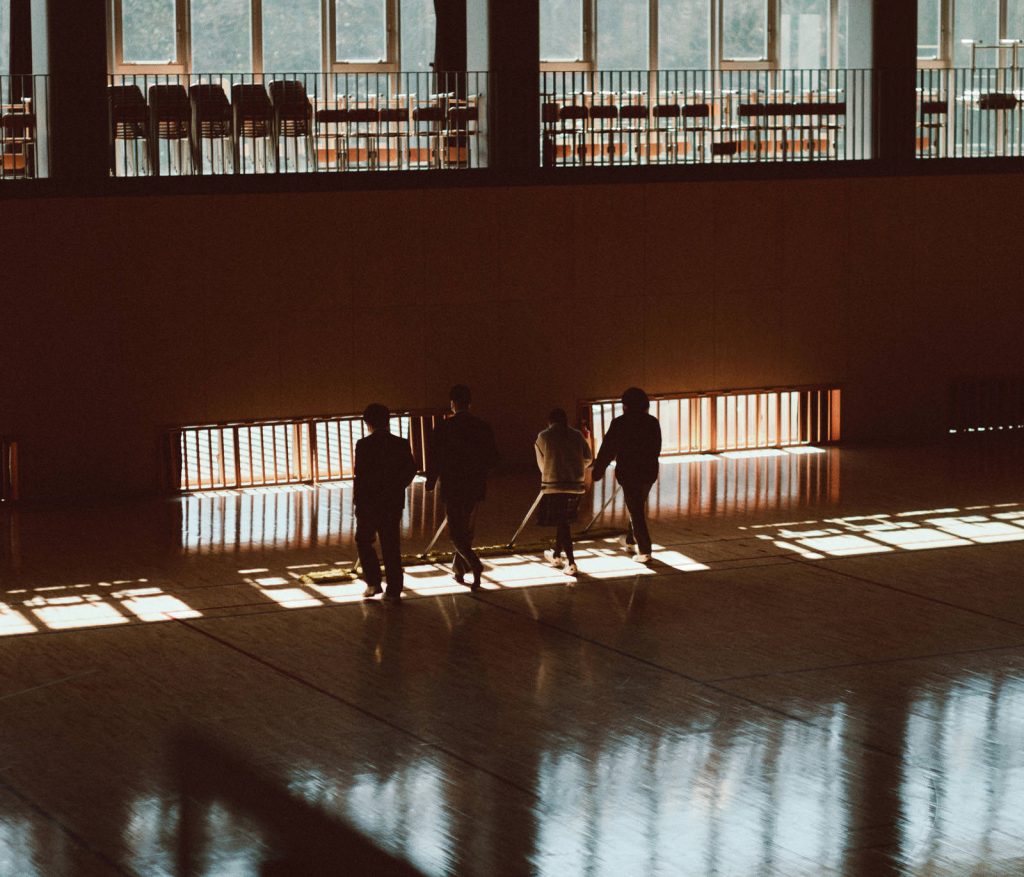
This tradition has echoes in Japanese schools even today, where students collectively clean their classrooms at the end of each day. Unlike in many other countries where janitorial staff is tasked with maintaining cleanliness, Japanese children are expected to take responsibility for their own environment. The act is not only practical but educational—it instills respect for shared space, humility, and a sense of interdependence.
Cleaning as Kiyome (Purification)
Beyond the temple and the school, cleaning in Japan carries the spiritual significance of Kiyome 清め—purification. This idea is rooted in Shinto, Japan’s indigenous spirituality, where physical cleanliness is inseparable from spiritual clarity.
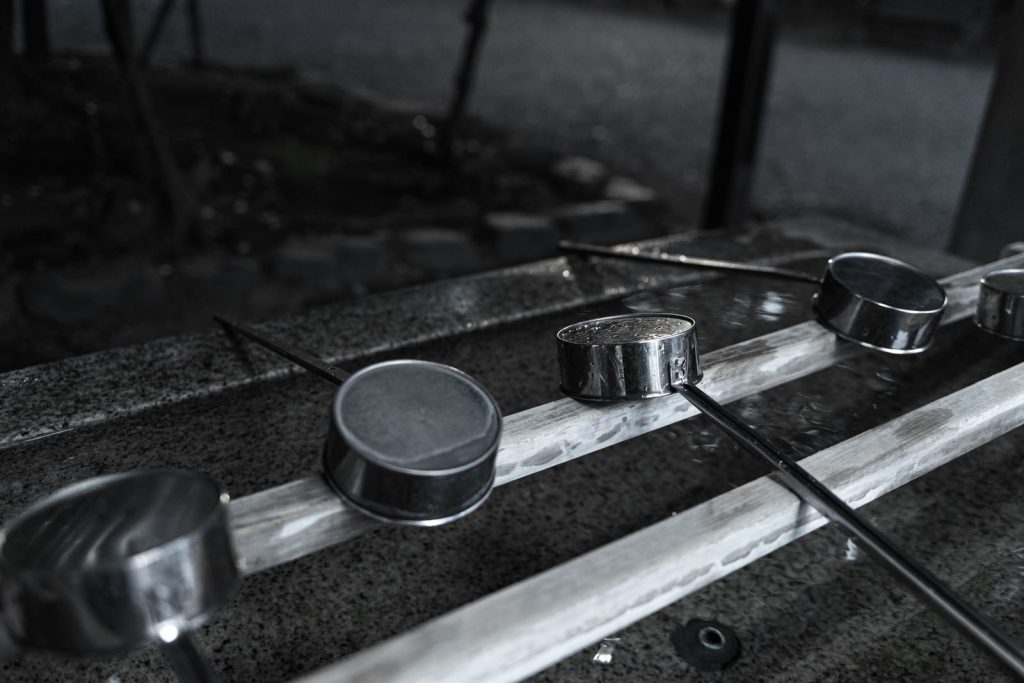
Before entering a shrine, visitors wash their hands and rinse their mouths at the Temizuya 手水舎, a purification basin. Seasonal rituals, such as the great cleaning at year’s end (Oosouji 大掃除), are not simply about tidying the home but about wiping away the impurities of the year so that one may begin anew with fresh energy.
Thus, the act of cleaning embodies both Buddhist and Shinto sensibilities. From Zen it inherits mindfulness, humility, and impermanence; from Shinto it inherits purity, renewal, and respect for the sacredness of space.
From Tradition to Modern Culture
Even in contemporary Japanese society, echoes of these traditions remain strong. Consider the cultural emphasis on removing shoes before entering a home. It is not merely about keeping floors clean; it is about preserving the integrity of the inner space, maintaining a boundary between the outer, chaotic world and the inner, ordered world.
Consider also the enduring popularity of Oosouji at the end of December. Families gather not only to sweep and scrub their houses but to prepare themselves for the New Year. Dust is removed, but so are resentments, regrets, and unfinished matters. In the clear space left behind, a fresh beginning becomes possible.
Cleaning as Cultural Continuity
What is striking is how cleaning bridges the gap between the sacred and the ordinary. In temples, it is ritual. In schools, it is discipline. In homes, it is purification. Across these contexts, the gesture remains the same: hands moving to sweep, wipe, polish, and clear.
The constancy of this gesture across centuries suggests that cleaning is not a marginal act in Japanese culture but a central one. It is a practice that embodies values—respect, humility, mindfulness, renewal—that continue to shape the Japanese sense of life.
And so, when a foreign visitor stands at dawn watching monks sweep the temple paths, what they are seeing is not simply maintenance. They are seeing the unfolding of centuries of cultural wisdom, distilled into the movement of a broom across stone.
The Psychology of Cleaning
While the cultural and historical dimensions of cleaning in Japan provide a rich backdrop, the act of cleaning itself also carries deep psychological effects. Long before modern psychology coined terms such as “mindfulness” or “flow state,” the simple gesture of sweeping, wiping, and polishing offered human beings a pathway to inner calm. When we examine the act of cleaning through a psychological lens, we find a natural harmony between body, mind, and environment.
Rhythm and Repetition: The Gateway to Focus
One of the most powerful aspects of cleaning lies in its repetitive rhythm. The broom moves across the floor in steady strokes. The cloth moves back and forth along a wooden surface. The bucket fills, empties, fills again.
This repetition requires little cognitive effort; it is not an intellectual puzzle, nor does it demand constant decision-making. Instead, the rhythm creates an environment in which the mind can rest. Thoughts that are tangled and restless begin to settle, much like dust drifting slowly to the ground.
Modern psychology would describe this as entering a flow state. When we are engaged in simple, purposeful movement, time seems to soften. The past and future recede, and the present moment becomes more vivid. Cleaning, then, is not only about maintaining order—it is about accessing this meditative quality of time.
Clearing the External, Clearing the Internal
There is a deep connection between our surroundings and our inner states. A cluttered space often produces a cluttered mind. Conversely, a clean, ordered environment fosters clarity and calm.
This is not merely anecdotal. Studies in environmental psychology have shown that visual clutter can increase stress hormones and make concentration more difficult. In contrast, clean and minimal environments reduce cognitive load and allow for more focused thinking.
When monks in a temple sweep the floor until it gleams, they are not just preparing the temple for visitors. They are aligning their minds with the clarity they create around them. When a student wipes down their desk before studying, they are creating not just physical order but mental readiness.
The broom becomes an extension of the psyche. Each stroke removes not only dust but also fragments of worry, restlessness, and distraction.
The Breath of Cleaning
Cleaning also reshapes the way we breathe. When we bend, sweep, or wipe, our bodies naturally adjust their rhythm of inhalation and exhalation. The movements are slow and deliberate, inviting deeper breathing.
Many people notice, without being fully aware of it, that after even ten minutes of sweeping or wiping, their breath feels more grounded. The body has quietly entered a state similar to meditation, where the nervous system shifts toward calmness.
From a Zen perspective, this is no accident. To sweep the path is to synchronize body, breath, and awareness. The broom moves; the breath follows; the mind steadies.
Achieving Stability Through Both Hands
When holding a broom, cloth, or even a simple dustpan, we often use both hands. Psychologically, this gesture fosters a sense of stability and grounding. Two hands engaged in a single task send signals of balance and safety to the nervous system.
Unlike multitasking—typing with one hand while scrolling with the other—using both hands in harmony focuses the whole body on one purpose. This unification calms scattered mental energy, allowing one to feel centered and embodied.
This explains why the act of cleaning often leaves people with a sense of unexpected relief, even when they began reluctantly. What begins as a “chore” ends as a subtle experience of grounding.
Silence and the Mind’s Reset
Another psychological aspect of cleaning is the silence that often accompanies it. The absence of words, the gentle sounds of broom bristles against stone, or cloth against wood, form a quiet auditory environment.
This silence is not empty. It is restorative. In the gentle rhythm of cleaning sounds, the mind finds space to reorder itself. Many people describe having their best ideas while washing dishes or vacuuming, not because they were trying to solve a problem but because the act of cleaning allowed their subconscious to breathe.
Zen tradition calls this shikan-taza—“just sitting” or pure presence. Cleaning can function in the same way: shikan-souji, “just cleaning.” Nothing added, nothing forced, only the pure act itself.
A Sense of Completion and Emotional Reward
When cleaning is finished—even something as small as wiping down a table—there is an immediate sense of transformation. The before and after are visible. A space that was cluttered now feels open. A surface that was dull now reflects light.
Psychologically, this creates a micro-moment of accomplishment. Unlike many modern tasks that are abstract or never-ending (emails, digital projects, to-do lists that regenerate daily), cleaning offers tangible completion. It says: Here is proof of your effort. Here is the space you have renewed.
This reward is small, but it is deeply satisfying. It reinforces the association between effort and peace, between physical order and emotional clarity.
The Paradox of Effort and Ease
At first glance, cleaning seems like work. It requires movement, sometimes sweat, sometimes bending and lifting. Yet, paradoxically, the more effort we invest, the more ease we feel afterward.
This paradox is essential to understanding the psychology of cleaning. Effort does not always create stress; when it is aligned with purpose and presence, effort creates release. The body works, but the mind rests. The muscles engage, but the heart finds stillness.
It is for this reason that monks do not see cleaning as secondary labor but as central practice. In the very act of wiping, scrubbing, sweeping, they encounter the paradoxical gift: effort that frees, effort that brings ease.
The Return to Self Through Cleaning
Ultimately, the psychology of cleaning is about return. We return to the present moment, to our breath, to a sense of balance and accomplishment. We return to a quieter version of ourselves, one less entangled in mental noise.
In this sense, every stroke of the broom is like a bell of mindfulness. Every wipe of the cloth is a small bow to life as it is. Cleaning reminds us that peace is not found elsewhere but here, in the gentle, repetitive actions that clear the path before us.
Foreigners Discovering Zen Through Cleaning
For many foreigners visiting Japan, the first encounter with Zen cleaning is often a moment of quiet astonishment. At a Kyoto temple, the sun barely peeking over the horizon, they watch monks sweeping the grounds. The movements are unhurried yet precise, each stroke deliberate, each leaf removed with care. To outsiders accustomed to efficiency and speed, the scene is almost surreal.
The Surprise of Slowness
In many Western cultures, cleaning is primarily about speed and efficiency. A chore is a task to be completed as quickly as possible, often with the aim of freeing time for “more important” activities. In contrast, the Zen approach celebrates slowness. Every motion is meaningful; every gesture carries intention.
Visitors often report feeling both puzzled and captivated. “Why spend so much time on a single leaf?” one might ask. The answer becomes clear only after observation: the leaf is not just a leaf—it is an opportunity to practice presence, patience, and respect. The act of cleaning transforms from a mundane task into a profound lesson in attentiveness.
Participation and Embodiment
Some temples invite foreigners to participate in cleaning. At first, visitors approach hesitantly, unsure how to behave. They are handed a broom, shown the proper way to hold it, and instructed to sweep with attention.
The initial awkwardness is quickly replaced by focus. Holding the broom with both hands, following the rhythm of the monks, bending to remove dust—these movements become a form of embodied meditation. The body learns before the mind, and the visitor experiences Zen not as an abstract philosophy but as a tangible, lived reality.
This embodied practice often sparks reflection. In a culture where productivity is valued above process, foreigners begin to understand the Japanese emphasis on mindfulness in daily life. Even the most ordinary act—cleaning—can be sacred.
Efficiency versus Attentiveness
Foreigners frequently describe a cognitive shift during these experiences. The typical focus on “getting things done” gives way to a deeper awareness: the quality of action itself matters more than the speed of completion.
Cleaning, once seen as a chore, is now a lens through which they view life. Each stroke of the broom or cloth is a reminder that mindfulness can permeate every task. The lesson is subtle but profound: efficiency is not inherently virtuous; attentiveness, presence, and care are.
Seeing the “Invisible Work”
Another striking realization comes from witnessing the invisible work inherent in maintaining a temple or traditional home. Monks do not merely sweep floors—they preserve harmony, honor space, and uphold centuries-old traditions. Each motion, though small and often unnoticed, contributes to a larger purpose.
Foreign visitors begin to draw parallels to their own lives. They see how daily acts, however humble, can foster clarity, gratitude, and connection. The Zen principle of ichi-go ichi-e—cherishing each moment—becomes tangible through the act of cleaning.
From Chore to Meditation
For many foreigners, the shift is transformative. Returning home, they may approach household cleaning differently. Sweeping the kitchen floor, dusting the shelves, or washing dishes is no longer just about hygiene; it becomes a meditation in motion, a small but meaningful ritual to center the mind.
Some describe the surprise of joy in cleaning, a feeling previously thought impossible. The mundane act becomes a source of calm and reflection, a way to reconnect with the present moment. Even in a bustling city apartment, one can practice this Zen approach: mindful attention to movement, care for one’s environment, and presence in every gesture.
Small Gestures, Big Insights
Foreigners’ encounters with Zen cleaning often illustrate a broader lesson about cross-cultural understanding. It is a reminder that profound wisdom is not always wrapped in complex theory. Sometimes it resides in simple, deliberate acts: the sweep of a broom, the fold of a cloth, the careful placement of objects.
Through cleaning, they witness the Japanese philosophy of kata—the form or pattern of behavior that embodies deeper values. The form itself is instructive. Each motion carries lessons of humility, patience, and harmony. The act of participation bridges cultural gaps, showing that mindfulness and care transcend language, nationality, or religious background.
Transforming Daily Life
The ultimate insight for foreign visitors is that Zen cleaning does not require a temple setting. The principles learned in a Kyoto monastery—presence, patience, attentiveness, care—can be brought into everyday life.
From sweeping a sidewalk to organizing a desk, the external act of cleaning mirrors internal processes: clearing mental clutter, cultivating calm, and honoring the space we inhabit. Small, mindful gestures ripple outward, transforming the environment and enriching the inner world.
Reflections on Cultural Exchange
These experiences also highlight the subtle power of cultural exchange. Foreigners often come expecting sightseeing or aesthetic appreciation, but instead they find themselves participating in a practice that challenges their assumptions about work, time, and mindfulness.
By engaging in Zen cleaning, they learn that labor is not merely physical exertion. It is a vehicle for cultivating presence, fostering insight, and connecting with the rhythm of daily life. This lesson transcends culture, offering a timeless reminder: in the simplest tasks, the most profound truths can be found.
Cleaning Rituals as Silent Dialogue
In Zen practice, cleaning is not simply about tidying a space; it is a form of communication—silent, deliberate, and profoundly meaningful. Each gesture, tool, and motion creates a dialogue between the practitioner and the environment, a conversation without words that fosters mindfulness, respect, and presence.
Tools as Partners in Practice
The broom, dustpan, mop, and cloth are not merely objects; they are extensions of the practitioner’s consciousness. In the Zen mindset, tools are treated with care and reverence, each holding its own “life” and purpose.
When sweeping a tatami mat or polishing a wooden floor, the practitioner learns to listen to the subtle feedback of the tool. How the broom brushes against dust, how the mop glides across the floor, how the cloth absorbs the last streak of moisture—these interactions require attention, sensitivity, and adaptability. Each movement becomes a tactile conversation, a way to cultivate presence in the moment.
Visitors often describe their astonishment at this approach. In many cultures, tools are seen as disposable or purely functional. In a Zen temple, however, the care given to cleaning implements mirrors the care given to life itself. Through this practice, one learns humility, patience, and the joy of attentiveness.
The Ritual of Motion
Cleaning in a Zen context follows patterns and rhythms that create a meditative flow. Every sweep, scrub, and polish has a place, a tempo, and an intention. The practitioner does not rush; instead, they move with awareness, coordinating breath with motion.
This ritualized movement transforms ordinary cleaning into a form of meditation. The repetitive actions draw the mind inward, quieting distractions and fostering a state of focused presence. In this way, cleaning becomes a bridge between the physical and the spiritual, the external environment and the internal state.
Even seemingly trivial gestures—turning the broom, wringing a cloth, adjusting posture—are imbued with significance. Each action is both a literal and symbolic act: a reminder that attention to detail reflects attention to life itself.
The Silent Dialogue
The essence of Zen cleaning lies in its silence. There are no spoken instructions, no commentary—only the continuous interaction between practitioner, tool, and space. This silence is not emptiness; it is full of awareness.
As monks sweep a temple courtyard or wipe a handrail, they are engaging in a subtle dialogue with the environment. Dust is acknowledged but removed with respect; surfaces are honored but renewed with care. The space communicates back, offering feedback through resistance, texture, and movement. In this dialogue, practitioner and environment co-create a rhythm of presence.
For observers, this silent communication can be deeply moving. They see that even in silence, there is connection, and in simple gestures, profound meaning. Cleaning is no longer a solitary or utilitarian act—it becomes relational, almost sacred.
Connecting Past and Present
Zen cleaning rituals also carry a temporal dimension. By using traditional techniques and tools, practitioners link themselves with generations past. Polishing wooden floors or sweeping stone paths is not just maintenance; it is a continuation of a lineage of care and mindfulness.
Every action acknowledges the impermanence of the environment, echoing the Buddhist concept of Mujo (impermanence). Each sweep removes dust, each polish restores shine, yet the work is never truly “complete.” This recognition cultivates humility and acceptance, reminding practitioners that life, like the temple grounds, is constantly in flux.
Mindfulness in the Ordinary
By engaging deeply with these rituals, practitioners learn to transform ordinary spaces into sites of meditation. A seemingly mundane task—sweeping a hallway or wiping a window—becomes an opportunity for introspection, attention, and reverence.
Foreign visitors often remark on this transformation. They come expecting sightseeing, aesthetic beauty, or passive observation, but they witness an art of living that is both practical and philosophical. Cleaning becomes a mirror for the mind: clutter removed from the environment mirrors clutter removed from thought.
Lessons for Modern Life
Even outside the temple, these principles are transferable. Everyday cleaning—tidying a desk, washing dishes, or arranging a living room—can be approached as a silent dialogue:
- Engage fully with the tools and materials.
- Observe the subtle feedback of surfaces, textures, and objects.
- Maintain a rhythm and intentionality in movements.
- Treat the environment with respect, even in small actions.
Through these practices, the ordinary becomes extraordinary. Mindfulness is cultivated not in retreat or ceremony alone, but in the simplicity of care, attention, and presence.
A Meditation in Motion
Zen cleaning demonstrates that the world communicates in subtle, often overlooked ways. By responding with care, respect, and awareness, practitioners create harmony and clarity both inside and outside themselves.
This silent dialogue—between hand and floor, broom and dust, self and environment—illuminates the profound potential of routine tasks. Cleaning becomes not only a physical act but also a spiritual practice, a continuous meditation in motion, and a testament to the beauty of mindful attention.
Lessons for Modern Life
In a world dominated by speed, digital distractions, and constant connectivity, the act of cleaning may seem mundane or even trivial. Yet, Zen practice reveals that this simple activity carries profound lessons for modern life. By treating cleaning as a mindful ritual, one can cultivate attention, presence, and a sense of calm that extends far beyond the domestic sphere.
Mindfulness Through Daily Acts
Cleaning offers a natural gateway into mindfulness. Unlike meditation, which requires sitting still and focusing inward, cleaning involves active engagement with the environment. Every sweep, scrub, and polish demands attention to detail. The mind, often scattered and preoccupied, is drawn into the present moment.
In this sense, cleaning becomes a bridge between action and awareness. The act of washing a countertop or organizing a shelf is no longer merely functional—it is an opportunity to train the mind, develop patience, and cultivate presence. For many, these moments are the first introduction to what Buddhists might call “everyday meditation.”
Practical Applications in Modern Life
Zen cleaning principles can be adapted to the rhythm and demands of contemporary life. Here are several ways to integrate these lessons into daily routines:
- Start Small, Start Daily: Even five minutes of mindful cleaning can have a noticeable impact. Sweeping the kitchen floor, wiping a desk, or tidying a living space in the morning helps set a tone of clarity for the day.
- Intentional Movements: Pay attention to each motion. Whether it’s the circular motion of wiping a countertop or the steady sweep of a broom, move deliberately and with awareness. Let the body guide the mind into stillness.
- Digital Environments Matter: Modern clutter is not only physical but digital. Clearing email inboxes, organizing files, and tidying digital desktops can mirror the meditative clarity achieved in physical spaces.
- Respect Tools and Spaces: Even everyday items—sponges, brooms, or cloths—should be treated with care. This fosters a sense of gratitude and mindfulness, reminding us that even ordinary objects can be part of a conscious practice.
- Observe and Reflect: After cleaning, take a moment to pause and notice the change. The environment is clearer, and often, so is the mind. This reflection reinforces the connection between inner and outer order.
Connecting Work and Home
The lessons of Zen cleaning are not confined to domestic spaces. Workspaces, studios, classrooms, and shared environments benefit equally from mindful attention.
In offices, for example, clearing clutter, organizing supplies, or wiping surfaces can reduce stress, increase focus, and foster a culture of care. Each act of tidying becomes an opportunity to cultivate awareness and model intentional living. Similarly, artists and craftsmen who approach their materials and spaces mindfully often find their work deepened, enriched by the same attentiveness applied to their environment.
Mindful Engagement in a Fast-Paced World
Modern life often prioritizes efficiency, speed, and multitasking. In this context, mindful cleaning stands as a radical act. It slows the pace, demands patience, and encourages reflection. By approaching daily chores with attentiveness, one learns to resist the constant pull of distraction.
The rhythm of cleaning—sweeping, dusting, wiping—provides a structure for cultivating presence. Rather than rushing through tasks, the practitioner learns to value the process itself, recognizing that the journey is as meaningful as the outcome.
A Holistic View of Well-Being
Zen cleaning demonstrates that well-being is inseparable from environment. A clean, organized space supports mental clarity, emotional balance, and spiritual awareness. Conversely, a cluttered, chaotic environment can mirror inner turmoil.
By adopting mindful cleaning practices, individuals can create a harmonious relationship between self and surroundings. This approach is holistic: it nurtures the mind, body, and spirit simultaneously, reminding us that care for the environment is care for the self.
Integrating Zen Principles into Everyday Life
To make these lessons practical, consider the following daily habits inspired by Zen cleaning:
- Morning Reset: Begin the day by straightening your workspace, wiping surfaces, or sweeping small areas. This sets a tone of mindfulness.
- Intentional Breaks: Use short cleaning sessions as mini-meditations. Focus on breath, motion, and sensory experience while performing tasks.
- Gratitude for Objects: Recognize the value of your tools and possessions. Treat them with care, reinforcing respect for your environment and yourself.
- Evening Reflection: End the day by tidying a small area. Notice the transformation in both space and mind.
These small interventions accumulate over time, creating a life infused with clarity, calm, and intentionality.
Beyond Cleanliness: Cultivating Presence
Ultimately, the act of cleaning in a Zen context is about more than hygiene or order. It is about presence, awareness, and the cultivation of a deliberate, attentive life. Each sweep, polish, or wipe becomes a reminder that life itself can be approached with care and intention.
Foreign visitors to Japanese temples often remark on this subtle transformation. What seems mundane—a monk sweeping a courtyard or polishing a wooden floor—reveals itself as a practice of profound engagement with life, a lesson in mindful attention that transcends culture and context.
The Modern Takeaway
In our fast-paced, digitally-driven society, it is easy to overlook the spiritual and psychological benefits of simple daily tasks. Zen cleaning encourages us to slow down, to embrace repetition as meditation, and to recognize that even ordinary chores can cultivate extraordinary presence.
By integrating these practices into daily life, we reclaim a sense of balance, nurture mental clarity, and reconnect with the world around us. Cleaning becomes not a burden, but a path to serenity, a quiet form of self-discipline, and a means to honor both the present moment and the environment we inhabit.
Closing Reflection: Sweeping Away Dust, Revealing Clarity
As the final stroke of the broom brushes away the last speck of dust, a subtle transformation unfolds. The floor gleams, the surfaces shine, and yet, the true change is not only in the physical space—it is within the mind, the heart, and the spirit. Cleaning, in the Zen tradition, is never merely a chore. It is a ritual, a meditation, and a mirror reflecting the state of our inner world.
The Symbolism of Cleansing
Every sweep, scrub, and polish carries symbolic weight. Dust is more than dirt—it represents distractions, unresolved thoughts, and the clutter of the mind. As the physical space clears, so too does mental fog begin to dissipate. The act of cleaning becomes a tangible metaphor for renewal, a quiet reminder that clarity in our surroundings mirrors clarity within ourselves.
In this way, Zen cleaning transforms the ordinary into the extraordinary. A simple gesture—the wiping of a table, the sweeping of a courtyard—is elevated to an act of mindfulness, an offering of presence, and a reaffirmation of life’s impermanence and beauty.
Finding Stillness in Motion
One of the most profound lessons of Zen cleaning is that stillness is not limited to sitting meditation. Through mindful motion, one can experience the same tranquility and focus. The rhythmic movements of sweeping, dusting, or organizing create a cadence that quiets the mind. The repetitive gestures become a form of moving meditation, a dance of attention and awareness.
This awareness is not about perfection but about presence. It is in the gentle, deliberate care for each object and space that the practitioner discovers a calm, centered state. The cleaning process teaches patience, humility, and attentiveness—the same qualities cultivated on a meditation cushion, yet expressed through active engagement with the world.
The Interconnection of Self and Environment
Cleaning as Zen practice underscores the inseparable bond between self and environment. A cluttered, chaotic space can mirror inner turmoil; conversely, a clean, organized space fosters clarity, focus, and emotional balance.
By attending to our surroundings with care and mindfulness, we are also attending to ourselves. Each swipe of the cloth, each push of the broom, each careful arrangement of objects becomes a dialogue between the self and the world. It is a reminder that life, like a room or temple courtyard, is best approached with respect, attentiveness, and gentle care.
Lessons for Modern Living
In today’s world, where multitasking, digital overload, and constant busyness dominate, Zen cleaning offers a path back to simplicity and presence. Even brief periods of mindful tidying—a five-minute sweep, the organization of a desk, or the conscious clearing of a digital workspace—can restore equilibrium and foster clarity.
This practice reminds us that serenity is not found in grand gestures but in small, deliberate acts of care. By embracing the principles of Zen cleaning, modern life can become more harmonious, focused, and grounded. The mundane transforms into a ritual, the ordinary into meditation, and the act of cleaning into a profound engagement with the present moment.
A Philosophy for Life
Ultimately, Zen cleaning teaches us a way of being. It is not simply about removing dust or dirt, but about cultivating awareness, presence, and gratitude. Each act of cleaning becomes a gentle lesson in attentiveness, humility, and connection—to our environment, to others, and to ourselves.
As QuietTether reflects:
“To clean is not only to remove dust.
It is to return to clarity,
to honor the present moment,
and to discover the quiet path that has always been beneath our feet.”
In this, the Zen of daily cleaning is revealed: through the simple, mindful care of our spaces, we discover a deeper, enduring serenity. By sweeping away the dust, we uncover not only a tidy environment but also a clearer mind, a calm heart, and a renewed sense of life itself.