Opening Story: An Unexpected Lesson in Stillness
The first time Jonathan, a traveler from Canada, stepped into a public restroom in Tokyo, he braced himself.
Back home, public restrooms often came with low expectations: cold tiles, echoing noises, questionable hygiene, and a constant desire to leave as quickly as possible. He carried that habitual tension into the train station lavatory, expecting the same experience he knew in airports, malls, or gas stations abroad. But the moment the sliding door closed behind him, he found himself standing in a strangely serene environment.
The space was not just clean; it radiated an almost meditative stillness. The lighting was soft, not harsh and clinical. There was no lingering odor, only a faint freshness in the air, as if the room had been recently purified. Instead of graffiti or cracked walls, there was polished wood paneling and smooth surfaces. The toilet itself looked more like a piece of high-tech furniture than an impersonal fixture.
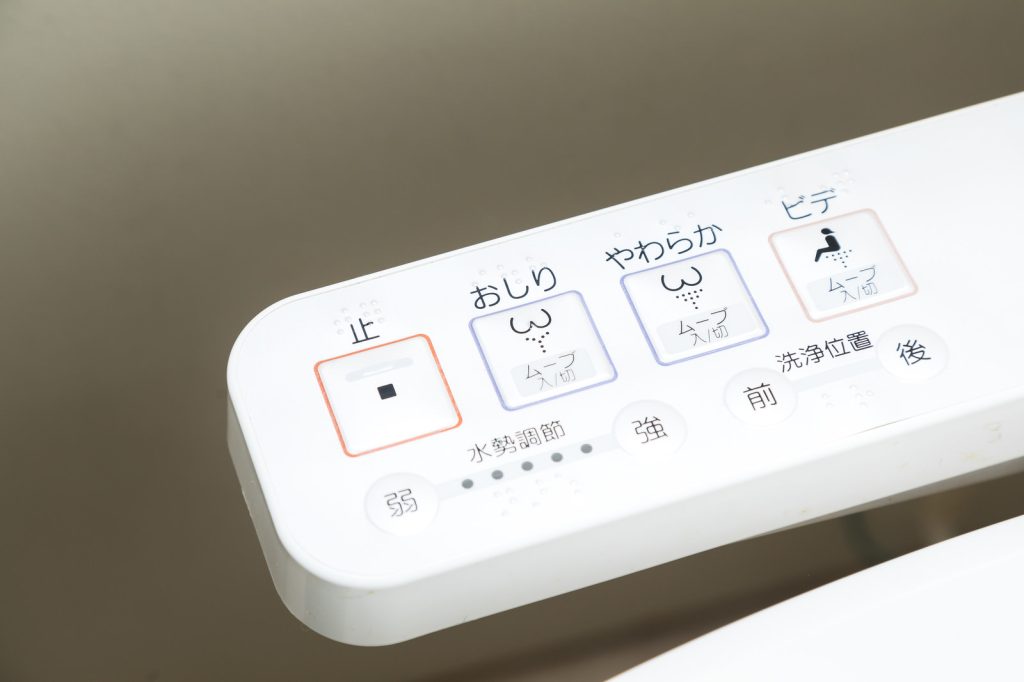
Jonathan lowered himself onto the seat and nearly gasped—it was warm. A gentle comfort spread through him, disarming the small anxiety he hadn’t even realized he was holding. He reached for the side panel with its array of buttons, unsure of what they all did, but before experimenting, he noticed another feature: an unobtrusive sensor that played the sound of running water. At first, he laughed nervously—why would a toilet need sound effects? But then he realized: this was for privacy, to mask the noises of use. It wasn’t about indulgence. It was about respect—for oneself and for others who might share the space.
He sat there longer than necessary, not because of bodily needs, but because he felt, unexpectedly, safe. The stall was quiet, the air comfortable, the design intentional. It was as if the entire room had been built not simply for efficiency, but to honor the person who stepped inside.
And in that moment, Jonathan understood something profound. A toilet—something most of us associate with necessity and nothing more—could be more than functional. In Japan, it was a cultural canvas, a mirror of values. Cleanliness, privacy, consideration, subtle comfort—all woven into a single everyday experience.
When he finally emerged, he carried more than relief. He carried a lesson: that even the most mundane places could hold a kind of stillness, a quiet blessing that whispered of care, respect, and the importance of small, invisible gestures.
This was his first real introduction to what he would later call the quietude of Japanese toilets. And it shifted something in him. In the days to come, as he traveled through Kyoto, Osaka, and smaller towns, he noticed the same pattern repeating itself. Every bathroom seemed to reinforce the same message: that silence, respect, and attention to detail are not luxuries, but essentials woven into daily life.
It was, he realized, a lesson in stillness that no temple visit or guided meditation could have taught him so directly. For in that unlikely place, he was shown that quietude can live even in the most ordinary corners of existence.
Section 1: The Design of Quietude
When Jonathan later thought back to his first encounter with a Japanese restroom, he realized that what had struck him most was not the technology alone, but the way the entire experience seemed deliberately crafted around quietude. Every detail, from the door to the flush, felt like an invitation to slow down, breathe, and exist in peace for a moment. It was as if the space itself whispered: You are safe. You are considered. You can let go of tension here.
The Door That Silences the World
The design of quietude begins before one even reaches the toilet itself. Many Japanese public restrooms have sliding or cushioned-closing doors that shut with an almost inaudible sound. Unlike the metallic clang of Western stall doors, often accompanied by rattling locks and gaps that compromise privacy, Japanese stalls are sealed and silent. This initial step matters: it signals a threshold between the chaos of the outside world and the sanctuary of personal space inside.
Jonathan noticed this difference immediately. In Tokyo Station, one of the busiest places he had ever visited, he entered a stall and felt a bubble of calm settle over him simply because the door sealed shut. The noise of thousands of footsteps, rolling suitcases, and public announcements dulled into the background, replaced by the stillness of a private cocoon.
Fragrance, Freshness, and the Invisible Comforts
Another subtle element of quietude is scent—or rather, the lack of unpleasant scent. Japanese toilets, whether in luxury hotels or roadside convenience stores, are meticulously maintained. Many are equipped with automated deodorizing systems or soft air fresheners that create a sense of lightness in the air. This absence of discomfort is not accidental. It is part of a broader philosophy: that respect for others includes curating even the invisible dimensions of shared spaces.
For Jonathan, this was revolutionary. In his home country, he often avoided public toilets because of their associations with filth and unease. Here, however, he found that stepping into a restroom could actually feel restorative. He began to notice how much his mind relaxed when he didn’t have to hold his breath or steel himself against sensory assault. Quietude, he realized, is not only about silence. It is also about relief from what overwhelms the senses.
Sound as a Shield of Privacy
Perhaps the most iconic example of design serving quietude is the presence of devices like the “Otohime” (Sound Princess), which play the sound of running water or soft ambient noise. At first, this feature struck Jonathan as amusing, almost whimsical. But as he reflected more deeply, he recognized the profound cultural logic behind it.
In many societies, the bathroom is a place of embarrassment, where natural bodily sounds create self-consciousness. In Japan, the response has not been to deny or shame this reality, but to provide a dignified solution: mask the sound, preserve privacy, and allow people to feel at ease.
Here was technology used not to show off but to care quietly for the human experience. Jonathan pressed the button during one of his visits and was surprised by the relief it brought him. He no longer worried about being overheard. The anxiety dissolved into the soothing rhythm of water, and in its place came a sense of calm presence.
Warmth, Cleanliness, and the Subtle Embrace
The warm toilet seat deserves its own meditation. On a winter morning in Hokkaido, Jonathan sat down and felt the gentle heat radiate into his body. It was such a simple thing, and yet it carried immense psychological weight. Cold seats in drafty public restrooms had always triggered a flinch, a reminder of exposure. A warm seat, by contrast, conveyed care: Someone thought of you. Someone anticipated your comfort.
This warmth was more than physical. It became symbolic of the Japanese approach to hospitality—omotenashi—where even the smallest details are considered, not for show, but to quietly ease the burden of another’s life.
Technology Woven with Restraint
What impressed Jonathan most was that none of these features screamed for attention. The design of Japanese toilets is often sophisticated but restrained. The buttons on a washlet panel do not flash neon colors; they are intuitive and modest. The fragrance dispensers are discreet. The sound machines are unobtrusive. The warmth is felt, not flaunted.
This stands in contrast to much of the technology Jonathan knew back home, where innovation often arrives hand-in-hand with spectacle. Here, however, technology was woven seamlessly into the fabric of stillness. It existed not to dazzle, but to support a state of calm.
The Psychology of a Sanctuary
By the end of his second week in Japan, Jonathan found himself oddly grateful for every bathroom visit. What had once been merely a biological necessity had become a ritual pause in his travels, a reliable space of relief—not only for the body, but for the mind.
Each time he entered a stall, he felt an echo of what he had felt that first day: the transition from chaos to calm. Over time, he began to interpret this as more than good design. It was a reflection of cultural values—a collective commitment to honoring quietude in even the most ordinary places.
Cleanliness as Respect
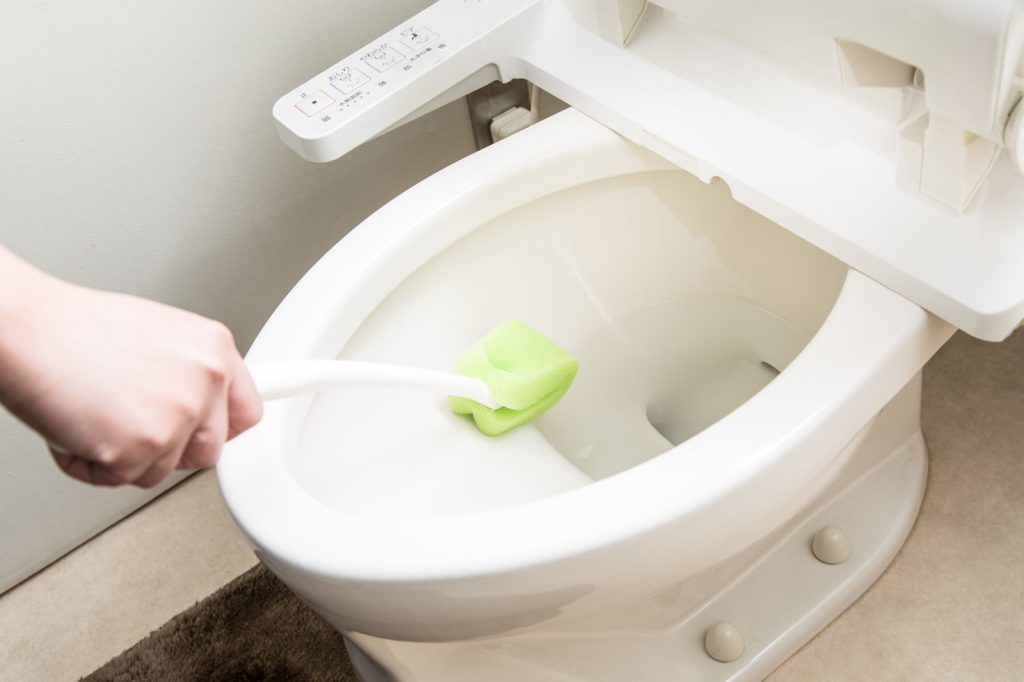
Jonathan had already been struck by the quietude of Japanese toilet design, but what deepened his sense of wonder was the uncompromising cleanliness he encountered again and again. Whether he entered the restroom of a five-star hotel in Kyoto, a small neighborhood café in Fukuoka, or even a 24-hour highway rest stop in rural Shikoku, the experience was consistent: spotless floors, gleaming fixtures, and a sense of order that seemed almost sacred.
In many countries, public restrooms are approached with dread, places people enter reluctantly and exit quickly. In Japan, however, Jonathan began to realize that the restroom could feel like an extension of hospitality. It was not merely “maintained” but lovingly cared for, as though the people responsible saw it not as a disposable corner of society, but as a stage upon which respect for others is quietly expressed.
Cleanliness as an Act of Care
It dawned on Jonathan that the meticulous cleaning was not only about hygiene. It was, at its heart, about respect for the next person who enters. Every spotless mirror, every polished floor tile, every neatly stocked roll of toilet paper spoke to a philosophy: You matter. Your comfort matters.
This was evident in the behavior of janitors and staff. He often saw cleaners enter restrooms with quiet dignity, bow politely before starting their tasks, and work with attention to detail that seemed almost ceremonial. In Western contexts, restroom cleaning is often seen as low-status, invisible labor. In Japan, however, Jonathan noticed a different ethos: the task itself is honored, because it contributes to the dignity of all who will use the space.
Shinto and the Concept of Purification
As Jonathan delved deeper into Japanese culture, he learned that this emphasis on cleanliness was not simply about modern standards of hygiene, but was rooted in centuries of spiritual tradition.
In Shinto, Japan’s indigenous belief system, cleanliness is closely tied to purity. Rituals of purification—washing hands, rinsing the mouth at shrines, cleansing spaces before ceremonies—are seen as essential practices for maintaining harmony between the physical and spiritual worlds. The presence of water, whether in a shrine basin or a washlet in a restroom, is not coincidental; it is part of a cultural inheritance that equates cleansing with renewal.
Thus, the immaculate restroom is not only a matter of convenience. It is a continuation of a cultural reverence for purity, extended into everyday life. Jonathan began to see how something as simple as a well-kept public toilet could be a reflection of an entire worldview: that spaces we share must be purified, again and again, out of respect for both the divine and for one another.
Zen and the Discipline of Order
The influence of Zen Buddhism also echoed through these spaces. Zen emphasizes mindfulness in even the most ordinary actions—sweeping, arranging, cleaning—as ways of cultivating presence and respect. A spotless restroom, then, is not merely about appearances. It is about embodying a discipline of care, transforming a mundane act into an expression of mindfulness.
Jonathan imagined a Zen monk approaching the cleaning of a restroom: with calm intention, no task too humble, no detail unworthy of attention. And in some way, this spirit seemed to be alive in the way Japanese facilities were maintained. The act of cleaning became an invisible gift, offered from one stranger to another, binding people together through small gestures of respect.
The Traveler’s Relief
For Jonathan, the impact was profound. He realized how much tension he carried in his own culture when it came to public restrooms—holding his breath, avoiding surfaces, hurrying through the experience. In Japan, however, he felt the opposite: an ease that allowed him to linger, wash his hands slowly, check his reflection, and walk out refreshed.
This difference was not trivial. It subtly shaped his entire day. When the body is at ease, the mind follows. When one’s environment communicates respect, the heart responds in kind. Jonathan felt that cleanliness here was not only about surfaces, but about the cultivation of calm.
Cleanliness as a Silent Contract
Over time, Jonathan came to see Japanese restroom culture as a kind of silent social contract. The people who cleaned the spaces did so with diligence; the users, in turn, respected the space by leaving it as clean as they found it. There were no signs screaming for compliance, no confrontational warnings. Instead, the environment itself invited cooperation.
And this, Jonathan thought, was the genius of the Japanese approach: respect breeds respect. When you walk into a space that has clearly been cared for, you instinctively wish to care for it too. Cleanliness begets cleanliness, just as kindness begets kindness.
Quietude and Privacy
Jonathan’s first encounter with a Japanese restroom had already taught him much about cleanliness and care. Yet another layer of surprise awaited him: the quiet.
When he closed the door of his stall in a Tokyo department store, the sound of the bustling city outside seemed to fade. The hurried footsteps, the calls of shop clerks, the endless hum of escalators—suddenly all melted into stillness. The restroom became something he had not expected it to be: a sanctuary of privacy.
The Sound of Silence
In many parts of the world, restrooms are noisy, awkward spaces filled with echoes, interruptions, and the discomfort of hearing others—or being heard by them. Jonathan had always found this aspect of public facilities slightly stressful, an unspoken tension where privacy seemed perpetually at risk.
Japan offered him a startling contrast. Not only were restrooms immaculately clean, but they were also designed to reduce intrusive sound. Doors closed with soft precision. The hum of ventilation muffled outside noise. And then there was the innovation that made Jonathan chuckle at first: the “Otohime” or “Sound Princess,” a small device that played running water or gentle noises to mask bodily sounds.
At first, Jonathan thought this was excessive. But the more he reflected, the more he recognized its cultural meaning. In Japan, there is a deep sensitivity to not imposing oneself on others—not visually, not physically, and not acoustically. Even in the most private of acts, the dignity of the individual is preserved through silence.
Privacy as Respect
Jonathan realized that quietude in the restroom was not only about his own comfort. It was about respecting the people around him. By creating an environment where everyone’s privacy was protected, the design fostered a sense of mutual trust.
The stall became more than just a physical enclosure. It was a psychological cocoon, offering him a moment of separation from the noise of the world. For those few minutes, he felt completely unobserved, free to simply breathe. In this way, the restroom became what he later described in his journal as “a meditation cell hidden in plain sight.”
A Cultural Value of Non-Intrusion
The deeper Jonathan traveled into Japan, the more he noticed that this emphasis on quiet privacy extended beyond toilets. Conversations in cafés were often hushed. Train rides, even when crowded, were remarkably subdued. People lowered their voices when taking calls—or avoided calls altogether in public spaces.
The restroom, Jonathan realized, was not an exception but a reflection of this larger cultural pattern: a dedication to not intruding on others’ sense of peace. And while the foreign visitor in him was sometimes bewildered by the extremes of this courtesy, another part of him began to appreciate its wisdom.
A Refuge from the Urban Rush
Particularly in cities like Tokyo or Osaka, where life moves at a relentless pace, Jonathan found himself using restrooms not only for necessity but as brief retreats. Each visit became a pause button, a chance to slow his breathing, close his eyes, and reset his senses.
In some way, these small interludes gave him more than comfort—they gave him resilience. When the urban rush threatened to overwhelm him, he knew he could step into one of these small sanctuaries and emerge calmer, steadier, ready to rejoin the flow of the crowd.
Stories from Other Travelers
Jonathan was not alone in his realization. Over coffee in Kyoto, he met a fellow traveler from France who laughed as she described her own surprise: “Back home, public toilets are a place you avoid. Here, I find myself enjoying them. It’s the only place where I can really feel alone, even in the middle of this busy city.”
Another traveler from Canada shared how she used these spaces as moments of reflection: “Sometimes I just sit there for a bit longer, not because I need to, but because it’s so quiet. It feels like the city gives you permission to breathe.”
These accounts echoed Jonathan’s own discovery: that quietude, even in the most mundane spaces, could nurture a sense of inner balance.
The Restroom as a Mirror of Values
For Jonathan, the experience crystallized into a broader insight. A culture’s values are often revealed not in grand monuments or festivals, but in its everyday spaces. The Japanese restroom, with its quietude and privacy, embodied a philosophy that said: You deserve dignity, even in your most ordinary moments.
It reminded him that silence itself is a form of care. By minimizing embarrassment, by granting space, by protecting privacy, these restrooms whispered a deeper truth: quietude is not an absence, but a gift.
Technology as a Gentle Companion
Jonathan had grown up in a world where technology often announced itself loudly—buzzing smartphones, blaring advertisements, gadgets that promised speed and efficiency but frequently left behind a trail of noise, distraction, and fatigue. So when he encountered the technological sophistication of Japanese toilets, he braced himself for the same sensory overload.
Instead, he found something altogether different.
A Surprising Kind of Innovation
The first time he pressed the button for the washlet function on a heated toilet seat, Jonathan burst out laughing—not from discomfort, but from surprise at how gentle the experience was. The water was warm, the stream adjustable, the process almost ceremonial in its thoughtfulness. Unlike so many forms of technology he was accustomed to, this device was not about acceleration, spectacle, or efficiency alone. It was about comfort, dignity, and care.
The more Jonathan explored, the more he noticed the subtlety with which Japanese toilet technology operated:
- Heated seats that welcomed you in winter without a hint of mechanical noise.
- Automatic lids that opened and closed with quiet grace, removing awkwardness.
- Deodorizers and air purifiers that worked invisibly, ensuring freshness without chemicals or sprays.
- The already beloved Otohime, which covered sounds without calling attention to itself.
Each of these innovations blended seamlessly into the background. They did not demand attention; they simply enhanced experience.
Technology That Doesn’t Shout
Jonathan realized that Japanese toilet technology represented a radically different philosophy than what he often saw back home. In much of the Western world, technology was marketed with bold slogans, flashing lights, constant notifications—a need to prove its presence.
In Japan, technology in restrooms was designed to disappear. The true measure of its success was how little you noticed it. Comfort, privacy, and peace of mind were delivered not through spectacle, but through quiet, reliable support.
This, Jonathan thought, was technology at its most humane.
Comfort as a Priority
It struck him that these innovations did not focus merely on function—they prioritized how the user feels. A warm seat in winter was not about necessity; it was about kindness. A deodorizer was not about masking smells alone, but about reducing discomfort and embarrassment.
Even the choice of buttons—often accompanied by little icons and polite instructions—seemed crafted to reassure rather than intimidate.
For Jonathan, it felt as if the designers were saying: “You matter. Your comfort matters. Even here, in this small, private space.”
The Subtle Art of Non-Intrusion
Another thing that impressed him was how quiet everything was. Automatic lids moved with soft precision. Flushing mechanisms often whispered rather than roared. Even the air fresheners released their work imperceptibly.
Jonathan realized that this attention to silence was not incidental. It was part of a larger Japanese sensibility: technology should serve human well-being without intruding upon it. Where he was used to machines asserting themselves—clunky dryers, loud flushes, squeaky doors—here he found instead a sense of calm companionship.
The restroom itself became an emblem of a cultural truth: the highest form of refinement lies in supporting life without demanding notice.
Beyond Convenience
One evening, in a small inn on a remote Japanese island, Jonathan encountered a simpler version of the washlet system. Even there, far from Tokyo’s glimmering lights, the philosophy remained the same: quiet care. The technology may not have been the newest, but its purpose was still rooted in the idea of making life gently better.
Jonathan scribbled in his travel diary:
“This isn’t about luxury. It’s about a way of thinking—technology as a soft presence, not a noisy master. Here, machines don’t command us. They bow to us.”
A Lesson for the Wider World
The more he reflected, the more Jonathan wondered how life might change if this philosophy spread beyond the restroom. What if phones, cars, or even public transport adopted the same principle—that the best technology is that which is felt as kindness, not as intrusion?
He imagined a world where gadgets calmed rather than overstimulated, where innovation elevated human dignity rather than productivity metrics. Japanese toilets, he realized, were not just about sanitation—they were about rethinking the role of technology in human life.
Lessons for Daily Life
Jonathan often thought back to that first encounter with a Japanese restroom. What surprised him most was not the heated seat or the quiet hum of the deodorizer. It was the feeling—an unmistakable sense of being cared for. In a space so often overlooked in daily life, he had discovered a profound philosophy of quietude, respect, and consideration.
He began to wonder: could the lessons learned in a restroom ripple outward into the rest of life? Could a toilet, humble and ordinary as it seemed, actually serve as a teacher for living more thoughtfully?
The answer, Jonathan realized, was yes.
Lesson 1: Quietness as a Form of Respect
The sound-masking devices in Japanese restrooms, like the famous Otohime, reminded Jonathan of an essential truth: quietness is not emptiness—it is consideration. By covering the noises of daily necessity, the device did more than reduce embarrassment; it protected privacy, dignity, and harmony.
Applied beyond the restroom, this meant choosing words carefully in conversation, lowering one’s voice in shared spaces, and practicing restraint in environments where silence is valuable.
Jonathan wrote in his notebook:
“When I am quiet, I am not withholding—I am making room for others to breathe.”
Lesson 2: Cleanliness as Care for Others
Japanese restrooms are famously spotless, whether in luxury hotels or train stations. Jonathan noticed that this cleanliness wasn’t just the work of cleaning staff—it was also the result of individual responsibility. Users often left the restroom as clean as they found it, a small gesture of respect for the next person.
In daily life, this translated into an ethic of leaving things better than you found them:
- Washing dishes without being asked.
- Tidying a meeting room after use.
- Picking up litter even if it wasn’t yours.
Cleanliness here wasn’t about perfectionism—it was about kindness made visible.
Lesson 3: Technology That Comforts, Not Controls
The gentle functionality of Japanese toilets taught Jonathan that technology works best when it supports rather than dominates. Heated seats, automatic lids, and subtle deodorizers were all small gestures of comfort, not flashy features.
This led him to reflect on his relationship with his phone, laptop, and other gadgets. Did they comfort him—or control him? Did they make his life gentler—or noisier?
Jonathan began experimenting with digital quietude:
- Turning off unnecessary notifications.
- Choosing apps that simplified rather than complicated his routines.
- Scheduling screen-free hours each day.
Like the washlet, he realized, technology should whisper—not shout.
Lesson 4: Small Spaces as Sanctuaries
One of Jonathan’s biggest surprises was how a restroom—a space he rarely thought about back home—became a kind of miniature sanctuary in Japan. A clean, quiet, thoughtfully designed restroom gave him a few moments of rest in the middle of a hectic day.
He began to see other “small spaces” in his own life as potential sanctuaries:
- A corner of his apartment with a comfortable chair and a candle.
- A quiet bench in a nearby park.
- Even his desk, when tidied and cleared of clutter.
The lesson was simple: we all need small islands of calm, even in the busiest environments.
Lesson 5: Politeness as Everyday Mindfulness
Jonathan realized that much of what impressed him about Japanese toilets was not the technology itself, but the spirit behind it: politeness, mindfulness, and attentiveness to others.
This spirit could be carried into everyday interactions:
- Holding the door for a stranger.
- Speaking softly in shared spaces.
- Thinking not only of one’s own comfort but also of the unseen person who comes after.
In this sense, every act of politeness became a form of mindfulness—an awareness that our actions ripple outward.
A Shift in Perspective
As Jonathan reflected, he recognized that these lessons were not limited to Japan, nor to toilets. They were universal. A restroom might seem like a humble teacher, but it carried wisdom about how to live with care, dignity, and serenity.
He thought of the people he had seen back home, rushing through life, multitasking, speaking loudly on phones, leaving messes for others to clean. Then he thought of the quiet, clean, considerate Japanese restrooms—and he realized:
“Even the most ordinary spaces can teach us how to live more gracefully.”

A Broader Reflection on Quietude
Jonathan sat in a small café in Kyoto after his trip to Nara. The morning sun filtered softly through the shoji screens, casting squares of light onto the wooden floor. He sipped his tea and thought again about what he had learned—not only in temples or gardens, but in the most unexpected of places: the restroom.
It struck him how much this experience had widened his understanding of quietude. He had arrived in Japan expecting to find quiet in monasteries, in rituals, in the hush of traditional arts. He had not expected to encounter it in public bathrooms. Yet there it was, woven into every detail: the sound-masking devices, the immaculate surfaces, the gentle warmth of the seat, the absence of harsh noises.
This realization shifted his perspective. Quietude was not just something reserved for sacred or “special” places. It could be built into the ordinary, and perhaps that was the most powerful lesson of all.
Quietude as a Universal Human Need
Jonathan realized that quiet is not a luxury, nor a cultural curiosity—it is a human necessity. In an increasingly noisy, overstimulated world, silence is not an absence but a presence. It nourishes the mind and body in the same way that food and sleep do.
What Japanese restrooms revealed was the practical recognition of this truth: a society that takes silence seriously, even in the smallest of spaces, is a society that recognizes the dignity of its people.
He thought of busy train stations back home, with blaring announcements, advertisements flashing from every wall, and public restrooms that were often chaotic or unpleasant. He contrasted this with the quiet oasis of a Japanese restroom, and he wondered: What if we built silence into our cities, our workplaces, our homes?
The Power of Micro-Moments
The restroom experience reminded Jonathan that silence and serenity need not require long retreats or secluded vacations. They can come in micro-moments:
- A pause before speaking.
- A deep breath between emails.
- A short walk without headphones.
- The decision to leave a space tidy for the next person.
These small gestures accumulate. They create ripples of calm in a society that desperately needs them. Just as each clean, quiet restroom visit adds to a traveler’s sense of ease, each mindful pause in daily life adds to our collective well-being.
From Individual Quietude to Social Harmony
What impressed Jonathan most was how Japanese restrooms revealed the interconnection between individual actions and social harmony. When one person cleans up after themselves, the next person benefits. When one person uses the sound-masking device, another’s comfort is protected. When technology is designed to support rather than intrude, everyone feels more at ease.
Quietude, then, was not just personal—it was communal. It created invisible threads of trust and comfort between strangers.
He wondered how different life back home might feel if people embraced this same ethos—not just in bathrooms, but in public transportation, offices, restaurants, and shared living spaces. Could quietude become a foundation for deeper civility?
The Humble Teacher
The more Jonathan reflected, the more he appreciated the humility of this lesson. A restroom is not a grand temple or a cultural landmark. It is ordinary, overlooked, even mundane. And yet, perhaps that was the point. Quietude is not something to be chased in distant retreats; it is something to be cultivated in the everyday.
The toilet, in all its unassuming practicality, became for Jonathan a symbol of this truth: that true refinement lies not in extravagance, but in the gentle details of daily life.
A Universal Invitation
Jonathan left Japan carrying this insight with him: quietude is not confined to one culture. While Japan offered him a striking example, the invitation was universal. Every society, every home, every individual has the capacity to create spaces of silence and care.
It may be as simple as:
- Lowering one’s voice.
- Designing spaces with warmth and simplicity.
- Making cleanliness a shared responsibility.
- Seeing comfort not as indulgence, but as respect for the body and mind.
The Japanese restroom had become, for him, a mirror reflecting back a timeless truth: quietude enriches life, not by removing activity, but by infusing it with dignity, care, and awareness.
Closing Reflection: A Humble Teacher
Jonathan stood outside the train station, the crisp autumn air carrying the faint scent of roasted chestnuts from a nearby street vendor. He thought back over the past week, retracing the quiet lessons Japan had offered him. Not only had he wandered through serene temples, strolled beneath maple-lined streets, and sipped tea in sunlit gardens—but he had also learned something profoundly unexpected from the humblest of spaces: the restroom.
It was a place most travelers overlook, a destination deemed purely functional, and yet, within those walls, he had discovered a philosophy of life. Every detail, from the soft hum of the air circulation to the heated seat, the sound-masking device, and the spotless surfaces, communicated a subtle yet profound message: life is enriched by thoughtful attention, care, and respect for others.
Stillness as a Form of Respect
Jonathan reflected on how these experiences contrasted with his own culture’s typical approach to public spaces. In many cities, restrooms are utilitarian at best, chaotic at worst—spaces where urgency overrides consideration, and the human need for quiet and comfort is largely ignored.
In Japan, however, the restroom became a microcosm of civility. Here, stillness was not imposed, it was invited. Cleanliness was not merely hygienic, it was expressed care. Silence was not emptiness, it was presence.
Jonathan realized that these lessons extended far beyond toilets—they were metaphors for life itself. Every environment, every interaction, could benefit from this quiet mindfulness. In nurturing spaces of comfort and care, we not only honor others, but we also nourish our own sense of calm and dignity.
The Universality of Quietude
The lesson of the Japanese restroom transcended culture, language, and geography. Quietude is not a luxury; it is a human need, a universal value. It allows reflection, encourages empathy, and provides the mental breathing room necessary for thoughtful action.
Jonathan pictured how life might change if this philosophy were adopted more widely. In workplaces, classrooms, hospitals, and public spaces—anywhere human activity occurs—small acts of thoughtfulness and attention could create a ripple effect of calm, comfort, and respect.
Even in the smallest gestures—a gentle closing of a door, a considerate design choice, a simple effort to leave a space cleaner than one found it—quietude could be woven into daily life.
A Teacher in the Everyday
The restroom had taught Jonathan that teachers are everywhere. They are not always the grand masters or monumental works of art we expect. Sometimes, the most profound wisdom comes from the most ordinary spaces, the unnoticed corners of daily life.
In this way, the Japanese restroom became a humble classroom, a sanctuary where he learned about stillness, respect, and the subtle artistry of care. Each visit was a meditation, each detail a lesson in how ordinary environments can cultivate inner peace.
He understood now that quietude is not about withdrawing from life—it is about living more fully, more attentively, more kindly.
QuietTether’s Philosophy
Jonathan smiled as he recalled a favorite line he had read earlier:
“In the quiet hum of a Japanese toilet, we are reminded that true refinement lies not in extravagance, but in the gentle care for comfort, privacy, and stillness.”
Indeed, to embrace quietude is not to escape life, but to enhance it. It is to recognize that every action, every environment, every interaction is an opportunity to nurture calm and consideration—not just for oneself, but for all who share the space.
As he boarded the train, Jonathan carried this lesson with him like a small, luminous gem, one that would continue to influence the way he approached everyday life. He had learned that even in the humblest corners of the world, there lies a profound invitation to slow down, pay attention, and respect the quiet rhythm of living.