Opening Story: A Small but Surprising Ritual
When Daniel, a graduate student from the United States, received an invitation to have dinner at his Japanese friend’s family home in Tokyo, he was both excited and slightly nervous. He had read about Japanese customs in guidebooks, but nothing compares to experiencing them firsthand.
As he walked through the quiet residential street, he noticed how different it felt compared to the bustling city center. The narrow road was lined with small gardens, bicycles parked neatly by the gates, and the faint aroma of miso soup drifting from nearby kitchens. When he reached his friend’s house, he rang the bell, and the sliding door opened almost instantly.
“Daniel-san, welcome!” his friend greeted warmly, bowing lightly. Daniel smiled, instinctively giving a small wave, then stepped inside. That was when he noticed the genkan, the small lowered area at the entrance. It was tiled and slightly darker than the wooden floor beyond. Several pairs of shoes were lined up neatly, all facing the same direction—toward the door.
Daniel hesitated. Back home in the United States, people rarely took off their shoes unless the host specifically requested it. Carpets, tiles, or hardwood floors were all walked on with the same sneakers, boots, or loafers one wore outside. He remembered seeing a note in his travel book: “Always remove your shoes before entering a Japanese home.”
Still, the habit wasn’t natural to him. Out of instinct, he took a step forward, sneaker still on his foot. His friend quickly but kindly stopped him with a small gesture.
“Ah, Daniel-san,” his friend said gently, pointing toward the tiled step. “Shoes—here.”
Daniel laughed awkwardly, his face turning slightly red. “Oh, right! Sorry, I almost forgot.”
He bent down, untying his sneakers clumsily, trying not to block the doorway. His socks—thankfully clean—touched the cool surface of the tiles. His friend demonstrated effortlessly, slipping out of his shoes in one graceful motion and stepping up onto the polished wooden floor. He gestured for Daniel to follow.
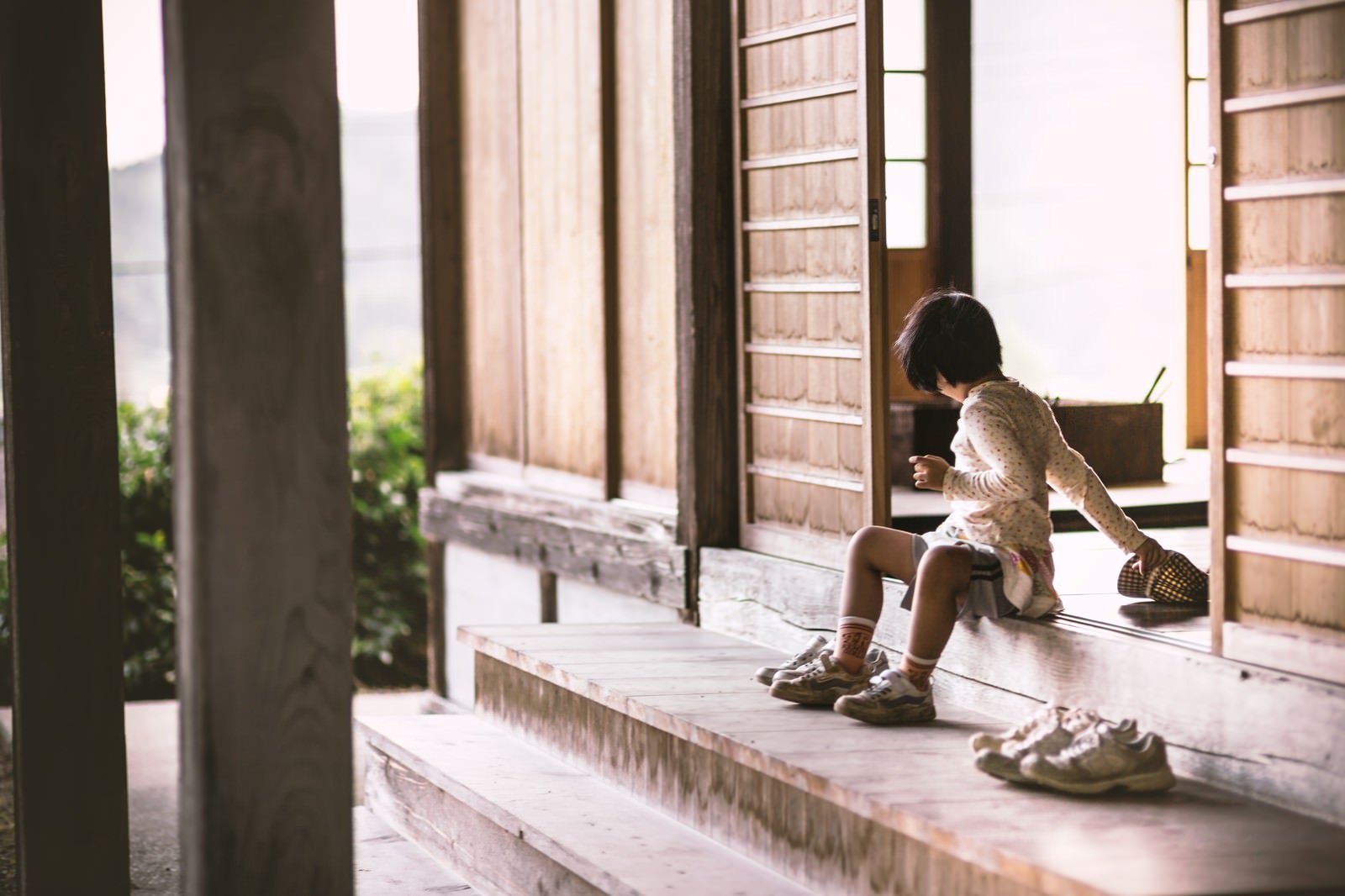
On the raised floor, a pair of soft slippers was waiting. Daniel slipped his feet into them, surprised by how light and comfortable they felt. As he stepped onto the wooden hallway, he noticed how the atmosphere changed immediately. The outside world—dusty streets, rushing trains, the noise of the city—seemed far away. The air inside was quiet, clean, and warm.
At first, Daniel felt slightly vulnerable. In his culture, keeping one’s shoes on indoors felt natural, almost like keeping a layer of protection. Without them, he felt exposed, almost childlike. But as the evening went on, he began to realize something unexpected.
Walking on the tatami mats in socks gave him a strange sense of comfort. The mats were firm yet soft, springy underfoot, and they smelled faintly of grass. Sitting cross-legged on the floor at the low dining table, he felt a closeness to the environment and to the people around him that was unfamiliar yet strangely soothing.
Later that night, after the meal of home-cooked miso soup, grilled fish, and rice balls, Daniel sat back, feeling more relaxed than he had in weeks. The simple act of removing his shoes had changed the entire experience of being in someone’s home. It wasn’t just about cleanliness—it created an atmosphere of intimacy, safety, and respect.
He thought about it as he walked back to his guesthouse later that evening, shoes firmly back on his feet. Why had something so small made such a big difference? He realized that the ritual of shoe removal was more than a rule—it was a cultural language. By taking off his shoes, he had symbolically entered not just a house, but a world of values: respect for space, care for cleanliness, and an appreciation of comfort that he had never noticed before.
When Daniel later told his family about this experience, he laughed. “It felt strange at first,” he said, “but honestly, after a while, it made sense. You feel lighter, more relaxed, even more welcome. Back home, we never think about shoes as anything but shoes. But in Japan, taking them off is like saying, ‘I’m here with you. I leave the outside world behind.’”
That evening in Tokyo became one of his most memorable cultural experiences. What seemed like a small ritual at the doorway turned out to be a profound lesson: sometimes the simplest acts—like slipping off your shoes—carry the deepest meanings.
The Origins of Shoe Removal in Japan
To understand why Daniel’s moment at the genkan felt so profound, one must look back into the long and layered history of Japan itself. The custom of removing shoes at the entrance of a home—or even a temple, inn, or school—did not emerge by chance. It is rooted in centuries of architectural design, agricultural traditions, and spiritual practices that together shaped the Japanese way of life.
The Influence of Traditional Architecture
Japanese houses have historically been constructed with delicate natural materials: wooden beams, sliding paper doors (shoji), and floors made of woven straw mats known as tatami. Unlike stone houses in Europe or carpeted homes in North America, these interiors are vulnerable to dirt, moisture, and damage. Wearing shoes indoors would quickly tear the mats and stain the wood. The obvious solution was simple: keep the outside dirt outside.
But practicality is only the beginning. Japanese homes were also designed with an emphasis on harmony with nature. Floors were often slightly elevated above the ground to protect against humidity and insects. This elevation created a natural threshold at the entrance—a step up from the earth into a cleaner, more sacred living space. Over time, this step evolved into the genkan, the designated area for removing shoes.
Even today, when tatami mats are less common in urban apartments, the architectural tradition remains. The genkan continues to mark a clear boundary: the dusty, chaotic world of the street is left behind, and one steps into the calm, orderly atmosphere of the home.
Agriculture and Cleanliness
The Japanese shoe-removal custom also has roots in agriculture. For centuries, Japan was an agrarian society, with rice cultivation at its heart. Fields were muddy, and farmers often worked barefoot or in straw sandals that easily became soiled. To protect the household, it was essential to keep this mud out of living spaces.
This connection between agriculture and cleanliness created a broader cultural expectation: the home must remain pure, a place of both rest and spiritual clarity. Shoes, associated with the outside labor of fields or streets, symbolized impurity. Removing them was more than a matter of hygiene—it was an act of respect for the sanctity of the household.
Shinto, Buddhism, and the Idea of Purification
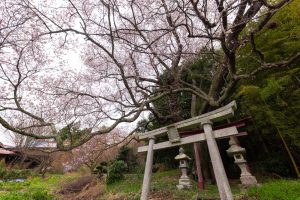
Religion, too, played a vital role in shaping the practice. In Shinto, Japan’s indigenous spirituality, cleanliness is closely tied to purity, both physical and spiritual. When visiting a shrine, worshippers wash their hands and rinse their mouths at a temizuya before approaching the sacred area. In many shrines, visitors must also remove their shoes before stepping onto the inner grounds or into sacred halls.
Similarly, in Buddhism, which has deeply influenced Japanese culture, shoes are often left outside temples. To walk into a place of meditation with dirty footwear would be to disrespect the sacred space. These religious practices reinforced the idea that footwear belongs to the “outside,” while the “inside” must be kept pure and untainted.
As religion intertwined with daily life, this ritual of removal extended beyond shrines and temples and became a cornerstone of ordinary households. Each time one removed their shoes, they were not only maintaining hygiene but also honoring an unspoken spiritual principle: that living spaces should be peaceful, clean, and set apart from the struggles of the outside world.
The Genkan as a Cultural Invention
What makes Japan’s practice unique is the development of the genkan. Unlike in many other cultures, where people may simply leave shoes by the door, the Japanese house intentionally creates a special architectural space for this transition.
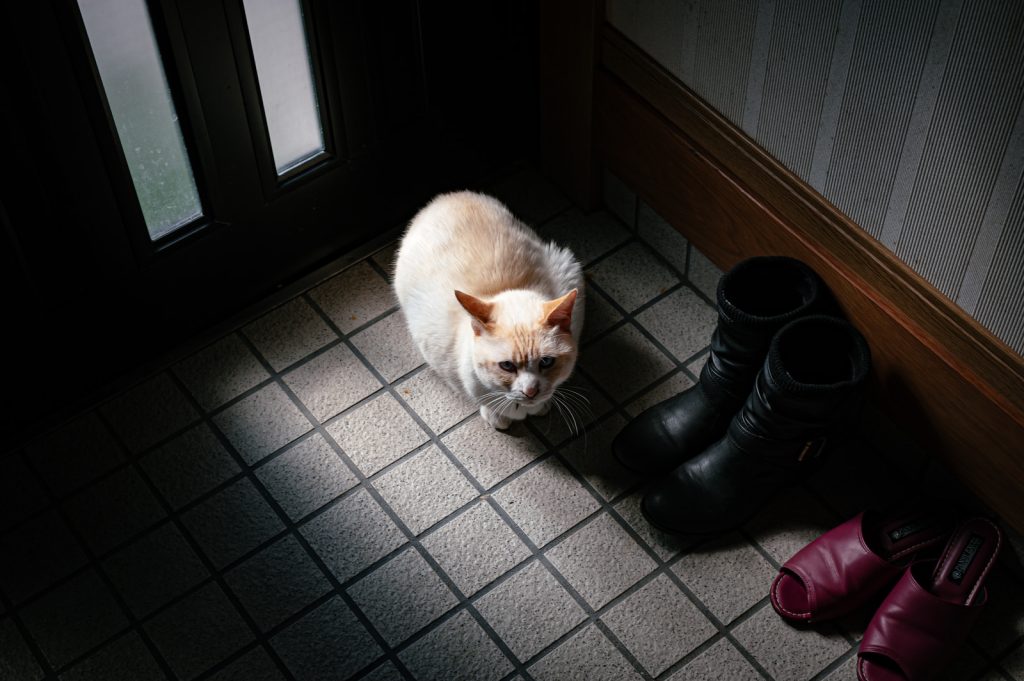
The genkan is typically a small recessed area with a lower floor made of stone, tile, or concrete. It serves as both a physical and symbolic boundary. Shoes remain below, often neatly lined up facing outward for easy exit, while the raised wooden or tatami floor beyond is reserved for indoor life. This small step, both literal and metaphorical, represents the passage from “public” to “private,” from “dirty” to “clean,” and from “outside” to “inside.”
For foreign visitors, this design often comes as a revelation. In the West, the boundary between outside and inside is less clearly marked. People may wipe their shoes on a doormat, but they continue to wear them throughout the home. In Japan, the architecture itself enforces the practice, ensuring that everyone—local or guest—observes the same ritual.
Continuity Through Centuries
It is striking how resilient this custom has been. Despite modernization, industrialization, and the rise of concrete apartment complexes, the tradition of removing shoes persists. Even in high-rise buildings in Tokyo, where tatami floors are rare, the genkan remains an essential feature of the floor plan.
Why? Because the habit has moved beyond practicality into the realm of cultural identity. To step into a Japanese home with shoes still on would feel not just dirty, but disrespectful—an intrusion into the family’s intimate space. This shows how customs evolve: what began as a way to protect fragile floors and keep mud away became a ritual of respect, woven into the fabric of everyday life.
A Small Ritual with Great Meaning
Thus, when Daniel paused at his friend’s doorway, he wasn’t just being asked to remove his sneakers for cleanliness. He was being invited to cross into a centuries-old practice, shaped by architecture, agriculture, and spirituality. In that moment, he was joining countless generations who had performed the same ritual: pausing at the threshold, slipping off the dust of the outside world, and stepping into a space of purity and peace.
What might seem like a small, even inconvenient gesture to outsiders is, in fact, one of the most enduring cultural markers of Japan. It signals care for the home, reverence for tradition, and respect for the people who inhabit the space.
Genkan—The Threshold of Two Worlds
If the custom of removing shoes reveals the origins of Japan’s cultural emphasis on cleanliness and respect, then the genkan—that small but significant space at the entrance of every Japanese home—embodies the ritual in physical form. To truly appreciate why visitors like Daniel often feel such a profound shift when stepping through the genkan, we must understand how this architectural feature functions as both a physical barrier and a symbolic threshold.
The Physical Design of the Genkan
At first glance, the genkan seems deceptively simple: a recessed area just inside the front door, often floored with stone, tile, or concrete, and positioned slightly lower than the rest of the house. But within this small design detail lies a wealth of meaning.
The lowered level creates a clear division. Shoes remain on the genkan floor, while the raised wooden or tatami floor beyond is reserved for indoor living. This elevation is more than just practical—it enforces an unspoken rule: outside and inside do not mix. The design leaves little room for ambiguity. Even a first-time visitor, seeing the step up, intuitively understands that something changes here.
The Ritual of Removal
The genkan is not merely a place to leave shoes; it is the stage for a small ritual. Upon entering, one pauses, faces inward, and slips off their shoes carefully so as not to let them touch the raised floor. Then, often without thinking, the person turns their shoes neatly around, toes pointing outward toward the door.
This gesture, though small, communicates respect. By aligning shoes for easy exit, the guest symbolically says, “I am ready to leave whenever necessary; I will not impose.” The host, in turn, might step forward to offer slippers, guiding the guest further into the home. In this short exchange, the relationship between host and guest begins, grounded in courtesy and humility.
Foreigners often find this process surprisingly formal. In the West, guests may casually kick off their shoes at the door, piling them haphazardly. In Japan, however, the way one handles their footwear reflects one’s character. A neatly placed pair of shoes shows awareness and refinement; a messy heap may suggest carelessness. In this sense, the genkan is not only about cleanliness but also about social grace.
The Boundary Between Public and Private
Culturally, the genkan is a liminal space—a boundary where two worlds meet. Outside is the public sphere: work, travel, noise, and obligation. Inside is the private sphere: family, intimacy, relaxation, and trust. The genkan marks the line between these realms, reminding everyone who enters that they are crossing into a different mode of being.
For the host, the genkan is the first place where they greet a guest. It is both part of the home and not quite inside it, allowing for flexibility in interaction. A delivery worker might step only into the genkan to hand over a package, never intruding into the deeper space of the house. A close friend, however, is invited across the step, offered slippers, and welcomed fully inside. Thus, the genkan acts as a filter, regulating the degree of intimacy granted.
The Guest’s Perspective
For a foreign traveler, standing at the genkan can be a moment of cultural learning. At first, the rules may feel puzzling: Why must shoes be lined up neatly? Why are slippers offered in some homes but not others? Why are there separate slippers for the bathroom?
Yet, once the traveler experiences the rhythm of this space a few times, the logic reveals itself. The genkan is not about rigid rules but about signaling respect and care. It reminds both guest and host that the home is a sacred retreat, not just another extension of the outside world.
Many visitors report that after a few weeks in Japan, the act of removing shoes at the genkan begins to feel natural, even comforting. Some even adopt the practice in their own countries, discovering that it fosters a sense of calm and cleanliness in their daily lives.
Genkan Beyond the Home
Interestingly, the concept of the genkan extends beyond private residences. In schools, students remove their outdoor shoes at the entrance and change into indoor shoes called uwabaki. This creates not only cleanliness but also a shared sense of belonging: all students, regardless of background, wear the same indoor footwear, symbolizing equality.
In traditional inns (ryokan), the genkan experience is heightened. Guests are greeted with bows, invited to remove their shoes, and often provided with slippers or even socks for walking on tatami mats. The transition is ceremonial, signaling that one is leaving behind the stresses of travel and stepping into a space of hospitality and rest.
Even certain workplaces, clinics, and restaurants follow this system, providing a genkan-like area where shoes are exchanged for slippers. Each time, the act reinforces the cultural logic: outside dirt stays outside, inside remains protected.
The Genkan as Cultural Symbol
From an anthropological perspective, the genkan is a microcosm of Japanese values. It demonstrates the importance of boundaries, respect for shared space, and the desire to maintain harmony between individuals. To ignore or mishandle the genkan ritual is not merely a breach of etiquette—it disrupts the delicate balance between host and guest, between outside and inside.
This is why Japanese people often remember vivid childhood lessons about the genkan. Parents remind children to align their shoes neatly, not to step onto the raised floor with dirty soles, and to always offer polite greetings there. These small habits become ingrained, shaping a lifelong sensitivity to space and respect.
A Threshold of Mind and Spirit
Ultimately, the genkan is more than an architectural feature; it is a mental and spiritual threshold. To step up from the genkan into the home is to leave behind the burdens of the outside world. Shoes, which have carried one through crowded trains, rainy streets, or muddy fields, are removed like armor. What remains is the self, lighter and freer, ready to engage in the warmth of domestic life.
For Daniel, standing barefoot in his friend’s living room, the memory of the genkan lingered. It was not only the comfort of slippers or the novelty of the ritual but the sense that he had been invited into something deeply personal. The threshold he crossed was not only physical but cultural, leading him closer to understanding the heart of Japanese hospitality.
Cleanliness, Respect, and Comfort
In Japan, removing shoes is never merely a practical act; it is deeply intertwined with three intertwined values: cleanliness, respect, and comfort. Each time someone steps into a home, office, or traditional space, the ritual of leaving footwear behind conveys far more than keeping floors dirt-free—it signals consideration for others, a desire to maintain harmony, and a subtle invitation to relax.
Cleanliness: The First Layer
At its most immediate level, the custom of removing shoes is about hygiene. Japan is a country where rice cultivation, careful personal habits, and compact living spaces have historically made cleanliness a social necessity. Shoes, which walk through streets, mud, and urban grime, are considered carriers of dirt. Allowing them into the home would introduce chaos into spaces meant for relaxation, eating, and sometimes sitting on the floor itself.
This emphasis on cleanliness extends beyond domestic spaces. Schools, hospitals, temples, and traditional inns require the removal of shoes or the use of indoor footwear to maintain sanitary conditions. Even casual restaurants may provide a small area to remove shoes, signaling that the indoor environment is a space separate from the outside. By keeping floors clean, Japan cultivates not only physical hygiene but also a sense of order and respect for shared space.
Respect: The Social Dimension
Yet the act of removing shoes also communicates respect. In a Japanese home, shoes are not just dirt carriers—they symbolize the outside world, with all its pressures, unpredictability, and personal concerns. Leaving shoes at the door is akin to laying aside the stresses and obligations of daily life. It is a gesture that tells the host: “I honor your space. I will not impose the burdens of my world upon you.”
This respect is reciprocal. The host, by providing slippers or guiding the guest carefully through the home, demonstrates attentiveness and care. Even the alignment of shoes at the genkan communicates social awareness. Toe points outward, heels together, in neat pairs: every detail matters. A foreign visitor who fumbles this step may be gently corrected, but the act is never punitive—it is an invitation to learn, to participate in a social dance that prioritizes harmony and thoughtfulness.
The emphasis on respect extends to hierarchical structures as well. In traditional workplaces, a manager may enter a room where subordinates are seated on tatami, having removed their shoes. The manager, too, must follow the etiquette, maintaining the subtle balance of humility, authority, and shared cultural norms. Shoes, in this context, become symbols not merely of physical presence but of social positioning, awareness, and mutual regard.
Comfort: A Subtle Psychological Shift
Beyond hygiene and social propriety lies comfort—a quality both psychological and physical. Removing shoes has a transformative effect. After a long day of commuting, standing in shoes that restrict the feet, a person can finally release tension by stepping onto a soft wooden floor or tatami mat. The transition from the outside world to the interior is not just spatial; it is emotional. The soles of the feet, often the first to bear the day’s burden, experience a gentle liberation.
Slippers, lightweight socks, or simply bare feet invite a new kind of engagement with space. Individuals feel freer to move, to sit on the floor, or even to relax in intimate, familiar ways. The act signals: this is a place of rest, of warmth, of human connection. Visitors, initially hesitant about bare feet or unfamiliar surfaces, often report a sense of surprise at how calming the ritual becomes. What begins as a simple courtesy transforms into a quiet, restorative moment.
The Intersection of Cleanliness, Respect, and Comfort
What is remarkable about the Japanese approach is how these three values—cleanliness, respect, and comfort—interweave seamlessly. Leaving shoes at the door is not simply about hygiene; it is a demonstration of awareness and thoughtfulness toward others. It also creates a space where people can relax, physically and emotionally, because the home remains clean and organized, and social harmony is maintained.
Consider the simple act of offering slippers. To a foreigner, it may seem unnecessary, even trivial. But within the cultural context, it accomplishes multiple goals at once. The guest avoids contacting potentially cold or dirty floors, preserving comfort. The host signals attentiveness and care, reflecting respect. And by ensuring that indoor surfaces remain clean, the ritual maintains a sense of order and dignity throughout the space. Each action resonates with cultural significance, often unnoticed by those raised within it, but deeply meaningful to those learning it anew.
Everyday Examples
The subtleties of this triad are evident in daily life. When a family sits down for a meal on tatami mats, bare feet or socks preserve the cleanliness of the space while allowing comfort in posture. A visitor entering a friend’s home removes shoes and slides into slippers, immediately sensing the calm atmosphere that the ritual creates. Even casual interactions, like helping a neighbor bring in groceries, are filtered through this lens: shoes are removed to maintain the house’s cleanliness, reflecting respect for the inhabitant, while the act simultaneously creates a sense of warmth and welcome.
The ritual also carries seasonal and symbolic meaning. In the rainy months, shoes may carry mud, snow, or wetness. Removing them protects floors and tatami mats, and in doing so, the host demonstrates foresight and care. During festivals or formal gatherings, the precise alignment of shoes and proper slipper etiquette underscore respect for tradition and the comfort of all participants.
Beyond the Home: Public Spaces and Cultural Training
Schools and traditional inns extend the same principles. Students at Japanese schools remove outdoor shoes and don indoor shoes (uwabaki) to maintain cleanliness across the entire institution. This practice fosters a sense of shared responsibility and mutual respect. Guests at ryokan experience an immersive version of the same logic, with layered floors, slippers, and carefully maintained pathways signaling both hygiene and cultural sophistication.
Even in some public buildings, the removal of shoes or the wearing of protective coverings preserves delicate surfaces while emphasizing awareness of shared space. In each scenario, the trio of cleanliness, respect, and comfort guides behavior, creating an environment in which people feel cared for, safe, and valued.
The Quiet Philosophy Behind the Ritual
Ultimately, the Japanese approach to shoes reflects a philosophy that places interpersonal harmony and personal well-being above convenience. Removing shoes is not burdensome; it is a subtle yet powerful way of acknowledging the space, its inhabitants, and oneself. It bridges practical necessity with social grace, hygiene with mindfulness, and physical comfort with emotional ease.
For travelers like Daniel, experiencing this for the first time often sparks reflection. The simple act of leaving shoes at the door is a lesson in attentiveness, care, and subtlety. It teaches that small gestures—aligning shoes, offering slippers, observing quiet rituals—can communicate respect and create comfort without words.
In this sense, the genkan and the removal of shoes are not just about floors or footwear; they are about cultivating a space where people can relax, connect, and honor one another. Cleanliness, respect, and comfort are not isolated values—they are inseparable elements of a lifestyle that celebrates mindfulness in every step.
Shoes Off Beyond the Home
In Japan, the ritual of removing shoes extends far beyond the domestic sphere. While the genkan in homes is the most familiar context for foreigners, this custom permeates schools, temples, inns, hospitals, and even some restaurants, demonstrating the deep-rooted cultural logic of cleanliness, respect, and comfort. Understanding these settings helps travelers and residents alike navigate Japanese spaces with sensitivity and appreciation.
Schools: Cultivating Responsibility and Cleanliness
One of the first places Japanese children encounter the shoes-off culture outside the home is school. From elementary schools to high schools, students remove outdoor shoes at the entrance and change into indoor shoes called uwabaki. These soft, lightweight shoes are designed exclusively for indoor use, keeping classrooms spotless while allowing comfortable movement throughout the day.
This practice is not simply about hygiene; it instills a sense of responsibility and communal respect. Students learn that their actions directly affect the cleanliness and comfort of the shared environment. Teachers often emphasize neat placement of shoes and uwabaki, subtly reinforcing discipline and awareness. For a foreign visitor, observing children lining up shoes in perfect order can be both surprising and impressive, revealing a culture where even small gestures carry social significance.
Temples and Shrines: A Spiritual Dimension
In religious spaces, removing shoes takes on additional symbolic meaning. Visitors to temples and shrines are expected to leave footwear at designated areas before entering sacred halls. The practice reflects centuries-old beliefs in purity and the separation of the sacred from the profane.
Stepping onto tatami mats or polished wooden floors barefoot or in socks communicates humility and reverence. It transforms a simple act of cleanliness into a spiritual one. For travelers accustomed to casual footwear policies, this can be a striking lesson in the ways physical boundaries reflect cultural and spiritual values. Observing monks and worshippers carefully removing shoes offers insight into a profound connection between ritual, respect, and inner calm.
Ryokan and Traditional Inns: Comfort Meets Tradition
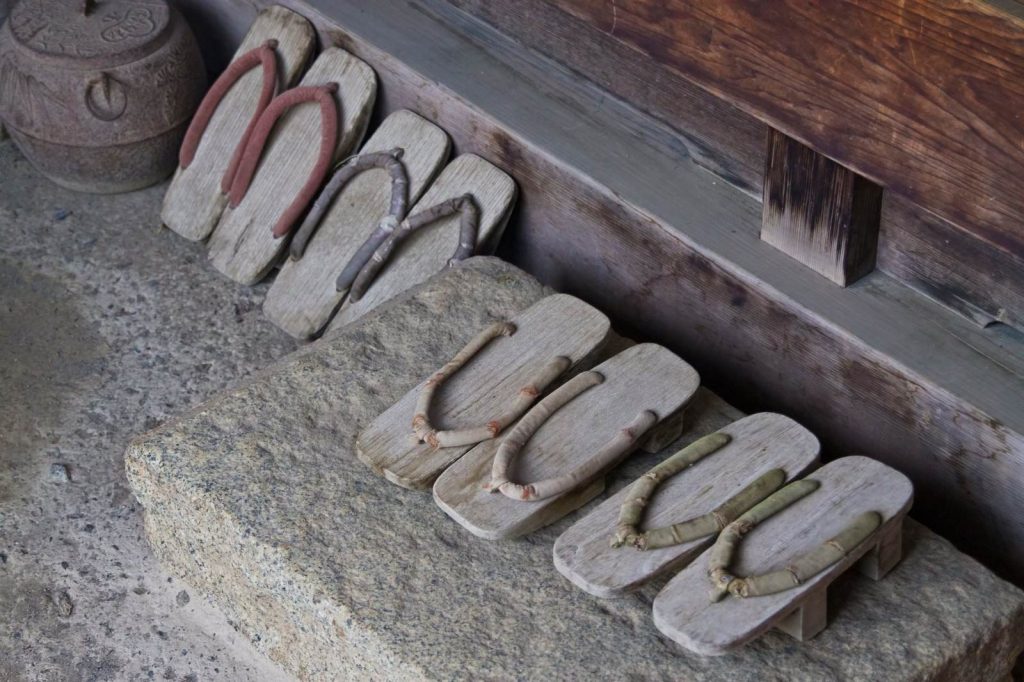
Traditional Japanese inns, or ryokan, provide perhaps the most immersive experience of the shoes-off culture. Upon entering the entrance, guests are guided to leave shoes in the geta-bako, or shoe locker, and slip into provided indoor slippers. Tatami rooms may even require the removal of slippers, leaving guests entirely barefoot or in socks.
This layered approach accomplishes several things at once. Floors remain pristine, reflecting respect for the space and its caretakers. Guests experience comfort and a sense of relaxation that begins immediately upon entry. The ritual also communicates that the inn is a temporary home where social hierarchies dissolve: everyone participates in the same etiquette, sharing space harmoniously.
Hospitals and Clinics: Hygiene as Care
Healthcare facilities in Japan also adopt shoes-off policies, sometimes in combination with disposable slippers or foot covers. In clinics and hospitals, maintaining cleanliness is not just about aesthetics—it is a critical part of patient safety. Visitors, staff, and patients alike contribute to a sterile environment, minimizing the risk of infection.
Here, the act of removing shoes conveys both practical responsibility and respect for others’ well-being. Patients feel cared for, knowing that everyone is contributing to a safe and clean environment. Even in a modern hospital setting, the shoes-off culture subtly reinforces the values of attentiveness and collective consideration.
Restaurants and Tea Houses: Comfort and Atmosphere
While more casual eateries often allow shoes indoors, traditional restaurants, ryotei, and tea houses may require patrons to remove them. Tatami seating areas or low tables demand barefoot or socked feet, creating a comfortable and intimate atmosphere. The act fosters relaxation and encourages diners to slow down, savoring food and conversation in a space free from the distractions of outdoor footwear.
Foreign visitors often report initial awkwardness, unsure where to place their shoes or how to navigate floor-level seating. Yet, as the meal progresses, many find the experience enhances comfort and connection. Shoes-off spaces invite participants to engage more fully with their surroundings and companions, deepening social bonds through shared adherence to etiquette.
Cultural Logic Behind Public Shoe Removal
Across these various public contexts, the underlying principles remain consistent. Shoes carry the outside world into the interior. Removing them preserves cleanliness, signals respect, and creates a psychologically safe space. Whether in a classroom, temple, inn, or restaurant, the practice fosters an environment in which everyone can feel at ease.
The practice also teaches flexibility and observation. Travelers quickly learn to watch for cues: signage indicating where shoes must be left, placement of slippers, and subtle reminders from staff or hosts. These cues reflect the Japanese preference for non-verbal communication, guiding behavior without direct confrontation. By participating in the ritual, visitors demonstrate awareness and appreciation, earning subtle but meaningful social approval.
Learning from the Everyday
Foreigners who immerse themselves in these settings often discover that the shoes-off culture is not merely about surfaces—it is about interaction, mindfulness, and mutual respect. A student placing shoes neatly in the hallway, a monk carefully removing sandals at a shrine, or a guest in a ryokan slipping off slippers before stepping onto tatami are all participating in a network of social and psychological practices. Each act is small, yet cumulatively, they cultivate harmony and comfort for everyone present.
For travelers, embracing the practice can transform their experience of Japan. Instead of perceiving the shoes-off rule as an inconvenience or a curiosity, understanding its cultural roots reveals its elegance. Removing shoes becomes a moment of transition: a conscious shift from the outside world into a space of cleanliness, respect, and personal or communal comfort.
Conclusion: Extending the Home Beyond Its Walls
In Japan, the shoes-off culture demonstrates that etiquette, hygiene, and comfort are not confined to private homes—they shape the very structure of public and semi-public life. By carrying this practice into schools, temples, inns, hospitals, and restaurants, Japanese society creates spaces where individuals can relax, connect, and act with awareness of others.
For foreign visitors, learning to navigate these spaces is more than a lesson in manners; it is an introduction to the subtlety and depth of Japanese culture. Every step taken barefoot or in socks, every pair of shoes aligned neatly, is a small act of harmony. Shoes-off spaces extend the domestic philosophy into the wider world, offering an invitation to experience Japan as a place where consideration, cleanliness, and comfort coexist effortlessly.
Comparisons with the West
One of the most striking aspects of Japanese culture for foreign visitors is the pervasive practice of removing shoes before entering homes, schools, temples, and certain businesses. For many Westerners, however, this custom can feel unusual, even puzzling, because it contrasts sharply with the “shoes-on” approach typical in Europe, North America, and other regions. By exploring these cultural differences, we can better understand both the practical and psychological reasons behind Japan’s shoes-off tradition, and also appreciate the deeper social values it embodies.
Western “Shoes-On” Culture
In most Western countries, wearing shoes indoors is considered normal. The footwear you choose for the outside world often stays on in private homes, workplaces, restaurants, and even some classrooms. Several factors contribute to this practice:
- Practicality and Convenience: Shoes protect feet from cold, dirt, and uneven surfaces. Removing them indoors can be seen as unnecessary or inconvenient.
- Social Norms: Western etiquette often emphasizes comfort, personal freedom, and efficiency. Asking guests to remove shoes may feel intrusive or overly formal.
- Private vs. Public Spaces: In Western homes, the line between “outside” and “inside” is less rigid. Carpets, rugs, or hard floors tolerate footwear without much concern.
For travelers from these cultures, stepping into a Japanese home and seeing shoes neatly lined up at the genkan can feel like entering a different world. The initial question is practical: where should one place shoes? How should slippers be used? Yet the deeper question is philosophical: why does Japanese culture prioritize removing shoes over simply tolerating dirt?
Cleanliness and Hygiene
One of the most obvious differences lies in the value placed on cleanliness. Japanese homes often have tatami mats, delicate wooden floors, and an emphasis on maintaining an immaculate interior environment. Shoes carry not only dirt but also invisible contaminants from the street. Removing them is both a literal and symbolic act of protecting the home’s purity.
In contrast, Western homes often rely on vacuuming, carpet maintenance, or cleaning routines to manage dirt. The concept of “cleanliness” is more procedural than ritualized. While wiping shoes or shaking off dirt is common, it rarely carries the same cultural weight as the act of removing shoes altogether.
Psychological and Social Dimensions
The Japanese shoes-off culture extends beyond hygiene; it reflects psychological and social priorities. Removing shoes signals:
- Respect for Others’ Space: By not tracking in dirt, individuals demonstrate consideration for those sharing the environment.
- Relaxation and Transition: Stepping into a home barefoot or in slippers symbolizes leaving the outside world behind, entering a protected, calm space.
- Equality and Humility: Everyone, regardless of status, participates in the shoes-off practice, subtly flattening social hierarchies in domestic or sacred spaces.
In many Western contexts, such nuances are less pronounced. Wearing shoes indoors rarely conveys respect or social harmony; instead, social communication tends to be verbal or behavioral rather than mediated through ritualized actions.
Cultural Misunderstandings
These contrasting approaches can lead to misunderstandings. A Westerner visiting a Japanese home may feel uncomfortable or unsure about removing shoes, worrying about etiquette, or even questioning hygiene. Conversely, a Japanese host might interpret a guest wearing shoes indoors as careless or disrespectful.
Similarly, in Western contexts, asking someone to remove shoes can feel like overstepping boundaries or imposing rules, whereas in Japan, leaving shoes on indoors could create tension or signal disregard for social norms. Recognizing these differences is crucial for fostering intercultural respect.
Middle Ground and Adaptation
In both cultures, adaptations occur to balance practicality, comfort, and social expectations. For instance:
- Western adaptations in Japan: Many foreigners adopt the shoes-off custom willingly, enjoying the cleanliness and comfort it brings. They may even bring their own slippers or socks to participate fully.
- Japanese adaptations abroad: Japanese travelers often carry indoor slippers or sock-only shoes when staying in Western homes, respecting the differing norms while maintaining personal comfort.
These adaptations reveal the flexibility and universality of the underlying principle: awareness of the environment and consideration for others. The method differs—shoes-on or shoes-off—but the intent remains similar: fostering comfort and harmony.
Learning Through Comparison
Examining the contrast between Japan and the West highlights broader cultural values:
- In Japan: Actions like removing shoes serve as non-verbal communication, emphasizing respect, mindfulness, and collective well-being.
- In the West: Communication tends to be more explicit, verbal, or procedural, emphasizing individual comfort and freedom.
By observing and participating in Japan’s shoes-off culture, foreigners gain insight into a society that conveys care and consideration through everyday rituals. Likewise, Japanese hosts and visitors abroad can understand the Western emphasis on personal convenience and autonomy, fostering mutual respect across cultural boundaries.
Conclusion: Beyond Convenience
Ultimately, the difference between shoes-off Japan and shoes-on Western cultures is more than a matter of practicality. It represents contrasting philosophies of personal space, hygiene, social harmony, and respect. For visitors willing to embrace these differences, the act of removing shoes becomes not a challenge, but an entry point into a culture where small, everyday practices carry profound social and psychological meaning.
By appreciating both approaches, travelers can navigate social spaces more gracefully, understanding that etiquette—whether shoes-on or shoes-off—reflects the values a society cherishes most deeply.
The Psychology of Removing Shoes
Removing shoes in Japan is more than a cultural formality—it carries deep psychological significance, subtly influencing how people perceive their environment, themselves, and their interactions with others. While visitors often focus on the practical aspects of cleanliness and etiquette, the act of taking off shoes affects mental states, social behavior, and personal comfort in ways that reflect broader Japanese values.
Transition from Outside to Inside
Psychologically, shoes act as a barrier between the individual and the world. They connect us to the outside: streets, buildings, weather, and the hustle of everyday life. In Japan, the act of removing shoes signals a transition from the external, public sphere to the internal, private space. This transition is both literal and symbolic:
- Boundary-Crossing Ritual: Stepping into the genkan, removing shoes, and putting on slippers marks a clear boundary between “outside” and “inside.”
- Mental Unloading: The removal of shoes signals that worries, stress, and social obligations can be set aside, allowing for a moment of mental relief.
- Preparation for Relaxation: Bare feet or soft indoor slippers enhance sensory comfort, reinforcing the sense that the home is a safe, calm space.
This psychological shift is subtle but powerful. It creates a cue that the body and mind should relax, contributing to a mental state conducive to reflection, intimacy, and social harmony.
Hygiene as Psychological Comfort
Cleanliness in Japan is not merely practical; it is a form of psychological reassurance. By removing shoes, residents and visitors know they are not contaminating the home with external dirt. This practice produces a sense of security:
- Control Over Environment: People feel more in control of their space when it is protected from the unpredictability of outside dirt.
- Reduced Cognitive Load: The physical act of removing shoes alleviates subconscious concerns about cleanliness. This allows occupants to focus on other mental and social tasks.
- Symbolic Order: Lined-up shoes and neat slippers reinforce an aesthetic of order, which is inherently calming and satisfying.
The psychological benefits of cleanliness are magnified when combined with Japan’s social emphasis on respect and consideration. Protecting a home from dirt is not only for oneself but also for others, reinforcing prosocial behavior and collective mindfulness.
The Role of Social Harmony
Japanese culture places high importance on wa, or social harmony. The act of removing shoes is a non-verbal expression of this principle. Psychologically, it demonstrates:
- Consideration for Others: By removing shoes, individuals show they are mindful of the comfort and well-being of those around them.
- Implicit Communication: Actions often convey messages more subtly than words in Japan. Shoes-off behavior signals attentiveness, respect, and awareness without verbal explanation.
- Reduced Social Friction: Everyone following the same shoes-off norm avoids potential embarrassment or conflict, supporting a peaceful and cooperative environment.
From a psychological standpoint, this creates a collective reassurance: knowing that everyone participates in the same ritual strengthens social cohesion and reduces anxiety.
Sensory and Emotional Comfort
Beyond social and symbolic meanings, removing shoes directly affects bodily comfort. Human feet are highly sensitive; walking barefoot or in soft slippers creates tactile pleasure that can be soothing. This sensory aspect contributes to emotional well-being:
- Tactile Relaxation: Bare feet or soft slippers allow the body to feel grounded and supported.
- Connection to Nature: Wooden floors, tatami mats, and natural materials enhance the feeling of being in touch with the home environment.
- Stress Relief: The shift from hard, noisy, and dirty outdoor surfaces to soft, quiet, and clean floors reduces tension and fosters calm.
Psychologists note that rituals involving touch, repetition, and routine can help regulate emotions. In this sense, the daily practice of removing shoes functions as a micro-ritual promoting mindfulness and stress reduction.
Symbolism of External and Internal Worlds
Shoes also carry symbolic meaning: they are associated with the outside world, social roles, and performance. By removing them:
- Self-Reflection: Individuals may feel more present and connected to their inner self when free from external armor.
- Equality: Indoors, status is leveled—everyone is on the same floor, literally and metaphorically.
- Boundary Management: Psychologically, the distinction between public and private spaces is reinforced, supporting a sense of safety and autonomy within the home.
For visitors, understanding this symbolism deepens appreciation of Japanese behavior. It is not mere obedience to etiquette but a thoughtful act that integrates social, emotional, and personal well-being.
Practical Implications for Mental Health
Modern psychology increasingly recognizes the benefits of ritualized behaviors that structure daily life. Removing shoes functions as such a ritual:
- Predictable Routine: Repetition provides mental stability and comfort.
- Mindfulness Cue: The simple act encourages attention to the present moment.
- Stress Reduction: The combination of tactile comfort, cleanliness, and social consideration fosters a holistic sense of calm.
Thus, the shoes-off practice contributes to both individual and collective psychological health—a reflection of the interconnectedness of people and environment in Japanese culture.
Conclusion: More Than Etiquette
In summary, the psychology of removing shoes in Japan encompasses:
- Transitioning from public to private spaces
- Enhancing cleanliness and control
- Promoting social harmony and prosocial behavior
- Providing sensory and emotional comfort
- Symbolically distinguishing internal and external worlds
By understanding these psychological dimensions, visitors can move beyond the superficial etiquette of shoes-off practices and appreciate the deeper mental and emotional benefits that the ritual provides. What might seem like a small, mundane habit is in fact a sophisticated integration of body, mind, and society—a microcosm of Japanese cultural values expressed through daily life.
Navigating Shoe Etiquette as a Visitor
For many foreign visitors, one of the first cultural hurdles in Japan is understanding when and how to remove shoes. While the practice is ubiquitous in Japanese homes, schools, traditional inns, and some workplaces, navigating these situations gracefully requires awareness of both explicit rules and subtle social cues. Mastering shoe etiquette is less about strict rules and more about observing, adapting, and showing respect—a reflection of Japanese social norms.
Understanding the Genkan: The Entryway Ritual
At the heart of Japanese shoe etiquette is the genkan, the entryway of a home or building. This space serves as the threshold between the outside world and the private, indoor environment. For visitors, a basic understanding of the genkan is essential:
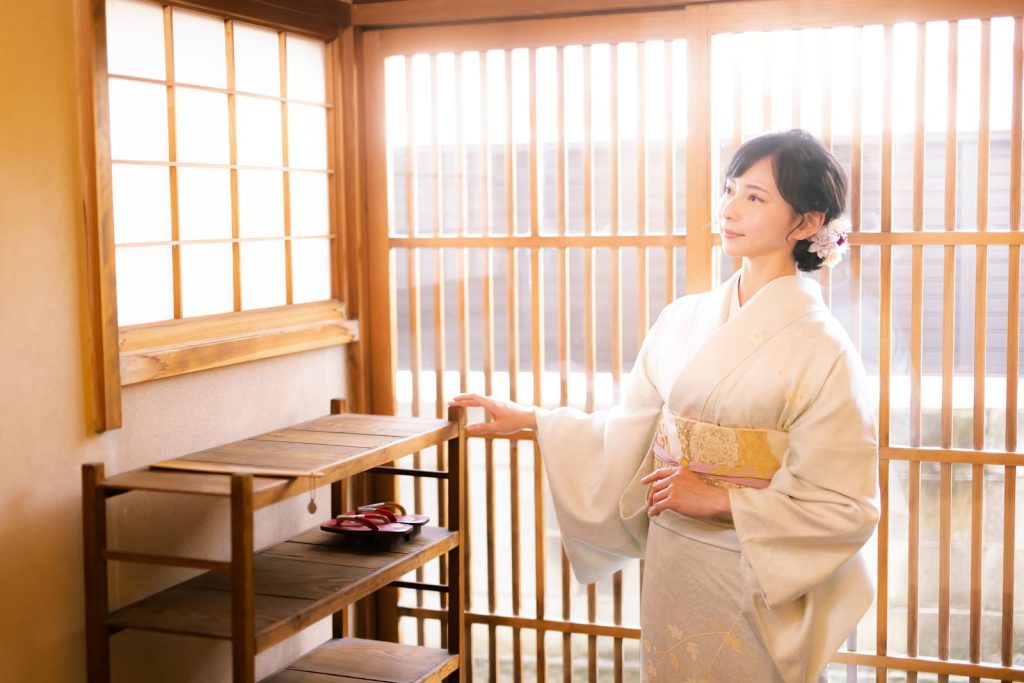
- Step Into the Genkan: Upon entering, pause in the lowered entryway before stepping onto the main floor. This signals awareness of the transition from outside to inside.
- Remove Shoes: Take off your shoes carefully, facing the door. This is both practical and symbolic, demonstrating respect for the household’s cleanliness and traditions.
- Arrange Shoes Neatly: Line your shoes against the wall, toes pointing toward the door. This small gesture communicates consideration for the host.
- Put On Slippers (if offered): Many Japanese homes provide indoor slippers for guests. Accepting them shows cultural sensitivity and comfort with local customs.
Understanding these steps is more than following a checklist—it is about reading the space and cues, showing attentiveness, and participating in a shared cultural rhythm.
Differentiating Slippers: A Subtle but Important Detail
Once inside, visitors may notice multiple types of slippers:
- General Indoor Slippers: Worn throughout most of the home to maintain hygiene.
- Toilet Slippers: Used exclusively in bathrooms. Stepping outside this area with toilet slippers is considered disrespectful.
- Tatami-Specific Etiquette: In traditional tatami rooms, slippers are removed entirely to preserve the delicate mats. Bare feet or socks are appropriate here.
This division may seem meticulous, but it reflects a cultural emphasis on maintaining cleanliness and respecting different functional areas within the home. Attentive visitors often gain respect simply by following these cues without explicit instruction.
Situational Awareness in Schools, Temples, and Inns
Shoes-off etiquette extends beyond private homes. Visitors to schools, temples, ryokan (traditional inns), and certain restaurants must adapt to varying expectations:
- Schools: Students and staff leave shoes at the entrance, often switching to indoor shoes. Visitors should follow this practice without hesitation.
- Temples and Shrines: In some areas, shoes must be removed before entering sacred spaces. Signs and attendants usually indicate expectations.
- Ryokan and Traditional Inns: Guests are expected to remove shoes immediately upon entering, often storing them in provided cubbies and wearing provided slippers throughout the lodging.
- Restaurants and Teahouses: Some traditional establishments require removing shoes, especially those with tatami seating. Observing others and following cues ensures smooth integration.
By observing how locals handle these transitions, visitors can navigate unfamiliar contexts with confidence and cultural sensitivity.
Reading Social Cues: When to Remove Shoes
One of the most important skills for visitors is recognizing subtle social signals:
- Hosts’ Behavior: If the host removes their shoes, it is a clear signal that guests should do the same.
- Flooring Material: Tatami, wooden floors, or clean areas often indicate where shoes are inappropriate.
- Signage: Many modern facilities include simple “Please remove shoes” signs in Japanese or English.
- Guests’ Reactions: In the absence of explicit cues, observing how others behave is a reliable guide.
Being attentive and cautious avoids embarrassment and demonstrates respect—a core Japanese value.
Practical Tips for Visitors
To navigate Japanese shoe etiquette effectively, consider the following practical advice:
- Wear Clean Socks: Since shoes will come off frequently, clean, presentable socks are important. Patterns, holes, or dirt can distract or cause embarrassment.
- Slip-On Shoes Are Convenient: Easy-to-remove footwear simplifies compliance with etiquette, particularly when entering multiple locations in a day.
- Follow the Host’s Lead: Hosts often provide implicit guidance—watch their actions to avoid missteps.
- Respect Personal Variations: Some households may have relaxed rules, while others adhere strictly to tradition. Adapt accordingly.
- Mind the Slippers: Avoid wearing indoor slippers outside, stepping on tatami mats with slippers, or wearing toilet slippers elsewhere. These small missteps can be unintentionally disrespectful.
Psychological Perspective: Etiquette as Connection
Following shoe etiquette is not just about avoiding mistakes—it fosters a sense of connection and understanding:
- Participation in Ritual: Visitors engage in a shared cultural rhythm, reinforcing bonds with hosts.
- Non-Verbal Respect: Observing these norms signals attentiveness and mindfulness without needing verbal explanation.
- Enhanced Comfort: Adhering to conventions allows visitors to feel integrated and at ease, reducing social anxiety.
Turning Etiquette into Enjoyment
Once visitors internalize the practices, removing shoes becomes less a challenge and more a comforting ritual. It allows them to:
- Feel grounded in the environment
- Experience the tactile pleasure of clean floors or soft tatami
- Immerse themselves in Japanese cultural sensibilities
By shifting perspective from “rule-following” to “participating in a cultural practice,” the ritual transforms into a source of enjoyment and insight.
Conclusion: Shoes as Bridges, Not Barriers
For visitors, understanding and navigating shoe etiquette is a gateway to deeper cultural appreciation. The act of removing shoes embodies respect, mindfulness, and shared understanding, connecting people across cultural boundaries. Observing these practices thoughtfully allows foreigners to step into Japanese spaces with confidence, courtesy, and comfort—literally taking off their shoes and stepping into harmony.
Closing Reflection: Shoes Off, Heart Open
In Japan, taking off your shoes is far more than a simple act of cleanliness—it is a gesture imbued with cultural meaning, social sensitivity, and emotional nuance. From the moment you step into a genkan, you are invited to pause, shed the exterior world, and enter a private, shared space. This small ritual encapsulates principles of respect, comfort, and harmony that permeate Japanese life.
Beyond Cleanliness: The Cultural Significance
While at first glance the custom may seem merely hygienic, its significance runs much deeper:
- Symbolic Transition: Removing shoes marks a clear boundary between outside and inside, public and private. It is a physical and symbolic act, signaling readiness to leave the external world behind and participate fully in the home environment.
- Gesture of Respect: By taking your shoes off, you honor the host’s space and traditions. Even if the host offers slippers, the simple act of compliance conveys attentiveness, humility, and politeness.
- Invitation to Relax: Shedding shoes encourages a shift in mindset. Visitors often feel their shoulders relax, their steps soften, and a sense of intimacy emerge as they enter the home.
This blend of practicality and symbolism demonstrates how everyday routines in Japan are infused with cultural and psychological layers that may be subtle yet deeply meaningful.
A Cultural Bridge
For foreigners, the shoes-off practice can initially feel foreign, even inconvenient. Yet, participating in this ritual creates bridges between visitors and hosts. Observing and respecting the custom:
- Fosters Connection: Engaging in the ritual conveys sensitivity and shared understanding, often leading to warmer interactions with hosts.
- Encourages Observation: Paying attention to cues and details—such as how shoes are arranged or which slippers to wear—enhances cultural literacy.
- Invites Reflection: The simple act prompts mindfulness, reminding visitors to notice both physical and social environments.
By embracing this custom, visitors gain not just insight into Japanese domestic life but also a broader understanding of the values underlying social conduct: attentiveness, care, and subtle communication.
The Psychological Comfort
Removing shoes has a measurable impact on one’s mental state:
- Relaxation and Release: Shoes are closely associated with mobility, protection, and work. Taking them off signals a release of tension and a shift to a relaxed, domestic mindset.
- Safety and Familiarity: The ritual creates a controlled environment where visitors can feel safe, welcomed, and accepted.
- Connection to Space: Feet in contact with clean floors or tatami mats enhance sensory awareness and grounding, creating a physical and emotional connection to the surroundings.
This is why many foreigners, initially hesitant, eventually describe the experience as comforting—even therapeutic—once they understand the cultural context.
Lessons for Visitors
For those navigating Japanese spaces, the shoes-off practice offers broader lessons beyond etiquette:
- Observe First, Act Respectfully: Watch how locals behave, follow their lead, and be mindful of cues.
- Participate Fully: Accept slippers, remove shoes where required, and respect boundaries between spaces.
- Appreciate the Subtlety: Recognize that this is not about strict compliance alone, but about participating in a shared cultural rhythm that balances practicality, respect, and comfort.
- Enjoy the Moment: Transform what might seem like a minor inconvenience into an opportunity for connection, mindfulness, and sensory appreciation.
QuietTether’s Reflection
In the philosophy of QuietTether, small gestures carry profound meaning. Taking off your shoes is one such gesture:
“Taking off your shoes is more than politeness—it is a gesture of comfort, a passage into harmony.”
By understanding and embracing this practice, visitors step into more than just a physical space—they step into a cultural rhythm, a shared understanding, and a quiet, welcoming atmosphere. Shoes off, heart open: in this simple act lies the essence of Japanese hospitality and the gentle power of respect and connection.