Opening Story: A Warm Welcome in a Bowl
It was a chilly spring morning in Kyoto, and I found myself standing outside the wooden sliding doors of a small family home. The air smelled faintly of cherry blossoms and damp earth, and a gentle drizzle had left the streets glistening. I had been invited for breakfast by a Japanese friend I had met during my travels, and though we had communicated in English, I felt a mixture of anticipation and nervousness. The simplicity of the neighborhood, the quiet hum of early-morning activity, and the subtle rhythm of life here hinted at a culture deeply rooted in thoughtfulness and attentiveness.
As I stepped inside, I noticed the genkan—the traditional entryway where shoes are carefully removed and lined up in an orderly row. I hesitated, unsure if I should try to mimic the precise placement of shoes, but my friend waved me forward with a warm smile. Slipping into the soft slippers provided for guests, I felt an immediate shift—a small but profound sense of entering a different world, one where quiet care and subtle gestures mattered more than words.
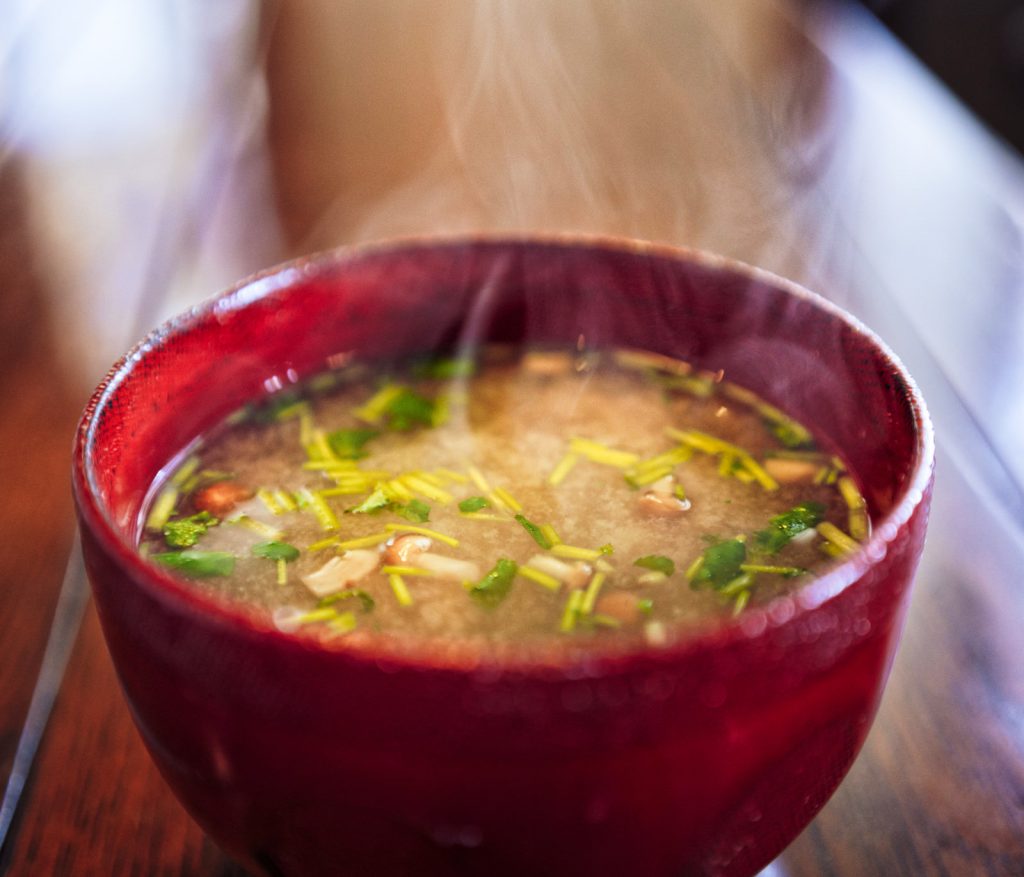
We moved into the main room, where a low table had been set for breakfast. The centerpiece was a steaming bowl of miso soup, its aroma rising gently and filling the space with a comforting warmth. Wisps of steam curled above the bowl like delicate whispers, and I noticed the careful arrangement of ingredients: cubes of silken tofu, thin slices of spring onion, and a scattering of wakame seaweed floating gracefully in the golden-brown broth. Even the bowl itself seemed chosen with intention, a humble vessel that exuded warmth and simplicity.
When my friend placed the bowl before me, they bowed slightly and said, “Itadakimasu.” I repeated the phrase, feeling the weight of gratitude it carried—not just for the food itself, but for the hands that prepared it and the shared moment we were about to enjoy. I lifted the bowl to my lips and took the first sip. The warmth spread through my body, but more than that, there was a gentle kindness embedded in the flavor. It was subtle, not overpowering; quiet, not loud. It was a care that transcended language, a thoughtful attention to both nourishment and comfort.
I realized then that miso soup in Japan was more than a morning ritual or a simple dish. It was a symbol of hospitality, a way to say, without words, “You are welcome here. You are cared for. Your presence is valued.” Every ingredient, every stir of the spoon, every wisp of steam conveyed this sentiment. In a single bowl, I could feel the rhythm of daily life, the dedication of a household to nurture and connect, and the profound gentleness of a culture that expressed kindness in small, deliberate ways.
As I finished the last spoonful, I felt a sense of belonging. The miso soup had quietly bridged the gap between visitor and host, between foreigner and local, through the universal language of care. It was a simple act, a small gesture—but it held within it a depth of meaning that words could barely capture. I knew, in that moment, that this experience was not just about breakfast; it was about understanding a way of life, a philosophy of gentle kindness that infused the ordinary with significance.
The Origins and Significance of Miso Soup
Miso soup, or misoshiru, is far more than a daily accompaniment to Japanese meals. Its history stretches back centuries, entwined with the rhythms of Japanese agriculture, spirituality, and domestic life. To understand the significance of miso soup, one must first understand miso itself—the fermented soybean paste that forms its foundation. Miso, with its rich umami flavor and nutritional depth, is a product of careful fermentation, a process that transforms humble soybeans, grains, and salt into a living, savory paste capable of sustaining both body and spirit. The origins of miso can be traced to China, but in Japan, it evolved into a staple uniquely adapted to the Japanese palate and climate, and it became a cornerstone of the nation’s culinary identity.
The widespread adoption of miso in Japan coincided with the development of an agrarian society. Farmers needed food that was not only nourishing but also practical and long-lasting. Miso fit perfectly into this need. Its fermentation process preserved protein-rich soybeans, ensuring that communities could maintain a reliable source of nutrition throughout the year. In this sense, miso soup became a symbol of sustenance, a reflection of the careful planning and resourcefulness that characterized Japanese agricultural life. Each bowl was a reminder that nourishment was not merely a matter of consumption but an act of preparation, care, and continuity.
But miso soup is not only practical—it carries spiritual and cultural meaning. In Shinto and Buddhist practices, cleanliness and purity are central themes. Fermented foods, including miso, were thought to carry life energy and promote balance within the body and soul. By consuming miso soup regularly, families were participating in a ritual of health and purification, linking daily meals to larger spiritual and cultural rhythms. In many households, the first bowl of miso soup in the morning was as much a practice of mindfulness and intention as it was nourishment. Preparing miso soup involved selecting ingredients carefully, balancing flavors with precision, and attending to the presentation of the dish. In these small acts, cooks expressed both skill and care, and the resulting bowl carried that intention directly to those who consumed it.
Regional variations further reflect the deep cultural significance of miso soup. From the red miso of Nagoya to the white miso of Kyoto, each region’s version tells a story of local taste preferences, agricultural resources, and historical influences. In coastal areas, seafood and kelp are often incorporated, while in mountainous regions, seasonal vegetables dominate. These variations reveal that miso soup is not static; it is an evolving practice that reflects community identity and familial tradition. The simple act of serving miso soup, then, becomes a conduit for transmitting culture, history, and values across generations.
Nutrition also plays a crucial role in the soup’s significance. Miso is rich in proteins, vitamins, and probiotics that promote digestive health. Its warmth and savoriness provide comfort during cold seasons, while its adaptability allows for ingredients that meet both dietary needs and seasonal availability. But beyond the physical nourishment, miso soup delivers emotional and social sustenance. Sharing a bowl of soup in the morning is a gentle expression of care, a daily affirmation that the well-being of others matters. In this way, miso soup embodies the idea that food is never simply functional; it is a language of kindness, connection, and attentiveness.
In modern Japan, the significance of miso soup has not diminished. Even as fast-paced urban life and modern conveniences have transformed daily routines, the ritual of miso soup endures. Families still serve it at breakfast, schoolchildren eat it at lunch, and restaurants offer it as a staple accompaniment. It remains a quiet yet potent symbol of continuity, a reminder that nourishment encompasses body, mind, and community. In every steaming bowl, there is a reflection of centuries of care, practice, and cultural wisdom, a legacy that continues to shape Japanese life.
Thus, miso soup is not merely a dish—it is a bridge between past and present, between practicality and mindfulness, and between one person and another. The simple act of ladling miso soup into a bowl conveys respect, intention, and kindness. Its significance lies not only in what it contains but in what it communicates: a gentle affirmation that daily life is intertwined with care, connection, and the quiet joy of nurturing others.
Ingredients and Their Stories
A bowl of miso soup may appear simple at first glance, yet each ingredient carries its own history, symbolism, and cultural nuance. Japanese cuisine places a profound emphasis on seasonality and regionality, and miso soup exemplifies this principle. The selection of ingredients is never arbitrary; it reflects the cook’s intention to nourish, please, and communicate care. In this sense, every component in a bowl of miso soup tells a story—a story of geography, climate, tradition, and the human desire to nurture.
Tofu: Softness and Sustenance
Tofu, often referred to as the “meat of the soy,” is a staple ingredient in miso soup. Its soft texture and subtle flavor make it ideal for absorbing the savory depth of the miso broth. Beyond its nutritional value—rich in protein, calcium, and isoflavones—its presence in the soup embodies gentleness. Tofu requires careful handling to avoid breaking it, reflecting the cook’s attentiveness. In many Japanese homes, serving tofu in miso soup is a small act of thoughtfulness: it demonstrates patience and care, ensuring that every piece reaches the diner intact and intactly presented. This act transforms the soup from mere nourishment into a silent expression of kindness.
Wakame: The Sea’s Embrace
Wakame, a delicate seaweed, carries the essence of the ocean into the bowl. Its deep green color and subtle umami contribute both flavor and visual appeal. In Japanese culinary tradition, seaweeds are not only valued for taste but also for their health benefits, including iodine, calcium, and fiber. Symbolically, wakame represents the natural world’s generosity—a reminder that the sea provides sustenance just as the land does. By including wakame, cooks honor the bounty of their environment, and the eater receives not only nutrients but also a connection to nature’s rhythms.
Scallions: The Fresh Touch
Thinly sliced scallions, or negi, add a fresh, slightly sharp note to miso soup. Their bright green hue enhances the visual beauty of the dish, creating contrast with the creamy tofu or dark green wakame. In Japanese cuisine, such visual appeal is considered part of the eating experience; the look of the food communicates care even before the first sip. Scallions also reflect a subtle attentiveness to health and taste balance, reinforcing the idea that miso soup is designed to nurture both body and spirit.
Seasonal Vegetables: Nature on the Plate
Perhaps the most culturally resonant element of miso soup is its seasonal vegetables. In spring, tender bamboo shoots or spinach may appear; in autumn, root vegetables like daikon radish or pumpkin enrich the broth. The use of seasonal ingredients is not merely practical—it is a form of respect for the cycles of nature and the produce that communities cultivate. Cooking with seasonality demonstrates mindfulness: the cook acknowledges what is available and celebrates it, creating a meal that resonates with the natural world. For the diner, each bite becomes a subtle lesson in appreciation and harmony.
Regional Miso: Flavor and Identity
The type of miso used in the soup adds another layer of narrative. Japan has a rich diversity of miso varieties: white miso (shiro miso) from Kyoto offers a sweet, mild flavor, while red miso (aka miso) from Nagoya delivers a stronger, more robust taste. In some regions, mixed miso balances complexity and depth. Choosing a specific miso is an act of identity—it communicates regional pride, culinary preference, and familial tradition. A grandmother stirring white miso into the broth may be invoking a centuries-old recipe; a young parent using a local blend continues a regional narrative of taste and care.
Small Details, Big Meanings
Even the seemingly minor aspects—the thickness of the broth, the temperature, the arrangement of ingredients—carry significance. Japanese culinary culture emphasizes the harmony of flavor, texture, color, and aroma. Preparing miso soup requires attention to each of these elements, and in doing so, the cook expresses a gentle thoughtfulness toward the diner. The warmth of the broth, the tenderness of the tofu, the subtle fragrance of wakame—each conveys a message of care that transcends words.
Through these ingredients, miso soup becomes a microcosm of Japanese culture itself: attentive, harmonious, and deeply rooted in respect for nature and community. Each bowl is a composition, a small work of art that embodies both nourishment and emotion. By understanding the story behind each element, one begins to appreciate that miso soup is not just a daily dish—it is a vessel of tradition, health, and subtle kindness.
A Daily Ritual of Care
In Japan, miso soup is more than just a morning beverage—it is a ritual that marks the rhythm of daily life, a quiet expression of care that begins at home and extends to family, friends, and even oneself. This daily preparation and consumption of miso soup reveals a subtle, yet profound, cultural philosophy: that small, consistent acts of attention can nourish both body and spirit.
Morning Routines and Mindful Preparation
In many Japanese households, the day begins with the simple yet deliberate act of making miso soup. This is not done hastily; even in the rush of modern life, the preparation involves care and attention. The cook chooses ingredients thoughtfully, slices vegetables with precision, and stirs the miso with an awareness of temperature and texture. This attentiveness is a form of mindfulness, a recognition that even the most routine acts—preparing a meal—can carry meaning and intention. By starting the day with this ritual, a household sets the tone for thoughtfulness and harmony that will ripple through daily interactions.
Feeding the Family: A Silent Expression of Love
Miso soup is often prepared not just for oneself, but for others. Serving soup to family members in the morning is an act of nurturing; it communicates care without words. Parents may adjust the flavor or temperature to suit their children’s preferences, or include ingredients that provide extra nutrition. In doing so, they express concern for both health and happiness. For children, this small gesture becomes a lesson in attentiveness: to notice, to consider, and to reciprocate care. The act of making and serving miso soup becomes a conduit for quiet, everyday love—a gentle kindness that reinforces familial bonds.
Self-Care Through Ritual
Beyond feeding others, miso soup also embodies self-care. Taking the time to prepare a nourishing bowl for oneself can serve as a grounding ritual, a moment of reflection and calm before the day begins. The warmth of the broth, the aroma of the ingredients, and the visual harmony of the bowl all contribute to a soothing experience. In Japan, even eating alone is not a rushed or mechanical act; it is an opportunity to honor one’s own needs and to practice attentiveness toward oneself. Miso soup, in this sense, is both medicine and meditation—a gentle reminder to nurture the body as well as the mind.
Consistency and the Comfort of Routine
The power of miso soup lies also in its consistency. Across households, regions, and generations, miso soup is a constant—a familiar presence that reassures and comforts. The act of making and sharing soup each day creates continuity, weaving a sense of stability and order into daily life. This consistency mirrors broader cultural values in Japan, where attention to small details, respect for tradition, and the rhythm of everyday practice are all deeply cherished. Each morning’s bowl, though ordinary in appearance, carries a sense of predictability and care that is quietly profound.
A Reflection of Empathy and Harmony
Finally, this daily ritual of miso soup exemplifies the Japanese cultural focus on empathy and social harmony. By anticipating the preferences and needs of others, adjusting flavors, and serving with care, the cook participates in a subtle form of emotional communication. It is a language of kindness that does not rely on spoken words but on attentiveness, timing, and sensory awareness. Through miso soup, empathy becomes tangible; the simmering broth is a vessel of thoughtful generosity that transcends verbal expression.
Miso soup, therefore, is not merely a meal—it is a daily practice of care, a ritual that nourishes relationships, nurtures the self, and embodies the quiet, persistent kindness embedded in Japanese culture. Through this simple routine, a household communicates love, respect, and mindfulness, transforming ordinary mornings into moments of gentle generosity.
Hospitality in a Bowl
In Japan, hospitality—or omotenashi—is an art form expressed in countless subtle ways, and miso soup often serves as one of its quietest yet most telling manifestations. Serving a steaming bowl of miso soup to a guest goes far beyond simply offering nourishment; it communicates welcome, attentiveness, and respect, all without a single word.
The Symbolism of Serving Soup
When a guest arrives at a Japanese home, they are often greeted with gestures of warmth: slippers offered at the entrance, tea prepared, and a meal thoughtfully presented. Among these rituals, miso soup holds a special place. Its preparation reflects the host’s attention to detail: the selection of ingredients, the careful balance of flavors, and the presentation in aesthetically pleasing bowls. Each choice conveys a subtle message: “I see you, I care for you, and I wish for your comfort.” In this way, miso soup becomes more than food—it is an embodiment of kindness and consideration.
Temperature, Presentation, and Balance
A key element of miso soup as hospitality is attention to the senses. The temperature is carefully monitored; too hot may burn, too cool may disappoint. The aroma is allowed to rise gently from the bowl, inviting the guest to inhale deeply before tasting. Even the arrangement of ingredients matters: tofu cubes may be centered, vegetables artfully placed, and garnishes like green onions or mitsuba (Japanese parsley) provide color contrast and freshness. These subtle decisions are part of the cultural language of care. Through sensory attention, the host communicates thoughtfulness and respect, transforming a simple meal into a meaningful experience.
Nonverbal Communication and Emotional Connection
Miso soup also exemplifies the Japanese preference for nonverbal communication in expressing hospitality. While words like “welcome” and “please enjoy” are used, much of the message is conveyed silently. The warmth of the bowl in the hands, the careful ladling of soup into each bowl, and the timing of when it is served all transmit a sense of attentiveness and presence. For a foreign visitor, these actions may seem ordinary at first, but they carry deep cultural significance: an unspoken invitation to feel valued, cared for, and at ease.
Seasonal and Personal Touches
Hosts often tailor miso soup to the guest or the season, further enhancing its role as a vessel of hospitality. In winter, root vegetables and warming miso blends may be used to provide comfort. In spring, delicate greens and seasonal mushrooms celebrate freshness and renewal. Some families may even remember a guest’s preferences—preferring a lighter miso, extra tofu, or a specific combination of vegetables—demonstrating attentive memory and personal care. Each variation communicates thoughtfulness, subtly reinforcing the connection between host and guest.
Beyond Nutrition: A Gesture of Kindness
Ultimately, miso soup in hospitality transcends its physical function as nourishment. It serves as a medium for expressing values central to Japanese culture: attentiveness, respect, mindfulness, and empathy. The ritual of preparing, presenting, and serving soup demonstrates care for the guest’s comfort, health, and enjoyment. This quiet generosity is a hallmark of omotenashi, where actions speak louder than words, and small, thoughtful gestures carry profound meaning.
Miso soup, in the context of hospitality, is therefore more than a simple dish—it is a subtle yet powerful language of kindness. Its careful preparation, thoughtful presentation, and sensitive serving practices make it a vessel through which hosts convey warmth, attentiveness, and emotional connection. In every steaming bowl, a guest can sense the silent generosity and care of their host.
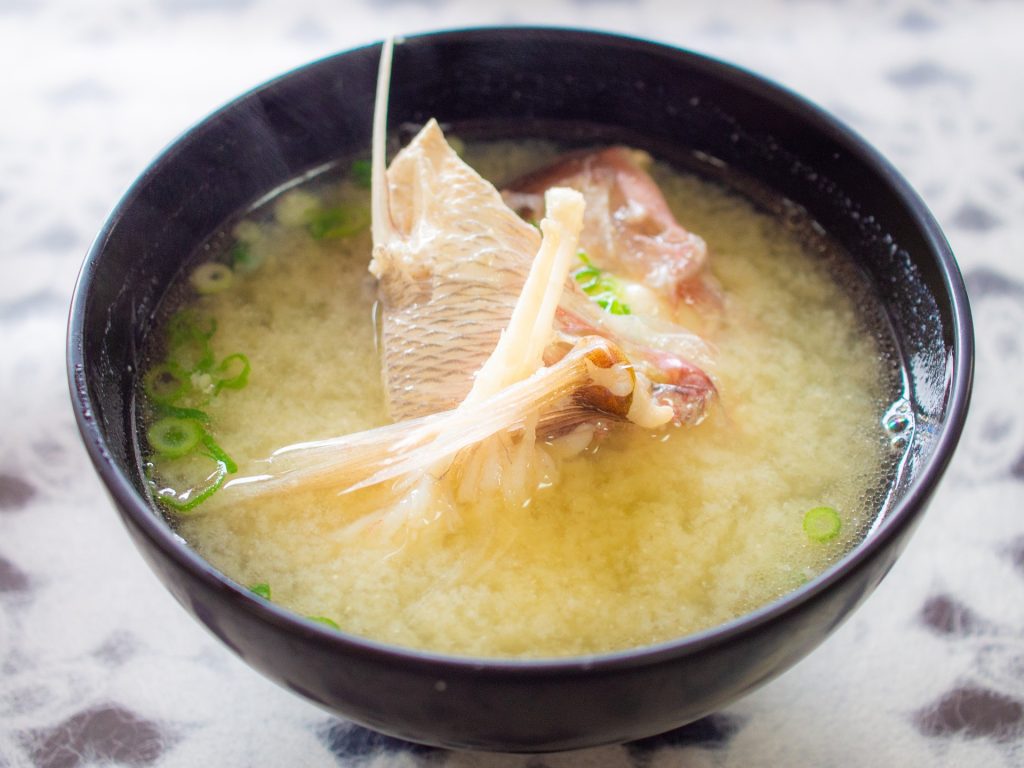
Miso Soup Beyond the Home
While miso soup is often associated with the warmth of home-cooked meals, its influence extends far beyond domestic walls. In Japan, miso soup permeates daily life, appearing in schools, workplaces, ryokans (traditional inns), hospitals, and even some restaurants. Each setting demonstrates how this humble dish functions not only as nourishment but also as a medium of comfort, communal harmony, and cultural continuity.
Schools: A Lesson in Nutrition and Care
In Japanese schools, miso soup is a staple of the daily lunch, or kyuushoku. Here, it serves multiple purposes. First, it provides essential nutrition, supporting students’ growth and health. More importantly, the careful preparation and consistent inclusion of seasonal vegetables and local ingredients teach students about mindfulness and respect for food. By sharing the same soup across classrooms, students participate in a collective experience, reinforcing a sense of community and equality. Miso soup becomes a subtle teacher of cultural values: care, routine, and attentiveness.
Workplaces: Comfort in Routine
In office settings, miso soup often appears as part of a packed lunch, a cafeteria meal, or catered business lunches. Amidst the stress of deadlines and meetings, a warm bowl of miso soup provides more than hydration and nutrition—it offers a moment of pause, a sensory comfort that encourages relaxation and mental clarity. Japanese workplaces recognize the value of this small gesture, understanding that shared meals, including miso soup, strengthen collegial bonds and provide a calming rhythm to the day. The soup fosters both physical and social nourishment.
Ryokans and Traditional Hospitality
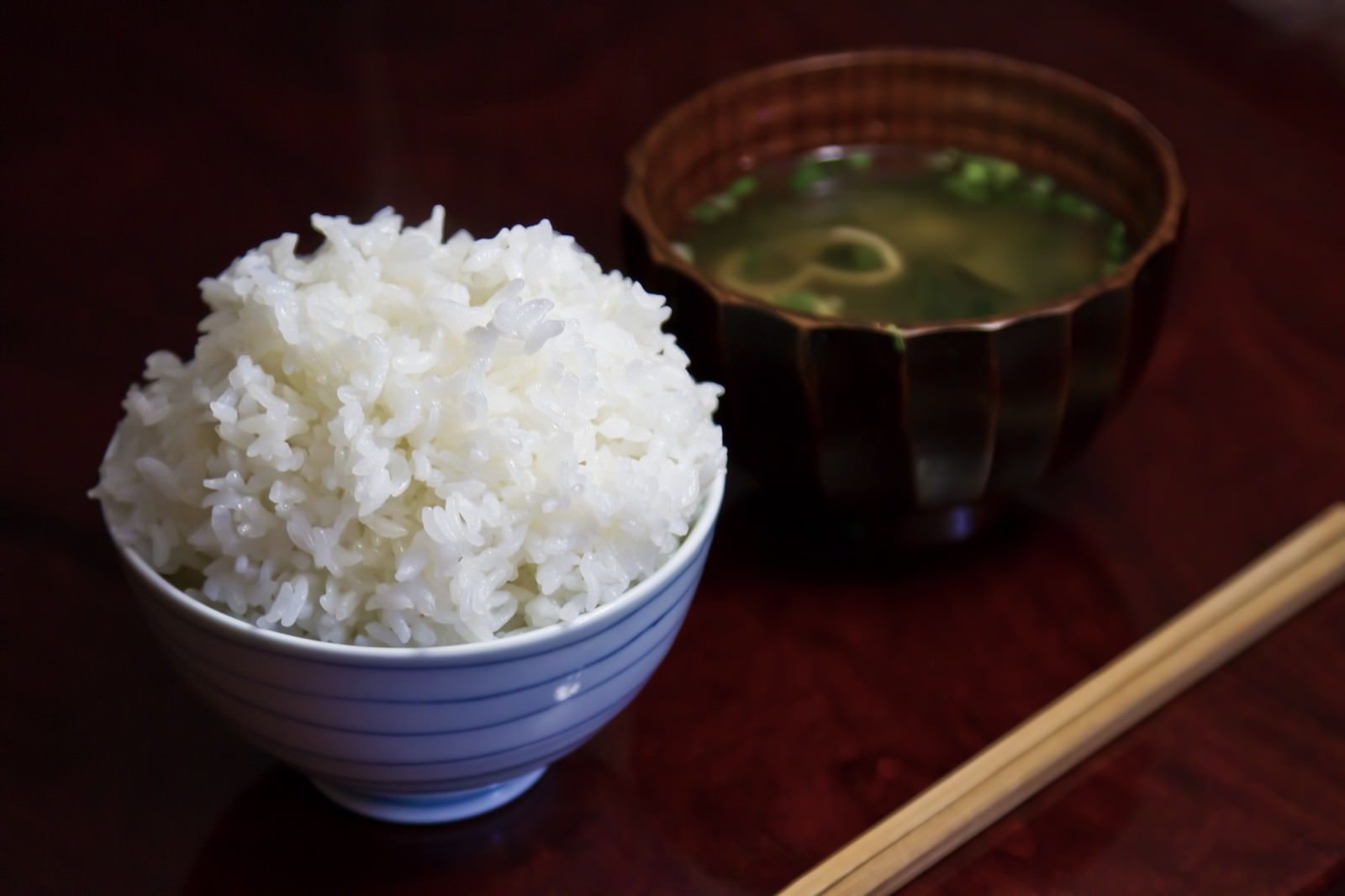
Ryokans, the traditional Japanese inns, elevate miso soup into a central feature of hospitality. Breakfast at a ryokan often begins with a meticulously prepared bowl of miso soup, served alongside rice, pickles, and fish. Guests are encouraged to savor the soup slowly, appreciating its warmth and subtle flavors. For international visitors, this experience provides a window into the Japanese ethos of omotenashi, where every detail—from ingredient selection to bowl presentation—reflects attentiveness, refinement, and care. In this context, miso soup acts as both a literal and symbolic comfort, linking guests to centuries of culinary tradition and cultural values.
Hospitals and Wellness
Miso soup is also a common fixture in hospitals and care facilities, valued for its easily digestible nature and nutritional benefits. The gentle warmth of the soup, combined with its umami-rich taste, provides comfort to patients who may be unwell or recovering. Beyond its physical benefits, the presence of miso soup signals thoughtfulness and care, reassuring patients and creating a familiar connection to home. In this way, the dish carries a quietly therapeutic role, reminding individuals of attention, nurturing, and cultural familiarity.
Restaurants and Cafés: Everyday Comfort
Even in modern eateries, miso soup retains its cultural significance. It often accompanies set meals (teishoku) or appears in small portions as part of a starter course. Diners, whether locals or tourists, can feel a subtle sense of reassurance in its presence. While it may not be as personalized as a home-cooked bowl, its inclusion maintains a link to tradition and comfort, reinforcing a shared cultural identity and a collective memory of home, warmth, and nourishment.
Miso Soup as Cultural Continuity
Across these varied settings—schools, workplaces, inns, hospitals, and restaurants—miso soup functions as more than food. It is a cultural thread, weaving together daily life, tradition, and shared values. Its presence signals care, attentiveness, and the subtle reassurance of continuity. In every bowl served outside the home, there is a reflection of the same quiet kindness that a mother might offer at breakfast, an employer at lunch, or a host at a ryokan.
Miso soup beyond the home illustrates how a simple dish can carry deep cultural resonance. It nourishes bodies, soothes minds, and fosters connections, serving as a bridge between tradition and everyday life. In Japan, miso soup is a reminder that care and comfort can be expressed in the simplest forms, reaching far beyond familial kitchens into every corner of society.
Comparisons with Other Cultures
Miso soup, with its delicate flavors and cultural significance, offers a striking contrast when viewed alongside global culinary traditions. While soup is a near-universal comfort food, the ways in which different societies approach it reveal unique attitudes toward food, care, and social interaction. By comparing miso soup with other cultural practices, we can better appreciate its role in Japanese life and the subtle layers of kindness it conveys.
Western Soups: Nutrition and Convenience
In many Western cultures, soups are often hearty, robust, and served in larger portions. Chicken noodle soup in the United States, for example, is valued for its restorative properties during illness, while French onion soup emphasizes rich flavors and indulgence. Many Western soups are packaged for convenience, such as canned or instant varieties, highlighting practicality and speed. The focus is often on nutrition, flavor intensity, or convenience, rather than the ritualized preparation or symbolic significance.
In contrast, Japanese miso soup emphasizes subtlety, balance, and mindfulness. Each ingredient is chosen carefully, with consideration for seasonality, color, and nutritional value. Serving miso soup is not merely about providing sustenance—it is about conveying care through attentiveness. Even when consumed outside the home, in schools or workplaces, miso soup maintains its role as a medium of quiet kindness, a feature often absent in fast-paced, utilitarian soup traditions elsewhere.
Asian Soup Traditions: Warmth and Community
Comparing miso soup to other Asian soup traditions highlights both similarities and differences. In China, soups like hot-and-sour or double-boiled herbal soups are often deeply linked to medicinal and seasonal philosophies. In Korea, doenjang jjigae, a soybean paste stew, shares similarities with miso soup, both in fermentation practices and umami-rich flavor profiles. However, the Japanese approach tends to emphasize daily, subtle nourishment and ritualized presentation, rather than the stronger medicinal or spicier flavors common in neighboring cuisines.
The key distinction lies in the cultural messaging: miso soup consistently communicates gentleness, attentiveness, and care. While other Asian soups may serve restorative or communal purposes, miso soup uniquely balances everyday ritual, visual harmony, and emotional reassurance.
Instant and Fast Food: Contrasting Pace and Intimacy
Modern global food culture, dominated by fast food and instant meals, provides another lens for comparison. Instant soups, whether in packets or cups, prioritize speed and ease over personalization. While convenient, these versions rarely carry the same emotional resonance as freshly prepared miso soup. In Japan, even the instant versions are designed with attention to taste balance and authenticity, but homemade miso soup remains the gold standard, embodying the deliberate, patient care that defines Japanese culinary kindness.
The act of preparing miso soup—measuring miso paste, cutting ingredients, simmering dashi—becomes a ritual of mindfulness. In Western or fast-food contexts, this ritual is often absent, and the connection between food and emotional warmth may be less explicit. Miso soup thus highlights how even the simplest daily meal can serve as an expression of care, a feature less pronounced in more utilitarian or convenience-driven food cultures.
Breakfast Rituals: Emotional and Social Significance
Another interesting comparison lies in breakfast traditions. In Western countries, breakfast may be quick and functional: cereal, toast, or coffee-on-the-go. In Japan, breakfast is often a structured, mindful experience, with miso soup at its center. The warmth of the bowl, the careful preparation, and the communal sharing of the meal communicate thoughtfulness and attention to loved ones’ well-being. It transforms a basic daily routine into an act of subtle emotional labor.
Through this lens, miso soup becomes a cultural emblem of emotional intelligence and social harmony. While other cultures may emphasize efficiency or indulgence, Japanese cuisine embeds social and psychological care into everyday meals.
A Universal Language of Care
Despite these differences, one theme transcends cultures: soup, in its various forms, represents nourishment and comfort. What makes miso soup unique is how it combines this universal comfort with ritual, symbolism, and emotional resonance. It is not just about feeding the body but tending to relationships, emotional states, and cultural continuity.
By comparing miso soup with other soups and breakfast traditions worldwide, it becomes clear that Japanese cuisine integrates care into even the simplest forms. The gentle kindness of miso soup is not incidental—it is deliberate, cultivated, and embedded in the cultural fabric.
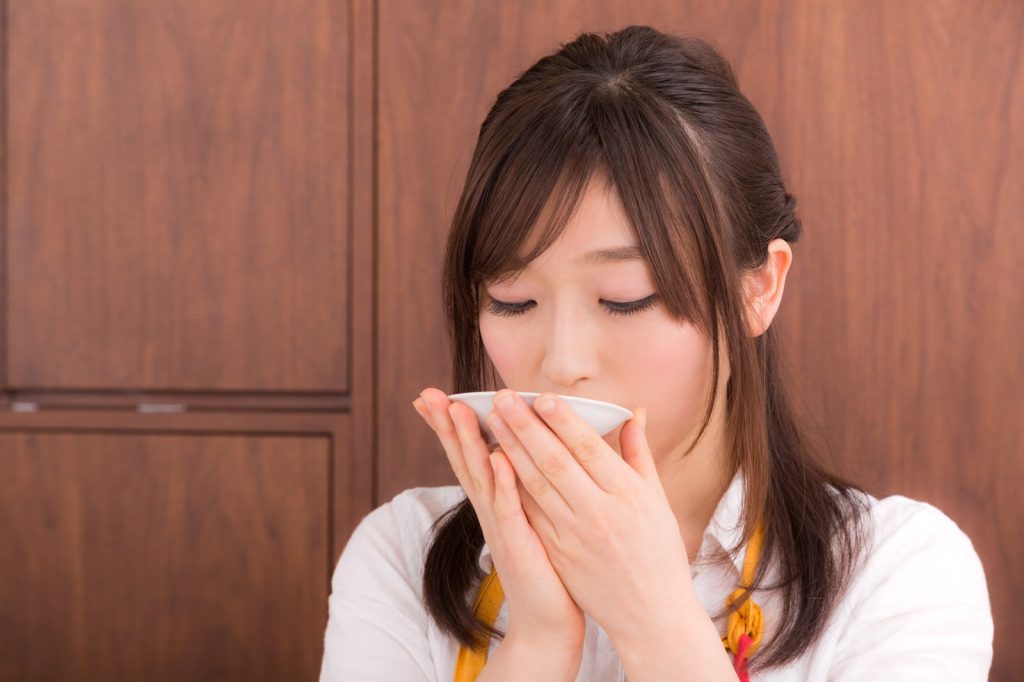
Practicing Gentle Kindness in Daily Life
Miso soup is more than a daily ritual or a nutritional boost—it is a lesson in gentle, intentional care that can be applied beyond the kitchen. By observing how Japanese families prepare, serve, and share miso soup, one can uncover principles of thoughtfulness, mindfulness, and interpersonal kindness that transcend cultural boundaries. These lessons provide practical guidance for fostering connection and consideration in everyday life.
Preparing with Attention
The first step in practicing gentle kindness begins with preparation. Japanese home cooks often take care to select seasonal ingredients that are fresh and nutritionally balanced. Even something as simple as the ratio of miso paste to dashi (broth) is carefully measured to ensure a harmonious taste. This mindfulness in preparation is a form of caring: the cook anticipates the needs and preferences of those who will eat the soup, even without verbal communication.
For foreigners, adopting a similar approach—attending to details, considering the preferences of others, and investing care in small tasks—can cultivate kindness in everyday interactions. Whether in cooking, offering assistance, or completing work tasks, preparation done thoughtfully communicates attentiveness and respect.
Serving with Consideration
Serving miso soup is another opportunity to practice subtle kindness. Temperature, presentation, and portion size are all considered. The soup should be warm, but not scalding, and the ingredients arranged attractively to convey attention to detail. The care with which a bowl is presented reflects a quiet concern for the comfort and satisfaction of the recipient.
This principle can extend to daily social interactions. Whether offering a beverage to a guest, giving advice, or lending a listening ear, the act of thoughtful presentation—paying attention to timing, manner, and appropriateness—demonstrates care and consideration beyond words.
Sharing and Mindfulness
Eating miso soup is often a shared experience, whether at home, in schools, or workplaces. Mealtime provides an opportunity for mindful presence and silent connection. Conversation may be gentle or minimal, allowing the warmth of the meal itself to convey attention and affection. In this context, kindness is embedded in the act of sharing itself, rather than overt expression.
In daily life, one can practice this form of mindfulness by being present with others, engaging fully in interactions, and offering support or companionship without demanding recognition. Small acts of attentiveness—listening actively, acknowledging effort, or simply being present—become daily gestures of gentle kindness.
Adapting to Modern Life
Even in fast-paced modern lifestyles, the principles of miso soup’s gentle care can be adapted. Quick preparation methods, pre-chopped ingredients, or time-saving appliances need not diminish thoughtfulness. What matters is the intention behind the act. Choosing to prepare a meal, take a moment to check on someone, or offer a small act of consideration carries the same spirit as a carefully simmered bowl of miso soup.
Similarly, workplace and social interactions can benefit from this mindset. Recognizing the needs of colleagues, offering encouragement, and attending to the small details that improve others’ comfort are practical ways to embed gentle kindness into contemporary life.
Small Gestures, Big Impact
Miso soup exemplifies how small gestures can have profound emotional effects. A thoughtfully prepared bowl can brighten a morning, provide comfort during stress, or simply convey “I care about you” without words. By embracing these principles, individuals can transform everyday actions—whether in cooking, communication, or shared tasks—into meaningful expressions of care.
Ultimately, practicing gentle kindness is about consistent, intentional attention to the well-being of others. It is a quiet, patient, and deliberate approach to interaction that nurtures trust, connection, and mutual respect.
Closing Reflection: A Bowl That Warms More Than the Body
A steaming bowl of miso soup is deceptively simple, yet within its warmth lies a profound cultural and emotional significance. It nourishes not only the body but also the spirit, offering a quiet demonstration of care, attentiveness, and connection. For those unfamiliar with Japanese customs, it can be easy to see miso soup as merely a breakfast staple or a side dish—but in reality, it embodies an entire philosophy of gentle kindness woven into daily life.
Beyond Nutrition: Connection Through Care
In Japanese households, miso soup is more than nourishment; it is a medium of expression. From the careful selection of ingredients to the deliberate arrangement in a bowl, every step communicates consideration. When served to family members or guests, the soup silently conveys warmth, welcome, and thoughtfulness. It is a reminder that care does not always need to be verbalized—actions, especially small, consistent ones, can speak louder than words.
This quiet form of kindness resonates beyond the home. In schools, workplaces, and inns, a bowl of miso soup fosters communal comfort and a sense of harmony. Its presence reassures, refreshes, and unites, turning an ordinary meal into a moment of connection and attentiveness. For foreigners experiencing this for the first time, the subtlety of these gestures often leaves a lasting impression of Japanese hospitality and mindfulness.
The Philosophy of Everyday Care
The lessons embedded in miso soup extend into daily life. They remind us that the simplest acts—preparing a meal, offering a warm drink, attending to someone’s comfort—can be transformative. The deliberate care invested in these actions exemplifies how small gestures, repeated daily, cultivate trust, nurture relationships, and create a sense of safety and belonging.
In this way, miso soup becomes a symbol of quiet, enduring kindness. It teaches that consideration is not only about grand gestures but also about the consistency of small, thoughtful acts. Each bowl embodies patience, attentiveness, and the gentle prioritization of others’ well-being, highlighting a cultural emphasis on subtlety, respect, and harmony.
Embracing the Spirit in One’s Own Life
Understanding the cultural depth of miso soup allows us to reflect on how we can integrate similar principles into our own lives. Preparing meals with mindfulness, listening attentively, offering support, and performing small acts of care all reflect the same philosophy. The essence of gentle kindness is universal, and miso soup offers a tangible, everyday illustration of how to practice it.
Even for those far from Japan, the spirit of miso soup encourages a mindful approach to living: noticing details, valuing presence, and acting with consideration. It reminds us that the simplest, most routine actions—when performed with intention and care—can have profound emotional resonance.
QuietTether Philosophy
At its core, miso soup embodies the QuietTether philosophy:
“A steaming bowl of miso soup is more than a meal. It is a quiet gesture of kindness, care, and connection.”
Through this lens, the act of preparing, serving, and sharing miso soup becomes a reflection of a deeper cultural truth: that human connection thrives on small, deliberate expressions of thoughtfulness. Each bowl is a microcosm of patience, warmth, and empathy—a daily practice of nurturing both body and soul.
By appreciating miso soup in this way, we recognize that genuine care often manifests quietly, yet it leaves an indelible impression. A simple meal, steeped in tradition and intention, can remind us that kindness does not need to be loud or grand to be transformative. In every sip, one can taste not just flavors, but the invisible threads of attention, respect, and love that weave through Japanese culture, inviting us to embrace a gentler, more considerate way of living.