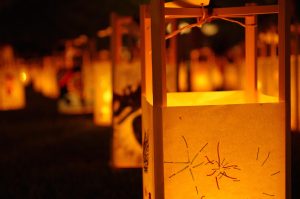
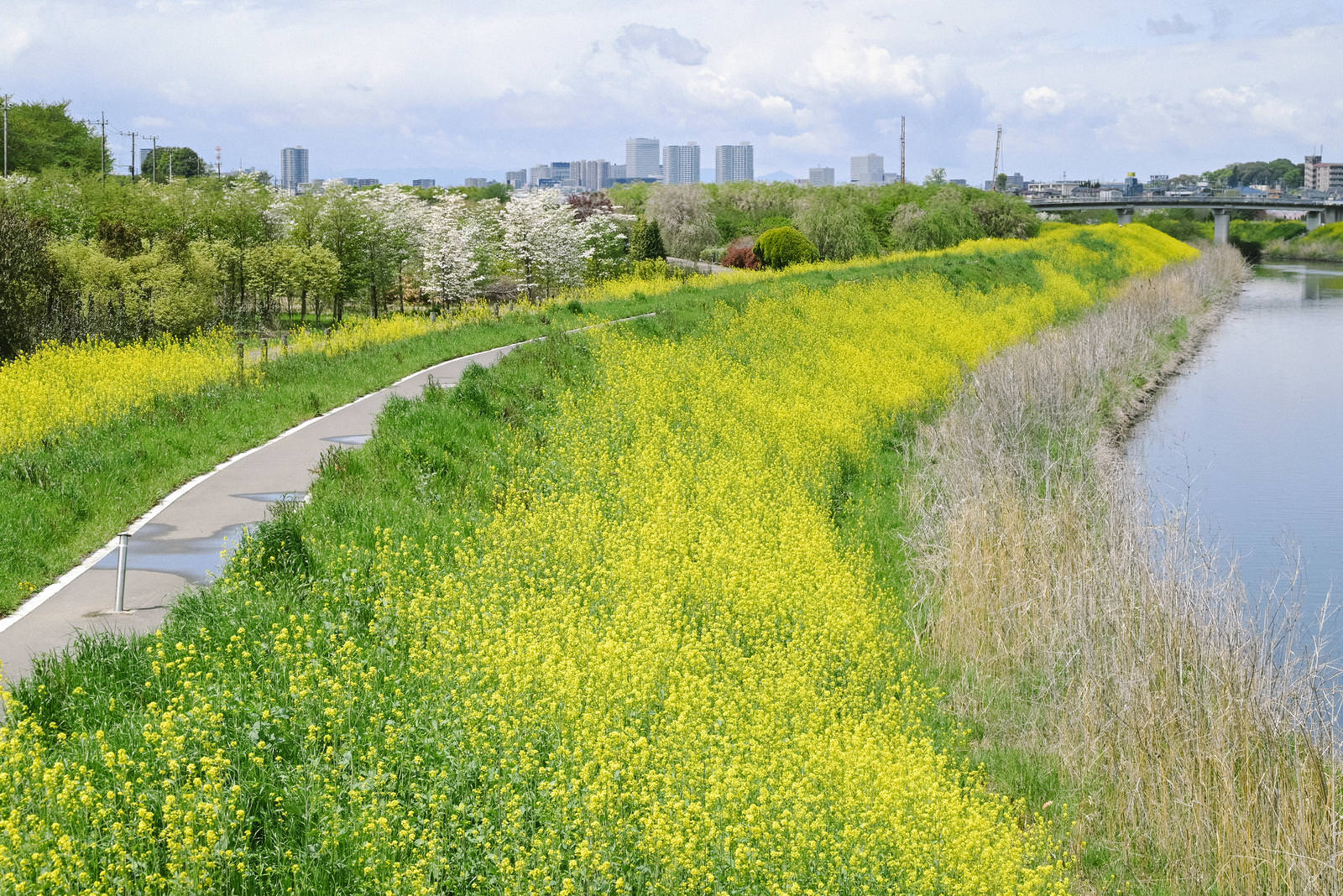
Opening Story: A Year in Kyoto’s Rhythm
It was early March when Alex, a traveler from Europe, first arrived in Kyoto. The city, draped in the gentle blush of cherry blossoms, seemed like a painting come to life. Each street, each temple garden, was awash with soft pink petals, floating like snow in the spring breeze. Alex had expected sightseeing, temples, and historic streets—but what struck him first was the rhythm of life itself. People moved with a pace attuned to the changing seasons, their lives seemingly harmonized with nature’s gentle pulse.
On his first morning, he walked along the Philosopher’s Path, where cherry trees lined the canal, their branches forming delicate archways. Elderly couples strolled hand in hand, students paused to sketch the blossoms, and street vendors sold sakura-flavored treats that celebrated the ephemeral beauty surrounding them. Alex noticed that nobody seemed rushed. Conversations were punctuated by smiles, pauses, and moments of appreciation for the surrounding beauty. Even in the bustling city, life followed a cadence dictated not by clocks alone, but by nature’s unfolding.
Summer brought a stark contrast. By June, the air grew heavy and humid, the streets shimmered under the heat, and the festivals began. Alex found himself caught in the joyous chaos of Gion Matsuri, watching as elaborately decorated floats were paraded through the streets. He joined children spinning goldfish nets in small streams, tasted kakigori—shaved ice flavored with syrup—and felt a deep sense of communal celebration. Here, life followed the rhythm of heat, rain, and harvest, and people adjusted their routines, their clothing, and even their diet in sync with the season.
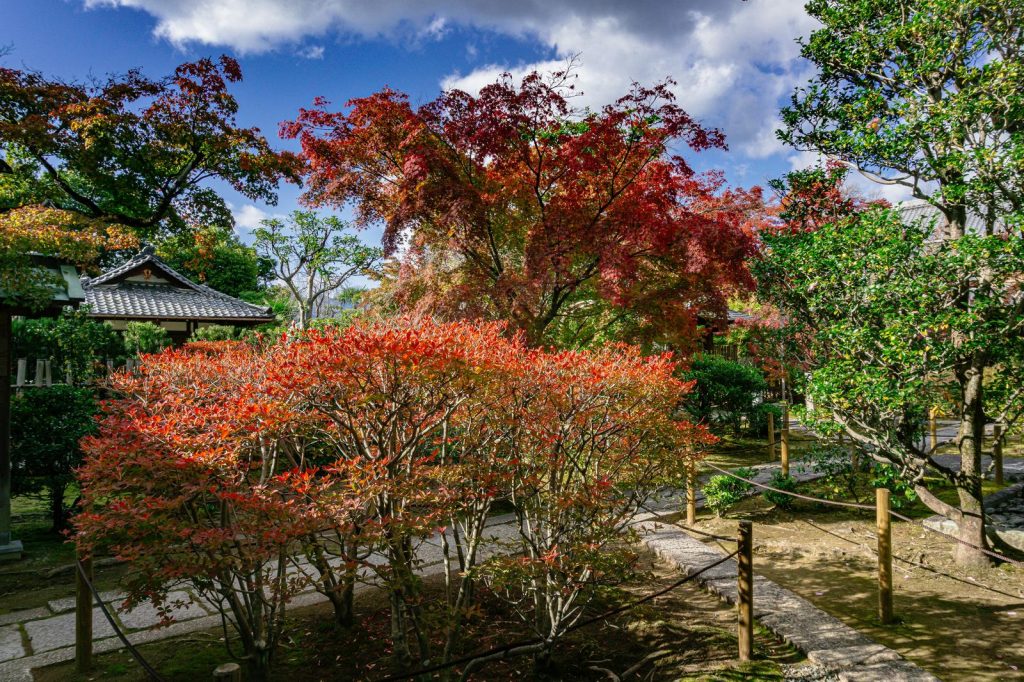
Autumn arrived like a painter with a vast palette. Maple leaves turned vivid reds and golds, their brilliance reflected in the still waters of temple ponds. Alex hiked to Kiyomizu-dera, where every step on the stone paths was cushioned by fallen leaves. Tea houses served roasted chestnuts and matsutake mushrooms, each dish evoking the season’s distinct flavor. He began to notice subtle patterns: the way temples opened their gates to capture the sun’s autumnal glow, the way local markets displayed seasonal vegetables with almost reverent care, and how every corner of the city seemed to whisper, “Pay attention. Life changes, and there is beauty in each shift.”
Winter, arriving with quiet certainty, transformed Kyoto again. Snow dusted temple roofs and garden paths. Streets were empty at dawn, yet serene, with steam rising from onsen and cafes. Alex wrapped himself in layers, walking through silent bamboo groves, marveling at the contrast between the stark, quiet winter and the vibrant chaos of summer months. In these cold, tranquil days, he noticed subtle warmth in the smallest gestures: a shopkeeper placing a handwarmer inside a package, children helping elderly neighbors clear snow, the precise preparation of tea that mirrored the calm of the snowy landscape outside.
As the year unfolded, Alex realized something profound. Witnessing the seasons wasn’t just about noticing flowers bloom or leaves fall. It was about understanding life’s rhythm, attuning oneself to impermanence, and embracing change with mindfulness. Every meal, every festival, every quiet morning by the river reflected a society deeply intertwined with nature. And in that awareness, Alex discovered a sense of peace—a gentle, guiding rhythm that transcended mere observation. Experiencing Kyoto through the seasons, he realized, was like stepping into a living poem, where every moment carried the essence of time, change, and the beauty of flowing with nature.
By the time the first cherry blossoms of the next year reappeared, Alex no longer saw the city as just a destination. Kyoto had become a teacher. He had learned to slow down, to notice, to adjust his life to the gentle ebb and flow of the world around him. And in doing so, he understood that to embrace the seasons fully was to embrace life itself—a lesson the city had been quietly imparting, one delicate petal, one golden leaf, one snowflake at a time.
The Japanese Sensibility to Seasons
In Japan, the seasons are far more than a meteorological phenomenon; they are a lens through which life itself is observed and understood. From ancient times, Japanese people have cultivated a deep sensitivity to the subtle shifts of nature, weaving these changes into art, poetry, and daily routines. The world is perceived not just in terms of permanence and stability, but in the flowing rhythm of impermanence—an awareness that blossoms and fades, waxes and wanes, in a pattern both predictable and endlessly surprising.
The roots of this sensibility stretch back over a millennium. In the Heian period, poets of the imperial court composed waka and tanka that celebrated the ephemeral beauty of sakura (cherry blossoms) in spring or the delicate silver of frost in winter. Each season was more than a backdrop; it was a character in its own right, shaping emotions, behavior, and even the structure of human relationships. A lover might write a poem about the first plum blossoms of early spring to convey anticipation or longing. A samurai could reflect on autumn’s crimson leaves as a reminder of mortality and honor. Through poetry, music, and painting, nature’s cycle became inseparable from the human experience.
This sensitivity extends into everyday life as well. The Japanese term mono no aware, often translated as “the pathos of things,” captures the bittersweet recognition that all things are transient. In daily routines, it manifests in practices that align human activity with seasonal rhythms. Windows are opened to catch spring breezes, clothing is changed with the shifting temperatures, and seasonal foods are celebrated not merely for taste, but for their temporal presence in the natural cycle. Awareness of these subtleties cultivates a mindset attuned to change, teaching patience, appreciation, and humility.
Architecture and garden design further illustrate this connection. Traditional Japanese houses often include sliding shoji screens that open rooms to sunlight and seasonal breezes, while gardens are meticulously designed to reflect the changing seasons. Stone paths may be framed with cherry trees for spring, maples for autumn, and pines for the year-round grounding of winter landscapes. Each plant, each placement, is chosen not only for its visual appeal but for its capacity to signal time and encourage mindfulness.
Moreover, seasonal sensibility is interwoven with social practices. Festivals, public rituals, and even casual greetings mark the passage of time and foster a communal awareness of change. Phrases such as “Aki ga kiteimasu ne” (“Autumn has come, hasn’t it?”) or “Haru ga kita” (“Spring has arrived”) serve as gentle acknowledgments that connect people to the rhythm of the natural world. By recognizing the subtle cues of seasonal transition, individuals develop a collective empathy, understanding that life moves in cycles larger than themselves.
In this context, the Japanese experience of the seasons is not about resisting change but immersing in it. Unlike cultures that prioritize permanence, certainty, or control, Japanese sensibility celebrates the ephemeral, finding beauty in the fleeting and comfort in impermanence. The soft falling of cherry petals, the heat shimmer of summer streets, the golden cascade of autumn leaves, and the silent snow of winter—each season imparts a lesson about attentiveness, acceptance, and the poetry of living in harmony with nature.
Through this cultivated awareness, the Japanese approach to life becomes a continuous conversation with the environment. One does not merely observe the world; one participates in its ongoing flow. This engagement is both practical and aesthetic: it informs agricultural practices, culinary traditions, clothing, and architecture, while simultaneously shaping literature, art, and spiritual practice. By embracing the rhythm of the seasons, one learns to attune to life’s delicate balance between change and continuity, presence and impermanence.
For those like Alex, arriving from lands where seasonal change may be less pronounced, this sensibility can initially appear subtle, almost invisible. Yet over time, it reveals itself as a guiding principle: a way of moving through the world with awareness, reverence, and a sense of rhythm. To live in Japan is to recognize that every moment belongs to a particular season, that each experience is framed by nature’s timing, and that the world’s beauty is inseparable from its constant transformation.
In essence, the Japanese sensibility to the seasons teaches that life is not a sequence of tasks or events to be controlled, but a flowing, cyclical journey to be observed, felt, and harmonized with. It is a philosophy embedded in culture, daily life, and the human heart—a reminder that the natural world is both a mirror and a teacher, guiding individuals to live attentively, gracefully, and fully within the ever-changing rhythm of existence.
Seasonal Festivals and Rituals
One of the most vivid expressions of Japan’s seasonal awareness is its festivals, or matsuri. Each season brings a constellation of celebrations that both honor nature’s rhythms and create communal spaces for reflection, joy, and participation. These events are not merely entertainment; they are cultural rituals that synchronize human life with the changing year, allowing individuals to experience time, place, and community in intimate connection with the environment.
Spring: The Blossoming of Renewal
Spring in Japan is synonymous with sakura, the cherry blossoms that bloom across parks, temples, and riverbanks. The ritual of hanami—flower viewing—invites people to gather beneath these ephemeral blooms, celebrating renewal, beauty, and the transient nature of life. Families, friends, and coworkers share picnics, exchanging laughter and conversation, while silently acknowledging the fleeting beauty overhead. The festival is both a public spectacle and a contemplative experience, reminding participants that life’s moments, like petals on the wind, are temporary yet precious.
Another springtime tradition is Hina Matsuri, the Doll Festival, celebrated on March 3rd. In homes across Japan, elaborately dressed dolls are displayed on tiered platforms, representing the imperial court. Families, especially with young daughters, mark the occasion with prayers for health and happiness. Though playful and decorative on the surface, the festival embodies a subtle understanding of cycles—protection, growth, and the seasonal passage of time.
Summer: Celebration and Transience
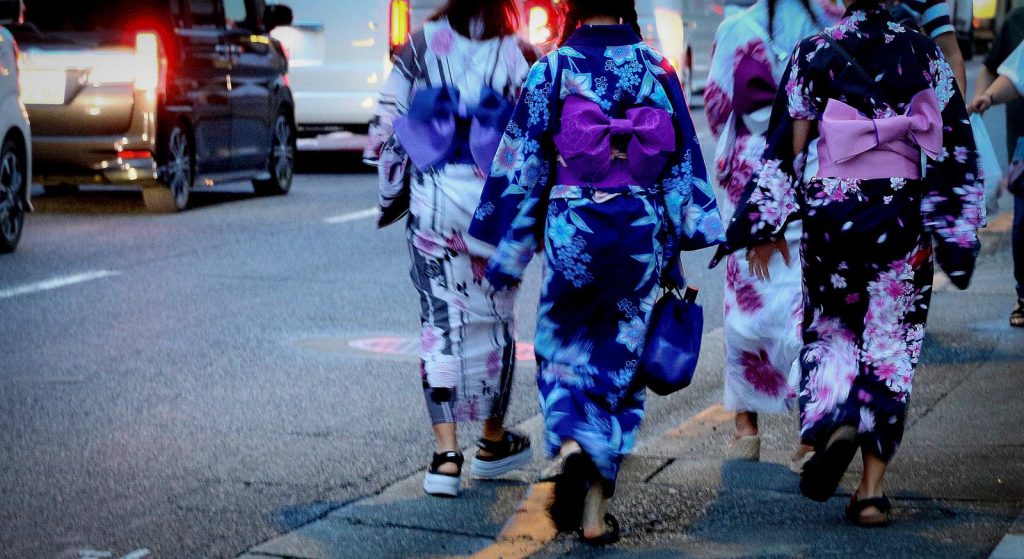
Summer ushers in heat, humidity, and a series of festivals that emphasize communal engagement and sensory delight. Bon Odori, part of the Obon festival, is a time when families honor the spirits of ancestors through dancing, music, and lantern lighting. Streets come alive with movement, traditional yukata garments, and rhythmic drums, all set against the background of long, sun-drenched days. The festival embodies the Japanese idea of flow—participation, movement, and acknowledgment of continuity between the past and the present.
Summer evenings are also marked by hanabi taikai, fireworks festivals that illuminate riversides and cityscapes. Spectators gather in blankets and chairs, watching ephemeral explosions of light mirrored in the water below. The enjoyment of these fleeting moments, shared with others, reinforces the cultural principle that beauty is heightened by impermanence.
Tanabata, the Star Festival, offers another layer of seasonal celebration. Rooted in folklore about two stars separated by the Milky Way, the festival involves decorating bamboo branches with colorful strips of paper inscribed with wishes. Children and adults alike participate, creating a communal tapestry of hope, imagination, and seasonal engagement. The festival’s celestial themes remind participants that human experience is connected to larger cycles, both earthly and cosmic.
Autumn: Reflection and Harvest
Autumn in Japan is a season of reflection, gratitude, and appreciation of transformation. The phenomenon of koyo, or autumn leaf viewing, draws people to mountains, gardens, and temple grounds to witness the vibrant reds, oranges, and yellows of maple trees. Unlike spring’s exuberant celebration, autumn carries a contemplative tone. The beauty of fading leaves evokes mono no aware, the gentle sadness at life’s impermanence, cultivating mindfulness and emotional depth.
Seasonal rituals such as Tsukimi, the Moon Viewing Festival, emphasize attentiveness to natural cycles. Participants admire the full moon, offer seasonal foods like dumplings (tsukimi dango), and reflect on the harvest and the passage of time. This quiet observance illustrates how seasonal festivals are as much about inner awareness as outward celebration.
Winter: Silence and Renewal
Winter festivals in Japan blend solemnity and joy, reflecting the quiet rhythms of the season. New Year (Shogatsu) is the most significant winter ritual, marking both a temporal and spiritual transition. Families cleanse their homes, prepare special dishes like osechi ryori, and visit shrines to pray for health and prosperity. The season’s rituals encourage reflection on the year past and hope for the year ahead, emphasizing both continuity and renewal.
In northern regions, snow festivals transform cold landscapes into wonderlands of sculpture, light, and art. The Sapporo Snow Festival, for instance, draws visitors from around the world to marvel at massive ice and snow creations. While celebratory, these events also highlight the beauty of impermanence—structures that will eventually melt, like life’s fleeting moments.
Seasonal Festivals as Cultural Conduits
Together, these festivals create a rhythm that shapes communal life. They connect the individual to nature’s cycles, to ancestral tradition, and to the shared experiences of neighbors and visitors alike. For foreign travelers, witnessing these rituals often provides a visceral understanding of Japan’s seasonal sensibility. Alex, experiencing Kyoto’s festivals throughout the year, discovers not just new sights and tastes but a holistic way of relating to time, nature, and society. The festivals teach that life is lived in cycles, celebrated in participation, and honored in awareness of impermanence.
In essence, Japanese seasonal festivals are more than cultural artifacts; they are living expressions of humanity’s alignment with nature. By observing and participating, individuals cultivate mindfulness, gratitude, and connection—a rhythm that transforms everyday existence into a harmonious dance with the passing year. Each festival, whether vibrant or serene, reinforces the idea that to live fully is to honor the seasons, flowing with their rhythm rather than resisting it.
Seasonal Foods and Flavors
In Japan, the rhythm of the seasons is not only observed in festivals or natural scenery—it is savored through food. The Japanese have cultivated an extraordinary sensitivity to seasonal ingredients, flavors, and presentation, encapsulated in the concept of 旬 Shun—the peak season of each ingredient. Eating according to the seasons is considered both a culinary delight and a form of attunement to nature’s cycles.
Spring: Awakening the Senses
Spring, with its gentle rains and warming sunlight, brings a bounty of fresh, tender vegetables and herbs. Wild mountain vegetables, or sansai, such as fiddlehead ferns and bamboo shoots, appear in local markets. These ingredients, often simply boiled or lightly seasoned, embody the freshness and subtlety of the season. The fleeting nature of spring ingredients reinforces the appreciation of impermanence that is central to Japanese culture.
Sakura blossoms themselves influence cuisine. Sakura-mochi, a pink rice cake wrapped in a salted cherry leaf, offers a taste of spring that engages both palate and eye. For foreign visitors, savoring such delicacies is not just about flavor—it is an introduction to a culture that celebrates ephemeral beauty through taste.
Summer: Lightness and Refreshment
Summer’s heat calls for cooling foods and refreshing experiences. Cold noodles, such as hiyashi somen or zaru soba, are served with chilled dipping sauces, providing relief from high temperatures while honoring the simplicity and purity of seasonal ingredients. Seasonal fruits, like watermelon and peaches, are enjoyed chilled, embodying the season’s sweetness and abundance.
Traditional summer desserts, including 葛餅 kuzu-mochi and かき氷 Kakigori (shaved ice with syrup), combine texture, color, and temperature to create a multisensory experience. Local festivals often feature street vendors selling these seasonal treats, connecting communal life, celebration, and culinary enjoyment. Travelers often remark on the surprising contrast between Japanese summer foods’ delicacy and the season’s intensity—a harmony of restraint and pleasure.
Autumn: The Flavor of Change
Autumn is the season of harvest and reflection. Mushrooms such as matsutake, chestnuts, and persimmons arrive at markets, while rice and other staples reach peak ripeness. Meals are designed to celebrate abundance and the colors of the season. Kaiseki, the traditional multi-course meal, often highlights autumn through small dishes that resemble the fiery foliage of maple and ginkgo trees, demonstrating that food can visually represent seasonal transitions.
Autumn flavors are rich yet subtle, encouraging mindful eating. For visitors, the season becomes a lesson in observation: noticing the gentle layering of taste, texture, and color mirrors the attentiveness required to appreciate the natural world. The Japanese principle of wabi-sabi, recognizing beauty in imperfection and transience, is often experienced directly through these foods.
Winter: Comfort and Connection
Winter brings cold weather and the need for warmth and sustenance. Root vegetables, hearty stews, and hot pots, or nabe, become central to meals. These communal dishes are shared around a simmering pot, emphasizing family, togetherness, and care. Traditional dishes like oden, a stew of eggs, daikon, fish cakes, and konnyaku, reflect not only seasonal ingredients but also the cultural importance of shared comfort.
Sweets in winter, such as 羊羹 Yokan (sweet bean jelly) or mochi prepared for the New Year, offer warmth and indulgence. Seasonal teas, often roasted or infused with herbs, provide both nourishment and ritual, reinforcing a deep connection to nature’s cycles and the human need for comfort during long, dark months.
The Philosophy of Shun
At the heart of Japan’s seasonal cuisine is shun, which embodies more than flavor; it is an ethical, aesthetic, and emotional principle. Eating ingredients at their peak demonstrates respect for nature, gratitude for its gifts, and mindfulness of time’s passage. For travelers, experiencing shun can shift the perception of eating from a mere act of sustenance to a contemplative, seasonal engagement.
Japanese confectionery, or 和菓子 Wagashi, particularly highlights the artistry of seasonal foods. Each piece mirrors seasonal motifs—cherry blossoms, maple leaves, snowflakes—crafted to evoke a sense of place and time. Even the act of serving tea becomes a ceremonial recognition of seasonal shifts, turning a simple daily ritual into an immersive natural experience.
A Traveler’s Perspective
For foreign visitors like Alex, who is spending a year in Kyoto, seasonal foods provide both surprise and education. Eating a spring 山菜 sansai salad, summer ざる蕎麦 zaru soba, autumn 松茸 Matsutake soup, and winter おでん oden not only delights the palate but deepens understanding of Japan’s intimate dialogue with nature. Each meal is a reminder that living attuned to the seasons enriches daily life, offering pleasure, mindfulness, and continuity.
Ultimately, Japanese seasonal foods illustrate that life, like a meal, has rhythm and progression. By tasting the season, observing its colors and forms, and sharing it with others, individuals participate in a cultural practice that honors both the natural world and human sensibility. Through cuisine, the impermanence, renewal, and cyclical beauty of nature are made tangible, approachable, and deeply enjoyable.
The Aesthetics of Change
In Japan, the passage of time is not merely measured by clocks or calendars—it is observed in the gentle and continuous transformation of the natural world. This awareness of change is deeply embedded in Japanese aesthetics, influencing art, poetry, architecture, and daily life. The seasons are not simply intervals of weather; they are manifestations of impermanence (無常 Mujo), each carrying its own moods, lessons, and beauty.
The Fleeting Beauty of Cherry Blossoms
Spring’s cherry blossoms, or Sakura, epitomize the Japanese appreciation of transience. When the delicate pink petals bloom, they command attention and celebration. Yet the true essence of Sakura lies in their brevity: the blossoms flourish fully for only a short period before scattering to the wind. This ephemeral quality is not mourned but celebrated, reminding people that beauty exists precisely because it is fleeting.
During 花見 Hanami—flower viewing—families, friends, and coworkers gather under the cherry trees. The act is less about the blossoms themselves and more about being present to witness and participate in the cycle of life. Foreign visitors often find this both poetic and paradoxical: the Japanese joyfully celebrate something destined to vanish, suggesting that impermanence can deepen, rather than diminish, appreciation.
Autumn’s Palette of Change
Autumn brings a dramatic visual transformation. Leaves turn vivid shades of red, orange, and gold before falling, marking the season’s inevitable progression toward winter. This rich color palette, often referred to as 紅葉 koyo, reflects a sophisticated awareness of time and impermanence. Unlike spring’s delicate blossoms, autumn’s changes feel more mature and contemplative, inviting reflection on the balance between growth, peak, and decline.
Art forms such as 浮世絵 Ukiyo-e woodblock prints and 花鳥画 Kacho-ga paintings frequently depict these seasonal shifts, emphasizing not just the beauty of individual trees but the atmospheric and temporal context in which they exist. Travelers walking through Kyoto’s temples and gardens in autumn notice how the interplay of color, light, and shadow evokes both nostalgia and serenity.
Winter: Quiet and Stillness
Winter, often considered a minimalist season, offers its own aesthetic. Snow-covered landscapes reveal the elegance of simplicity and silence. Bare branches, frost patterns, and subdued tones encourage contemplation and inner stillness. Japanese architecture and garden design, such as the arrangement of stones, moss, and raked sand, often incorporate winter’s starkness, allowing negative space (Ma) to speak as profoundly as physical forms.
In winter, people embrace quiet rituals: sipping hot tea by a window, observing falling snow, or walking through serene temple grounds. The aesthetic focus is no longer on abundance but on restraint, reflection, and the subtle interplay between emptiness and presence.
The Concept of Ma and Temporal Awareness
Underlying these seasonal observations is the concept of Ma—the conscious use of space, silence, and pause. Ma teaches that beauty and meaning are not always in the object itself but in the interval between experiences: the falling of a petal, the shifting of sunlight, the gap between sounds. Through ma, change becomes an aesthetic principle, inviting mindfulness and appreciation for what is and what will inevitably pass.
The Japanese approach to change emphasizes process over permanence. Poetry, such as haiku, captures fleeting moments in three lines, while tea ceremonies frame impermanent experiences through precise, repeated rituals. Both forms reveal a cultural inclination to savor transitions rather than cling to outcomes.
Everyday Engagement with Aesthetics of Change
Seasonal awareness permeates daily life in Japan. Clothing choices follow the subtle temperature shifts of each season (衣替え Koromogae), greetings change with the season, and markets display ingredients that reflect the current month. Even home décor and garden arrangements are adjusted to echo seasonal motifs.
For visitors, engaging with these practices provides a tangible connection to the Japanese philosophy of change. Simply observing seasonal shifts in food, foliage, or festivals cultivates a sense of temporal mindfulness, highlighting the beauty in transformation rather than permanence.
Lessons from Nature and Reflection
By observing the changing seasons, individuals develop sensitivity to impermanence in all aspects of life. Just as cherry blossoms fall, autumn leaves fade, and snow melts, human experiences are transient. Japanese aesthetics teaches that acknowledging and embracing this impermanence fosters serenity, resilience, and appreciation for life’s fleeting moments.
Travelers often find themselves slowing down: savoring a meal of seasonal ingredients, pausing under a maple tree, or quietly observing snow falling in a temple courtyard. In these moments, the Japanese understanding of mono no aware—the poignancy of impermanence—becomes palpable, offering insight into a cultural approach that finds joy in temporal beauty rather than eternal certainty.
Living with Nature in Daily Life
In Japan, the changing seasons are not merely observed in grand landscapes or celebrated through festivals—they are intimately woven into daily life. From small domestic rituals to communal practices, the Japanese approach to living with nature emphasizes attentiveness, adaptability, and mindfulness. The philosophy is simple: align human activity with the natural rhythms of the world rather than attempt to dominate or resist them.
Clothing and Lifestyle Adaptations
One of the most tangible ways Japanese people adjust to the seasons is through koromogae, the traditional practice of changing clothing according to the time of year. In spring, lighter fabrics and pastel colors are embraced to echo the blossoming environment, while winter calls for heavier layers and muted tones that harmonize with subdued landscapes. This attentiveness to seasonal transition extends beyond practicality; it reflects an aesthetic and psychological alignment with the external world.
Similarly, homes are prepared according to seasonal needs. Sliding screens (shoji) and wooden verandas (engawa) facilitate ventilation in summer and sunlight capture in winter. Indoor decorations subtly shift: spring flowers in vases, autumnal leaves in arrangements, and winter’s pine or bamboo displays for the New Year. Every change, however small, cultivates a heightened awareness of the passing seasons.
Seasonal Greetings and Communication
Language itself reflects seasonal consciousness. Japanese people exchange greetings that correspond to the time of year, such as shochū mimai (summer letters asking after one’s health during the hottest months) or nengajo (New Year’s cards). These seasonal messages are more than etiquette—they signal attentiveness, care, and attunement to temporal cycles.
In conversations, references to weather or seasonal phenomena often provide subtle social cues. A colleague might comment on the cherry blossoms or the autumn foliage to express shared experiences, creating a quiet rhythm of connection anchored in nature. For foreigners, this nuanced social practice reveals how deeply seasonality permeates Japanese life, linking interpersonal awareness with natural cycles.
Seasonal Foods and Culinary Practices
Cuisine provides another intimate interface with the changing seasons. Japanese food culture celebrates shun—the seasonal peak of ingredients. Spring vegetables, summer fish, autumn mushrooms, and winter root vegetables are carefully selected not only for taste but for their alignment with the season. Even the presentation of dishes—colors, textures, and plating—reflects the current environment, embodying the transience of nature on a plate.
The tradition of seasonal sweets, or wagashi, is particularly illustrative. Confections are crafted to evoke flowers, leaves, or snow, transforming everyday treats into poetic reflections of nature’s fleeting beauty. Eating in harmony with the seasons cultivates a sense of grounding and mindfulness, connecting human life with the cycles beyond it.
Architectural and Garden Harmony
Japanese architecture and garden design further exemplify living with nature. Homes are often oriented to capture sunlight and seasonal breezes. Gardens are designed to evolve with the year: cherry blossoms in spring, moss-covered stones in summer, maples in autumn, and snow-covered landscapes in winter. Even small balcony gardens reflect this seasonal attentiveness, encouraging daily interaction with nature’s rhythms.
This integration of seasonal awareness is not passive; it actively shapes human behavior. The placement of furniture, the choice of window views, and the timing of daily activities are subtly guided by seasonal conditions, fostering harmony between interior spaces and the natural world outside.
Observing Nature in Daily Routine
The Japanese practice of observing nature extends into ordinary routines. Morning walks may include noticing the first bloom of plum trees; commuting may involve appreciating seasonal scents or colors along the path; tea ceremonies or quiet moments by a window allow reflection on the weather’s shift. These practices cultivate an embodied rhythm of attentiveness, where the cycle of life is continually acknowledged, honored, and celebrated.
Even in urban settings, seasonal awareness is maintained through public parks, seasonal market displays, and festive decorations. City dwellers can pause to recognize cherry blossoms in spring or colored leaves in autumn, sustaining a sense of natural connection despite dense surroundings.
Emotional and Spiritual Implications
Living in tune with the seasons fosters patience, mindfulness, and a sense of impermanence. By aligning daily life with natural rhythms, Japanese people internalize the transient beauty of each moment. This awareness encourages acceptance of change, whether in nature, relationships, or personal growth. Observing and participating in the cycles of life instills a sense of continuity, resilience, and inner calm.
For visitors, adopting even small seasonal practices—changing meals with the months, noting seasonal cues in conversation, or simply observing nature’s transformations—can provide insight into the Japanese way of life. It demonstrates that mindfulness does not require extraordinary effort but arises naturally from daily attention to the world around us.
Comparisons with Other Cultures
Japan’s intimate engagement with the four seasons is strikingly distinct when compared with other cultures. While many societies acknowledge seasonal changes, few integrate them as deeply into daily life, aesthetics, and social rhythm. Examining these differences highlights not only the uniqueness of Japan’s seasonal consciousness but also the potential lessons it offers in cultivating a more attuned and mindful way of living.
Seasonal Awareness in Western Cultures
In much of Western Europe and North America, seasons are recognized primarily in relation to climate and recreational activities. Summer and winter often dominate cultural attention due to extreme temperatures and the association with holidays. For instance, Christmas, a winter festival, is a significant marker of cultural and social rhythm, while summer vacations and festivals receive heavy focus. Spring and autumn, though acknowledged, often lack the same level of communal engagement or aesthetic celebration.
Western seasonal practices tend to emphasize explicit, large-scale events rather than subtle, everyday integration. A summer picnic or autumn harvest festival may be enjoyable, but the depth of connection to daily life—clothing changes, greetings, meals, and interior arrangements—is usually less pronounced. The natural cycle serves as a backdrop rather than a guiding framework for everyday living.
Regions with Limited Seasonal Variation
In equatorial regions, where temperatures and daylight remain relatively constant year-round, seasonal shifts are less apparent. Societies in these climates often lack the visual and environmental cues that prompt ritual, art, or lifestyle changes tied to nature. Agricultural practices may still follow wet and dry seasons, but the kind of cultural reverence for transient beauty, like cherry blossoms or autumn leaves, is often absent. For residents and visitors alike, the concept of “flowing with the seasons” takes on a different meaning—or may even seem foreign.
Cultural Implications of Seasonal Engagement
The contrast between Japan and cultures with less pronounced seasonal consciousness reveals important psychological and social effects. Japanese seasonal practices cultivate attentiveness, patience, and acceptance of impermanence. In Western or tropical contexts, where such cues are less pronounced, people may be more focused on control, planning, and structuring life independently of natural rhythms.
In Japan, the fleeting beauty of a Sakura bloom or the subtle shift of autumn light is celebrated because the culture has learned to notice, honor, and live with transience. In contrast, in many Western contexts, there is often a focus on achievement and productivity that can overshadow natural cycles, treating them as external conditions rather than integral to daily existence.
Lessons from Seasonal Contrasts
These cultural differences invite reflection. Observing how Japan integrates seasonal awareness into routine life suggests that intentional recognition of natural rhythms can foster mindfulness, emotional balance, and community cohesion. Even in environments without pronounced seasons, adopting practices that honor subtle changes—sunrise and sunset, weather patterns, or monthly lunar cycles—can introduce a similar rhythm into life.
In essence, Japan’s model emphasizes adaptation rather than dominance. It encourages people to align personal and social rhythms with external realities, creating harmony instead of resistance. This approach contrasts sharply with cultures that prize stability, predictability, and uniformity, highlighting the philosophical depth behind what might otherwise seem like simple seasonal observance.
Global Relevance of Japan’s Seasonal Sensibility
In a modern, globalized world, understanding and integrating the Japanese way of relating to seasons offers practical benefits. It fosters ecological awareness, reinforces emotional resilience, and encourages creativity by embracing change. For expatriates, travelers, or anyone seeking a more mindful life, learning from Japan’s seasonal sensibility can be transformative.
By observing and participating in seasonal rituals—even small ones—people everywhere can cultivate a sense of flow with nature. This practice transcends geographic and climatic constraints, showing that the essence of Japanese seasonal culture lies not in the external environment alone but in the attentive, reflective mindset it nurtures.
Lessons for a Global Life
Japan’s deep engagement with the changing seasons offers valuable lessons not only for those living in Japan but for anyone seeking a more mindful, connected, and rhythmically attuned life. While modern society often prioritizes speed, productivity, and technological connectivity, the Japanese approach to seasonal awareness reminds us of the importance of attuning to nature’s flow and embracing impermanence.
Cultivating Mindfulness Through Seasonal Awareness
One of the primary lessons from Japanese seasonal practices is mindfulness. Observing the subtle shifts of each season—the gentle budding of cherry blossoms in spring, the heat and energy of summer festivals, the fiery red leaves of autumn, or the quiet stillness of snow in winter—encourages a heightened awareness of the present moment.
This attentiveness is not merely aesthetic; it nurtures psychological resilience. By noticing impermanence and transience, individuals can cultivate acceptance of change in their personal lives, reducing anxiety and enhancing emotional balance. In a global context, this mindfulness can counteract the relentless pace of modern life, offering small but meaningful opportunities to pause, observe, and reflect.
Practical Ways to Integrate Seasonal Awareness Globally
Even outside Japan, individuals can adopt practices inspired by the Japanese approach:
- Seasonal Journaling: Keep a diary noting seasonal changes, personal reflections, and observations of nature’s rhythms. This fosters attentiveness and a deeper connection to time’s passage.
- Seasonal Foods and Rituals: Embrace local seasonal produce and adapt traditional Japanese customs such as celebrating harvests, planting gardens, or participating in seasonal festivals.
- Mindful Environment Design: Arrange living or workspaces to reflect the seasons—through décor, lighting, or even subtle changes in color and texture.
- Cultural Appreciation and Practice: Engage with seasonal arts, such as haiku, poetry, or photography, to cultivate an appreciation for ephemeral beauty.
- Digital Detox During Natural Milestones: Temporarily disconnect from screens to experience dawn, dusk, or seasonal transitions, enhancing one’s connection to the natural world.
Embracing Change as a Universal Principle
Japanese seasonal consciousness teaches a profound lesson: change is not something to resist but a rhythm to embrace. This principle has universal relevance. Life’s challenges, transitions, and milestones can be seen as part of a larger cycle rather than disruptions to a fixed plan. Accepting impermanence—an inherent element in Japanese aesthetics such as wabi-sabi—can enhance adaptability, creativity, and interpersonal empathy.
In a globalized world, where people constantly move between time zones, climates, and cultures, learning to flow with natural rhythms fosters flexibility and emotional intelligence. The Japanese model demonstrates that by attuning to external cycles, one can cultivate internal harmony and well-being.
Building Community Through Seasonal Engagement
Seasonal awareness also strengthens social bonds. In Japan, festivals, communal rituals, and seasonal greetings foster a sense of shared rhythm and mutual attentiveness. Similarly, individuals and communities worldwide can adopt seasonal practices to encourage connection, empathy, and cultural exchange. Celebrating local changes together—such as harvest festivals, planting days, or seasonal walks—creates shared experiences that reinforce belonging and interdependence.
Sustainable and Ecological Perspectives
Finally, embracing seasonal rhythms has ecological benefits. Eating local, seasonal foods reduces carbon footprints and promotes environmental sustainability. Observing nature’s cycles encourages responsible resource use, deeper ecological understanding, and greater appreciation for the interconnectedness of life.
For global citizens, integrating these practices is a way of aligning personal habits with planetary well-being, reflecting a holistic understanding of life as intertwined with the natural world.
The Global Takeaway
Ultimately, Japan’s approach to living with the seasons offers lessons that transcend geography and culture. It teaches mindfulness, acceptance of impermanence, appreciation of beauty in change, and the value of living in harmony with nature. In an era of constant connectivity and rapid change, these lessons provide tools for mental clarity, emotional balance, and sustainable living.
By adopting even small seasonal practices inspired by Japan—observing nature, celebrating local changes, or aligning daily life with natural rhythms—anyone can cultivate a life that flows more harmoniously, creatively, and deeply connected to the world around them.
Closing Reflection: Flowing with Nature’s Rhythm
Living in harmony with the four seasons is more than a matter of observing changes in temperature or daylight—it is a philosophy of life, a practice of attuning oneself to the subtle rhythms of the natural world. Japan’s cultural embrace of the seasons teaches a profound lesson: existence is cyclical, transient, and ever-renewing, and the key to well-being lies not in resisting change but in flowing gracefully with it.
The Japanese experience of the seasons demonstrates that beauty is found in impermanence. Cherry blossoms bloom brilliantly, only to drift away moments later; autumn leaves ignite the landscape with vivid hues, then fall to the ground; winter blankets the land in quiet stillness, setting the stage for spring’s renewal. Each moment, each transition, is fleeting yet complete in its expression. By noticing these ephemeral phenomena, one cultivates a sensitivity to life’s rhythms, finding calm and contentment in the present rather than clinging to permanence or certainty.
This awareness of impermanence extends beyond aesthetics—it shapes everyday life. Seasonal foods, festivals, and rituals create a living dialogue with nature, encouraging attentiveness, gratitude, and patience. In homes and gardens, in workplaces and public spaces, people adjust their behaviors, choices, and celebrations according to the seasons, fostering a sense of flow and alignment with the environment. Even small acts—changing one’s wardrobe, sending seasonal greetings, savoring a particular fruit—become expressions of harmony with the world.
The beauty of Japan’s seasonal philosophy is that it offers a model for modern living. In a globalized, fast-paced, and digitally saturated world, it is easy to lose touch with natural rhythms. Yet by cultivating an awareness of cycles, transitions, and seasonal markers, individuals can restore balance, reduce stress, and nurture a richer, more grounded existence. Flowing with the seasons teaches patience, humility, and attentiveness—qualities that enhance personal well-being and social cohesion.
Moreover, embracing seasonal change encourages ecological awareness. Recognizing the interconnectedness of life and the environment fosters respect for the earth’s resources and a deeper understanding of humanity’s place within the natural order. By aligning actions with natural cycles, one participates consciously in a broader ecological rhythm, cultivating sustainability and mindful stewardship.
Ultimately, the Japanese way of embracing the four seasons is a practice of living fully and gracefully within the present moment, aware of change yet undisturbed by it. It is an invitation to slow down, observe, and honor the ebb and flow of life itself. As the QuietTether philosophy reminds us:
“To embrace the seasons is to embrace life itself—fleeting, cyclical, and endlessly renewing. In flowing with nature’s rhythm, we find serenity, connection, and the enduring beauty of each passing moment.”
By integrating this awareness into our own lives—through observation, ritual, reflection, or simple daily practices—we can cultivate a sense of harmony and resilience, learning to navigate change not as a disruption, but as a continuous, beautiful rhythm that carries us forward.