Opening Story: A Silent Gesture That Speaks Volumes
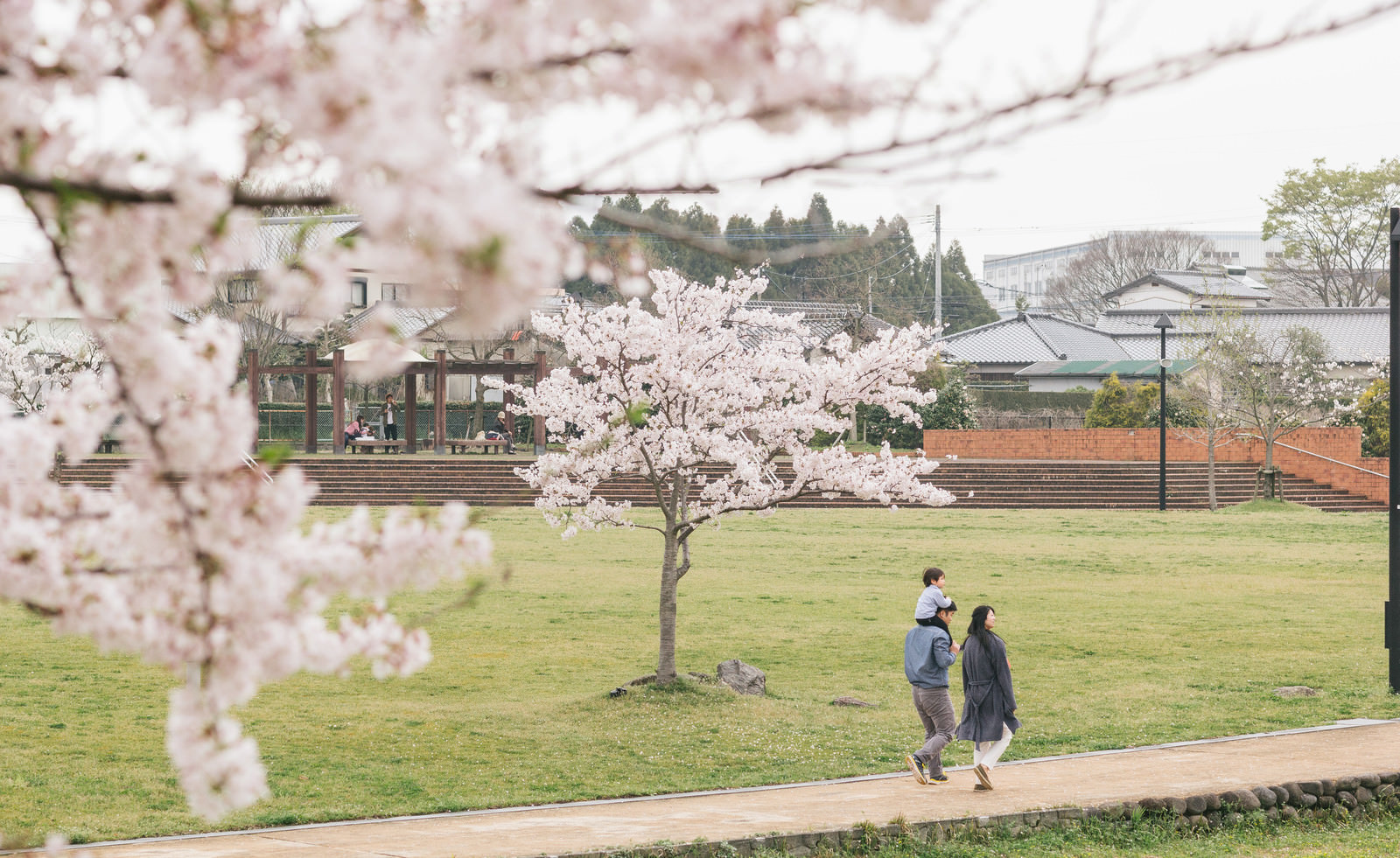
Emma had always prided herself on being an independent traveler. She had navigated the winding streets of Rome, deciphered the labyrinthine alleys of Marrakech, and braved the bustling markets of Bangkok with confidence. Yet, as she stood in the soft morning light of Kyoto, surrounded by a sea of cherry blossoms, she felt a quiet unease. The alley she had taken was charming—narrow wooden houses, potted plants spilling over old stone steps, the distant chime of a temple bell—but something was wrong. She had strayed from the path that led back to her guesthouse.
Her phone buzzed weakly in her hand, the map refusing to load, as though reminding her that technology often falters in the moments we rely on it most. The more she turned around, the less familiar everything became. The Japanese signs above the shops were beautiful but unreadable to her, each character another layer of mystery. She considered asking someone for help but hesitated. The few pedestrians passing by seemed busy, absorbed in their morning routines, and she didn’t want to impose.
Then it happened—a moment so small, so fleeting, and yet so profound that it would stay with her long after she left Japan. A man, perhaps in his fifties, dressed neatly in a gray suit and carrying a briefcase, slowed his pace as he approached her. He did not speak. He did not even break his stride fully. Instead, he paused just enough to catch her eyes, then gently tilted his head toward a side street and made a subtle hand motion, the kind that said, this way.
There was no insistence, no intrusion, only an offering—a quiet thread of guidance. Unsure but curious, Emma followed the direction of his gesture. The narrow lane opened into a broader street she instantly recognized from earlier that morning. Relief washed over her, and when she turned back to thank him, the man was already halfway down the road, his posture steady, his attention absorbed once again in his own journey.
He had not waited for gratitude. He had not even expected acknowledgment. The act itself was the entire message: someone had noticed her uncertainty, understood it without words, and chosen to help in the gentlest way possible.
Later that day, as Emma sipped matcha in a quiet tea house, she replayed the moment in her mind. It dawned on her that what she had experienced was not merely kindness—it was something woven deeply into the fabric of Japanese daily life. It was watchfulness: an attentiveness to others, a sensitivity that required no conversation, no grand gesture.
That silent encounter became her first glimpse into what she would come to know as Japan’s culture of watching over one another. It was not surveillance, nor was it control. It was care. A form of social wisdom that reassured her, even as a stranger in a foreign land, that she was not alone.
The Concept of Watchfulness
When we think of “watchfulness,” many people outside Japan might imagine something stiff or even uncomfortable: a kind of surveillance, a scrutiny that restricts freedom. But in Japan, the concept is different. It is neither intrusive nor heavy-handed. Instead, it flows gently through daily life like the quiet presence of a stream beneath a garden. It is a form of attentiveness, an alertness that is both soft and protective—something that makes individuals feel less alone, even in a crowded city.
In Japanese, there are words that express this quality more precisely than “watchfulness” alone. Me wo kubaru (目を配る) literally means “to distribute one’s eyes,” to spread one’s gaze carefully across the environment. Ki wo kubaru (気を配る) means “to distribute one’s awareness,” to extend one’s attention beyond oneself toward others. Both expressions reveal a cultural habit: not just looking, but attuning oneself to the needs and conditions of people nearby.
From childhood, Japanese people are taught—often without explicit instruction—that others are always part of one’s environment. In elementary schools, for instance, children participate in cleaning time (掃除時間 Sōji jikan), where they tidy their classrooms and hallways together. It is not simply about hygiene or discipline. It is about cultivating the habit of noticing when a floor needs sweeping, when a friend looks tired, or when a task is unfinished. That awareness of surroundings, that shared responsibility, becomes second nature.
This sense of distributed attention continues throughout life. In workplaces, colleagues anticipate each other’s needs: refilling a shared pot of tea without being asked, preparing documents for a meeting before anyone mentions it, or stepping in gently when someone seems overwhelmed. In households, watchfulness often appears in the smallest gestures: a parent noticing the subtle tiredness in a child’s eyes, or a spouse adjusting the kettle before the other even asks for tea.
What makes Japanese watchfulness so distinct is its quietness. Unlike in cultures where helpfulness is often announced with enthusiasm—“Do you need help?” “Let me take care of that for you!”—in Japan, the act is frequently offered without words. It is not about drawing attention to oneself as the helper. It is about minimizing the burden on the person receiving care. A good deed, if done too visibly, risks creating a sense of obligation in the other. So the Japanese way is often understated: support that arrives without fanfare, guidance that withdraws once its role is complete.
At its heart, watchfulness in Japan is an act of social trust. It reflects the idea that people are not isolated individuals competing for space, but interdependent beings sharing the same air, the same streets, the same silence. To live together smoothly requires more than laws or explicit rules. It requires a mutual attentiveness—an awareness that one person’s actions ripple outward to affect everyone else.
And so, what Emma felt in that Kyoto street—the wordless guidance of a stranger—was not an accident, nor a rare stroke of fortune. It was a manifestation of something deeply cultural, a habit of heart and mind carried by millions of ordinary people in everyday situations. It was the essence of Japan’s watchful culture: not a gaze of judgment, but a gaze of care.
Watchfulness in Public Spaces
If you spend even a few days in Japan, you begin to notice that public spaces feel strangely different from those in many other countries. Trains carry thousands of people each day, yet they rarely overflow into chaos. Supermarkets bustle with shoppers, yet lines flow quietly without aggressive jostling. Streets brim with movement, yet there is often a gentle rhythm rather than a sharp clash of competing energies. What creates this atmosphere? It is not merely laws or signage—it is the watchfulness of ordinary people, woven into everyday conduct.
The Train as a Classroom of Courtesy
Take, for example, the Japanese train station. In many countries, commuters crowd the doors, eager to be first inside. In Japan, you will almost always find two neat lines forming automatically at the platform’s edge. No conductor instructs this; no one shouts. People simply stand behind painted marks on the floor, leaving a clear space in the center for passengers to exit before they enter.
This ritual might look like strict discipline, but in reality it comes from something gentler: an unspoken awareness of the collective. Each commuter thinks, If I block the door, others cannot leave; if I rush in, I disturb the flow. Watchfulness creates harmony, and harmony sustains speed. Ironically, the calm patience ends up making the process faster than any frantic scramble would.
Inside the train, the same attentiveness continues. Seats closest to the doors are labeled as priority seats, meant for the elderly, disabled, pregnant women, or those carrying children. Even when the train is packed, you may see younger passengers rise quietly as soon as they notice someone who might need the seat more. Often, this gesture is performed without a word—the person simply stands, steps aside, and perhaps offers a faint nod. The recipient, too, might respond with nothing more than a soft bow. The exchange is subtle, but profoundly human: a choreography of watchfulness where words are unnecessary.
The Language of Small Gestures
Public watchfulness also appears in countless micro-gestures that a hurried traveler might overlook. If you drop a glove or leave a wallet behind, chances are high that someone will notice within minutes and hand it either to you directly or to the nearest station staff. In Tokyo’s train stations, the lost-and-found counters receive thousands of items daily—umbrellas, scarves, shopping bags—and an astonishing majority are returned to their rightful owners. This is not the result of surveillance cameras or police presence. It is the natural outcome of people noticing what does not belong and quietly acting to restore it.
Even in crowded supermarkets or convenience stores, a similar attentiveness exists. Shoppers keep their baskets tucked close to their bodies, careful not to bump into others in narrow aisles. If a child wanders momentarily away from a parent, nearby strangers instinctively keep a gentle eye, ensuring the child is not in danger until the parent arrives. Again, no one announces their role as a protector; the watchfulness is silent, but it creates a safety net that everyone benefits from.
Watchfulness as Invisible Architecture
These small acts accumulate until they form an invisible architecture of trust. A tourist new to Japan might not immediately grasp why the streets feel unusually safe, or why the atmosphere of public life feels calm even in the busiest neighborhoods. The answer lies less in police presence or governmental order and more in the eyes, hearts, and habits of ordinary people.
Unlike rules that rely on punishment, Japan’s watchfulness depends on mutual responsibility. Each individual accepts a small duty to notice, to anticipate, to avoid causing trouble for others. And because so many people participate, the effect is magnified: even in a city of millions, you feel less like a solitary individual and more like part of a loosely connected web of care.
This is why Emma’s experience of gentle guidance in Kyoto was not an isolated moment. It echoes through countless daily interactions across the country. Public spaces in Japan are not just neutral stages for individual action; they are shared environments sustained by the constant, quiet vigilance of those who inhabit them.
Watchfulness at Home and Work
If Japan’s public spaces reveal a culture of watchfulness through manners and quiet gestures, the private realms of home and workplace reveal it through even subtler layers of care. Unlike the organized lines at a train station, these settings do not have painted markers on the floor. Yet the same spirit—an attentiveness to others’ needs—shapes family life and professional relationships in profound ways.
The Gentle Vigil at Home
Step into a Japanese household, and you will likely notice a rhythm of quiet observation. Parents are not always hovering, but they are attuned to small signs from their children: a sigh that might signal frustration with homework, a slight frown that suggests a sibling quarrel. Rather than intervening loudly, many parents choose to watch from a short distance, offering help only when it feels truly needed. The message is, I am here, I see you, but I also trust you.
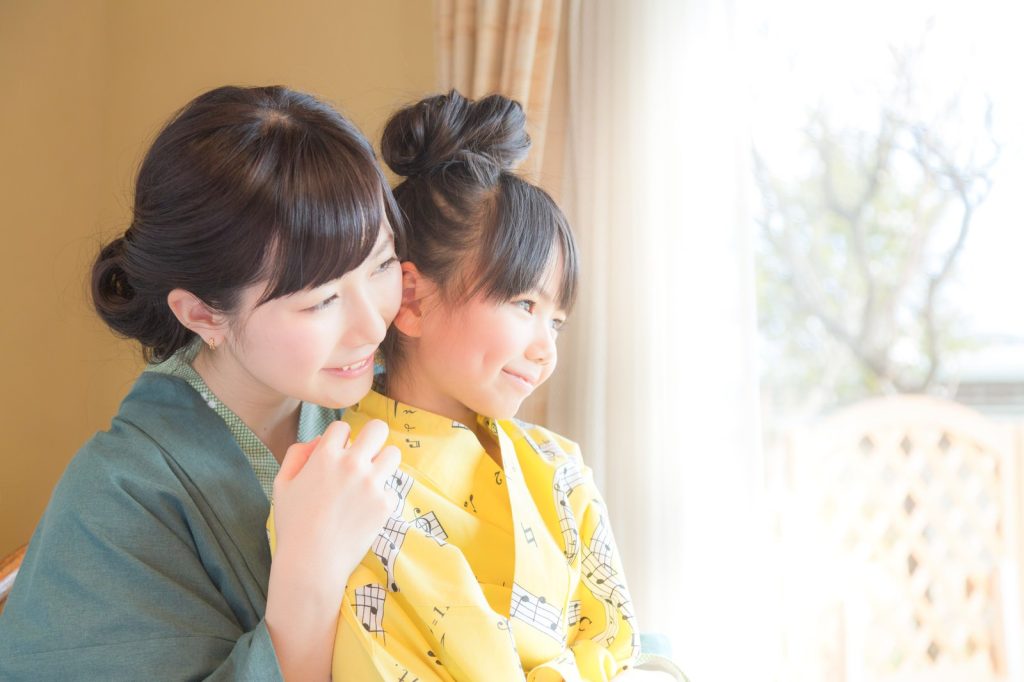
Elderly family members, too, receive this kind of watchful care. In multigenerational households, younger relatives pay attention not only to what grandparents say, but also to what they do not say—the slower pace of walking, the quiet effort of rising from a chair, the unspoken fatigue after a trip outside. A grandchild might instinctively adjust the television volume, refill a teacup, or place a cushion nearby without being asked. These gestures are not dramatic, but they speak of a culture where love often takes the form of silent readiness.
Meals themselves embody this vigilance. Japanese dining customs emphasize noticing others: waiting until everyone is served before eating, observing whether someone’s cup needs refilling, and offering dishes across the table with a polite phrase. Even a simple family dinner becomes a training ground for ki wo kubaru—the art of distributing attention across the group.
The Workplace: Silent Currents of Consideration
In Japanese offices, watchfulness takes on a collective dimension. Work culture here is often described as group-oriented, and this is visible not only in decision-making processes but also in daily micro-actions. Colleagues track one another’s rhythms—who looks tired, who might need an extra hand before a deadline, who seems unusually quiet during a meeting.
Rather than openly announcing, “Do you need help?”, which could embarrass or pressure someone, coworkers often choose indirect but effective methods. A colleague may quietly share documents in advance, refill the communal tea pot, or offer to handle a small errand, easing the load without drawing attention. To outsiders, these acts might seem invisible, but within the group they are recognized as essential threads that keep the workplace functioning smoothly.
This watchfulness also extends upward. Subordinates often anticipate the needs of their superiors, ensuring materials are prepared before meetings, or arranging travel details without needing explicit instructions. Conversely, managers who embody the best of this culture pay attention to the unspoken well-being of their team—encouraging breaks, noticing fatigue, or praising effort that might otherwise go overlooked. The reciprocal nature of watchfulness is what sustains Japanese work environments, even amid long hours and high demands.
The Language of Silence
What unites home and work watchfulness is an emphasis on reading beyond words. In both contexts, one learns to listen not only to what is said but to what remains unsaid. This does not mean suppressing communication; rather, it means trusting that silence can be filled with meaning if one pays attention.
A child may not directly ask for help with homework, but their shifting posture tells the story. A coworker may not request assistance, but their late-night presence at the office signals need. In Japan, the skill lies in responding without forcing someone to articulate vulnerability. To “watch” is not to pry, but to accompany, to be available, to show care through presence.
The Quiet Strength of Watchfulness
In both home and work, Japan’s watchfulness fosters environments where people feel supported without being smothered. Children grow up sensing that care surrounds them, even if it is not loudly expressed. Workers function within teams where unseen attentiveness creates trust. The strength of this culture lies precisely in its quietness: a strength that reassures without demanding recognition.
Subtle Signals and Non-Verbal Communication
In Japan, much of what binds people together is not said out loud. Words are important, of course, but they are often considered secondary to what is felt, shown, or implied. Watchfulness in this cultural setting depends heavily on subtle signals—tiny gestures, shared silences, and the ability to notice what others may not articulate.
The Power of a Glance
A glance can say more than a full sentence. On a crowded train, a brief look at a pregnant woman or an elderly passenger can prompt someone to stand and offer their seat. No words are exchanged, but the interaction unfolds smoothly. In a family setting, a parent might catch their child’s eye across the room, offering reassurance or gentle correction without a single spoken word. These glances are not accidental; they are deliberate signals crafted through generations of shared social codes.
The Role of Ma: Space and Timing
The Japanese concept of Ma—the space between things—also applies to communication. Pauses in conversation are not awkward gaps but meaningful spaces that allow listeners to sense mood, intention, and unspoken emotions. A moment of silence after a colleague finishes speaking may be a sign of thoughtful respect rather than hesitation. To those unfamiliar with this rhythm, the silence may feel heavy, but in Japan it is often the silence itself that carries the message.
Similarly, timing in actions conveys care. Refilling someone’s tea not immediately, but just before their cup is empty, signals attentiveness without interruption. Adjusting the flow of conversation, offering a hand at precisely the right moment, or stepping back to give someone space—all of these rely on the finely tuned awareness of when, not just what.
Gestures and Small Movements
Body language in Japan tends toward subtlety rather than boldness. A small nod can communicate gratitude, agreement, or acknowledgement. A slight bow can range from a casual greeting to a deep expression of respect, with the degree of angle speaking volumes. Even the way one passes an object—with both hands rather than one—expresses humility and attentiveness to the other person’s dignity.
These gestures may appear modest, but they function as a shared language. They signal respect without confrontation, care without intrusion, and solidarity without the need for grand declarations.
The Art of Reading the Air (Kuuki wo Yomu)
Perhaps the most well-known expression of Japan’s non-verbal culture is kuuki wo yomu—literally, “reading the air.” This refers to the ability to perceive the atmosphere of a situation, to sense what is appropriate or inappropriate, desired or undesired, without needing explicit explanation.
For foreigners, this can feel challenging at first. Why does no one say what they want directly? Why does a group fall silent at certain moments? Over time, however, many come to appreciate that this unspoken consensus creates a sense of harmony. Decisions are guided less by forceful assertion and more by mutual adjustment.
The Comfort of Being Understood Without Words
When you live in Japan long enough, you begin to feel the comfort of this silent communication. There is a certain relief in not always needing to explain yourself fully. The tilt of your head, the timing of your sigh, or the rhythm of your movements may already be noticed by those around you. To be understood without words is one of the most reassuring experiences of human connection—and it is here that Japan’s watchful culture shines most brightly.
Examples from Daily Life
Abstract ideas become easier to grasp when we see them at work in ordinary moments. Japan’s watchful culture does not exist only in rituals or formal gatherings—it reveals itself in countless small gestures, often so subtle that you may only notice them after living in the country for some time.
Public Transportation: The Unspoken Order
On a crowded train platform, passengers stand in neat lines without anyone directing them. No conductor is shouting instructions, and no one pushes forward aggressively. Instead, there is a shared awareness: people watch each other, maintain space, and wait their turn.
Inside the train, when an elderly passenger steps aboard, a ripple of silent watchfulness moves through the car. Eyes glance up, scanning for available seats. Someone rises quickly and quietly, offering their place with a nod. Words are rarely exchanged, but gratitude is expressed in a bow or a soft smile. This choreography is made possible because people are constantly aware of others’ presence and needs.
Children and the Elderly: Everyday Guardianship
Walk through a Japanese neighborhood, and you’ll notice how children walking to school are subtly monitored by the community. Shopkeepers greet them, neighbors glance toward them, crossing guards stand at busy intersections. It is not a form of surveillance but of guardianship: a collective assurance that the children are safe.
The same watchfulness extends to the elderly. In residential areas, neighbors keep an eye on older residents, noticing if someone hasn’t appeared outside for several days or if lights remain off unusually long. These quiet observations often prevent isolation or accidents, ensuring care without intrusion.
At the Supermarket: Staff Who Notice Before You Ask
In many Japanese supermarkets, staff anticipate needs before customers voice them. A worker might notice you hesitating in front of two similar products and step forward with an explanation. At the checkout counter, a cashier may gently double-bag heavier items without being asked, anticipating that the weight might be difficult to carry.
These are small acts, but they reflect an ingrained attentiveness to others. They are not rules written in a manual; they are part of the cultural rhythm of being considerate.
In Restaurants and Cafés: Service as Watchfulness
Japanese hospitality (Omotenashi) often feels magical to visitors. A waiter refills your water the moment your glass is nearly empty, without interrupting your conversation. Dishes are cleared away discreetly, as if the staff sensed the natural flow of your meal. If you look slightly puzzled by the menu, someone appears to guide you.
Here again, the essence lies in observation. Staff members are trained to watch carefully without being intrusive, to anticipate rather than react. This watchfulness ensures that guests feel both cared for and unburdened.
Everyday Etiquette: Small Courtesies that Accumulate
Even in brief, anonymous encounters, watchfulness shapes behavior. On busy sidewalks, people instinctively adjust their paths to avoid collisions. At escalators, most stand on one side, leaving the other open for those in a hurry. When someone drops a wallet or a phone, strangers rush to return it, often running after the person without hesitation.
None of these moments is dramatic, yet together they create a society where people feel looked after. The warmth of Japan’s watchful culture lies in these everyday courtesies—the small, almost invisible acts of care that accumulate into a profound sense of safety and trust.

Comparisons with Other Cultures
To truly appreciate Japan’s watchful culture, it helps to place it beside other cultural frameworks of attentiveness. Every society has ways of looking after one another, but the methods, signals, and interpretations vary widely. For travelers and expatriates, these contrasts can be both enlightening and confusing.
Explicit Help versus Silent Watchfulness
In many Western countries, help is often explicit and verbal. If someone looks lost in New York or London, a passerby might directly approach with a question: “Are you okay? Do you need help?” The emphasis lies on clarity and direct engagement.
By contrast, in Japan, the initial gesture may be silent. A commuter might stand nearby, subtly adjusting their body language to guide you toward the correct platform. A shop clerk may quietly step closer, waiting for the moment you turn their way. Help is present, but it is offered gently, almost invisibly, until the recipient acknowledges it.
This difference can lead to misunderstandings. A foreign visitor might think, “Why is nobody helping me?” when in fact, help is being prepared in a less direct manner. Conversely, a Japanese traveler abroad may feel overwhelmed by the intensity of explicit offers, interpreting them as pressure rather than kindness.
Cultural Interpretations of Attention
In some societies, being watched closely is interpreted as surveillance or intrusion. For instance, in parts of Europe or North America, constant awareness of neighbors might feel like a lack of privacy. In Japan, however, the same act is seen as reassurance: a neighbor noticing your child walking to school is a sign of collective care, not control.
Similarly, workplace dynamics differ. In the U.S., supervisors may emphasize direct feedback and clear evaluation. In Japan, attentiveness often shows up in subtle guidance, with colleagues watching and quietly stepping in to balance workloads or prevent mistakes before they escalate.
The Role of Community Trust
In Japan, the watchful culture is sustained by a high level of mutual trust. People assume that others are watching not to judge but to support. Lost wallets, umbrellas, or phones often make their way back to their owners, because the collective watchfulness is tied to responsibility and honesty.
In other countries, where individual freedom is more strongly emphasized, trust is often built through explicit contracts, legal protections, or direct negotiation. Japan’s reliance on unspoken care can puzzle outsiders, who may wonder how such trust is maintained without constant verbal confirmation.
Misunderstandings and Adaptation
Foreigners living in Japan sometimes struggle with the balance between independence and invisible care. A new arrival may not realize that a hesitant “maybe” from a Japanese colleague is actually a polite refusal. Or they may fail to notice that a train passenger standing nearby is silently guarding space for them.
On the other hand, Japanese travelers abroad may feel exposed when such watchfulness is absent. In a culture where everyone minds their own business, the absence of subtle attention can feel like abandonment.
Learning to adapt requires recognizing that neither approach is superior; they are simply different cultural logics of care. Explicit help offers clarity, while silent watchfulness offers gentleness.
A Broader Lesson in Human Connection
The comparison reveals a deeper truth: every culture has developed its own language of attentiveness, rooted in history and values. Japan leans toward harmony and subtlety, while other societies lean toward clarity and directness. By experiencing both, one learns that care has many dialects.
The beauty of Japan’s watchful culture is that it teaches you to appreciate the quiet side of care—the kind that does not announce itself but makes you feel safe all the same.
Learning from Japan’s Watchful Culture
To encounter Japan’s watchful culture is to be invited into a subtle but profound lesson: the quiet art of care. Unlike loud declarations or grand gestures, this culture of attentiveness teaches that the smallest, often invisible acts can weave trust, comfort, and warmth into daily life. What can we, as foreigners or observers, learn from it?
Practicing Gentle Awareness
The first lesson is to cultivate gentle awareness of others. In Japan, one does not need to ask loudly whether someone requires help; instead, one observes first. Is the person scanning the signs, looking hesitant at the ticket machine, or fumbling with heavy bags? By tuning into these small signals, you begin to see the world differently—not as a place filled with strangers, but as a community of people you can quietly support.
This awareness requires slowing down. Instead of rushing through your commute, you look around. Instead of focusing only on your phone, you notice when someone seems uncertain. It is mindfulness directed outward.
Offering Help Without Imposing
A second lesson is the way help is offered without pressure. In Japan, support often comes with humility: the helper leaves space for the other person to accept or decline. This prevents the act of helping from becoming a form of dominance or intrusion.
For instance, when you notice someone carrying a stroller up the stairs, you can step forward but pause before lifting—your body language says, “I’m here if you want.” If the parent nods, you act. If they decline, you respect their choice. This is the Japanese balance of helpfulness and respect for autonomy.
Building Communities Through Quiet Care
The third lesson is that watchfulness strengthens community bonds. Small gestures—holding the elevator door, picking up a dropped scarf, keeping noise low on the train—add up to a collective sense of trust. They remind each person that they are not alone.
In Western cities, community is often built through direct conversation, neighborhood gatherings, or activism. Japan offers another model: community sustained through countless unspoken micro-gestures. By practicing these, even outside Japan, one can nurture environments of subtle solidarity.
Reframing Silence as Connection
Many foreigners initially see silence in Japan as distance or indifference. But silence, when paired with attentiveness, becomes a form of connection. Watching without interrupting, listening without filling every gap with words—these are acts of respect.
We can learn to reframe silence in our own lives, too. Instead of fearing awkward pauses in conversation, we can embrace them as space for reflection. Instead of interpreting unspoken care as coldness, we can recognize it as gentleness.
Applying “Watchful Warmth” Abroad
Perhaps the most practical lesson is to take this cultural wisdom home. In your own city or workplace, you might:
- Notice when a colleague looks overwhelmed and quietly ease their workload.
- Pay attention to neighbors—without prying—by keeping an eye out for their safety.
- Allow people space to refuse your help gracefully.
These small shifts can soften environments that often feel rushed or fragmented. They demonstrate that care need not always be verbal, and that a little attentiveness can create disproportionate comfort.
A Personal Transformation
For many who live in or visit Japan, the lesson of watchfulness becomes personal transformation. You begin by noticing the way others silently help you—then gradually, you find yourself doing the same. Without realizing it, you start to stand a little differently in line, offer small nods of reassurance, and pick up objects left behind on a train seat.
You discover that care is not only about what you say or do, but how you occupy space in relation to others. You become less self-centered, more attuned, more capable of quiet warmth.
Closing Reflection: The Quiet Warmth of Attention
When you first encounter Japan’s watchful culture, it may feel elusive—something you notice only at the edges of daily life. A stranger quietly guiding you in the right direction, a fellow passenger subtly shifting so you can sit, or a shopkeeper noticing your hesitation and stepping in just enough to help. These are not moments accompanied by fanfare or loud expressions of kindness. They are gentle, fleeting, and often wordless. Yet precisely because of this subtlety, they leave a profound warmth that lingers long after the moment passes.
Watchfulness in Japan is not surveillance, nor is it the enforcement of rigid rules. It is instead a soft attentiveness rooted in empathy: a way of saying “I see you, and I care for your well-being, even if we are strangers.” This attentiveness does not demand recognition or thanks. In fact, it often disappears as quickly as it arrives, leaving behind only a trace of reassurance.
What makes this culture so powerful is its ordinariness. It is not reserved for extraordinary acts of generosity or dramatic rescues. Instead, it lives in the smallest gestures: keeping one’s phone quiet on the train so as not to disturb others, noticing a child’s shoelaces untied and pointing it out to a parent, holding back in conversation so that someone else may find the right words. These are the “invisible threads” of community—thin and almost imperceptible, but strong enough to hold people together in a fabric of mutual care.
In many parts of the world, care is often equated with action that is visible, verbal, or measurable. Japan’s watchful culture teaches us another way: that true care can be quiet, restrained, and often unnoticed. Its impact lies not in drawing attention to the helper, but in creating an environment where others feel safe, respected, and considered.
To practice this watchfulness ourselves means to shift perspective. It asks us to expand our awareness beyond our own needs, to sense the rhythms of those around us, and to act in ways that may never be acknowledged. It requires patience, humility, and a willingness to let kindness exist without recognition. And yet, it is precisely in this humility that such gestures gain their beauty.
Ultimately, Japan’s culture of watchfulness reveals that the heart of community is not built only in words, rules, or visible acts, but in the quiet warmth of attention. It is the subtle noticing, the readiness to step forward—or to step back—that makes others feel seen and cared for. This warmth transcends language, background, and even nationality. It is a reminder that the most powerful forms of kindness often arrive silently.
As QuietTether’s philosophy captures so simply and beautifully:
“In Japan, watchfulness is not control—it is care. The quiet attention of one person can warm the hearts of many.”
And perhaps that is the greatest lesson: by choosing to notice, to care without needing credit, we can all create societies that feel softer, safer, and more human.