Opening Story: A Rice Ball Across Generations
When I first arrived in Japan as a young traveler from Europe, I imagined that my days would be filled with bustling cities, neon lights, and the intricate choreography of trains arriving and departing with impeccable precision. Yet, nothing prepared me for the simple, quiet moment that would leave an indelible mark on my heart: the day I received my first handmade onigiri from a Japanese family in a small rural town.
I had been invited by a local host family to spend a weekend experiencing life outside the crowded urban centers. After a morning of exploring rice fields and listening to the distant hum of cicadas, we returned to their modest home. The mother of the household, with a gentle smile, beckoned me to the kitchen. There, on a small wooden tray, were three perfectly shaped rice balls. She handed one to me, wrapped in a piece of soft, patterned nori. Her eyes twinkled as she said, “This is for you. Made with care.”
It was more than just a snack. The rice ball carried warmth—not just the physical warmth from the freshly cooked rice, but the emotional warmth of her thoughtfulness. Each grain of rice had been carefully washed, steamed, and shaped by hand. The filling, a simple umeboshi, offered a tangy surprise, a flavor I would come to recognize as deeply Japanese. But the significance was not just in the ingredients. It was in the act itself: giving something so humble, yet crafted with intention, as a gesture of welcome and connection.
As I held the onigiri, I realized that I was participating in a tradition that transcended time and generations. In that small moment, I felt the invisible threads of culture, kindness, and human connection weaving around me. This was not just food; it was a message, a bridge, a story compressed into a handful of rice.
That single rice ball introduced me to a profound understanding of Japanese hospitality and the quiet elegance of everyday gestures. It taught me that some gifts are not meant to impress with grandeur or extravagance, but to resonate with sincerity. I would later discover that this humble triangle of rice, which could easily be dismissed as simple sustenance, holds a depth of meaning that can communicate respect, love, and care without a single word.
From that day onward, onigiri became more than a food item in my eyes. It became a symbol of thoughtful giving, a handmade bridge between hearts, and a quiet reminder that the smallest gestures often carry the greatest significance. Every time I shape a rice ball myself or see someone offering one, I am reminded of that sunny afternoon, the gentle warmth of a host family, and the timeless beauty of sharing a simple, heartfelt gift.
The History of Onigiri
To truly appreciate the humble onigiri, it helps to understand its historical and cultural roots in Japan. Rice has been the cornerstone of Japanese life for thousands of years, not only as a staple food but also as a symbol of prosperity, tradition, and community. The story of onigiri begins within this deep relationship between the Japanese people and their rice.
Early Origins
The earliest forms of onigiri date back over a thousand years. In ancient Japan, cooked rice was often packed into portable shapes for ease of transport during travel or warfare. These early rice balls were practical: they preserved the rice, made it easy to carry, and allowed people to eat without elaborate preparation. Sometimes salted or wrapped in leaves for preservation, these early onigiri were a staple for farmers, travelers, and soldiers alike. Unlike today’s diverse fillings, the focus was primarily on convenience and sustenance.
Onigiri in the Edo Period
During the Edo period (1603–1868), onigiri began to take on additional social and cultural meanings. As towns and cities expanded, bento culture—a boxed meal that often-included rice, pickled vegetables, and small portions of protein—became popular. Onigiri fit perfectly into this cultural shift. They were easy to carry, could be eaten on the go, and were often beautifully shaped or seasoned with sesame seeds, salt, or kombu. For children and adults alike, onigiri became a symbol of care: a mother packing her child’s lunch with neatly formed rice balls was an expression of love, attention, and responsibility.
Post-War Evolution
After World War II, Japan faced significant food shortages and reconstruction challenges. Onigiri, simple to make yet satisfying, remained a staple in Japanese households. With the introduction of affordable and widespread kitchen appliances, such as rice cookers, making rice at home became easier, and the onigiri returned as both comfort food and a practical solution for busy families. Convenience stores began selling pre-made onigiri in the late 20th century, which made them a ubiquitous part of Japanese life, from office workers grabbing a quick snack to travelers seeking a portable meal.
Regional Variations
As onigiri evolved, regional differences flourished. In Hokkaido, seafood fillings such as salmon or cod roe became popular, reflecting local culinary resources. In Kyushu and Okinawa, pickled vegetables, pork, or spicy ingredients reflected the flavors of the region. These local variations highlight how onigiri not only serves as sustenance but also embodies regional identity, culinary creativity, and the adaptability of a simple concept across generations.
Symbolism Beyond Food
More than just a historical artifact or a staple in the diet, onigiri carries deep symbolic meaning. Its triangular shape, often likened to mountains, can represent stability and balance. Sharing a handmade onigiri, whether between family members, friends, or strangers, is an act of kindness, hospitality, and respect. Even today, the ritual of shaping rice into a ball, seasoning it, and wrapping it in nori carries echoes of centuries-old Japanese tradition.
Through its long and varied history, onigiri has transformed from a purely practical item to a cultural icon—a food that embodies care, tradition, and connection. Understanding this history allows us to appreciate every onigiri not merely as a snack but as a living piece of Japanese heritage, linking the past with the present, and connecting people across generations and regions.
The Art of Making Onigiri
There is a quiet magic in shaping rice with your hands. Making onigiri is more than a culinary task—it is a practice of care, mindfulness, and connection. Each rice ball carries not only nourishment but also the subtle warmth of the person who crafted it.
The Basics: Rice and Technique
The foundation of any good onigiri is, naturally, rice. Japanese short-grain rice, or uruchimai, is prized for its stickiness and slightly sweet flavor. To make onigiri, the rice is cooked until tender yet firm enough to hold shape. Some families sprinkle a touch of salt over the rice itself, while others salt their hands before shaping the rice, a small ritual that ensures flavor and balance.
Shaping the rice is deceptively simple but requires gentle care. Hands should be slightly moistened to prevent sticking. A common shape is the triangle, though balls and cylinders are also traditional. The triangular shape, some say, symbolizes mountains, providing a sense of stability and grounding. The act of pressing the rice with just the right amount of pressure is an intimate gesture—too loose and it falls apart, too tight and it loses its soft texture.
Fillings: A World of Flavor
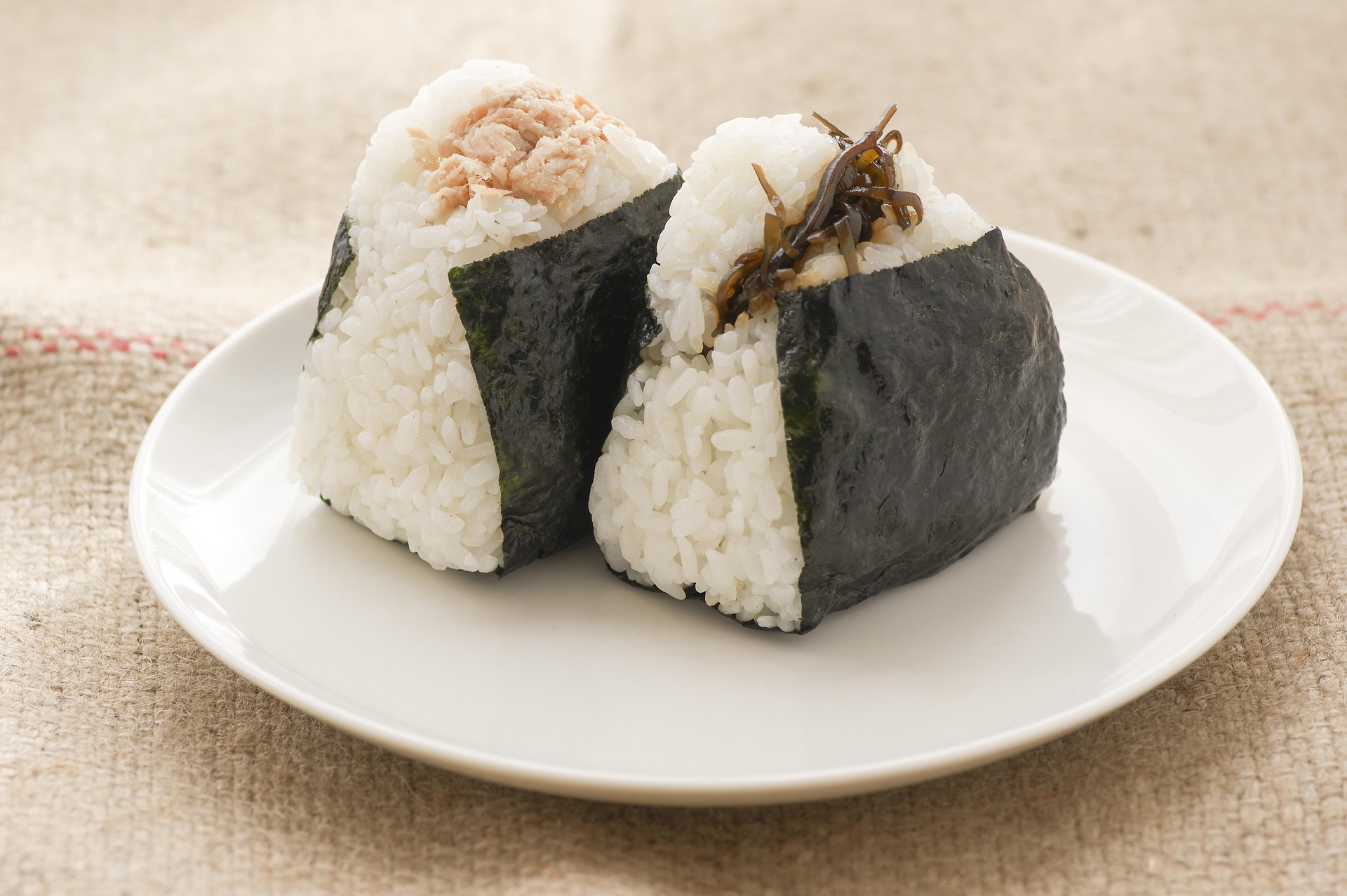
While plain salted rice on its own is satisfying, fillings bring onigiri to life. Classic fillings include pickled plum (umeboshi), salted salmon, and simmered kelp (kombu). Modern variations have embraced tuna with mayonnaise, fried chicken, or even spicy cod roe. Each filling tells a story: umeboshi evokes the tart preservation methods of old Japan, while salmon reflects local fisheries and coastal traditions.
The process of enclosing a filling within the rice is delicate. Too much can overpower the balance of flavors; too little and the rice feels empty. The goal is harmony—the perfect bite that brings the rice and filling together in complementary taste and texture.
Wrapping and Presentation
Many onigiri are wrapped with a strip of nori, dried seaweed. The nori not only adds flavor but also provides a convenient grip, keeping fingers clean while eating. Some families wrap each onigiri individually in plastic for convenience, especially when packed in a bento, while others leave it unwrapped for immediate consumption. The care in presentation, however simple, reflects the giver’s attention to the recipient’s experience.
The Handmade Value
Handmade onigiri is inherently different from store-bought. The imperfections in shape, the warmth of freshly cooked rice, and the thoughtful choice of fillings communicate a silent message: “I made this for you.” It is an expression of thoughtfulness and attention, a gesture that transcends words. In Japanese culture, giving a homemade onigiri is a tangible act of kindness, often strengthening family bonds and friendships.
Mindfulness in Making
Making onigiri also offers a meditative quality. The repetitive motion of shaping rice, the focus on texture and taste, and the anticipation of sharing a meal cultivate presence. In a fast-paced modern world, this simple practice reconnects us with a sense of patience, care, and human connection.
Through this combination of technique, flavor, and intent, the art of making onigiri reveals itself as a small but profound cultural practice. It is a reminder that food can be an expression of love, a bridge across generations, and a vessel carrying history, culture, and personal care all at once.
Onigiri as a Gift
In Japan, food is never just about sustenance. It often carries with it layers of cultural meaning, social intention, and personal sentiment. Among the simplest yet most profound examples of this is the act of giving someone an onigiri. A rice ball may appear modest, even ordinary, but in truth it is one of the most intimate and heartfelt gifts one can offer.
The Cultural Practice of Food as a Gift
Gift-giving in Japan extends far beyond material objects. Seasonal fruit, carefully wrapped sweets, or regional specialties (omiyage) are all part of the cultural language of generosity. Within this context, homemade food—especially something as personal as an onigiri—takes on even greater weight. It is not simply food, but a symbol of care, nourishment, and time devoted to another person.
Unlike store-bought gifts, handmade onigiri embodies the giver’s personal touch. The act of washing rice, seasoning it, choosing a filling with the recipient in mind, and carefully shaping it by hand makes the gift both practical and emotional. It is not grand, but it is deeply sincere.
Family Bonds Strengthened Through Rice Balls
For many Japanese people, childhood memories of their mother’s or grandmother’s onigiri remain vivid and comforting. A rice ball packed into a school lunchbox was more than just food; it was a message of love sent across the distance of a school day. The choice of filling often reflected not only taste but also a quiet understanding of what would comfort or energize the child. A salted salmon onigiri for stamina, an umeboshi onigiri for health—each one a silent act of care.
As children grow older, the memory of those handmade onigiri becomes a thread connecting them to their families and their roots. To receive an onigiri is to be reminded, consciously or not, that someone has thought of you, nourished you, and cared for you.
Friendship and Everyday Generosity
Beyond the family, onigiri is also shared among friends and colleagues. A homemade rice ball given during a busy workday or shared on a picnic carries with it a subtle but powerful message: “I see you. I want you to be well.” It does not require elaborate wrapping or expensive ingredients. Its simplicity is its power.
In this way, onigiri functions as an egalitarian gift—anyone can make it, anyone can give it, and anyone can receive it with gratitude. It democratizes the act of giving, grounding it in sincerity rather than extravagance.
Onigiri as a Cross-Cultural Gift
Perhaps what makes onigiri especially unique in today’s global context is how easily it transcends cultural boundaries. For foreigners experiencing Japanese hospitality, being offered a homemade onigiri can feel profoundly touching. It is not just the sharing of food, but the sharing of heritage, home, and heart. For many visitors, that first bite of a rice ball given directly by hand becomes a memory they carry for a lifetime.
Unlike other Japanese culinary arts that may feel distant or difficult to approach, onigiri is approachable, humble, and inviting. It welcomes the outsider into an intimate circle of everyday life. For that reason, it has become a quiet ambassador of Japanese culture, not through spectacle but through simplicity.
A Gesture Beyond Words
What makes onigiri a gift unlike any other is the way it communicates without words. Its warmth—literal and figurative—says: You are cared for. Its shape, carefully formed by hand, says: I took time for you. Its portability, its readiness to nourish, says: I want you to feel at ease wherever you are.
A rice ball is small, but in that smallness lies a profound truth: sometimes the simplest gestures carry the greatest weight. Onigiri embodies the Japanese belief that thoughtfulness does not need grandeur. A modest offering, when given with sincerity, becomes a treasure.

Regional Variations and Seasonal Flavors
Japan’s geography, stretching from snowy Hokkaido in the north to subtropical Okinawa in the south, has given rise to a remarkable culinary diversity. This variety is reflected not only in elaborate meals but also in the humble onigiri. Far from being uniform, rice balls in Japan often embody the tastes, traditions, and seasonal rhythms of the places they come from. To travel across the country is, in many ways, to taste its regional soul through the fillings and seasonings wrapped inside these small bundles of rice.
Hokkaido: Bounty from the Cold Seas
In Japan’s northernmost island, the cold waters are rich with seafood. Onigiri here often feature salmon, not only salted and grilled but sometimes even marinated in soy or mixed with kelp. Hokkaido is also known for ikura (salmon roe), which occasionally finds its way into onigiri, giving it both a burst of flavor and a festive quality. The abundance of seaweed in the region also means that the nori wrapping tends to be especially fresh and flavorful.
Tohoku: Preserving Traditions in Harsh Winters
In Tohoku, long winters historically required methods of preserving food. Pickled vegetables and umeboshi (pickled plums) are common fillings, serving both as sources of flavor and as natural preservatives. An onigiri with a single umeboshi in the center—a classic across Japan—takes on a special resonance in Tohoku, where its sourness symbolizes both endurance and resilience. Some regions also incorporate miso into their rice balls, either as a paste in the center or brushed lightly on the outside before grilling.
Kanto: The Urban Standard
In the bustling Tokyo area and its surroundings, the most common onigiri are those that cater to busy lifestyles: salmon flakes, tuna with mayonnaise, or kombu simmered in soy sauce. The flavors here are straightforward and familiar, reflecting the practical, fast-paced rhythm of city life. Tokyo’s convenience stores have perfected the art of packaging onigiri so the seaweed remains crisp until the moment you unwrap it—a modern twist on tradition.
Kansai: Savory Sophistication
Kansai, home to Kyoto and Osaka, is famous for its refined palate and delicate seasonings. Onigiri here might feature simmered burdock root, seasoned kelp, or even yuba (Tofu skin). Kyoto’s emphasis on subtle flavors often translates into rice balls that are less salty but deeply umami-rich. In Osaka, known for its love of hearty street food, you might encounter onigiri with bolder fillings like grilled mackerel or even a hint of Takoyaki-inspired seasoning.
Kyushu and Okinawa: Bold Flavors and Island Touches
In Kyushu, a region that embraces strong flavors, spicy cod roe (Mentaiko) reigns supreme as a beloved onigiri filling. The combination of warm rice and slightly spicy, salty roe creates a taste that is both comforting and invigorating. In Okinawa, rice balls sometimes incorporate ingredients less common on the mainland, such as pork or local vegetables, reflecting the region’s subtropical climate and unique cultural influences.
Seasonal Delights: Eating with the Rhythm of Nature
Beyond geography, onigiri also change with the seasons. In spring, fresh bamboo shoots or wild mountain vegetables may be mixed into the rice. Summer might bring shiso leaves, their refreshing flavor helping to combat the heat. Autumn offers chestnuts and mushrooms, while winter often features heartier ingredients such as miso-grilled rice or preserved fish. These seasonal touches make onigiri not just a meal, but a reflection of the cycles of nature—a way of eating that keeps people connected to the land and its gifts.
Traveling Through Taste
For travelers, sampling onigiri across Japan is like collecting edible postcards. Each variation is small, simple, and inexpensive, yet carries the weight of history, geography, and local pride. A rice ball in Sapporo will not taste quite the same as one in Fukuoka, and both will be different from what you might find in a Kyoto market. Together, they form a quiet but powerful narrative of Japan’s cultural and natural diversity.
Onigiri in Everyday Life
While onigiri can be celebrated as a cultural symbol, its true strength lies in how seamlessly it fits into everyday Japanese life. It is not a rare delicacy reserved for special occasions, but a humble companion that quietly supports people through school days, office hours, travel, and leisure. To understand the essence of Japanese daily rhythms, one must observe the quiet, steadfast role that rice balls play.
School Days: A Mother’s Gesture in a Lunchbox
For countless Japanese children, their first memory of onigiri comes from their bento boxes. A parent wakes up early, shapes small rice balls, and tucks them carefully beside bits of tamagoyaki or sausages cut to look like octopuses. The onigiri here is not only food—it is a message of care, a reminder that someone thought about their hunger and happiness long before the lunch bell rings. Even if the rice is slightly uneven, or the seaweed loses its crispness by noon, the onigiri’s power lies in its personal touch.
At Work: Simple Energy in a Busy Day
In office culture, onigiri often serve as a quick but satisfying meal. Workers rushing between meetings may grab one from a convenience store, or unwrap a homemade rice ball prepared the night before. Unlike a full meal that requires sitting down, onigiri can be eaten discreetly at a desk, on a train platform, or during a short walk outside. It provides the energy of rice, balanced with savory fillings, without slowing down the rhythm of the day.
Outings and Picnics: A Taste of Freedom
No hanami (cherry blossom viewing) picnic would feel complete without onigiri. Families and friends gather under blooming trees, laying out blankets and sharing food from baskets. Rice balls, often wrapped in foil or plastic, are passed around with laughter and conversation. At sports festivals or hiking trips, onigiri is equally essential: light, portable, and resistant to spoiling when properly salted or wrapped in pickled leaves. It is both practical and communal, inviting people to pause, share, and savor together.
Travel Companions: Onigiri on the Move
Japanese train stations are famous for their ekiben—station bento boxes that showcase regional specialties. Within these, onigiri often play a starring role, filled with local ingredients or wrapped in distinctive seaweed. Travelers purchase them not just to satisfy hunger, but to connect with the place they are passing through. Meanwhile, convenience store onigiri, available 24/7 across the nation, are the faithful allies of late-night travelers, early-morning commuters, and anyone in need of comfort food on the go.
The Rise of Convenience Store Onigiri
Perhaps no single food item better represents modern Japanese convenience culture than the conbini onigiri. Each store chain—7-Eleven, Lawson, FamilyMart—competes to perfect its rice balls, offering varieties from simple salted rice to gourmet-inspired fillings. Ingenious packaging keeps the seaweed crisp until the very moment of unwrapping, a small miracle of design that has amazed countless foreign visitors. And yet, despite this technological achievement, the soul of the onigiri remains unchanged: it is still rice, shaped by hand or machine, meant to nourish.
Handcrafted vs. Store-Bought: A Subtle Distinction
While convenience store onigiri are loved for their accessibility and variety, many Japanese people still speak warmly of homemade rice balls. A mother’s slightly uneven triangle, or the one made by a friend on a picnic, carries an intimacy that no machine can reproduce. The warmth of freshly cooked rice, the slight variation in shape, the faint memory of the cook’s hand—all these details make handmade onigiri less about perfection and more about connection.
Everyday Symbol of Resilience
In times of crisis, such as natural disasters, volunteers often distribute onigiri to evacuees. Its simplicity, portability, and ability to comfort make it a food of resilience. Holding a rice ball in such moments, people are reminded of solidarity, survival, and the quiet strength of nourishment.
Sharing Culture Through Onigiri
Onigiri, though humble in form, has an extraordinary power: it can cross borders and connect people from different backgrounds. More than a food, it is a cultural language—one that speaks of care, simplicity, and tradition without needing translation. As Japan welcomes travelers, students, and workers from around the world, the rice ball has become an ambassador of everyday kindness.
Onigiri Workshops for Travelers and Students
In many Japanese cities, community centers and cultural exchange programs now host “onigiri-making workshops.” Foreign visitors, curious about the secret behind this beloved food, gather around tables with bowls of steaming rice. Local instructors demonstrate how to wet the hands with water, rub them with salt, and gently shape the warm rice. The first attempts are often clumsy, but laughter fills the room as participants discover that imperfection is part of the charm. In those moments, the rice ball is no longer just food—it becomes a shared memory, a small achievement created together.
International Exchange Events
Onigiri often makes its way into international events as a symbol of approachable Japanese culture. Unlike sushi, which may feel intimidating due to its artistry, or kaiseki meals, which require elaborate preparation, rice balls are accessible and warm. At festivals or cultural fairs abroad, Japanese communities frequently introduce onigiri as a hands-on experience: “Here, try making one yourself.” This simple act invites participants to step briefly into Japanese daily life, far more intimate than just watching a performance or tasting a finished dish.
Learning Language and Manners Through Food
Preparing and sharing onigiri also creates opportunities for language learning. A Japanese host might explain the words for nori (seaweed), ume (plum), or shio (salt), turning vocabulary into something tangible and delicious. Participants not only practice speaking, but also learn subtle gestures of politeness—offering food with both hands, saying itadakimasu before eating, or gochisousama afterward. In this way, onigiri acts as a classroom for both language and etiquette, blending taste with cultural education.
Hospitality in a Rice Ball
Many foreign visitors staying with host families in Japan recall the moment they were first offered an onigiri. It often happens quietly: before a train ride, on a picnic, or simply at the breakfast table. No elaborate speech accompanies the gesture—just a rice ball wrapped in plastic or foil, placed gently in the hand. Yet in that small exchange lies the essence of Japanese hospitality: nourishment, thoughtfulness, and an invitation to belong.
Beyond Borders: Onigiri as Global Comfort Food
In recent years, onigiri has begun appearing in global cities, from New York to Paris, as Japanese delis and specialty shops introduce them to international audiences. Customers are often surprised at how comforting something so simple can be. For immigrants and expatriates, finding an onigiri abroad can feel like a small piece of home, a reminder that comfort food does not need to be elaborate. And for those discovering it for the first time, it often sparks curiosity about the culture that values such simplicity.
Practical Tips for Making Your Own Onigiri
One of the greatest charms of onigiri is its simplicity. Unlike elaborate Japanese dishes that require specialized tools or years of training, rice balls are accessible to anyone with basic ingredients and a bit of patience. Whether you are living in Japan, traveling for a short stay, or trying to recreate the experience abroad, making your own onigiri can be a deeply rewarding activity.
Choosing the Right Rice
The foundation of a good onigiri is the rice itself. Japanese short-grain rice, often labeled as sushi rice or uruchimai, has the right balance of stickiness and softness to hold its shape. Long-grain varieties, such as basmati or jasmine, will not clump together properly, resulting in crumbly balls. For those outside Japan, look for packages that specify “short-grain” or “Calrose,” which can serve as an accessible substitute.
Cooking Rice the Japanese Way
Perfectly cooked rice is slightly firm yet tender, moist but not soggy. Many people rely on rice cookers, which make the process foolproof, but stovetop cooking is also possible. The golden rule is to wash the rice thoroughly until the water runs clear, then soak it for at least 20–30 minutes before cooking. This step ensures that the grains absorb water evenly and cook to the right texture.
Preparing the Hands and Seasoning
Traditional onigiri is shaped by hand. To prevent sticking, dip your hands in clean water and rub a pinch of salt between your palms. This not only keeps the rice from clinging but also seasons the surface of the ball. The subtle saltiness highlights the sweetness of the rice itself. Some families also place a tiny dish of water and salt on the table, creating a ritual-like atmosphere around the act of shaping.
Shaping Techniques
There is no single “correct” shape for onigiri, though the triangular form is iconic. Beginners may find it easier to start with round balls, cupping the rice gently without pressing too hard. Triangular onigiri can be achieved by forming a loose ball first, then using the edges of the palms to create corners. The goal is firmness without crushing the grains; too loose, and it falls apart, too tight, and it becomes tough.
For those who prefer not to touch the rice directly, plastic wrap can be used as a barrier. Place a scoop of rice on a sheet of wrap, add filling, cover with another scoop, then twist and mold into the desired shape. This method is especially helpful for making multiple onigiri quickly or when cooking with children.
Selecting and Adding Fillings
Traditional fillings—such as pickled plum (Umeboshi), salted salmon, or kelp—are both flavorful and functional, as their saltiness helps preserve the rice. Modern fillings, including tuna with mayonnaise or seasoned ground meat, reflect the evolving tastes of Japanese households. When placing a filling, use only a small spoonful, and press it into the center of the rice before sealing it completely. The joy of eating onigiri often comes from the surprise of discovering the hidden core.
Wrapping with Nori
While not all onigiri require seaweed, many people enjoy the crisp texture and subtle flavor of nori. Sheets can be cut into strips and wrapped around the base, or a full sheet can encase the entire triangle. If you prefer a crispy bite, wrap just before eating. Convenience stores in Japan even sell onigiri with a clever packaging system that keeps the nori separate until opened—a modern innovation that preserves freshness.
Creative Twists and Easy Adaptations
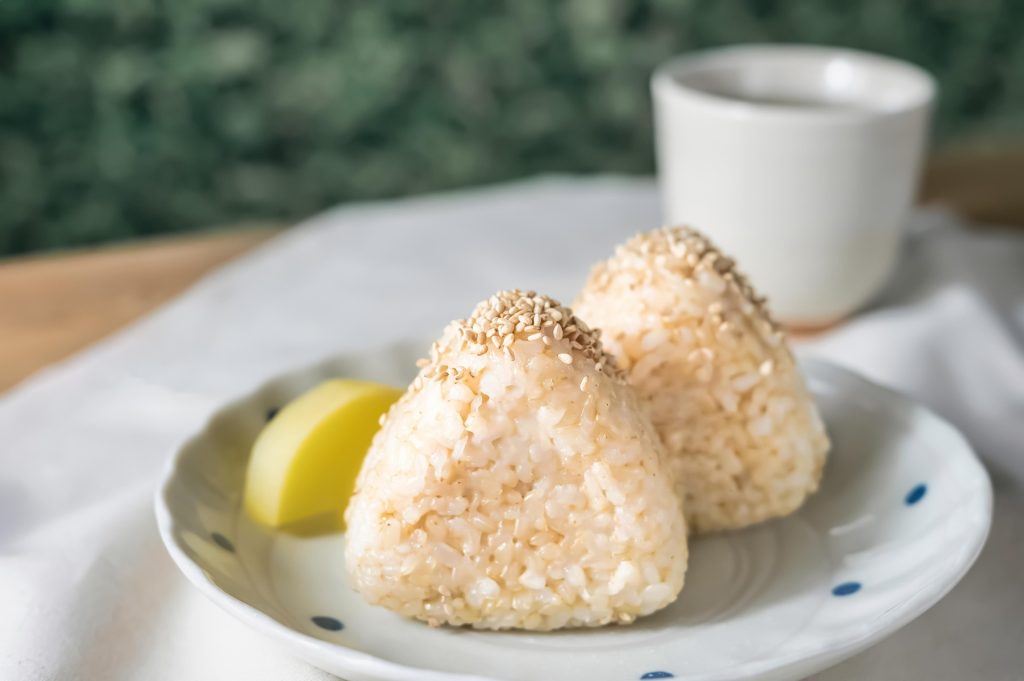
Part of the fun of onigiri lies in adapting it to personal tastes. Vegetarians might fill them with sautéed mushrooms or miso-pickled vegetables. For a Western twist, some experiment with cheese or even small pieces of cooked chicken. Rice seasoned with sesame seeds, furikake, or mixed grains offers variety without complexity. Children often love “decorative onigiri,” shaped like animals or wrapped with colorful ingredients.
Onigiri for Travelers
For visitors in Japan, participating in a home-cooking class or food tour that includes onigiri-making can be both fun and educational. Even if you lack access to a kitchen, small cooking studios and community centers often host experiences where travelers can practice shaping rice balls and learn the cultural context behind them. Beyond being a meal, this activity offers a glimpse into daily Japanese life.
Closing Reflection: The Heart in a Rice Ball
At first glance, onigiri may seem like one of the simplest foods in Japan—a handful of rice shaped with salt, sometimes wrapped with seaweed, and filled with something savory. Yet when you hold one in your hand, still warm from the person who made it, you begin to realize that it carries a meaning far beyond calories and convenience.
Each rice ball is a quiet message. A mother placing them into a child’s lunchbox is sending care that will last through the school day. A friend sharing one during a picnic is offering comfort without words. Even the act of preparing one for yourself can be a reminder of self-respect and nourishment.
What makes onigiri special is not complexity, but intimacy. Unlike a restaurant dish prepared by strangers, onigiri is most often made in the closeness of home or shared directly from hand to hand. It is food that remembers the human touch.
In a world where meals are increasingly rushed, packaged, and standardized, the rice ball endures as a symbol of slowing down—of cooking with thought, shaping with intention, and giving with warmth. Whether you receive one from a Japanese host family, buy one from a corner store, or make one with your own hands, you are tasting a tradition that has carried kindness across centuries.
This is why so many people, both Japanese and foreign, recall their first handmade onigiri as something unforgettable. It was not just the taste of salted rice or the tang of Umeboshi—it was the realization that food can be a gift, small but profound, bridging generations and cultures alike.
QuietTether’s philosophy echoes here:
“A simple rice ball is never just food; it is a gesture that bridges hearts across generations and cultures.”
So the next time you encounter an onigiri, do not dismiss it as ordinary. Instead, see it for what it truly is: a tiny, edible expression of care—an offering that reminds us that the most meaningful connections in life often come in the simplest forms.