Opening Story: A Sweet Slice of Time
On a crisp autumn morning in Kyoto, a foreign traveler stepped into a quiet tea house tucked away along a narrow cobblestone street. The air was imbued with the gentle aroma of roasted tea leaves and the subtle sweetness of freshly made wagashi, the traditional Japanese confectionery. The visitor had read about wagashi, admired pictures online, and heard travelers speak of its artistry, yet nothing could have prepared them for the delicate, almost ethereal experience that awaited.
The host, a quiet woman in a carefully pressed kimono, offered a small lacquer tray adorned with a single wagashi, shaped like a cluster of red maple leaves dusted with a hint of powdered sugar. The confection glowed softly under the morning light streaming through shoji screens, each curve and color seemingly chosen with painstaking precision. Before even tasting it, the visitor felt a sense of anticipation, a thrill akin to opening a miniature piece of art.
As they lifted the wagashi with a pair of tiny wooden tongs, the scent of azuki bean paste mingled with subtle notes of chestnut and yuzu. Each layer told a story: the sweetness of the bean paste balanced by the earthy aroma of the rice flour shell, the vibrant colors signaling the changing season outside. The first bite was soft yet firm, melting slowly to reveal a harmony of textures and flavors. It was not merely a taste but an immersive moment, where the seasons themselves seemed captured within a single bite.
Through this small, ephemeral experience, the traveler began to understand that wagashi was more than a confection—it was a narrative of nature, a reflection of the passage of time, and a vessel of human care and creativity. Each piece carried with it centuries of tradition, the touch of skilled hands, and the quiet intent to bring joy, contemplation, and beauty into daily life. In that tea house, over that single piece of wagashi, the traveler realized that Japan’s seasonal rhythms and cultural stories were expressed not only through grand landscapes or ceremonies but also through the meticulous artistry of something as humble and fleeting as a sweet treat.
The Origins of Wagashi
Wagashi, the traditional Japanese confectionery, is far more than a simple sweet. Its origins stretch back over a millennium, evolving alongside the cultural, religious, and social transformations of Japan. Understanding wagashi is to trace the subtle interplay between taste, art, and seasonality that defines Japanese culture itself.
The earliest forms of Japanese sweets were closely tied to the introduction of Chinese influence during the Nara (710–794) and Heian (794–1185) periods. Early sweets, known as Karamochi, were simple rice cakes often used in religious offerings to Shinto deities and Buddhist rituals. These confections were primarily ceremonial, serving as a medium through which gratitude, reverence, and spirituality were expressed. Unlike modern sweets, they were not consumed merely for pleasure; they carried symbolic meaning, embodying the intention of those who prepared and offered them.
During the Heian period, the aristocracy began to refine confectionery into an art form, often incorporating natural motifs into the design. Flowers, moons, and seasonal landscapes were replicated in sweet pastes and cakes, reflecting the Japanese aesthetic ideal of Mono no aware—the gentle awareness of the impermanence of things. Confectionery became a medium for visual poetry, a way to celebrate nature’s fleeting beauty through taste and presentation. The Japanese concept of Wabi-sabi, the appreciation of imperfection and transience, also found expression in these delicate creations.
By the Edo period (1603–1868), Wagashi had undergone significant transformation. As urban culture flourished in cities like Edo (modern-day Tokyo), Osaka, and Kyoto, the demand for sophisticated sweets grew. Tea houses, which served as cultural salons for the wealthy and middle-class, became central to the evolution of Wagashi. Here, the confectionery’s connection with the tea ceremony deepened. The bitter, earthy flavor of powdered green tea (Matcha) required a subtle companion; Wagashi, with its delicate sweetness, harmonized perfectly, enhancing both taste and aesthetic experience. Tea ceremony Wagashi were crafted not only to delight the palate but also to complement the ritualistic rhythm and seasonal awareness of the gathering.
During this era, the refinement of ingredients played a crucial role. High-quality rice flour, azuki beans, chestnuts, and fruits became central components. Confectioners began mastering the techniques of nerikiri—hand-kneaded sweet doughs colored and shaped to reflect seasonal motifs. Wagashi, therefore, evolved from simple rice cakes to miniature artistic narratives, where flavor, texture, and appearance worked in harmony. Each piece conveyed a story, whether of autumn leaves, spring blossoms, or the quiet snowfall of winter. The act of creating wagashi became a form of storytelling, capturing both the natural world and the human emotion intertwined with it.
Even the name “Wagashi” holds cultural meaning: Wa represents “Japanese” or “harmony,” while Kashi means “confection” or “sweet.” Together, they signify not just a treat but an embodiment of Japanese aesthetics, philosophy, and care. Wagashi became a way to express attention to detail, mindfulness, and seasonal sensitivity—qualities woven into the very fabric of daily life in Japan.
Understanding the origins of wagashi is essential to appreciating its modern significance. Every element, from the choice of ingredients to the intricate design, reflects centuries of refinement, cultural exchange, and philosophical thought. Wagashi is thus both edible art and a vessel of history—a reminder that in Japan, even something as seemingly simple as a sweet carries the weight of stories, seasons, and human care.
Seasonal Motifs and Ingredients
Wagashi is not merely a sweet to satisfy the palate; it is a visual and sensory reflection of the natural world. One of the most remarkable aspects of wagashi is its deep connection to the seasons. In Japan, the year is divided into subtle seasonal shifts, and each season carries distinct imagery, flavors, and cultural significance. Wagashi embodies these changes, turning each confection into a miniature, edible representation of nature’s rhythm.
Seasonal Motifs
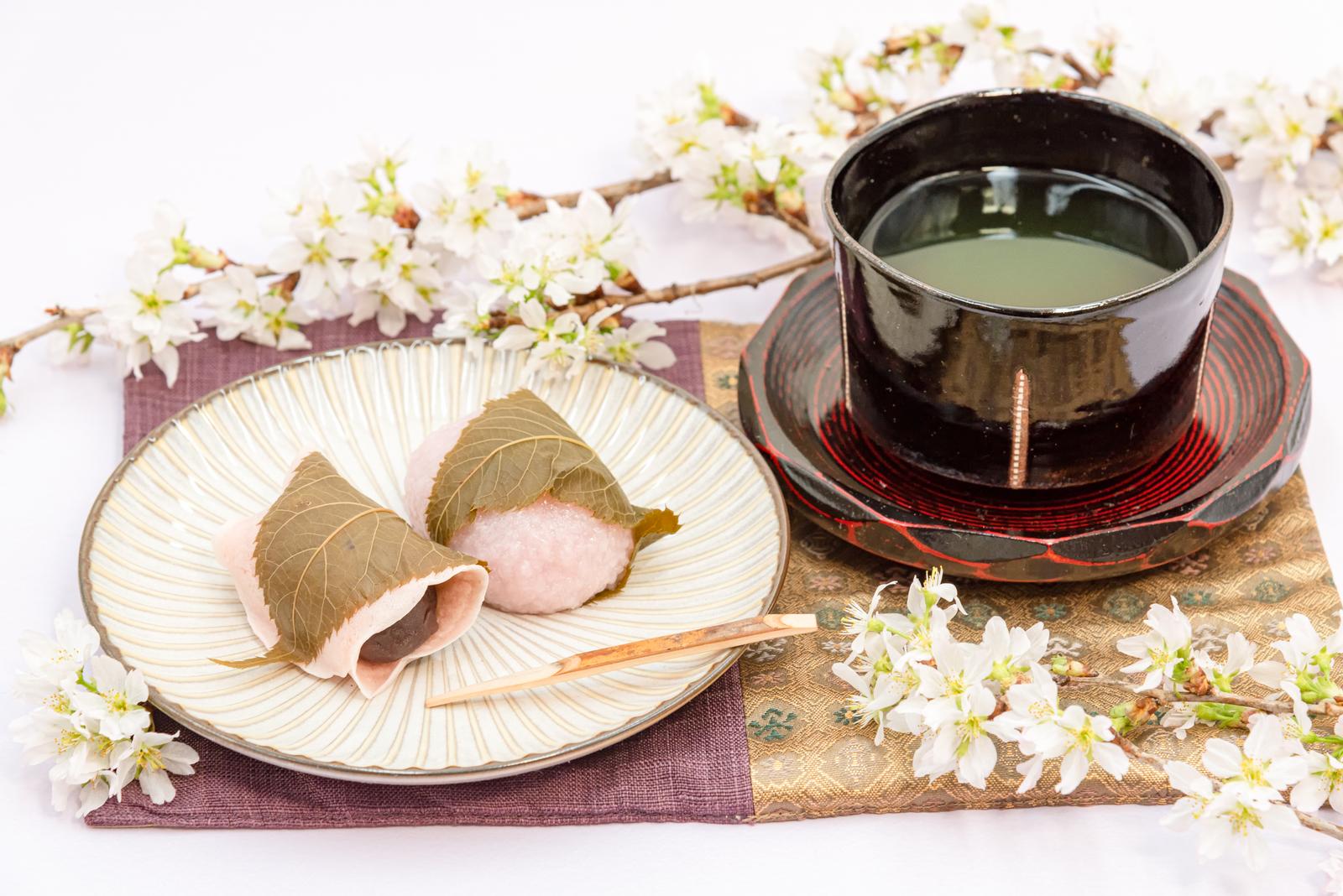
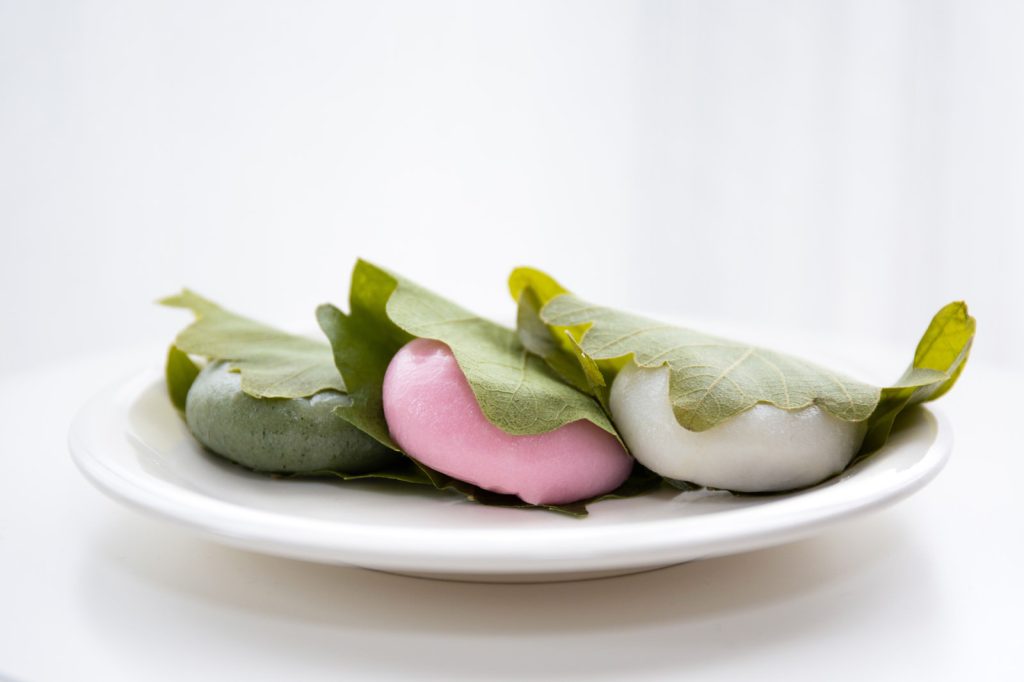
Seasonality in Wagashi is expressed through intricate designs that mirror the natural beauty observed throughout the year. In spring, confections often feature cherry blossoms (Sakura), plum flowers (Ume), or fresh green leaves. The soft pink hues of Sakura mochi, combined with the delicate aroma of sweet bean paste, evoke the fleeting beauty of spring and the cultural celebration of cherry blossom viewing (Hanami). Each bite invites the consumer to experience the gentle awakening of nature, even in the quietest moment of a tea ceremony.
In summer, Wagashi becomes lighter and more refreshing. Designs might include flowing water, morning glories, or bright citrus fruits, while ingredients such as yuzu or chilled jelly provide a cooling sensation. The emphasis in summer Wagashi is often on transparency and lightness, mirroring the clarity and energy of the season. Summer sweets like Kanten (agar jelly) shaped like flowing streams or goldfish capture the fleeting essence of summer afternoons, offering both aesthetic delight and relief from the heat.
Autumn Wagashi celebrates the richness and warmth of the harvest. Chestnuts, sweet potatoes, persimmons, and colored leaves inspire confections that reflect the season’s earthy tones. Wagashi in autumn often conveys a sense of contemplation and nostalgia, encouraging the consumer to savor the changing landscape and the gradual shift toward winter. The careful shaping of red maple leaves or the subtle layering of chestnut paste within a soft mochi reminds one that autumn is a time for reflection and gratitude.
Winter Wagashi often features snowflakes, pine trees, and the muted whites and blues of frosted landscapes. Ingredients such as white bean paste, sesame, and citrus peel highlight flavors that are comforting and warming. Winter confections are frequently associated with New Year celebrations or special festivals, reinforcing the cultural significance of community and family. The intricate designs on Wagashi in winter not only display artistry but also symbolize hope, resilience, and the quiet beauty of the season’s stillness.
Ingredients and Their Cultural Significance
The choice of ingredients in Wagashi is never arbitrary; each component carries meaning and is selected to harmonize with the season. Azuki beans provide the classic sweet red bean paste (Anko), symbolizing happiness, celebration, and protection. Mochi, made from glutinous rice, represents strength and perseverance, often used in New Year confections to signify renewal and good fortune.
Fruits, nuts, and herbs contribute not only flavor but also narrative. Chestnuts reflect autumn harvests, while yuzu evokes winter freshness and vitality. Even the colorings, often derived from natural sources such as matcha (green tea) or gardenia flowers, are carefully chosen to align with seasonal hues. Every ingredient carries a story, creating a dialogue between nature, culture, and the consumer.
Regional variations further enhance this storytelling. Kyoto, with its refined tea culture, emphasizes delicate, handcrafted sweets with subtle flavors. In contrast, Edo (Tokyo) sweets often focus on bold designs and playful motifs, reflecting the lively urban environment. Through ingredients and motifs, Wagashi becomes a map of Japan’s landscapes, climates, and cultural histories, allowing each confection to tell a distinct, localized story.
Experiencing Wagashi as Seasonal Meditation
Consuming Wagashi is thus more than eating; it is an immersive seasonal meditation. The sight, texture, aroma, and taste work together to create a complete experience. Observing the carefully sculpted flowers, feeling the softness of mochi, and tasting the nuanced sweetness of azuki paste encourages mindfulness. One becomes acutely aware of the season, the moment, and the care invested in the confection’s creation.
Through seasonal motifs and ingredients, Wagashi embodies a philosophy of attentiveness to nature and human connection. Every piece invites reflection on time’s passage, on fleeting beauty, and on the subtle joys of daily life. The confection becomes a bridge between the natural world, the artisan’s intention, and the consumer’s appreciation—a small but profound celebration of life’s seasonal rhythm.
Craftsmanship and Storytelling
Wagashi is much more than a confection; it is a vessel of artistry, narrative, and cultural memory. Each piece reflects the skill, patience, and imagination of the Wagashi-shokunin (和菓子職人), the artisan who shapes both flavor and story. Craftsmanship in Wagashi is a careful balance of technique, aesthetics, and cultural understanding—an embodiment of centuries-old traditions that are still alive today.
The Artisan’s Journey
A Wagashi-shokunin’s craft is honed through years of apprenticeship and rigorous training. From selecting the finest ingredients to mastering delicate techniques such as 練切 Nerikiri (hand-kneaded sweet paste) or mold pressing, each step requires precision and mindfulness. The artisan must understand how subtle variations in texture, color, and shape affect not only the taste but the emotional impact of the confection.
The training is as much about character as skill. Patience, observation, and empathy are crucial; the artisan must anticipate the consumer’s experience, imagining how the sweet will be seen, touched, smelled, and tasted. Crafting Wagashi is therefore a dialogue between the artisan and the audience, communicated through a medium that transcends words.
Techniques That Tell a Story
Wagashi employs an array of techniques that transform simple ingredients into miniature works of art:
- Hand shaping and molding: Artisans sculpt dough and bean paste into flowers, leaves, or seasonal symbols, paying meticulous attention to proportions and symmetry. A cherry blossom petal may require dozens of delicate touches to capture its ephemeral beauty.
- Coloring and layering: Natural pigments from matcha, safflower, or gardenia flowers are blended and layered to evoke depth, light, and seasonality. A single hue can suggest early morning mist, autumn twilight, or the shimmer of snow.
- Textural contrast: Wagashi often combines soft mochi, smooth bean paste, and crisp elements to create a harmonious mouthfeel, reflecting the complexity of nature and life itself.
Every stroke, fold, and detail carries intention. In essence, wagashi is storytelling through form and flavor—each piece narrates the season, the region, and the artisan’s heart.
Cultural Symbols Encoded in Wagashi
Wagashi often encodes stories of history, mythology, and regional identity:
- A kikyo (bellflower) wagashi may symbolize loyalty and eternal love.
- Chestnut-filled sweets in autumn celebrate the harvest and agricultural heritage.
- Snowflake-shaped confections in winter evoke purity, resilience, and the anticipation of the new year.
These symbolic elements connect the consumer with a larger cultural narrative, allowing even a brief taste to evoke centuries of tradition. The artisan’s role is to ensure that every detail—shape, color, ingredient, and aroma—conveys these stories clearly, yet subtly, without overwhelming the senses.
The Emotional Dialogue
The relationship between Wagashi-shokunin and consumer is intimate and silent. When a guest receives a Wagashi during a tea ceremony, they are not just tasting sugar and flour; they are entering a conversation with the artisan’s creativity, patience, and sensitivity. This quiet dialogue bridges time and space, linking modern-day observers with artisans of the past who shaped the same motifs with the same intent.
Innovation within Tradition
Even while adhering to centuries-old techniques, Wagashi artisans continue to innovate. Modern adaptations might introduce new flavor combinations, playful shapes, or fusion with Western ingredients, but the essence of storytelling remains. A contemporary Wagashi that uses yuzu and chocolate might speak of global tastes, but the attention to form, seasonality, and narrative is unchanged. Innovation in Wagashi is not rebellion; it is evolution guided by respect for tradition.
Experiencing Craftsmanship Mindfully
To fully appreciate Wagashi, one must slow down. Observe the subtle gradients of color, the precision of each petal, the harmony of textures. Savor the flavor deliberately, allowing each bite to unfold the narrative encoded by the artisan. This mindful engagement turns eating into a contemplative practice, reinforcing awareness of seasons, culture, and human care.
Through craftsmanship and storytelling, Wagashi becomes a microcosm of Japanese philosophy: beauty in simplicity, attention to detail, and a deep reverence for nature and human connection. Each confection is not just a sweet; it is a living narrative, a vessel for shared memory, and a reflection of the artisan’s devotion.
Wagashi in Tea Ceremony and Hospitality
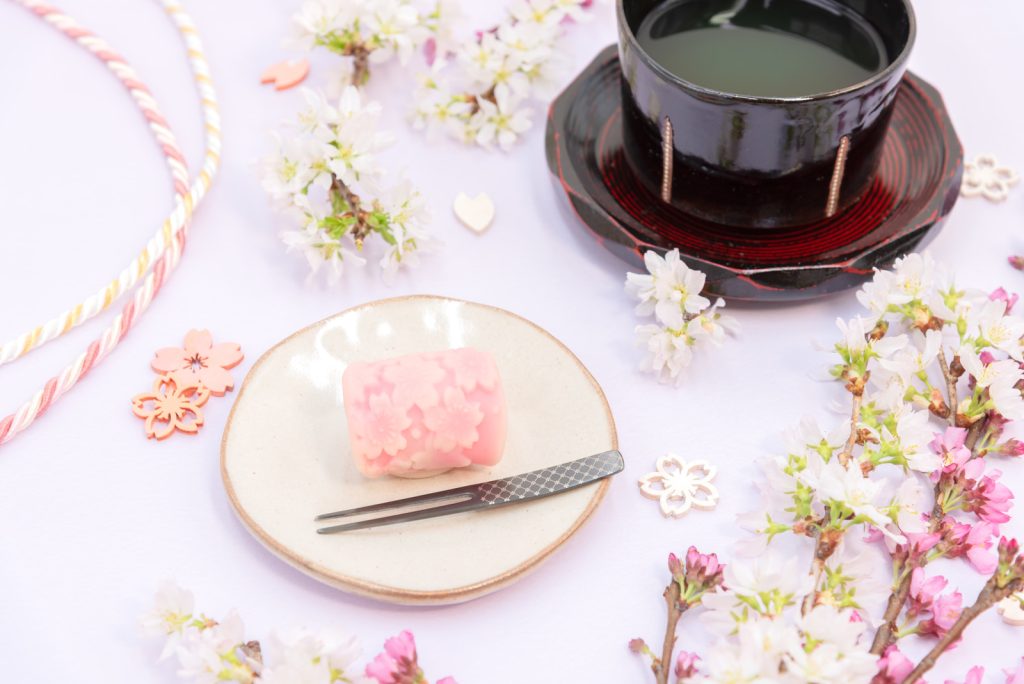
Wagashi is inseparable from the Japanese tradition of Sado (茶道, the Way of Tea), where it serves as both a sensory delight and a symbolic expression of hospitality. In the serene atmosphere of a tea ceremony, Wagashi transcends its role as a sweet treat, becoming a medium through which seasons, culture, and human connection are communicated.
The Role of Wagashi in Tea Ceremony
The tea ceremony is a ritual of mindfulness, where each movement, gesture, and object carries meaning. Wagashi is carefully timed to complement the Matcha tea:
- Balancing flavors: The sweetness of Wagashi counteracts the bitterness of matcha, creating a harmonious taste experience that engages the palate fully.
- Enhancing the aesthetic experience: Wagashi is presented as a visual masterpiece before consumption. Its shape, color, and presentation often reflect seasonal motifs or philosophical ideas, preparing the mind for contemplation.
- Timing and ritual: The host serves Wagashi at a precise moment to signal respect and enhance the ceremonial rhythm, reinforcing the idea that eating is part of a broader experience, not just a physical act.
Through these functions, Wagashi becomes a bridge between flavor and mindfulness, offering participants a holistic sensory and emotional experience.
Seasonal Awareness Through Confectionery
Each Wagashi served during a tea ceremony is intentionally tied to the current season:
- Spring: Sakura-shaped sweets, pastel colors, and soft textures evoke renewal and ephemeral beauty.
- Summer: Refreshing, light flavors like Mizu-yokan (chilled jelly) convey coolness and relief from heat.
- Autumn: Chestnut or sweet potato fillings, along with warm tones, celebrate harvest and transition.
- Winter: Snowflake motifs or white bean paste symbolize purity, quiet, and the anticipation of a new beginning.
This seasonal attentiveness is not merely decorative. It encourages participants to pause, reflect, and synchronize their experience with nature’s rhythms, deepening appreciation for the subtlety of time.
Wagashi as a Medium of Hospitality
In Japan, hospitality—or Omotenashi—is expressed not only through service but also through thoughtful presentation. Wagashi embodies this principle:
- Attention to detail: The precise cutting, shaping, and coloring of each piece conveys respect for the guest. No two confections are identical, reflecting the host’s care in crafting a unique experience.
- Consideration for the senses: The aroma, texture, and visual appeal are all considered, ensuring that guests feel valued and comfortable.
- Emotional communication: Even a small gesture, such as the gentle placement of Wagashi on a plate, communicates empathy and attentiveness, emphasizing the host’s desire to nurture both body and spirit.
Through Wagashi, the host communicates subtle, often unspoken messages: “I see you. I honor this moment. I wish to share beauty and joy with you.”
Rituals Beyond Taste
Wagashi in tea ceremonies also emphasizes etiquette and mindful interaction:
- Presentation and receiving: Guests handle Wagashi with care, appreciating the craftsmanship before tasting. The act of lifting, observing, and finally consuming becomes a meditative practice.
- Conversation and silence: Wagashi encourages reflection and thoughtful dialogue. The shared experience fosters a quiet intimacy, creating bonds without the need for words.
- Connection to tradition: Every bite links participants to centuries of Japanese culture, carrying forward historical practices and aesthetic philosophies.
Contemporary Adaptations in Hospitality
Modern tea houses and cultural spaces continue to use Wagashi to extend hospitality to both domestic and international visitors:
- Tourist experiences: Seasonal wagashi are often explained with stories and symbolism, turning the tasting into an educational and cultural journey.
- Fusion Wagashi for global palates: While traditional forms are preserved, some artisans incorporate subtle flavors or designs that appeal to non-Japanese guests, maintaining the essence of Omotenashi while inviting broader accessibility.
Mindful Consumption as Cultural Practice
Eating Wagashi in the context of hospitality is an exercise in mindfulness. Participants are encouraged to:
- Observe the confection’s design.
- Appreciate the seasonal symbolism.
- Savor flavor and texture deliberately.
- Reflect on the host’s intentions and care.
This practice transforms the act of eating into a multi-sensory, culturally immersive experience. Through Wagashi, guests are invited not only to taste sweetness but also to feel the warmth, thoughtfulness, and rhythm of Japanese hospitality.
Regional Variations and Stories
Japan’s diverse geography and rich local histories have given rise to a remarkable variety of Wagashi, each embodying the spirit, landscape, and traditions of its region. These confections serve as cultural snapshots, offering travelers a unique way to experience local heritage, natural beauty, and community values.
The Influence of Geography and Climate
Regional variations in Wagashi often stem from the natural environment:
- Northern Japan (Hokkaido and Tohoku): The colder climate influences the use of hearty ingredients like chestnuts, sweet potatoes, and red bean paste. Snow motifs and seasonal winter themes are common.
- Central Japan (Kansai region): Known for its refined aesthetic sensibility, Wagashi here often features intricate designs and delicate flavors, emphasizing elegance and seasonal symbolism.
- Southern Japan (Kyushu and Okinawa): Tropical fruits, sweet potato, and lighter textures dominate, reflecting warmer climates and local agricultural produce.
These variations highlight the Japanese practice of aligning culinary creations with the environment, making Wagashi a reflection of the land as much as an art form.
Famous Regional Wagashi and Their Stories
- Yatsuhashi (Kyoto):
A thin, cinnamon-flavored sweet shaped like a folded rectangle, often filled with red bean paste. Legend says Yatsuhashi was inspired by the journey of a famous musician, linking the confection to music, tradition, and Kyoto’s cultural refinement. - Kibi Dango (Okayama):
Soft, chewy millet dumplings associated with the famous folktale of Momotaro, the Peach Boy. Each bite connects consumers to local storytelling traditions and moral lessons from childhood folklore. - Higashi and Monaka (Various regions):
Dry, crisp Wagashi like Monaka (wafer sandwiches filled with sweet bean paste) often carry intricate designs representing local festivals, seasonal flowers, or historical motifs, blending edible art with regional pride. - Sakuramochi (Tokyo/Kansai differences):
Wrapped in salted cherry blossom leaves, Sakuramochi embodies the spring season. Tokyo-style is cylindrical and Kanto-centric, while Kansai-style is round and softer, illustrating regional interpretations of the same seasonal concept.
Festivals and Wagashi
Many Wagashi are tied to Matsuri (festivals) and local celebrations:
- Cherry Blossom Festivals (Hanami): Sakura-themed confections symbolize fleeting beauty and communal appreciation of spring.
- Autumn Harvest Festivals: Chestnut or sweet potato Wagashi celebrate agricultural bounty and gratitude for the season’s gifts.
- New Year Celebrations: Traditional sweets like Kashiwa-mochi represent prosperity and family unity.
In these contexts, Wagashi is not merely a snack—it becomes a participant in social rituals, reinforcing cultural identity and collective memory.
Travel as a Culinary Exploration
For travelers, tasting regional Wagashi is a way to engage with local culture without words. Each confection tells a story:
- The ingredients speak of the land’s agriculture and seasonal availability.
- Shapes and designs reflect local flora, fauna, and folklore.
- Preparation methods showcase regional craftsmanship and culinary heritage.
This edible storytelling allows visitors to immerse themselves in a region’s identity, bridging sensory experience with cultural learning.
Wagashi as a Cultural Ambassador
Regional Wagashi also function as gifts, known as Omiyage, which carry stories from one place to another:
- Travelers often bring back Wagashi as souvenirs, sharing the flavors and aesthetics of a specific locale with friends and family.
- Each piece embodies not only taste but also respect for tradition, reinforcing Japan’s culture of thoughtfulness and hospitality.
- By sampling or gifting these sweets, individuals participate in a network of cultural exchange, connecting local communities to wider audiences.
Modern Interpretations of Regional Traditions
Contemporary Wagashi artisans often innovate while respecting regional identity:
- Incorporating new ingredients or flavors while retaining traditional shapes or motifs.
- Collaborating with local festivals or tourism boards to create limited-edition sweets that celebrate regional uniqueness.
- Designing visually striking pieces that appeal to both domestic and international audiences, maintaining the storytelling essence.
Through these innovations, Wagashi continues to evolve, blending historical significance with modern creativity.
Summary: Experiencing Place Through Wagashi
Regional variations in Wagashi reveal that each piece is more than a dessert—it is a story, a landscape, and a cultural artifact. Sampling these sweets offers:
- A deeper understanding of local history and traditions.
- A tactile and flavorful experience of the changing seasons.
- Insight into how communities express identity and hospitality through food.
Travelers who explore Wagashi region by region discover that Japan’s diversity is not only geographical but deeply cultural, with each confection carrying the pride, skill, and narrative of its place of origin.
Modern Interpretations and Fusion
While traditional Wagashi remains cherished, contemporary Japan has witnessed a fascinating evolution: modern interpretations and fusion creations that balance respect for heritage with innovative expression. These modern confections highlight Japan’s adaptability, creativity, and willingness to merge the old with the new.
Fusion with Western Sweets
One of the most visible trends is Wagashi fused with Western pastry techniques:
- Mont Blanc Wagashi: Chestnut cream traditionally used in Wagashi is combined with meringue or sponge cake to create a hybrid dessert. This fusion preserves the classic flavor while adapting it to a contemporary texture and presentation.
- Matcha Cheesecake Wagashi: Green tea, a staple in traditional sweets, finds its way into layered cakes or mousse desserts. The bitter matcha balances rich dairy, maintaining harmony in taste and visual appeal.
- Chocolate and Wagashi Pairings: Red bean paste (Anko) or mochi combined with dark chocolate has gained popularity, creating a contrast of Japanese subtlety and Western richness.
These innovations appeal to younger generations and foreign visitors, providing entry points for experiencing Japanese flavors in familiar forms.
Artistic Wagashi for Visual Impact
Modern Wagashi artisans increasingly treat sweets as visual art:
- 3D Sculptures: Confections shaped like miniature animals, flowers, or even urban landscapes, meticulously colored and textured.
- Seasonal Abstract Art: Using natural dyes and molds, contemporary pieces evoke seasons or emotions in abstract patterns, reflecting a shift from purely representational designs to conceptual expression.
- Instagram-Worthy Creations: Social media influences design, encouraging bold colors and intricate details that celebrate aesthetics as much as taste.
In these cases, Wagashi is no longer only a culinary experience—it is performative, interactive, and shareable, extending cultural storytelling into a global digital context.
Incorporating Local and Exotic Ingredients
Modern Wagashi often experiment with new ingredients while respecting traditional principles:
- Fruits Beyond the Classic: Berries, kiwi, or tropical fruits replace or complement chestnuts, persimmons, or yuzu.
- Alternative Sweeteners: Honey, coconut sugar, or reduced-sugar options cater to health-conscious consumers.
- Cross-Cultural Flavor Pairings: Sakura paired with rosewater, matcha with white chocolate, or yuzu with ginger demonstrates creative blending while maintaining Japanese flavor identity.
These innovations respect the seasonal and natural ethos of Wagashi, emphasizing harmony in taste and presentation even when introducing novel flavors.
Collaboration with Contemporary Culture
Modern Wagashi frequently intersects with pop culture and events:
- Anime and Character-Themed Wagashi: Limited editions featuring beloved characters attract both domestic and international fans.
- Festival Revivals: Contemporary versions of festival-specific Wagashi draw younger audiences while preserving traditional stories.
- Art Exhibitions and Cafés: Wagashi featured in galleries or concept cafés elevate confectionery into cultural performance, blending culinary and artistic appreciation.
Through these collaborations, Wagashi maintains cultural relevance while connecting historical tradition to modern life.
Sustainability and Localism
The fusion movement also embraces sustainable and locally sourced ingredients:
- Regional fruits, nuts, and grains are highlighted, reducing import reliance and celebrating local agriculture.
- Eco-friendly packaging and reduced food waste align Wagashi production with contemporary values of environmental stewardship.
This approach bridges traditional Japanese mindfulness with global concerns, emphasizing that Wagashi can convey both culture and ethics.
Lessons from Modern Fusion
Modern Wagashi demonstrates several broader cultural lessons:
- Innovation Within Tradition: Even centuries-old art forms can evolve without losing identity.
- Global Cultural Exchange: Fusion sweets create bridges between Japanese flavors and international tastes, making heritage accessible worldwide.
- Sensory and Narrative Depth: Even when innovating, Wagashi retains its layered storytelling through appearance, flavor, and seasonal references.
- Engaging a Younger Audience: By adapting to contemporary aesthetics and tastes, Wagashi remains relevant across generations.
In essence, modern interpretations reaffirm Wagashi’s role not just as dessert, but as a dynamic cultural medium, reflecting Japan’s past, present, and future simultaneously.
Summary: Tradition Meets Innovation
Modern and fusion Wagashi exemplify a delicate balance:
- Heritage is honored through flavors, techniques, and seasonal consciousness.
- Innovation is embraced through presentation, ingredients, and cross-cultural collaborations.
- Each piece becomes a story of continuity and change, inviting both domestic and international audiences to savor Japanese culture in evolving forms.
Mindfulness and Appreciation
Wagashi is more than just a sweet treat; it is an experience of mindfulness, engaging the senses and the heart in ways that modern fast-paced life often overlooks. By savoring Wagashi slowly, one participates in a ritual of awareness, connecting with the season, the artisan, and the subtle narratives embedded in each piece.
Engaging All the Senses
Wagashi engages three primary dimensions: sight, taste, and mind:
- Sight:
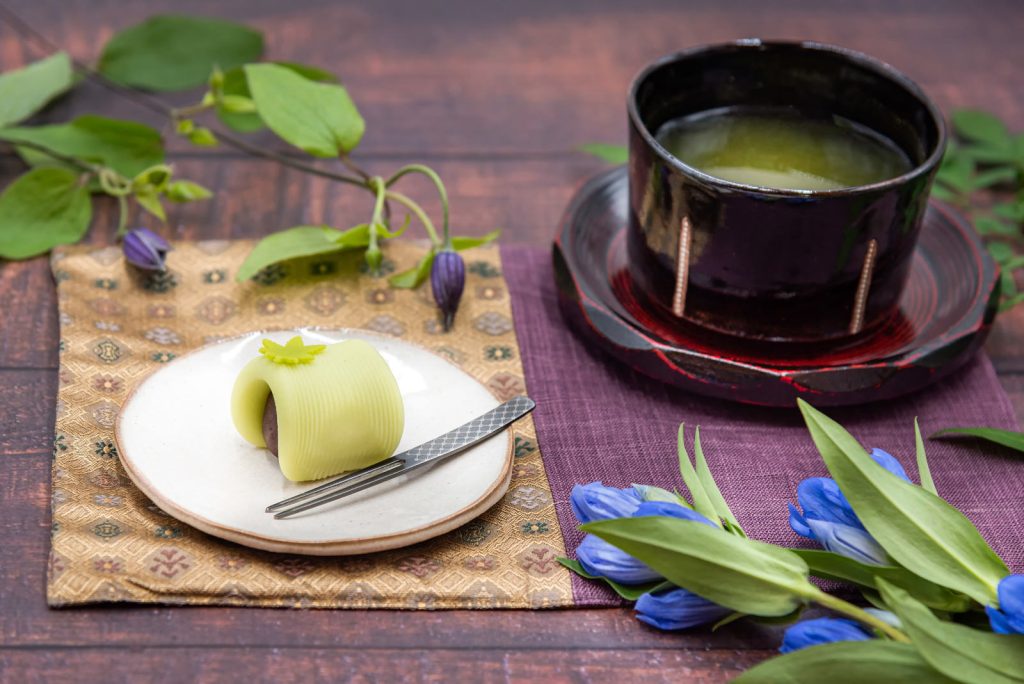
- The visual appeal is immediate. Colors, shapes, and intricate designs evoke the season or tell a story. Cherry blossoms in spring, maple leaves in autumn, or snowflakes in winter serve as gentle reminders of nature’s cycles.
- Even the plate or bamboo leaf upon which Wagashi is presented enhances the visual narrative, demonstrating the Japanese principle of “見た目 Mitame”—beauty for the eye.
- Taste:
- The flavor is delicate, emphasizing subtle sweetness and natural ingredients.
- Red bean paste, chestnuts, yuzu, or matcha provide nuanced tastes that encourage slow, attentive eating, highlighting texture, aroma, and balance.
- Mind:
- Eating Wagashi is an exercise in mental presence. One notices the texture, the fleeting aroma, the changing shape as it melts on the tongue.
- This slow appreciation cultivates gratitude—for the artisan, for the ingredients, and for the moment itself.
Seasonal Awareness
Wagashi embodies “旬 Shun,” the Japanese concept of enjoying foods at the peak of their season. Each piece reflects:
- The natural cycles—blossoms, leaves, snow, or harvest fruits.
- The cultural rhythms—festivals, tea ceremonies, and seasonal traditions.
By savoring Wagashi, one becomes attuned to time passing subtly, fostering a deeper connection with the environment and the present moment.
The Art of Slow Consumption
Unlike many Western desserts meant for quick indulgence, Wagashi encourages ritualized, slow consumption:
- Small bites, deliberate movements, and attentive focus heighten sensory pleasure.
- Observing the Wagashi before tasting, inhaling its aroma, and noting its texture creates a meditative experience.
- This mindfulness mirrors practices like Sado/Chanoyu (tea ceremony), where every action is deliberate and meaningful.
Gratitude and Connection
Wagashi carries the intent of the artisan:
- Each piece is handcrafted, often incorporating hours of labor, seasonal insight, and artistic skill.
- Eating Wagashi is an act of acknowledging this care, fostering gratitude and awareness of human effort and intention.
Furthermore, Wagashi facilitates social mindfulness:
- Sharing sweets during tea gatherings or festivals strengthens human connections, transmitting respect and hospitality.
- Observing others’ reactions and enjoying Wagashi communally nurtures empathy and attentiveness.
Small Luxuries in Daily Life
Even outside formal tea ceremonies, Wagashi offers everyday opportunities for mindful practice:
- Taking a moment with a seasonal sweet in the morning or afternoon transforms a simple break into a conscious pause.
- This ritual encourages reflection, presence, and appreciation for the fleeting nature of time—akin to mono no aware, the awareness of impermanence.
Modern Life and Mindfulness
In today’s fast-paced world, Wagashi provides:
- A gentle reminder to slow down and savor details.
- An avenue to reconnect with nature, even in urban environments.
- A bridge between cultural tradition and personal reflection, allowing a deeper understanding of Japanese aesthetics and philosophy.
Summary: Mindfulness Through Wagashi
In essence, Wagashi is a medium of mindfulness:
- Engaging sight, taste, and mind for full sensory appreciation.
- Celebrating seasonal awareness and the flow of time.
- Honoring the artisan’s craft, fostering gratitude and reflection.
- Offering small, daily moments of luxury and mindful presence.
Each Wagashi experience becomes a lesson in awareness, patience, and appreciation, demonstrating that food can be more than nourishment—it can be a practice of presence and cultural immersion.
Closing Reflection: A Bite of Seasons and Stories
Wagashi is more than a confection; it is a microcosm of Japanese culture, nature, and human artistry. Each delicate piece embodies a season, a story, and a moment of mindful care, transforming a simple act of eating into a profound cultural experience.
Seasons Encapsulated
A single Wagashi can carry the essence of spring blossoms, summer greenery, autumn leaves, or winter snow. Through colors, shapes, and flavors, one experiences the subtle transitions of nature, gaining awareness of the cyclical rhythm of life. In each bite, the fleeting beauty of the seasons is captured—a reminder to notice and cherish transient moments in daily life.
Stories Embedded
Wagashi is a storytelling medium:
- Its forms often reflect historical events, folklore, or regional characteristics.
- The ingredients themselves—chestnuts, red beans, yuzu—carry associations with harvest, prosperity, or seasonal festivals.
- By eating Wagashi mindfully, one participates in these narratives, connecting with culture and history on an intimate level.
Craftsmanship and Care
Every Wagashi is the product of artisanal skill and human intention:
- Artisans spend years perfecting techniques like hand-molding, coloring, and texturing.
- The meticulous care put into each piece is an expression of respect for nature, ingredients, and the person who will enjoy it.
- Eating wagashi becomes an acknowledgment of this dedication, a silent exchange of appreciation between maker and eater.
Mindfulness and Presence
Wagashi encourages slowing down, engaging all senses, and cultivating presence:
- Observing its form, inhaling its fragrance, and savoring its flavor transforms eating into a meditative act.
- This mindfulness fosters gratitude—for the natural ingredients, the artisan’s skill, and the moment itself.
- Each encounter with Wagashi is a lesson in pausing, observing, and appreciating life’s subtle joys.
Small Luxuries, Big Impact
In a world of constant motion, wagashi offers moments of quiet reflection:
- It elevates everyday life, turning ordinary breaks into rituals of awareness.
- Through Wagashi, one learns that beauty, care, and seasonal awareness can be integrated into even the simplest of daily acts.
- These moments contribute to a richer, more attentive experience of life, reminding us that happiness can be found in small, mindful pleasures.
The Philosophy of QuietTether
As QuietTether teaches, true connection lies in awareness and care:
- Wagashi exemplifies this philosophy, connecting nature, artisan, and eater in a single, fleeting moment.
- It reminds us that culture, mindfulness, and human kindness are often expressed in subtle, delicate ways.
- Through wagashi, one learns that slowing down and noticing the small details can reveal the depth of life’s beauty and the quiet power of human thoughtfulness.
Final Thought:
“Each Wagashi is a tiny story, a reflection of seasons, nature, and human care—a moment to savor and remember.” In every bite lies a world of awareness, gratitude, and cultural connection, proving that even the smallest sweets can carry profound lessons.